
Achieve Optimal Growth With the Right Mushroom Humidifier
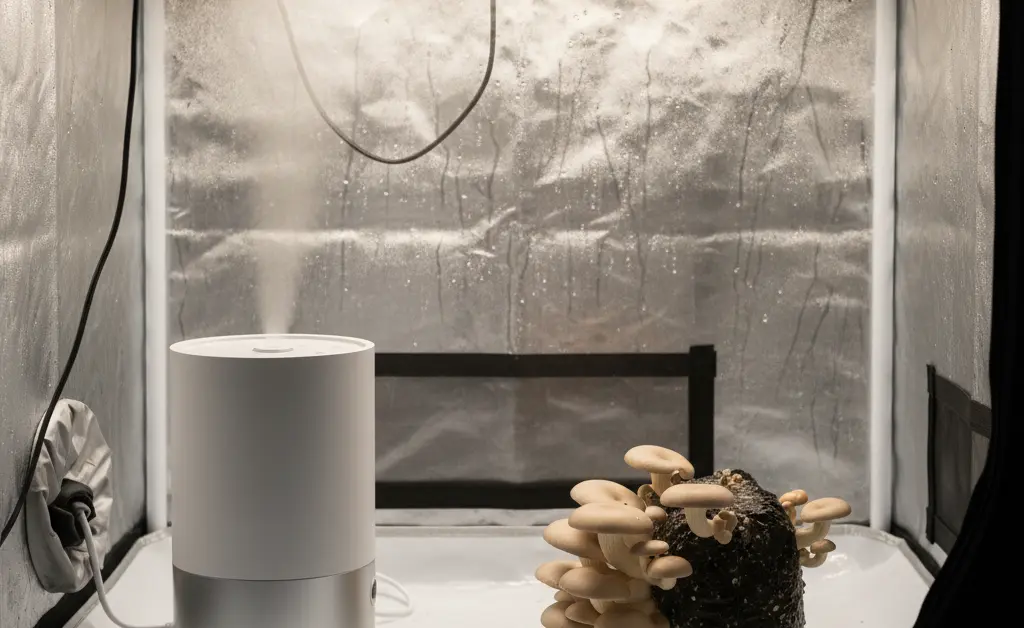
Achieving ideal humidity levels is critical for successful mushroom cultivation. From spore germination to mycelial colonization and the eventual development of robust fruiting bodies, consistent and appropriate moisture in the growing environment significantly impacts yield and quality. Without precise control, growers often face issues like stunted growth, contamination, or poor harvests. This guide delves into the essential role of environmental control, specifically focusing on how a specialized mushroom cultivation humidifier can transform your growing efforts. We will explore the various types available, key features to consider, and best practices for setup and maintenance, ensuring your fungi thrive in optimal conditions. Understanding these aspects is key to maximizing your harvest and producing high-quality mushrooms.
Types of Humidifiers for Mushroom Growing
Selecting the appropriate humidifier is a foundational step in creating an optimal environment for mushroom cultivation. Different types offer distinct advantages and disadvantages, influencing factors such as energy consumption, noise levels, and the fineness of the mist produced. Understanding these variations helps growers make informed decisions tailored to their specific setups and mushroom species requirements. Both cool mist and warm mist humidifiers are available on the market, though cool mist variants are generally favored for mushroom growing due to their energy efficiency and the absence of heat, which could potentially encourage undesirable growth or affect temperature stability in the grow space. An effective mushroom cultivation humidifier integrates seamlessly into a controlled environment, contributing significantly to successful yields.
Ultrasonic Humidifiers for Mushrooms
Ultrasonic humidifiers are a popular choice among mushroom cultivators due to their efficiency and ability to produce a very fine, cool mist. These devices use a high-frequency vibrating diaphragm to create microscopic water droplets, which are then dispersed into the air. The fine mist ensures even distribution of humidity without significantly raising the ambient temperature, which is crucial for sensitive mycelial growth and fruiting stages. They are typically quiet in operation, making them suitable for indoor grow tents and chambers where noise might be a concern. Their capacity to deliver consistent, fine humidity makes them highly effective for maintaining the high moisture levels many mushroom species require for optimal development. For growers looking for comprehensive solutions, exploring mushroom cultivation equipment can provide a wide range of options to complement your humidifier choice.
DIY Humidifier Solutions
For those looking for more budget-friendly or custom solutions, several DIY humidifier options exist. These often involve modifying existing humidifiers or constructing a system from components like ultrasonic foggers, fans, and water reservoirs. Common DIY setups might utilize a small ultrasonic pond fogger placed in a bucket of water, with a fan directing the mist into the grow area. While these solutions can be effective for maintaining humidity, they may require more frequent monitoring and adjustment compared to commercial units. Considerations for DIY approaches include ensuring proper sealing, preventing water leaks, and managing electrical components safely. It’s also important to ensure any DIY solution can consistently deliver the required humidity without introducing contaminants or excessive noise.
Key Features to Look for in a Mushroom Cultivation Humidifier
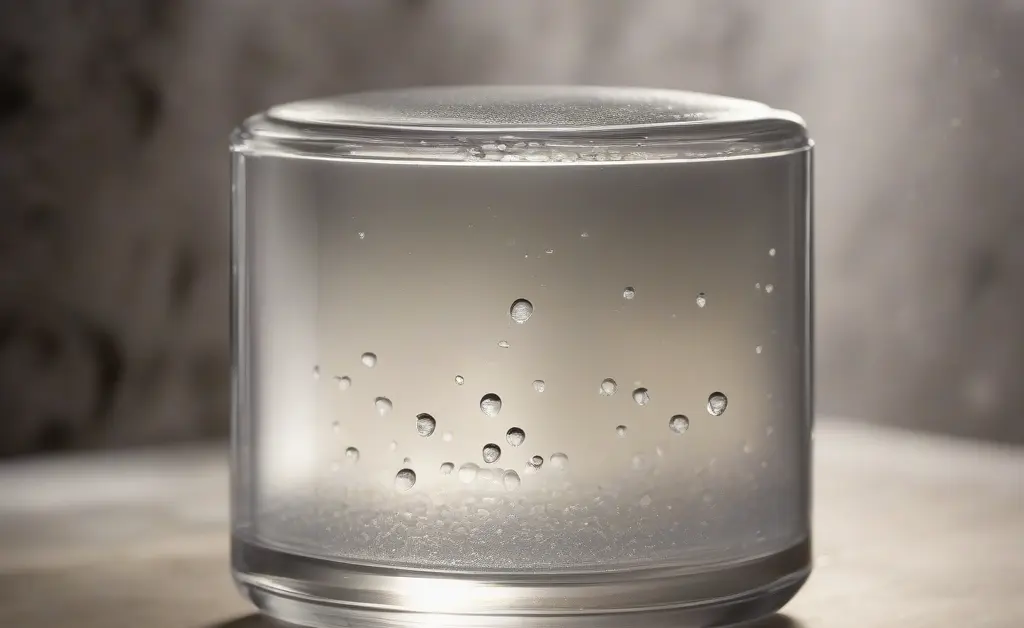
When selecting a mushroom cultivation humidifier, several features stand out as critical for ensuring efficient operation and optimal growing conditions. Adjustable humidity control is paramount, allowing growers to precisely set and maintain the specific moisture levels required for different mushroom growth stages. A wide coverage area and an adequate tank size are also essential to match the dimensions of your grow tent or chamber, minimizing the need for frequent refills and ensuring uniform humidity distribution. The durability and ease of cleaning of the unit directly impact its longevity and the ability to maintain a sterile environment, which is vital in mushroom cultivation to prevent contamination. Furthermore, considering the noise level and power consumption helps in integrating the humidifier seamlessly into your grow space without undue disturbance or high energy costs. Finally, safety features such as automatic shut-off when the water tank is empty or tip-over protection are important considerations for continuous, worry-free operation. Using appropriate mushroom cultivation bags can also aid in maintaining a controlled environment for your fungi.
Setting Up and Maintaining Your Humidifier
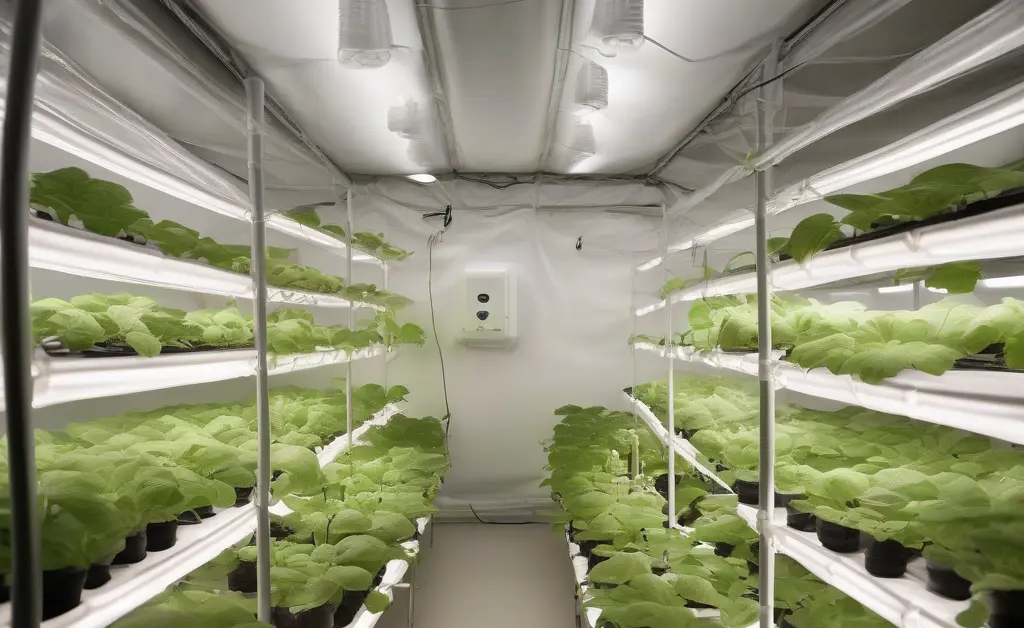
Proper setup and consistent maintenance are crucial for the effective operation and longevity of your mushroom cultivation humidifier. Strategic placement in grow tents and chambers is vital to ensure an even distribution of humidity. The humidifier should not be placed directly against a wall or too close to mushroom blocks, as this could lead to localized oversaturation and potential issues like bacterial blotch. Regular attention to water quality and refilling schedules is also necessary; using distilled or reverse osmosis water can help prevent mineral buildup and extend the life of the unit, while ensuring the reservoir is never empty maintains consistent humidity. A rigorous routine of regular cleaning and sanitization is indispensable for preventing the growth of molds, bacteria, and algae within the humidifier itself, which could otherwise be dispersed into your grow environment. Additionally, calibration and monitoring of humidity levels with a reliable hygrometer help ensure that the humidifier is operating accurately and maintaining the desired conditions for your fungi. Ensuring your grow space is well-organized with suitable mushroom cultivation racks can also optimize air circulation around your humidifier.
Troubleshooting Common Humidifier Issues in Mushroom Growing

Even with careful planning, growers may encounter issues with their humidifier systems. Understanding how to troubleshoot common problems can help maintain optimal conditions and prevent significant setbacks in mushroom cultivation. One frequent challenge is dealing with condensation, which can occur if the humidity is too high or if there’s insufficient air circulation. Adjusting the fan speed, ensuring adequate ventilation, or slightly lowering the humidity setting on your mushroom cultivation humidifier can mitigate this. Preventing mold and bacterial growth is another critical aspect; regular cleaning, using purified water, and ensuring the grow area has good airflow are key preventative measures. If you notice inconsistent humidity levels, it could be due to a faulty sensor, an undersized humidifier for your space, or blockages in the mist output. Checking the hygrometer for accuracy, verifying the tank level, and ensuring the mist output is clear can help address these fluctuations. Addressing these issues promptly helps ensure a stable and healthy environment for your mushroom crops. For all your cultivation needs, remember to stock up on essential mushroom cultivation supplies.
The journey of mushroom cultivation is immensely rewarding, offering the satisfaction of growing your own food or unique fungi. A well-chosen and properly managed humidifier is not just a piece of equipment; it is a fundamental tool that directly impacts the success of your harvest. By understanding the types, features, and maintenance requirements, growers can ensure their mushrooms thrive in an environment perfectly tailored to their needs. Consistent humidity control, facilitated by an effective humidifier, supports robust mycelial growth and abundant fruiting, ultimately leading to higher yields and superior quality mushrooms. Investing time in selecting and maintaining this critical component will pay dividends in the health and productivity of your mushroom crops. Scientific studies on environmental factors in cultivation can be found on resources like PubMed.
The content provided in this article is intended for informational learning, not clinical application. This information is for general knowledge and educational purposes only, and does not constitute professional advice. We recommend consulting with appropriate experts for specific guidance related to mushroom cultivation or any health-related concerns. The authors and publishers are not responsible for any adverse effects or consequences resulting from the use of any information presented herein.
FAQ
What type of humidifier is best for mushroom cultivation?
Ultrasonic humidifiers are frequently chosen for mushroom cultivation due to their ability to produce a fine, cool mist without generating heat. This type of mushroom cultivation humidifier is valued because it helps maintain consistent high humidity levels essential for mushroom development without risking temperature fluctuations. They efficiently atomize water into a fog-like vapor, which integrates well into a controlled growing environment.
What is the ideal humidity for growing mushrooms?
The optimal humidity for growing most mushroom species, particularly during the fruiting stage, typically ranges between 90% and 95%. Maintaining this high moisture level is vital for preventing the delicate mushroom caps from drying out and cracking, which can hinder proper growth. Sufficient environmental moisture supports the turgor pressure within the fruiting bodies, allowing them to expand and develop fully.
Can I use a regular humidifier for mushroom growing?
While some household humidifiers can introduce moisture, warm mist units are generally not recommended as the heat they generate can negatively impact mushroom growth and create an environment favorable for contamination. Cool mist or ultrasonic models are considerably more suitable, as they add moisture without altering the ambient temperature. It is beneficial to select a humidifier designed to produce a fine, consistent mist for effective environmental control.
How do I control humidity in a mushroom grow tent?
Controlling humidity within a mushroom grow tent typically involves integrating a humidifier with a humidity controller, often called a hygrostat. This system allows for precise regulation by turning the humidifier on and off to maintain a set humidity percentage. Combining this with adequate passive or active ventilation helps circulate the moist air and prevent CO2 buildup, creating a balanced microclimate.
Why Humidity is Crucial for Mushroom Cultivation
Humidity plays a fundamental role in the entire life cycle of a mushroom, primarily by preventing dehydration of the developing fruiting bodies. Mushrooms are comprised of a significant amount of water, and a consistently moist environment is necessary for their cells to expand and mature properly. Without sufficient atmospheric moisture, young pins can abort, and mature mushrooms may develop abnormalities or fail to reach their full potential.