
Essential Supplies for Commercial Mushroom Farming
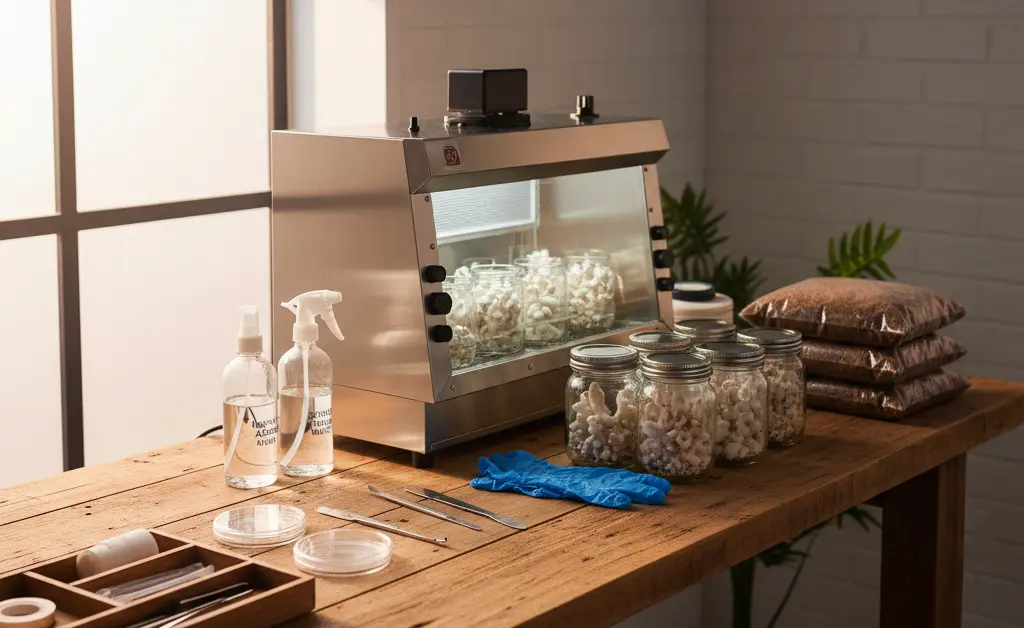
Thinking about starting your own mushroom farm or scaling up an existing operation? To successfully cultivate mushrooms, a diverse range of specialized tools and materials is essential, far beyond just the spores themselves. From the initial inoculation to the final harvest, each stage of mushroom growing requires specific equipment and carefully selected components. Understanding the various mushroom cultivation supplies available is crucial for optimizing yield, preventing contamination, and ensuring the quality of your produce. This guide delves into the indispensable items necessary for both hobbyists and commercial growers, covering everything from substrates and spawn to sterilization equipment and harvesting tools.
Types of Mushroom Cultivation Supplies
Embarking on the journey of mushroom cultivation requires a thoughtful selection of various specialized items. The breadth of mushroom cultivation supplies available today caters to different scales of operation, from small home setups to large commercial enterprises. Understanding these categories is the first step toward building an efficient and productive cultivation environment. This section introduces the fundamental types of supplies that form the backbone of any successful mushroom growing venture.
Mushroom Grow Kits
Mushroom Grow Kits offer a convenient entry point for beginners and a quick, easy option for those looking to produce smaller batches without investing in extensive individual components. These kits typically come pre-inoculated with mushroom spawn and a suitable substrate, often requiring only basic care like misting and maintaining appropriate environmental conditions. They simplify the process considerably, making mushroom growing accessible to a broader audience. While excellent for personal consumption or educational purposes, commercial operations generally move beyond kits to optimize yield and control. Many new growers find these kits a valuable way to find mushroom cultivation supplies in a consolidated package.
Types of Substrates (e.g., sawdust, straw, coco coir)
The substrate is the material on which mushrooms grow, providing essential nutrients for their development. The choice of substrate is critical and depends heavily on the specific mushroom species being cultivated. Common options include hardwood sawdust, often supplemented with bran, which is ideal for many gourmet varieties like oyster and shiitake. Straw, another popular choice, is economical and effective for species that thrive on cellulose-rich materials. Coco coir, derived from coconut husks, offers excellent water retention and aeration, making it a good component in many substrate mixes. Each substrate type has unique properties that influence moisture retention, nutrient content, and resistance to contamination.
Bulk Substrates
For commercial growers, purchasing or preparing bulk substrates is a cost-effective and scalable approach. Bulk substrates are large quantities of prepared or raw materials that growers then inoculate with spawn. This could involve large bags of sterilized or pasteurized sawdust blocks, or bales of straw. Utilizing bulk substrates allows for greater control over the substrate formulation, enabling growers to tailor mixes precisely to the needs of their target mushroom species and achieve higher yields than what small kits might offer. The preparation of these substrates, often involving hydration, mixing, and sterilization or pasteurization, is a significant part of the cultivation process.
Essential Mushroom Growing Equipment
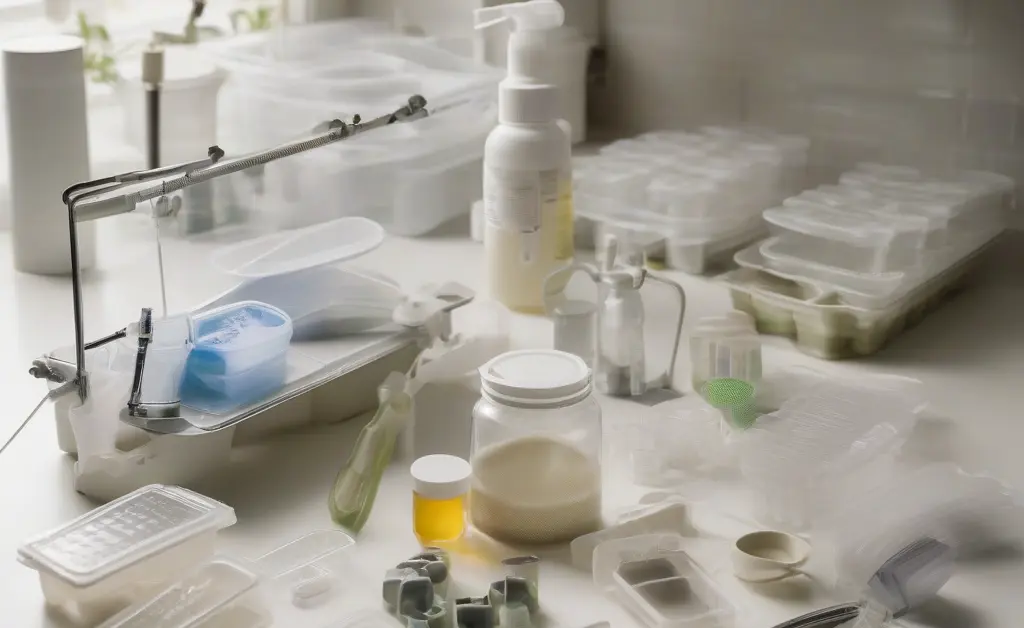
Beyond the fundamental growing medium, a successful mushroom operation, whether hobbyist or commercial, relies on specialized equipment to create and maintain optimal environmental conditions. These essential mushroom cultivation supplies ensure the perfect balance of temperature, humidity, and fresh air, all critical factors for healthy mycelial growth and abundant fruiting. Investing in reliable equipment can significantly improve consistency and yield, making it a cornerstone of efficient mushroom production.
Explore a wide range of mushroom cultivation equipment to enhance your growing setup.
Mushroom Tents and Grow Rooms
Mushroom tents and dedicated grow rooms provide a controlled environment for cultivation. These enclosed spaces allow growers to precisely manage the atmospheric conditions necessary for different stages of mushroom growth. Tents are often used by hobbyists or for small-scale operations, offering an affordable and flexible solution. Commercial growers, however, typically invest in purpose-built grow rooms that are insulated, sealed, and equipped with advanced systems to regulate climate, ensuring consistent production and preventing external contaminants.
Humidity and Temperature Control
Mushrooms require specific humidity and temperature ranges to thrive. High humidity is crucial during the fruiting phase, often maintained by humidifiers or foggers that introduce fine mist into the grow space. Precise humidity control is essential for optimal mushroom development. Many growers utilize specialized mushroom cultivation humidifiers to maintain ideal conditions. Temperature control, managed through heating, cooling, or ventilation systems, is equally vital, as different species have distinct temperature preferences for both colonization and fruiting. Precise control over these factors helps prevent desiccation, promote strong growth, and avoid premature pinning or malformed mushrooms.
Ventilation and Air Exchange Systems
Proper ventilation and air exchange are paramount to mushroom cultivation. As mushrooms grow, they respire, releasing carbon dioxide. High levels of CO2 can inhibit mushroom development, leading to elongated stems and small caps. Ventilation systems, including fans and filters, ensure a constant supply of fresh air, removing spent air and maintaining optimal CO2 levels. Air filtration is also critical to prevent airborne contaminants from entering the grow environment, safeguarding the delicate mushroom cultures.
Substrates and Nutrients for Mushroom Growth
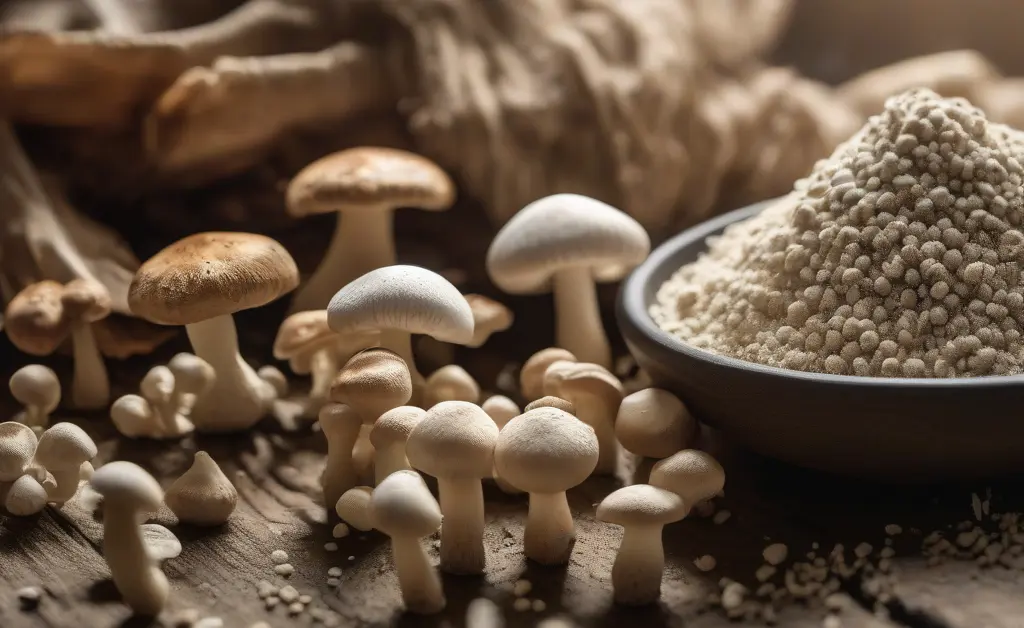
The foundation of all mushroom life cycles is a nutrient-rich substrate. Providing the right food source is paramount for robust mycelial colonization and bountiful fruiting. Understanding the specific dietary needs of your chosen mushroom species and how to prepare these materials effectively is a key aspect of successful mushroom cultivation. Many advanced mushroom cultivation supplies are designed to optimize this critical feeding stage.
Supplements and Nutrients
While basic substrates provide core nutrition, many mushroom species benefit from supplements that boost their growth and yield. Common supplements include grain-based flours (like wheat or oat bran), soy hulls, or specialized nutrient blends. These additions enhance the nutritional profile of the substrate, providing extra carbohydrates, proteins, and minerals that can lead to larger, healthier mushrooms. However, care must be taken to balance these additions, as too much supplementation can sometimes increase the risk of contamination.
Sterile vs. Pasteurised Substrates
The preparation method of a substrate is crucial for preventing competition from other fungi and bacteria. Sterilization involves heating the substrate to high temperatures (typically with an autoclave or pressure cooker) to kill all microorganisms, beneficial or otherwise. This method is often used for nutrient-rich substrates like sawdust with supplements, creating a clean slate for mushroom mycelium. Pasteurization, on the other hand, involves heating the substrate to a lower temperature for a shorter duration, which eliminates most harmful contaminants while preserving some beneficial microorganisms. This method is often preferred for less nutrient-dense substrates like straw. The choice between sterile and pasteurized substrates depends on the specific mushroom species and the composition of the substrate itself.
Mushroom Spawn and Inoculation Tools
Mushroom spawn is the living fungal culture, essentially the “seed” for your mushroom crop. It consists of mycelium (the vegetative part of the fungus) growing on a carrier material. The quality and type of spawn, along with the precision of inoculation, are critical factors that directly influence the success rate of your mushroom cultivation efforts. Having the right mushroom cultivation supplies for this stage ensures a strong start for your fungi.
Spawn (Grain, Sawdust, Plugs)
Spawn serves as the inoculum that kickstarts mycelial growth within the chosen substrate. There are several types, each suited for different applications and growing methods. Grain spawn is highly popular for its vigorous growth and ease of mixing into bulk substrates. Sawdust spawn is often used for inoculating larger substrate blocks or logs. Plugs for logs are designed for outdoor cultivation on hardwood logs, allowing mycelium to colonize the wood over time.
Grain Spawn
Grain spawn typically consists of rye, wheat, millet, or sorghum grains that have been sterilized and then inoculated with mushroom mycelium. It is widely favored for its rapid colonization capabilities and ease of handling. Grain spawn is usually mixed directly into pasteurized or sterilized bulk substrates, where the mycelium quickly spreads, consuming the nutrients and eventually leading to fruiting.
Sawdust Spawn
Sawdust spawn uses hardwood sawdust as its carrier medium, often supplemented with bran. This type of spawn is particularly effective for inoculating larger sawdust blocks or for transferring mycelium to outdoor logs. It offers a more robust and persistent inoculum for longer-term projects, especially for species that naturally grow on wood.
Plugs for Logs
Plug spawn consists of wooden dowels that have been colonized with mushroom mycelium. These plugs are specifically designed for inoculating hardwood logs for outdoor mushroom cultivation. Growers drill holes into freshly cut logs, insert the plugs, and seal them with wax to protect against contaminants. This method allows for perennial harvests from the same logs over several years.
Syringes and Culture Vials
Syringes, often filled with a liquid culture (mycelium suspended in a nutrient solution), are common tools for inoculating sterilized substrates or creating grain spawn. They allow for precise and sterile application. Culture vials typically contain agar slants or liquid cultures that serve as a clean source of mycelium, used to expand cultures or inoculate sterile grains for spawn production. These are crucial for maintaining genetic purity and avoiding contamination. Many growers use mushroom cultivation jars in conjunction with syringes for spawn preparation.
Inoculation Loops and Needles
Inoculation loops and needles are fine, sterilized tools used to transfer small amounts of mycelium or spores in a sterile environment, such as a laminar flow hood or glove box. Loops are often used to transfer mycelium from agar plates to new plates or liquid cultures, while needles are used for more precise transfers or for working with spore prints. These tools are indispensable for aseptic techniques, preventing the introduction of unwanted microorganisms during the critical inoculation phase.
Sterilization and Contamination Prevention
Contamination is the bane of mushroom cultivation. Unwanted molds, bacteria, and other fungi compete with mushroom mycelium for resources, often outgrowing and destroying the desired crop. Therefore, rigorous sterilization and aseptic techniques are among the most critical mushroom cultivation supplies and practices for successful growing. These methods ensure that your mushroom cultures have the best possible chance to thrive without competition.
Autoclaves and Pressure Cookers
Autoclaves and pressure cookers are essential for sterilizing substrates, jars, and other equipment. They use high-pressure steam to reach temperatures above boiling point, effectively killing all microorganisms, including bacterial endospores. Pressure cookers are commonly used by hobbyists for smaller batches, while commercial operations invest in industrial-sized autoclaves to sterilize large quantities of substrate efficiently. This process creates a sterile environment for the mushroom mycelium to colonize without competition.
Sterile Bags and Filters
Sterile grow bags are specially designed polypropylene bags that can withstand high temperatures during sterilization. They are equipped with microporous filters that allow for gas exchange (essential for mycelial respiration) while preventing airborne contaminants from entering. These bags are widely used for growing substrates, especially for bulk production, offering a contained and sterile environment throughout the colonization phase. Specialized mushroom cultivation bags are vital for successful substrate colonization.
Disinfectants and Sanitizers
Maintaining a clean workspace is paramount. Disinfectants and sanitizers, such as isopropyl alcohol, bleach solutions, or hydrogen peroxide, are used to sterilize work surfaces, tools, and hands. Regular cleaning and disinfection of grow areas, inoculation chambers, and storage facilities significantly reduce the risk of contamination. These simple yet effective agents are vital for upholding aseptic conditions throughout the cultivation process.
Glove Boxes and Laminar Flow Hoods
For more advanced and contamination-sensitive procedures, glove boxes and laminar flow hoods provide sterile workspaces. A glove box is an enclosed chamber with integrated gloves, allowing manipulation of sterile items without direct exposure to ambient air. A laminar flow hood, on the other hand, provides a continuous, unidirectional flow of HEPA-filtered air across a work surface, effectively pushing airborne particles away. Both tools create an aseptic environment critical for inoculating substrates, transferring cultures, and performing other sensitive tasks, greatly minimizing contamination risks.
Harvesting and Post-Harvest Supplies
After successfully cultivating mushrooms through their various growth stages, the final steps involve harvesting and properly handling the produce. The right tools and equipment for this phase are crucial for maintaining the quality, extending the shelf life, and preparing the mushrooms for market or personal consumption. These specialized mushroom cultivation supplies ensure that your hard work culminates in a premium product.
Harvesting Knives and Tools
Proper harvesting techniques are essential to maximize yield and encourage subsequent flushes. Sharp, clean harvesting knives or specialized mushroom tools are used to cut mushrooms at the base of their stems, minimizing damage to the substrate and remaining mycelium. Using dedicated tools prevents bruising and helps maintain the aesthetic appeal of the mushrooms. For certain species, a gentle twisting motion may be preferred over cutting.
Drying and Dehydrators
For preserving mushrooms, especially those intended for long-term storage or for use in dried form, dehydrators are indispensable. These devices remove moisture efficiently and uniformly, preventing spoilage and concentrating flavor. Dehydrators come in various sizes, from small home units to large commercial models, and are crucial for ensuring a high-quality, shelf-stable product. Proper drying extends the usability of your harvest significantly.
Storage Containers
Once harvested and, if necessary, dried, mushrooms require appropriate storage to maintain freshness and quality. Breathable containers, such as paper bags or baskets, are often preferred for fresh mushrooms as they allow for air circulation, preventing moisture buildup that can lead to spoilage. Dried mushrooms should be stored in airtight containers, away from light and moisture, to preserve their potency and flavor. Selecting the right storage solutions is vital for preserving the integrity of your mushroom yield.
Where to Buy Mushroom Cultivation Supplies
Finding reliable sources for mushroom cultivation supplies is a crucial step for any grower, from hobbyists to commercial enterprises. The market offers a wide array of options, both online and through specialized local retailers, each with its own advantages. Identifying reputable suppliers ensures you receive high-quality products that contribute to successful harvests.
Online retailers offer unparalleled convenience and selection. Many specialized e-commerce sites focus exclusively on mushroom growing, providing everything from spores and substrates to advanced laboratory equipment. These platforms often carry a broader range of species-specific items and bulk options that might not be available locally. When you purchase mushroom cultivation supplies online, it’s advisable to check reviews and supplier reputation. Some growers prefer to find mushroom cultivation supplies locally to save on shipping costs and to inspect products in person. This can include gardening centers, hydroponics stores, or specialized mycological shops. For those in the USA, numerous domestic suppliers cater specifically to the mushroom growing community. Exploring different categories of mushroom cultivation supplies across various vendors can help you discover top-rated mushroom cultivation supplies that fit your budget and specific cultivation needs. Whether you’re looking for basic kits or advanced sterilization equipment, a bit of research will lead you to the right source.
The world of mushroom cultivation is rich and rewarding, offering both a fascinating hobby and a viable commercial endeavor. By carefully selecting and utilizing the appropriate supplies, growers can significantly enhance their success rates, ensuring healthy mycelial growth and abundant, high-quality yields. From the foundational substrates and spawn to environmental control systems and post-harvest equipment, each component plays a vital role in nurturing these unique fungi from spore to plate. A thorough understanding of these tools and techniques is the key to unlocking the full potential of mushroom farming.
The content provided in this article is intended for informational learning, not clinical application. This guide offers general information about mushroom cultivation supplies and methods. It is not a substitute for professional advice or specific agricultural guidance. Growers should always research and adhere to local regulations, safety protocols, and best practices for their specific cultivation environment and mushroom species. Practical application of the information presented here requires careful consideration and individual responsibility. For further research on health and safety regarding cultivation, consult resources from the National Institutes of Health (NIH).
FAQ
What are the basic supplies needed for growing mushrooms?
When embarking on mushroom cultivation, having the right mushroom cultivation supplies is crucial, beginning with quality spores or spawn to initiate growth. Essential items also include a suitable substrate, which serves as the food source, and containers for colonization and fruiting. Maintaining the correct environmental conditions, such as humidity and temperature, further supports successful development.
Where can I buy mushroom growing kits?
Mushroom growing kits are widely available from various sources, making it convenient for beginners to get started. Many specialized online retailers and gardening supply websites offer a diverse selection of kits tailored to different mushroom varieties. Additionally, some local garden centers or agricultural supply stores may carry basic kits, especially during certain seasons.
What kind of substrate is best for mushroom cultivation?
The ideal substrate for mushroom cultivation varies significantly depending on the specific mushroom species you intend to grow. Substrates like hardwood sawdust, various grains, straw, or even compost and coco coir provide the necessary nutrients for fungal growth. Matching the substrate to the mushroom’s natural preference is fundamental for optimal yield and healthy development.
How do I sterilize mushroom growing supplies?
Sterilization is a critical step in mushroom cultivation, primarily performed to eliminate competing microorganisms that could contaminate your mushroom culture. Common methods involve using a pressure cooker or autoclave to apply high heat and pressure, effectively neutralizing bacteria and mold spores in your substrate and tools. This process creates a clean environment, significantly improving the chances of successful mushroom colonization.