
How Mushroom Cultivation Creates Value for People and Planet
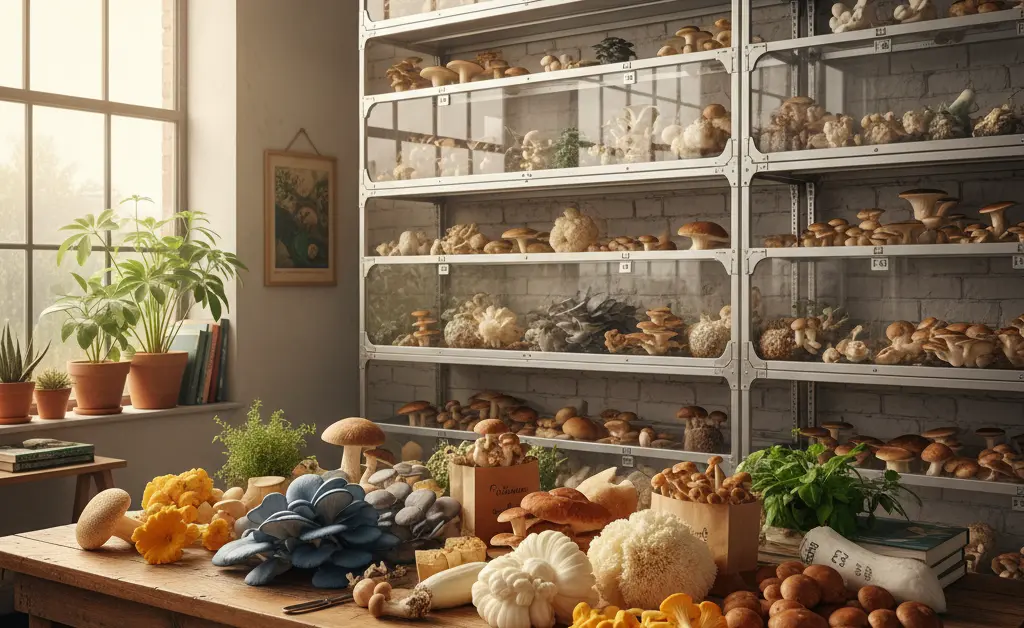
Imagine you’re preparing dinner, and you’re left with food scraps – coffee grounds, vegetable trimmings, or even some sawdust from a home project. Instead of discarding them, what if these seemingly useless materials could be transformed into something valuable, nourishing, and environmentally beneficial right in your own home or community? This practical scenario underscores a significant, often overlooked opportunity. Exploring the diverse mushroom cultivation benefits reveals how engaging with fungi cultivation can offer profound advantages, from contributing to ecological restoration and improving soil health to fostering economic empowerment and enhancing human nutrition. This article delves into the myriad ways cultivating mushrooms provides sustainable solutions for both people and the planet, detailing its widespread positive impacts across environmental, economic, health, and social sectors.
Mushroom Cultivation Benefits
Engaging in mushroom cultivation offers a remarkable array of advantages that extend across various spheres, from personal well-being to broader environmental sustainability. The diverse mushroom cultivation benefits highlight its potential as a sustainable practice. However, like any agricultural endeavor, it also presents certain challenges. Understanding both the positive and negative aspects is crucial for anyone considering this fascinating pursuit.
Mushroom cultivation benefits and disadvantages
On the positive side, the advantages of growing mushrooms are numerous. Environmentally, it provides an effective method for waste decomposition and nutrient recycling, transforming organic byproducts into valuable food. Economically, mushroom farming can be initiated with relatively low startup costs, offering a scalable path to generate income and diversify agricultural output. From a health perspective, mushrooms are known for their rich nutritional profiles and potential immune-modulating properties. Socially, it fosters local food systems and provides educational opportunities. However, potential disadvantages can include the need for specific environmental controls (temperature, humidity), the risk of contamination in growing environments, and the labor-intensive nature of some cultivation methods. Overcoming these challenges often involves acquiring proper knowledge and implementing diligent practices.
Environmental Benefits of Mushroom Cultivation
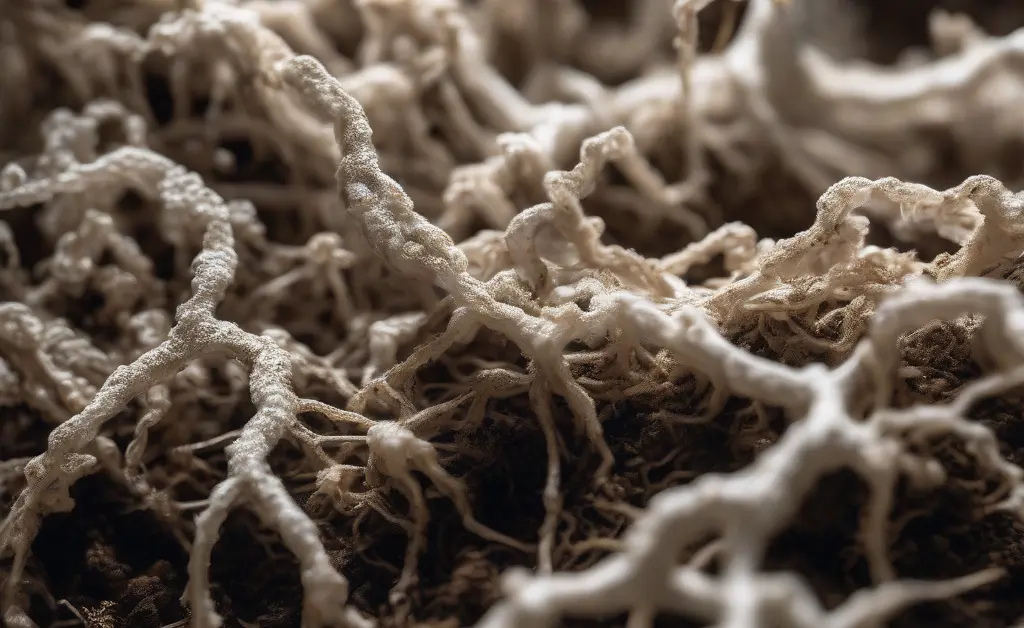
One of the most compelling aspects of mushroom cultivation benefits is its profound positive impact on the environment. Fungi play a critical role in ecosystems, and by cultivating them, humans can leverage these natural processes for ecological good, contributing to a healthier planet.
Waste Decomposition and Nutrient Cycling
Mushrooms are nature’s most efficient decomposers. Their mycelial networks can break down complex organic materials such as agricultural waste, sawdust, coffee grounds, and even some types of industrial byproducts that would otherwise contribute to landfills or produce greenhouse gases. This process not only diverts waste but also converts it into nutrient-rich biomass. The decomposition facilitated by fungi returns essential nutrients to the soil, completing natural cycles and promoting overall ecosystem health.
Soil Health Improvement
Beyond decomposition, mushroom cultivation contributes significantly to improving soil health. When spent mushroom substrate (the material left after mushrooms have been harvested) is incorporated into soil, it acts as a rich organic amendment. This adds valuable organic matter, enhances soil structure, improves water retention, and increases microbial activity. A healthier soil ecosystem supports stronger plant growth, reduces the need for synthetic fertilizers, and can even contribute to carbon sequestration, further demonstrating the extensive mushroom cultivation benefits.
Reducing Reliance on Conventional Agriculture
By transforming waste products into food, mushroom cultivation offers a path to reduce the ecological footprint associated with conventional agriculture. It requires less land and water compared to many traditional crops, and it can thrive on substrates that are often considered waste. This sustainable approach helps to alleviate pressure on natural resources, minimize agricultural runoff, and promote a more circular economy where waste is viewed as a resource rather than a problem.
Economic Advantages of Growing Mushrooms
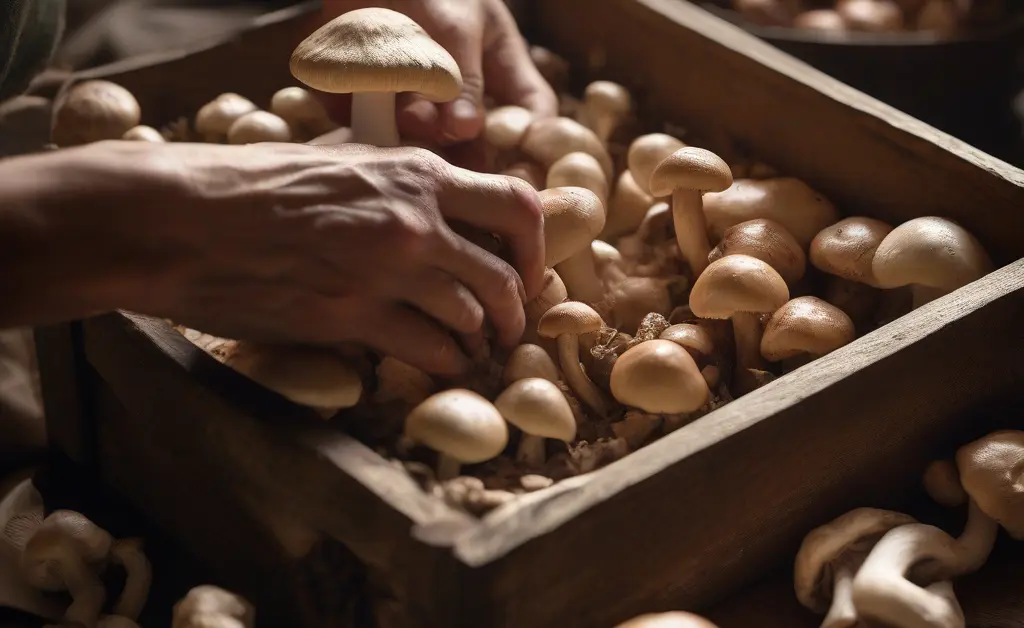
Beyond their environmental and nutritional value, the economic potential inherent in mushroom cultivation benefits makes it an attractive venture for individuals and communities alike. The relatively low barriers to entry and strong market demand contribute to its viability as a sustainable income source.
Low Startup Costs and Scalability
Compared to many other agricultural endeavors, starting a mushroom farm can require a relatively modest initial investment. Essential equipment can be acquired without breaking the bank, and cultivation can begin on a small scale, even in a spare room or garage. This low entry barrier makes it accessible to a wider range of entrepreneurs and allows for gradual expansion as expertise grows and demand increases. The scalability of mushroom cultivation benefits both small, local operations and larger commercial enterprises.
Market Demand and Profitability
The global demand for mushrooms has been steadily increasing, driven by growing consumer awareness of their health benefits and versatility in cuisine. This consistent demand ensures a robust market for cultivated mushrooms, offering promising profitability for growers. Specialty varieties, in particular, often command higher prices, providing opportunities for niche markets and premium returns. Furthermore, the quick growth cycle of many mushroom species allows for multiple harvests throughout the year, enhancing potential income streams.
Diversifying Income Streams
Mushroom cultivation can serve as an excellent way to diversify income for existing farmers, urban gardeners, or even those looking for a part-time venture. It can complement other agricultural activities, utilizing resources that might otherwise go to waste. For example, wood waste from forestry operations or straw from grain farming can become valuable substrates. This diversification not only creates new revenue opportunities but also enhances economic resilience against market fluctuations in other sectors. These mushroom cultivation benefits provide a pathway to economic stability and growth.
Nutritional and Health Benefits of Mushrooms
Mushrooms are not merely a culinary delight; they are also nutritional powerhouses that offer a wide array of health advantages. Incorporating them into the diet can contribute significantly to overall well-being, underscoring another facet of the broad mushroom cultivation benefits.
Rich Source of Vitamins and Minerals
Mushrooms are packed with essential vitamins and minerals that are vital for human health. They are notable for providing B vitamins like riboflavin, niacin, and pantothenic acid, which play roles in energy metabolism and nervous system function. Certain mushrooms can also be a good source of vitamin D, especially when exposed to UV light, which is crucial for bone health and immune support. Furthermore, they supply important minerals such as selenium, copper, and potassium, which contribute to antioxidant defense, red blood cell formation, and fluid balance.
Immune-Boosting Properties
Many varieties of mushrooms contain compounds like beta-glucans, which are complex carbohydrates known for their potential to support the immune system. These compounds may help to modulate immune responses, potentially enhancing the body’s ability to defend itself. Regular consumption of mushrooms may contribute to a more robust immune system, making them a valuable addition to a health-conscious diet.
Potential Medicinal Applications
Beyond their nutritional value, various mushroom species have been studied for their potential medicinal properties. Traditional medicine systems across the globe have long utilized certain mushrooms for a range of health purposes. Research continues to explore their potential in areas such as antioxidant activity, anti-inflammatory effects, and their capacity to support cellular health. Further scientific studies and health information can be found on authoritative platforms like the NLM. While more research is always ongoing, the historical and contemporary interest in their medicinal compounds highlights the significant health-related mushroom cultivation benefits.
Community and Social Benefits of Mushroom Cultivation

The practice of cultivating mushrooms extends its positive influence far beyond individual health and environmental stewardship, weaving into the fabric of communities and fostering social well-being. The community and social mushroom cultivation benefits are substantial, promoting local resilience and educational growth.
What are the benefits of mushroom farming in communities?
Mushroom farming can significantly uplift communities by creating local job opportunities, fostering entrepreneurship, and strengthening food systems. It provides a means for economic development, particularly in areas with limited agricultural land or resources. Community-based mushroom projects can empower individuals with new skills, leading to increased self-sufficiency and communal pride. These initiatives often become focal points for local exchange and collaboration, enhancing social cohesion.
Contribution of mushroom farming to mitigating food scarcity
In regions facing food scarcity, mushroom cultivation offers a sustainable and efficient solution for producing nutritious food. Mushrooms can be grown in diverse environments, often utilizing agricultural byproducts, which means they do not compete for prime agricultural land. Their relatively quick growth cycle allows for frequent harvests, providing a consistent source of protein, vitamins, and minerals that can supplement diets and improve food security in vulnerable populations. For instance, mushroom protein is a vital nutritional component that can help address dietary deficiencies. This direct contribution to food supply is a key aspect of the mushroom cultivation benefits for global challenges.
Local Food Systems and Food Security
By enabling local food production, mushroom cultivation strengthens community food systems. It reduces reliance on long supply chains, which can be vulnerable to disruptions, and ensures a fresher, more accessible food source for local residents. This localization enhances food security, giving communities greater control over their food supply and fostering a more resilient and sustainable local economy. It also encourages direct consumer-producer relationships, building trust and supporting local livelihoods.
Educational Opportunities
Mushroom cultivation is an accessible and engaging field that provides rich educational opportunities for people of all ages. From teaching sustainable agricultural practices to demonstrating complex biological processes, it offers hands-on learning experiences. Workshops and community programs can educate individuals on topics such as waste management, sterile techniques, and the biology of fungi, fostering a deeper understanding of nature and sustainable living. These educational aspects are among the most profound mushroom cultivation benefits, empowering individuals with practical skills and knowledge.
Sustainable Livelihoods
Establishing a mushroom farm can provide a sustainable livelihood, offering employment and entrepreneurial avenues that are environmentally conscious. For individuals seeking alternative forms of income or those in rural areas, mushroom farming can be a viable and fulfilling career path. It promotes self-reliance and contributes to local economic stability, fostering a cycle of sustainable development within communities. The ability to create value from waste materials further reinforces the sustainability of these livelihoods.
The multifaceted advantages of mushroom cultivation are evident across environmental, economic, health, and social dimensions. From transforming organic waste into valuable resources and enriching soil, to providing nutritional benefits, boosting immune health, and offering potential medicinal applications, mushrooms contribute significantly to human well-being. Economically, their low startup costs and strong market demand create accessible pathways for income generation and diversification. On a community level, mushroom farming fosters local food systems, addresses food scarcity, and provides valuable educational and sustainable livelihood opportunities. Embracing mushroom cultivation represents a powerful step towards building more sustainable, resilient, and healthy communities for the future.
This information should be viewed as educational rather than medical advice. It is not intended to diagnose, treat, cure, or prevent any disease or health condition. Always consult with a qualified healthcare professional before making any decisions related to your health or starting any new dietary or wellness regimen. Individual results may vary, and the information provided should not be considered a substitute for professional medical guidance.
FAQ
What are the main benefits of growing mushrooms?
Growing mushrooms offers a sustainable way to produce nutritious food with a minimal environmental footprint. This process can transform organic waste into valuable biomass, highlighting the diverse mushroom cultivation benefits. Furthermore, it provides an opportunity for self-sufficiency and access to fresh, high-quality produce.
How does mushroom cultivation help the environment?
Mushroom cultivation actively contributes to environmental health by repurposing agricultural byproducts and other organic waste streams. This process diverts materials from landfills, reducing methane emissions and creating valuable compost. It also requires significantly less water and land compared to many traditional agriculture methods.
Can you make money growing mushrooms?
Yes, it is possible to generate income through mushroom cultivation, catering to various markets including restaurants, farmers’ markets, and specialty food stores. The profitability depends on factors such as scale, efficiency, and market demand for specific mushroom varieties. Some individuals also explore value-added products like mushroom powders or tinctures.
What are the health benefits of eating cultivated mushrooms?
Cultivated mushrooms are a good source of essential nutrients, including B vitamins, selenium, and potassium. They contain various bioactive compounds that have been studied for their potential to support immune function and overall well-being. Incorporating them into a balanced diet contributes to a nutrient-rich eating pattern.
Is mushroom cultivation easy to start?
Starting mushroom cultivation can range in complexity, with some methods being relatively simple for beginners. Kits are available that allow individuals to grow mushrooms at home with minimal equipment and expertise. As one gains experience, more advanced techniques and larger-scale operations can be explored.