
From Spore to Sale: Building Your Mushroom Business
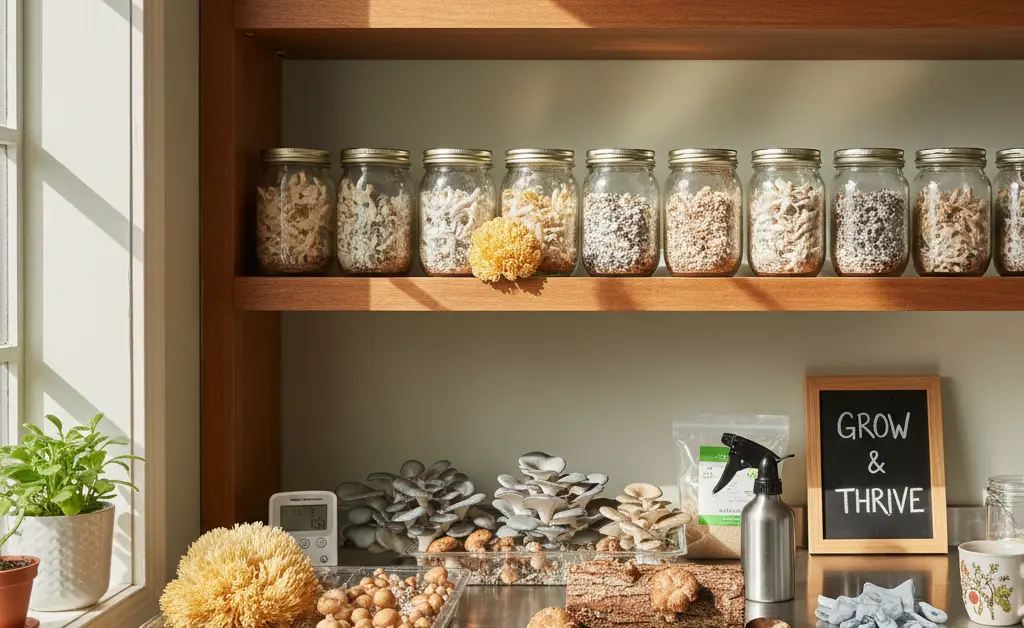
Many people are discovering the significant potential within specialized agriculture, and among these, the mushroom cultivation business stands out as a particularly promising venture. It offers a unique opportunity for entrepreneurs to tap into a growing market for fresh, gourmet, and medicinal fungi, appealing to health-conscious consumers and culinary enthusiasts alike. This comprehensive guide will explore the essential steps involved in establishing and growing a successful mushroom enterprise, from understanding the foundational aspects of cultivation to navigating market strategies and scaling operations. We’ll delve into crucial areas such as business planning, cost considerations, sourcing quality materials, and implementing best practices to ensure a thriving operation. Whether you are considering a small-scale, hobby-based venture or aiming for larger commercial production, this guide provides the insights needed to cultivate success.
Understanding the Mushroom Cultivation Business Landscape
The mushroom cultivation business is experiencing significant growth, driven by increasing consumer demand for healthy, sustainable, and locally sourced food. This landscape offers diverse opportunities, from cultivating gourmet varieties like oysters and shiitake to specialty and potentially medicinal mushrooms such as lion’s mane and reishi. A thriving mushroom cultivation business can cater to various markets, including high-end restaurants, health food stores, farmers’ markets, and direct-to-consumer sales, making it a versatile agricultural pursuit.
Potential Revenue Streams
A well-planned mushroom enterprise can generate income from multiple avenues. The most straightforward is the sale of fresh, edible mushrooms. Beyond fresh produce, cultivators can diversify by offering dried mushrooms, which have a longer shelf life and are popular in culinary and health-focused markets. Some businesses also explore value-added products like mushroom powders, extracts, and tinctures, though these require careful consideration of regulations and consumer needs. Additionally, selling mushroom growing kits, spawn, or substrates to hobbyists, or providing educational workshops, can create supplementary income streams. Ultimately, the goal is to conduct mushroom cultivation for profit through these diverse revenue streams.
Future Trends and Innovations
The future of the mushroom cultivation business is shaped by several exciting trends. Sustainable practices are becoming paramount, with a focus on utilizing agricultural waste as substrate and minimizing environmental impact. Innovations in controlled environment agriculture, such as vertical farms and automated systems, are enhancing efficiency and yield. There is also a growing interest in new and exotic mushroom varieties, as well as continued research into the health-supporting properties of various fungi. For authoritative information on health and medical research, the National Library of Medicine is a valuable resource. Traceability, organic certification, and local sourcing remain key consumer priorities that successful businesses will integrate into their models.
Mushroom Cultivation Business Plan

Developing a robust mushroom cultivation business plan is the foundational step for any aspiring entrepreneur. This comprehensive document serves as a roadmap, detailing every aspect of the venture from initial setup to long-term growth. A well-crafted plan helps clarify objectives, identify potential challenges, and outline strategies for success, making it indispensable for securing funding and guiding operational decisions. It also provides a clear framework for measuring progress and adapting to market changes.
Business Planning and Legalities
Effective business planning involves making critical decisions about your business structure, such as whether to operate as a sole proprietorship, partnership, or limited liability company (LLC). Navigating the legal landscape requires understanding and complying with local, state, and federal regulations, which may include obtaining specific permits, licenses for food production, and zoning approvals for your cultivation site. Additionally, securing appropriate business insurance is crucial to protect against unforeseen events, while meticulous record-keeping is vital for financial management and regulatory compliance.
Mushroom Cultivation Business Cost
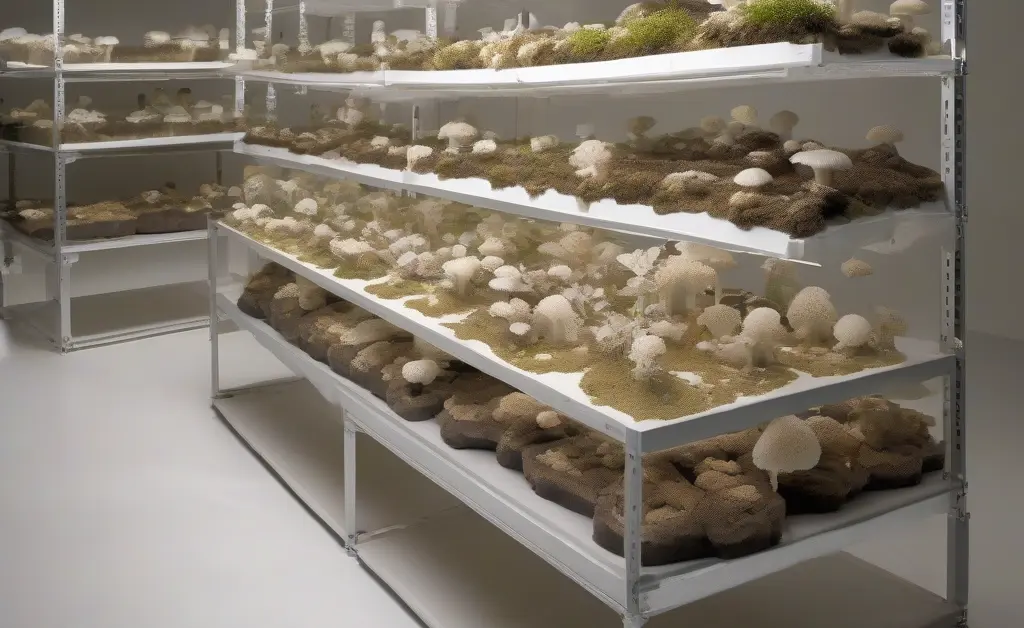
Understanding the financial aspects of a mushroom cultivation business is essential for successful planning and operation. Initial startup costs can vary widely depending on the scale and chosen cultivation method. These costs typically include expenses for facility setup (e.g., grow rooms, sterilization areas), essential equipment (e.g., sterilizers, humidifiers, shelving), and initial supplies like spawn, substrate materials, and packaging. Beyond the initial investment, ongoing operating costs will encompass utilities, labor, continuous supply replenishment, and marketing efforts. Careful financial projections are necessary to assess profitability and ensure sustained growth for your mushroom cultivation business. Understanding the complete picture of mushroom cultivation cost and profit is vital for long-term viability.
Getting Started in Mushroom Cultivation Business
Embarking on a mushroom cultivation business requires a methodical approach, starting with fundamental cultivation practices. Success hinges on a deep understanding of mycological principles and meticulous attention to detail in every step of the process. From selecting the right varieties to maintaining optimal growing conditions, each element plays a critical role in producing high-quality yields. A strong start in the mushroom cultivation business lays the groundwork for efficient operations and healthy, productive harvests.
Sourcing Quality Spawn and Substrates
The foundation of a successful mushroom farm lies in sourcing high-quality spawn and appropriate substrates. Spawn, which is essentially the mushroom mycelium grown on a sterile grain, sawdust, or other material, determines the genetic quality and vigor of your crop. It’s crucial to purchase from reputable suppliers who guarantee sterility and species authenticity. Substrates are the nutrient-rich materials on which mushrooms grow, with common choices including hardwood sawdust, straw, coco coir, and even recycled coffee grounds. The chosen substrate must be carefully prepared, often through sterilization or pasteurization, to eliminate competing microorganisms.
Cultivation Techniques and Best Practices
Various cultivation techniques exist, each suited to different mushroom species and scales of operation. Common methods include growing in bags or blocks, using inoculated logs, or employing controlled indoor systems. Regardless of the chosen technique, aseptic practices are paramount to prevent contamination. Consistency in temperature, humidity, and airflow management, alongside strict hygiene protocols, are best practices that significantly contribute to higher yields and healthier mushrooms.
Controlling Environmental Factors (Temperature, Humidity, CO2)
Mushrooms are highly sensitive to their environment. Each species has specific requirements for temperature, humidity, and carbon dioxide (CO2) levels throughout its life cycle, from colonization to fruiting. Maintaining precise control over these factors is critical for optimal growth and yield. This often involves using specialized equipment like environmental controllers, humidifiers, and ventilation systems to create the ideal microclimate for your chosen varieties.
Hygiene and Contamination Prevention
Contamination is one of the biggest challenges in mushroom cultivation. Microorganisms like bacteria, molds, and other fungi can outcompete mushroom mycelium, leading to crop failure. Strict hygiene protocols, including sterilizing or pasteurizing substrates, sanitizing all equipment and workspaces, and practicing good personal hygiene, are non-negotiable. Air filtration systems and creating positive pressure in grow rooms can also help prevent airborne contaminants from entering cultivation areas.
Yield Optimization and Harvesting
Optimizing yield involves understanding the growth cycles of your mushroom species and implementing strategies to maximize production. This includes ensuring proper nutrition, environmental control, and managing “flushes” – the multiple harvests that can be obtained from a single substrate block. Harvesting at the right time is crucial for quality and shelf life; mushrooms should be picked when they are mature but before they release spores. Proper post-harvest handling, including rapid cooling and careful packaging, also contributes to maintaining freshness and market value.
Key Considerations for Mushroom Business Success
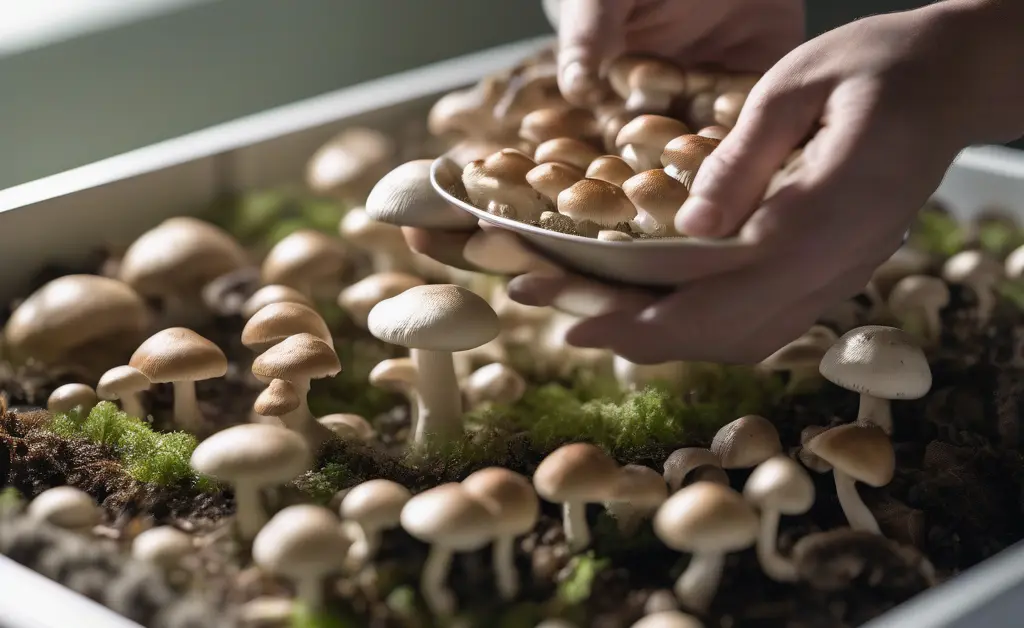
Achieving success in the mushroom business demands more than just cultivation skills; it requires strategic planning and adaptability. Thorough market research is essential to identify specific niches, whether it’s gourmet varieties for fine dining, functional mushrooms for health-conscious consumers, or specialty strains for local markets. Maintaining rigorous quality control standards from spore to sale ensures product excellence and builds customer trust. Furthermore, cultivating strong relationships with buyers, constantly adapting to market demands, and proactively addressing operational challenges are vital for long-term viability and growth.
Marketing and Selling Your Mushrooms
Once you’ve successfully cultivated your mushrooms, effective marketing and sales strategies are paramount to reach consumers and generate revenue. Developing a clear plan for how to present your product and where to sell it is as important as the cultivation itself. This involves understanding your customer base, setting competitive prices, and utilizing appropriate channels to bring your fresh produce to market.
Identifying Your Target Market
Understanding who your customers are is the first step in effective marketing. Are you aiming for high-end restaurants and chefs looking for exotic gourmet mushrooms? Or perhaps health food stores and wellness centers interested in medicinal varieties? Local farmers’ markets might appeal to health-conscious consumers seeking fresh, organic produce. Identifying your specific target market will inform your product selection, branding, and distribution efforts.
Pricing Strategies
Pricing your mushrooms correctly is crucial for profitability and market competitiveness. Consider your production costs, including labor, materials, and overhead, when calculating a baseline. Research competitor pricing for similar varieties in your area to ensure your prices are attractive yet sustainable. You might adopt a cost-plus strategy, value-based pricing (especially for unique or high-demand varieties), or competitive pricing. Differentiate between wholesale pricing for bulk buyers and retail pricing for direct sales.
Distribution Channels (Farmers Markets, Restaurants, Online)
Diverse distribution channels can help maximize your reach. Farmers’ markets offer direct interaction with consumers, allowing you to tell your story and build brand loyalty. Selling to local restaurants and chefs can provide consistent, larger orders and establish your reputation within the culinary community. Setting up an online store or partnering with local food delivery services can broaden your customer base, offering convenience for busy consumers. Each channel requires different logistical considerations, from packaging and delivery to payment processing.
Building a Brand and Online Presence
In today’s market, a strong brand identity and an effective online presence are vital. Develop a compelling brand story that highlights your unique selling propositions, such as sustainable practices, organic certification, or the specific health benefits of your mushrooms. Create an appealing logo and packaging that stands out. A distinctive mushroom cultivation logo helps in building a strong brand identity and market recognition. Establish a professional website showcasing your products and cultivation methods, and actively engage with your audience on social media platforms. High-quality visuals and consistent messaging can significantly enhance brand recognition and trust.
Scaling Your Mushroom Cultivation Business
As your mushroom cultivation business gains traction, scaling operations becomes the next logical step toward greater profitability and market share. This process involves careful planning and strategic investments to increase production without compromising quality. Efficient growth management ensures that increased demand can be met consistently, allowing your business to thrive and expand its offerings.
Expanding Production Capacity
Scaling up often means expanding your physical infrastructure. This could involve acquiring larger grow rooms, implementing automated environmental control systems, or optimizing workflow efficiency within existing spaces. Investing in more advanced equipment for substrate preparation, sterilization, or harvesting can significantly boost output per square foot. Careful planning is needed to ensure that increased production capacity is matched by a corresponding increase in demand and distribution capabilities.
Diversifying Product Offerings
To further grow your business, consider diversifying your product range. This might involve cultivating new, high-demand mushroom varieties that complement your existing offerings. Beyond fresh mushrooms, you could explore value-added products such as dried mushrooms, mushroom powders, or even mushroom-infused culinary items. Another popular option is creating ready-to-grow mushroom kits, appealing to hobbyist growers and expanding your brand’s reach into educational or DIY markets.
Managing Growth and Operations
Effective management becomes increasingly important as your business scales. This includes streamlining operational processes, such as substrate preparation, inoculation, incubation, and harvesting, to maintain efficiency and consistency. Hiring and training additional staff will be crucial, requiring robust human resources strategies. Robust financial management systems are essential to track expanding revenues and costs, ensuring profitability. Maintaining stringent quality control across all expanded operations is key to preserving your brand’s reputation and customer loyalty.
The journey of building a mushroom cultivation business is a dynamic and rewarding one, offering entrepreneurs a unique pathway into the agricultural sector. From the meticulous science of cultivating various fungi to the strategic nuances of market penetration and brand building, each stage presents distinct challenges and opportunities. Success in this venture hinges on a blend of scientific understanding, business acumen, adaptability, and a commitment to quality. By embracing continuous learning, staying attuned to consumer trends, and diligently managing operations, aspiring cultivators can transform a small spore into a flourishing enterprise, contributing to a sustainable and healthy food system.
This article aims to inform, not to replace professional healthcare advice. The information provided about various mushrooms, including those traditionally associated with health benefits, is for general knowledge and educational purposes only. It is not intended to diagnose, treat, cure, or prevent any disease. Individuals seeking to use mushrooms for health-related purposes should always consult with a qualified healthcare professional or physician before making any decisions about their health or treatment.
FAQ
What are the startup costs for a mushroom cultivation business?
Startup costs for a mushroom cultivation business can vary significantly based on scale and methods. Initial investments may include substrate materials, specialized growing equipment, and a suitable cultivation space. Larger operations often require more substantial capital for climate control systems and processing equipment.
Is a mushroom business profitable?
A mushroom business can be profitable due to consistent demand and relatively short grow cycles for many species. Success often depends on efficient production, effective marketing, and identifying a niche market. Factors such as waste reduction and value-added products can further enhance profitability.
What are the most profitable mushrooms to grow commercially?
Certain mushroom varieties are known for their higher market value and faster growth rates, making them attractive for commercial cultivation. Specialty mushrooms like lion’s mane and maitake often command premium prices. However, the profitability of any mushroom is also tied to local market demand and production efficiency.
What licenses are needed for a mushroom business?
The licenses required for a mushroom business typically involve local business permits and potentially food handling certifications. Depending on your location and how you plan to sell, agricultural permits or zoning clearances might also be necessary. It is essential to research specific state and local regulations.
How do I find buyers for my cultivated mushrooms?
Finding buyers for cultivated mushrooms can be achieved through various channels, including local farmers’ markets, restaurants, and specialty grocery stores. Building direct relationships with chefs and retailers is a common strategy. Online sales platforms and subscription box services also offer additional avenues for reaching consumers.