
A Guide to Proper Mushroom Harvesting and Storage
Successfully growing mushrooms involves more than just ideal growing conditions; the transition from fungal block to edible product is equally vital. Have you ever considered the precise timing and techniques that maximize yield and quality in fungal production? This guide delves into the essential practices surrounding mushroom cultivation harvesting, offering insights into how to identify the optimal moment for collection and the best methods to employ. Understanding these steps is crucial for both amateur growers and commercial operations aiming to achieve consistent, high-quality results. We will explore the nuances of preventing spore release, proper post-harvest handling, and effective storage strategies to ensure your cultivated mushrooms maintain their freshness and flavor.
Mushroom Cultivation Harvesting
The culmination of weeks or months of effort in mushroom cultivation is the harvest. This critical phase dictates not only the quantity but also the quality and marketability of your mushrooms. Successful mushroom cultivation harvesting requires keen observation and precise timing, as the optimal moment for picking can vary significantly between species and even within different flushes of the same species. Mastering this stage can help ensure your hard work yields a bountiful and high-quality product, ready for consumption or sale.
When to Harvest Mushrooms
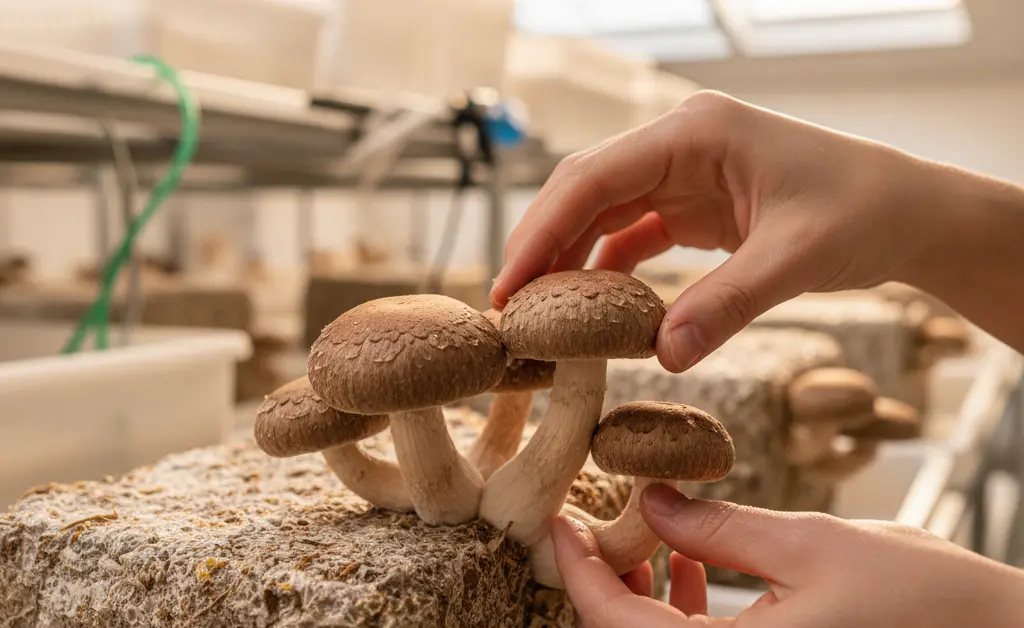
Determining the ideal time to harvest mushrooms is crucial for achieving peak flavor, texture, and shelf life. For many species, the primary indicator is the development of the cap and gills. For example, oyster mushrooms are often ready when the caps begin to flatten but before they start to curl upwards significantly. Shiitake mushrooms are typically harvested when their caps are mostly open, but the edges are still slightly inward-curled. The veil, a thin membrane connecting the cap to the stem, is another key cue for species like button or portobello mushrooms. Harvesting is generally recommended just as the veil begins to break or shortly thereafter, which signals the mushroom has reached a good size but has not yet fully matured and released spores.
Methods of Mushroom Harvesting
There are several common methods for mushroom cultivation harvesting, each with its own advantages and considerations, particularly concerning the health of the mycelial block and subsequent flushes. One prevalent method is twisting and pulling. This involves grasping the mushroom at the base of the stem and gently twisting it until it detaches from the substrate. This method is often favored for species that grow in clusters, as it minimizes damage to adjacent mushrooms and the mycelium. Another technique is cutting, where a sharp, clean knife is used to sever the stem close to the substrate surface. This method is especially useful for delicate mushrooms or those with thick, woody stems. Regardless of the method, it’s important to be gentle to avoid damaging the underlying mycelium, which is essential for future yields.
Preventing Spore Release During Harvest
Preventing excessive spore release during mushroom cultivation harvesting is an important consideration for several reasons. Large amounts of spores can create a fine, dust-like coating on surfaces, potentially impacting air quality, and can also signal that mushrooms are past their prime for optimal texture and flavor. To minimize spore drop, it’s generally recommended to harvest mushrooms before their caps fully flatten and release a significant number of spores. Harvesting just as the veil breaks is often the ideal window. Some growers also use methods like harvesting into a bag or container directly to contain any falling spores. Maintaining appropriate humidity levels during the fruiting cycle can also influence spore release patterns.
Harvesting Your Cultivated Mushrooms
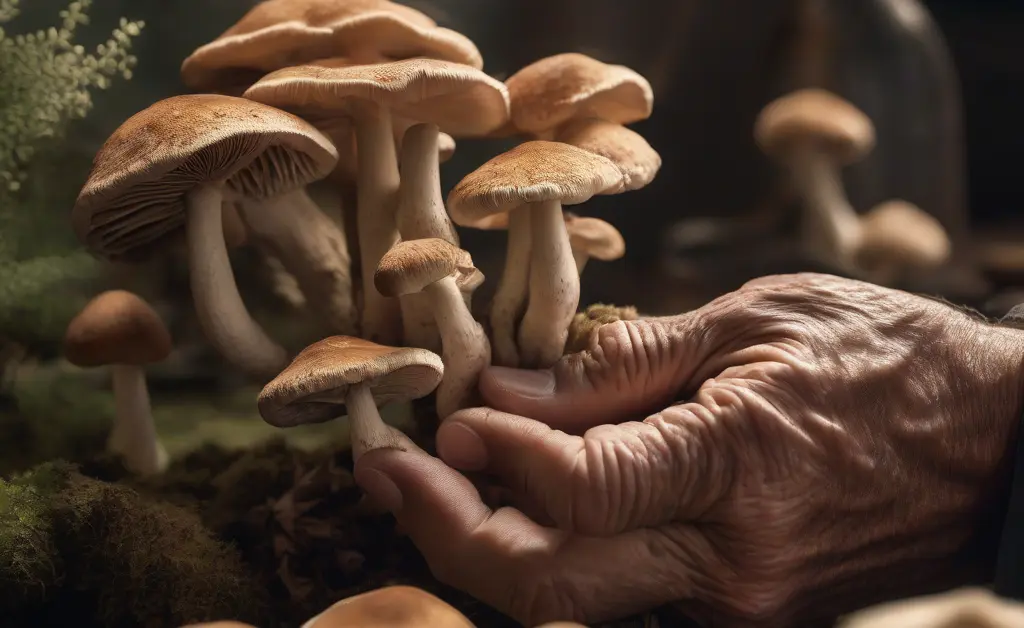
The act of harvesting your cultivated mushrooms is a delicate yet rewarding process that directly influences the quality of your yield. This stage of mushroom cultivation harvesting requires careful attention to the individual mushroom’s development and the integrity of the growing medium. Precision during this step can help ensure a higher quality product and often encourages stronger subsequent flushes from the same substrate. Always use clean hands or gloves and sterilized tools to prevent contamination.
Harvesting Too Early or Too Late
The timing of mushroom cultivation harvesting significantly impacts the final product. Harvesting too early often results in smaller mushrooms with underdeveloped flavors and textures. While still edible, they may not offer the full sensory experience that a mature mushroom provides, and the overall yield weight will be lower. Conversely, harvesting too late can lead to several undesirable outcomes. Over-mature mushrooms may have a tougher texture, a diminished flavor profile, and a shorter shelf life due to rapid decay. They are also more likely to have released a substantial amount of spores, which can create a mess and may sometimes affect the flavor or texture of the mushroom itself. Finding the sweet spot for each species is key to maximizing quality and yield. Understanding the typical mushroom cultivation duration can help growers prepare for the optimal harvest window.
Post-Harvest Handling and Storage
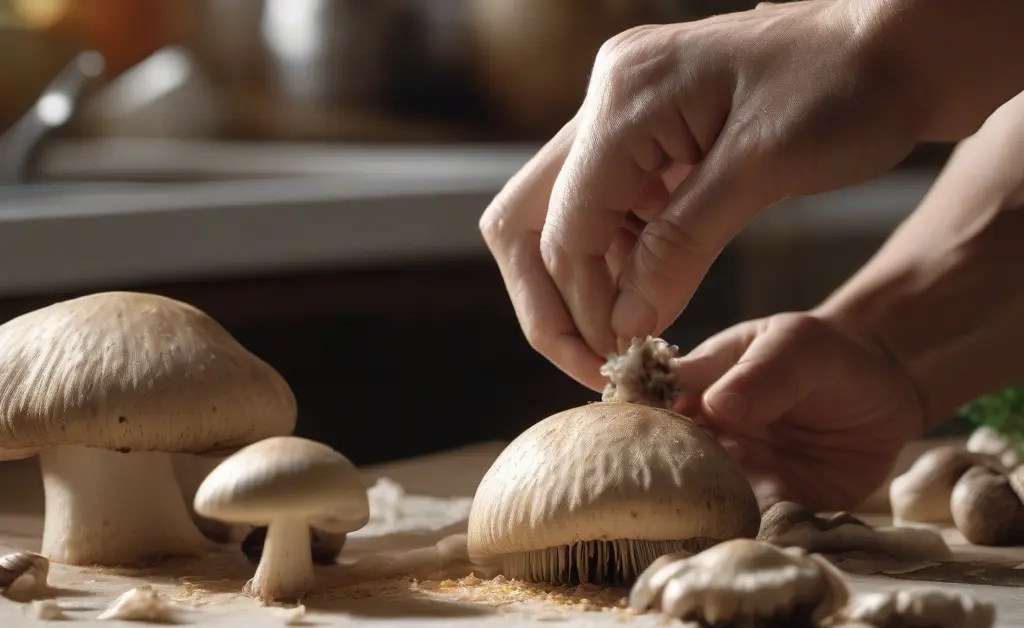
After successful mushroom cultivation harvesting, proper post-harvest handling is essential to maintain freshness and extend shelf life. Immediately after picking, carefully clean the mushrooms by gently brushing off any substrate particles or debris. Avoid washing them under running water unless absolutely necessary, as mushrooms absorb moisture readily, which can accelerate spoilage. If cleaning is required, a quick wipe with a damp cloth or a soft brush is usually sufficient. Trimming the very end of the stem can also help remove any substrate residue and provide a clean cut. For storage, mushrooms thrive in cool, slightly humid, and breathable environments. Placing them in a paper bag in the refrigerator allows for air circulation while preventing them from drying out too quickly or becoming overly moist, which can lead to sliminess. Avoid storing them in airtight plastic containers, as this traps moisture and speeds up spoilage. Proper storage techniques are crucial for preserving the delicate texture and earthy flavor of your cultivated harvest. Understanding these techniques can contribute to a better overall mushroom cultivation yield.
Common Challenges and Solutions in Mushroom Cultivation and Harvesting
Mushroom cultivation harvesting, like any agricultural endeavor, comes with its own set of challenges. One common issue is contamination, which can manifest as molds or bacteria competing with the mushroom mycelium. Good sterile practices during substrate preparation, inoculation, and maintaining a clean growing environment are the primary defenses. Pest control, particularly against fungus gnats or mites, often involves environmental management, such as maintaining appropriate humidity and air flow, and sometimes physical barriers. Another challenge can be maintaining optimal humidity and temperature throughout the fruiting cycle, as fluctuations can impact yield and mushroom quality. Using humidifiers, automated ventilation, and consistent monitoring can help regulate these conditions. Sometimes, mushrooms mature too quickly; this can be due to high temperatures or overly aggressive air exchange. Adjusting environmental controls to slow down growth can help achieve a more desirable size and texture. Addressing these issues proactively is integral to successful mushroom cultivation harvesting and ensuring a consistent, healthy crop.
Achieving successful mushroom cultivation, from inoculation to harvest, is a rewarding endeavor that combines scientific understanding with careful practice. By focusing on the details of timing, technique, and environmental control during the harvesting phase, growers can significantly enhance the quality and yield of their cultivated mushrooms. The journey from spore to plate is intricate, but with attention to these critical steps, the result is a fresh, flavorful, and bountiful harvest. For more information on fungal health and research, consult resources from NLM.
This article is meant for general informational use and awareness. It is not intended to provide specific cultivation instructions, nor does it constitute expert advice on agricultural practices. Individual results may vary based on specific conditions, chosen species, and techniques employed. Always conduct thorough research and consider consulting with experienced growers for detailed guidance relevant to your particular situation.
FAQ
When is the best time to harvest cultivated mushrooms?
The optimal time to harvest cultivated mushrooms is typically when their caps have fully opened but before they start to flatten out or release a significant amount of spores. For many species, this means the veil, a membrane connecting the cap to the stem, has just broken. Harvesting at this stage ensures the best texture and flavor, and prevents the mushroom from becoming tough or losing quality.
What are the different methods for harvesting mushrooms?
Common methods for harvesting mushrooms involve either twisting and pulling the mushroom gently from its base or using a sharp, clean knife to cut the stem just above the substrate. The choice of method often depends on the mushroom species and the substrate it’s growing on, aiming to minimize damage to the growing medium for potential subsequent flushes. Some growers prefer cutting to leave the mycelial mat undisturbed, while others find twisting more efficient for certain varieties.
How can I prevent spore buildup during mushroom harvesting?
To prevent excessive spore buildup during mushroom cultivation harvesting, it is crucial to pick the mushrooms just as their caps begin to open and before the veil fully breaks, which is the stage when spores are most actively released. Harvesting frequently and promptly, even slightly earlier than peak maturity, helps significantly reduce the release of dark spores that can coat surfaces and affect subsequent growth or air quality. Ensuring good air circulation in the growing area also aids in dispersing any airborne spores, further minimizing their accumulation.
How do I properly store harvested mushrooms?
To properly store harvested mushrooms and maintain their freshness, it is generally recommended to place them in a breathable container, such as a paper bag, in the refrigerator. This method allows for some air circulation while preventing them from drying out too quickly or becoming soggy due to trapped moisture. Avoid storing mushrooms in sealed plastic bags, as this can trap humidity and accelerate spoilage, limiting their shelf life.