
A Journey Through the History of Mushroom Cultivation
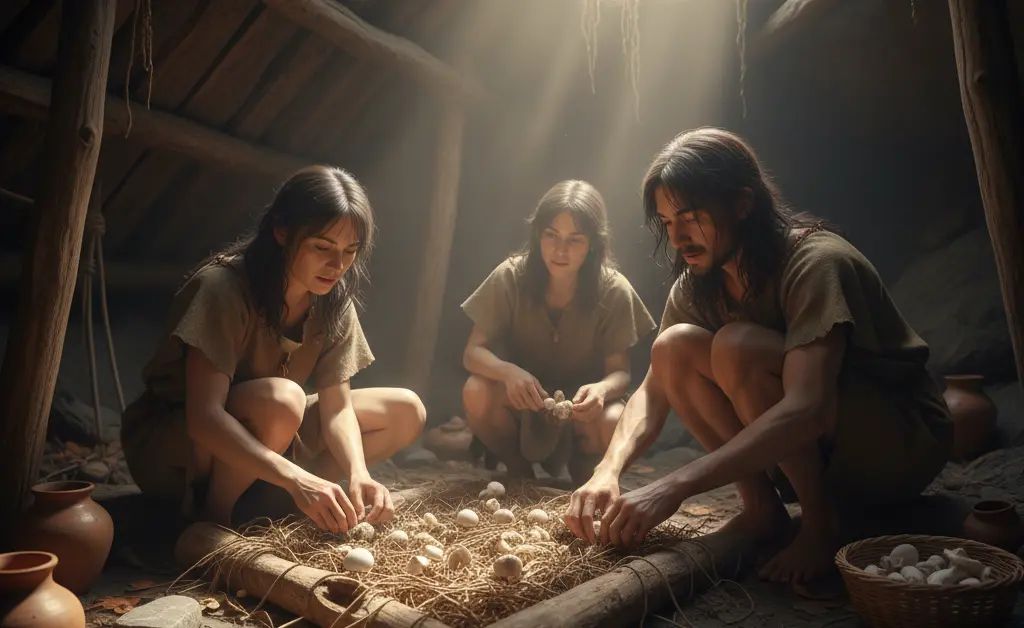
There’s a subtle wonder in contemplating the journey of something as seemingly simple as a mushroom, from its hidden life in the wild to becoming a staple on our tables. This transition wasn’t accidental; it’s a testament to enduring human curiosity and ingenuity, driven by the desire to harness nature’s bounty. Delving into the mushroom cultivation history unveils a fascinating narrative of innovation, revealing how ancient civilizations first learned to coax these mysterious organisms to grow. It’s a comforting thought to realize that for millennia, humans have sought to understand and control their food sources, transforming foraging into a deliberate agricultural art. This rich tapestry of discovery reflects our continuous adaptation and persistent quest for sustenance, offering insights into both ancient wisdom and modern advancements.
The Ancient Origins of Mushroom Cultivation
The story of mushroom cultivation history begins long before written records, rooted in humanity’s early interactions with the natural world. Foraging for edible fungi was a necessity, but the desire to ensure a consistent supply likely spurred the very first attempts at cultivation. These initial efforts, though rudimentary by modern standards, laid the groundwork for sophisticated techniques that would emerge over millennia.
Discovery of Edible Fungi
Early humans, through trial and error, learned to distinguish between edible and poisonous mushroom varieties. This discovery was crucial for survival and became embedded in traditional knowledge passed down through generations. Ancient civilizations revered certain fungi, not only for their nutritional value but also for perceived medicinal or spiritual properties. The sheer abundance and diverse forms of mushrooms made them an intriguing food source, prompting an enduring curiosity about their life cycle and how they might be propagated.
Initial Attempts at Cultivation
The earliest forms of mushroom farming were likely accidental or opportunistic. People might have noticed mushrooms growing near decaying wood or straw, then intentionally placed similar materials near their settlements. For instance, logs inoculated with naturally occurring spores could have been moved to shaded, moist areas, encouraging further growth. These informal practices, based on observation and mimicry of natural conditions, represent the primitive beginnings of controlled mushroom cultivation.
Chinese Cultivation: The First Recorded Instance
The most widely recognized and extensively documented ancient mushroom cultivation history originates in China. Historical texts indicate that the Chinese were cultivating certain types of mushrooms, such as shiitake, over a thousand years ago. Farmers would inoculate logs with spores, often by drilling holes or making incisions, and then carefully manage environmental conditions like humidity and temperature in shaded forests. This systematic approach marked a significant leap from simple foraging to deliberate agricultural practice, demonstrating a sophisticated understanding of fungal biology even without modern scientific tools.
Cultivation in Other Ancient Civilizations
While Chinese methods are well-documented, evidence suggests that other ancient cultures also engaged in various forms of mushroom cultivation. Indigenous communities in Central and South America, for example, traditionally used certain fungi and likely had methods to encourage their growth, often integrating them into their agroforestry systems. Similarly, European cultures may have had localized practices, though these were often more informal and less extensively recorded than the advancements made in Asia. The knowledge of growing fungi was often intertwined with local ecological understanding and traditional foodways.
The Evolution of Mushroom Cultivation Through the Ages
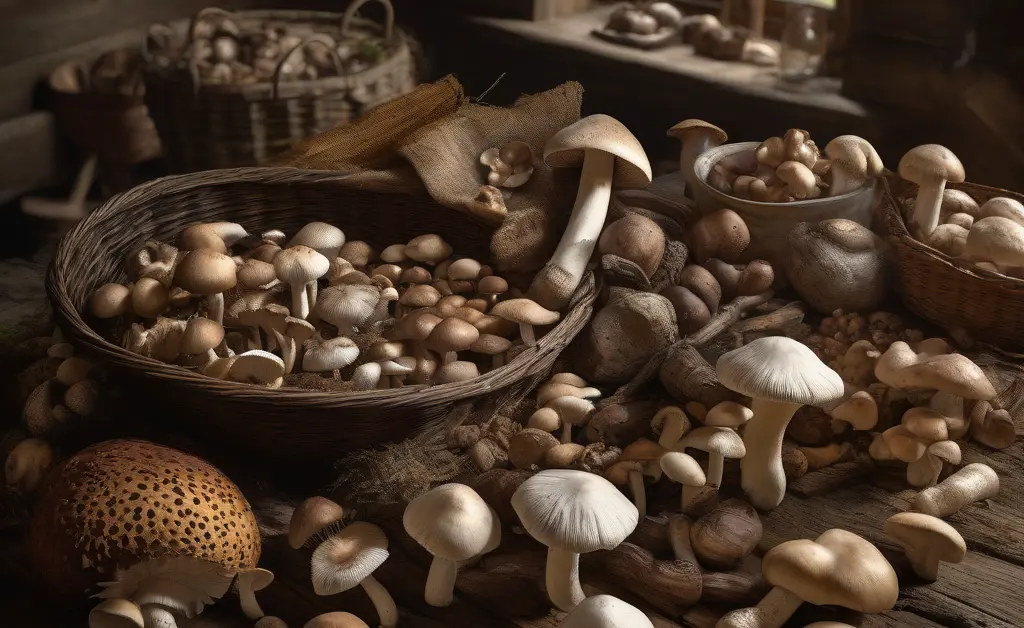
The progression of mushroom cultivation history reflects broader societal changes, from agricultural innovations to scientific breakthroughs. As human understanding of biology grew, so did the sophistication of techniques used to farm fungi.
Medieval and Renaissance Period
During the Medieval and Renaissance periods in Europe, mushroom cultivation remained largely a localized, informal practice, mostly focused on wild harvesting or very simple propagation methods. The focus was often on dung-loving species or those that grew on specific types of wood. There was not yet a widespread, organized industry. However, monastic gardens and rural communities likely maintained traditional knowledge for encouraging local mushroom growth for culinary and sometimes traditional medicinal uses.
The Scientific Revolution and Mycology
The Scientific Revolution brought a new era of inquiry, leading to the formal study of fungi, known as mycology. Scientists began to systematically classify mushroom species, understand their reproductive cycles, and investigate their growth requirements. This burgeoning scientific knowledge was critical. It moved cultivation away from purely empirical methods towards a more controlled, scientific approach. Insights into spores, substrates, and environmental factors provided a foundation for future large-scale production techniques, shaping the trajectory of mushroom cultivation history. Further scientific understanding of fungi can be explored through resources like the National Library of Medicine.
Post-Industrial Revolution Advances
The Industrial Revolution further transformed agricultural practices, including mushroom farming. Advancements in engineering, microbiology, and climate control allowed for more standardized and efficient production methods. The development of controlled environments, pasteurization techniques, and improved substrate preparation became possible. This period saw the transition from small-scale, often outdoor, cultivation to indoor, controlled-environment facilities capable of year-round production, meeting growing urban demands.
Key Milestones Before 1990
Before 1990, several key milestones propelled mushroom cultivation forward. The development of pure culture techniques in the late 19th and early 20th centuries revolutionized the consistency and reliability of mushroom spawn. The expansion of controlled climate facilities enabled large-scale production of button mushrooms and other popular varieties. Research into different substrates, such as composted straw and various agricultural byproducts, improved efficiency and sustainability. These developments established the foundational practices that continue to underpin much of the modern mushroom cultivation industry.
Modern Mushroom Cultivation and its Growth
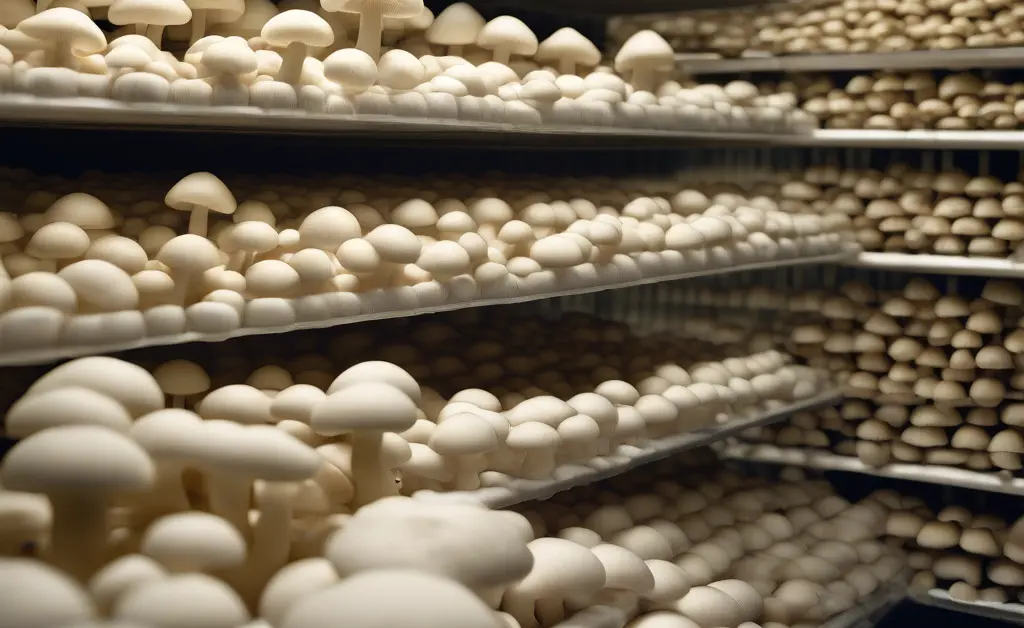
The 20th century marked a period of rapid advancement, transforming mushroom cultivation history into a sophisticated, global industry. Innovation continues to drive efficiency and expand the range of cultivated species.
20th Century Innovations
The 20th century introduced numerous innovations that dramatically increased the scale and efficiency of mushroom cultivation. These included advances in pasteurization and sterilization techniques for substrates, leading to cleaner and more productive growing environments. The development of sophisticated climate control systems allowed for precise regulation of temperature, humidity, and CO2 levels, crucial for optimal mushroom development. Furthermore, genetic selection and breeding programs emerged, resulting in strains with higher yields, better disease resistance, and improved shelf life. These technological leaps made mushroom farming a viable and profitable agricultural sector worldwide.
Global Production Trends
Today, mushroom cultivation is a truly global enterprise, with diverse species cultivated in various climates and economic conditions. Production trends show a continuous increase in demand for both common varieties like button mushrooms and specialty mushrooms such as oyster, shiitake, and reishi. This growth is driven by rising consumer awareness of their culinary versatility and potential nutritional value. Countries across Asia, Europe, and North America lead in production, utilizing highly specialized facilities that range from large industrial operations to smaller, organic farms, all contributing to the rich tapestry of mushroom cultivation history.
The journey from foraging in ancient forests to cultivating diverse species in controlled environments highlights humanity’s persistent quest to understand and utilize nature’s resources. The mushroom, once a mysterious forest dweller, has become a testament to innovation, adaptation, and the enduring connection between humans and the natural world, continuing to evolve as both a food source and a subject of scientific fascination.
This material is shared for educational insight, not for clinical decision-making. The information presented is for general knowledge purposes only and should not be considered a substitute for professional medical advice, diagnosis, or treatment. Always consult with a qualified healthcare provider for any health concerns or before making any decisions related to your health or care. Relying solely on the information provided here is at your own risk.
FAQ
When did humans start cultivating mushrooms?
While pinpointing the exact start date is difficult, evidence suggests humans began cultivating mushrooms at least as early as the Roman era, with more definitive records emerging centuries later. This practice evolved over time from simple methods to more sophisticated techniques.
Where were mushrooms first cultivated?
The earliest documented evidence of mushroom cultivation points to France, where specific techniques were developed for growing certain varieties. These early methods laid the groundwork for future agricultural practices involving fungi.
What is the history of mushroom farming?
The history of mushroom farming spans centuries, with early practices focused on utilizing natural substrates like composted manure. Over time, advancements in understanding fungal biology and substrate requirements led to the development of controlled environments and specialized growing mediums. This evolution reflects a growing appreciation for the culinary and potential health benefits of fungi.
Who is credited with the first mushroom cultivation?
Attributing the very first instance of mushroom cultivation to a single individual is challenging due to the ancient origins of the practice. However, historical accounts and agricultural texts from the Roman period and later periods in Europe describe early systematic efforts that represent significant milestones in mushroom cultivation history.