
The Essentials of Mushroom Cultivation in India

Many might assume that successful mushroom cultivation, particularly in a diverse climatic region like India, requires highly specialized, inaccessible knowledge or large-scale industrial setups. However, this perception often overlooks the practical realities and growing opportunities within the sector. With appropriate techniques and a foundational understanding, mushroom cultivation in India can be a highly viable and rewarding agricultural venture for small, medium, and even large-scale producers. This guide aims to demystify the process, detailing the essential steps, popular varieties, and critical factors involved, demonstrating that with careful management, profitable mushroom farming is well within reach, contributing to both economic upliftment and nutritional security.
Understanding Mushroom Cultivation in India
Mushroom cultivation in India has emerged as a promising agribusiness, transitioning from a niche activity to a significant agricultural pursuit. The country’s diverse agro-climatic zones provide a unique advantage, allowing for the cultivation of various mushroom species throughout the year. This sector not only contributes to food security by providing a protein-rich food source but also offers considerable economic benefits, particularly for rural communities. The current production landscape is characterized by a mix of small-scale backyard operations and more organized commercial farms, catering to both local and urban markets.
Market trends and demand for mushrooms are steadily increasing, driven by growing health consciousness among consumers and the rising popularity of diverse cuisines. There is a continuous need for technical expertise and training to adopt modern farming techniques, improve yields, and ensure sustainable practices. Understanding the fundamentals of mushroom biology, substrate preparation, and environmental control is paramount for anyone looking to venture into this field. Learning more about mushroom cultivation can provide a solid foundation.
Popular Mushroom Varieties for Cultivation in India

Choosing the right mushroom variety is crucial for successful mushroom cultivation in India, as different types thrive under specific environmental conditions and cater to varying market demands. India’s climate supports several popular and commercially viable species, each with its unique characteristics and cultivation requirements.
Button Mushrooms
Button mushrooms (Agaricus bisporus) are arguably the most popular and widely consumed mushrooms globally, including in India. They are typically cultivated in controlled environments due to their specific temperature and humidity requirements. Their firm texture and mild flavor make them versatile in various culinary applications. While they require more capital investment and technical expertise compared to other varieties, their high market demand ensures a good return on investment for dedicated growers.
Oyster Mushrooms
Oyster mushrooms (Pleurotus spp.) are highly favored by new cultivators due to their relatively simple cultivation process and adaptability to a wide range of agricultural residues as substrates. They are less demanding in terms of environmental control than button mushrooms, making them suitable for small and medium-scale farms. Oyster mushrooms come in various colors and offer a delicate flavor profile, making them a popular choice among consumers. Their fast growth cycle also contributes to their commercial viability. Many regions, like those in mushroom cultivation Bangalore, find this variety suitable.
Milky Mushrooms
Milky mushrooms (Calocybe indica) are gaining prominence in tropical and subtropical regions of India, primarily because of their ability to withstand higher temperatures. This makes them particularly well-suited for cultivation during warmer months when other varieties might struggle. Milky mushrooms are large, firm, and white, resembling button mushrooms in appearance, but with a longer shelf life and a distinct, meaty texture. They present a significant opportunity for growers in regions with challenging hot climates.
Shiitake Mushrooms
Shiitake mushrooms (Lentinula edodes) are renowned for their rich, umami flavor and reported health-promoting properties, commanding a higher market price than common varieties. Traditionally grown on wood logs, modern cultivation also involves sawdust-based substrates. While their cultivation cycle is longer and requires more specific conditions, particularly in terms of temperature and humidity, the premium price and consistent demand from gourmet markets make them an attractive option for advanced cultivators seeking higher profit margins. The nuances of growing these can be explored in areas like mushroom cultivation Jammu, where specific conditions might be adapted.
Key Steps in Mushroom Cultivation
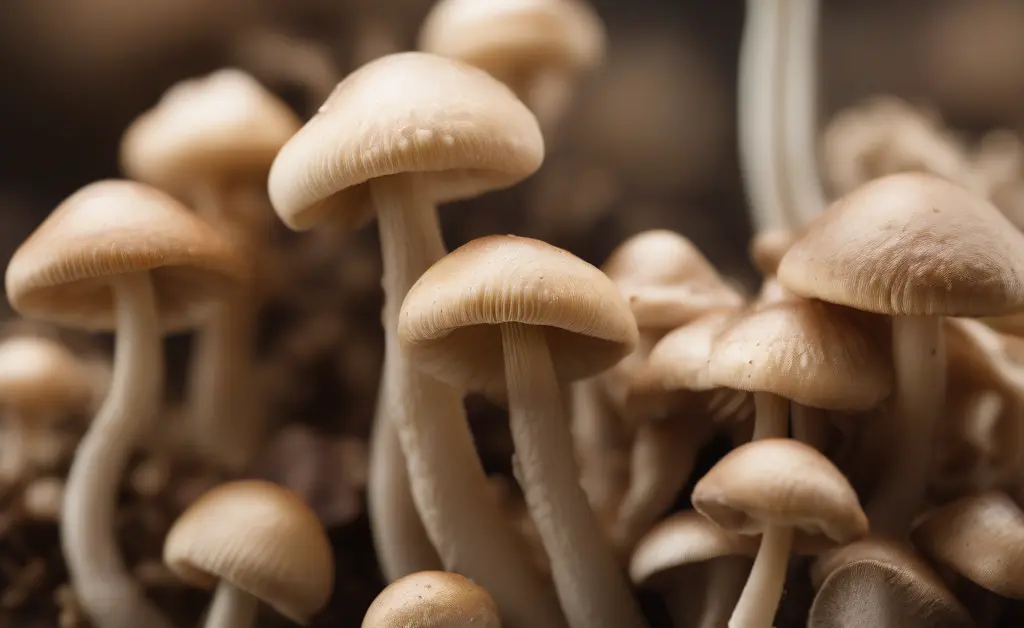
Successful mushroom cultivation involves a series of carefully managed steps, each critical for optimizing yield and quality. Understanding these stages is fundamental for anyone interested in how to start mushroom farming or improving existing mushroom farming techniques.
Substrate Preparation
The foundation of mushroom growth lies in the substrate. This refers to the growing medium that provides nutrients for the mycelium. Common substrates include agricultural wastes such as straw, sawdust, sugarcane bagasse, and cotton waste. The preparation involves cleaning, shredding, and then pasteurizing or sterilizing the substrate to eliminate competing microorganisms. Proper substrate preparation ensures that the mushroom mycelium has an uncontaminated and nutrient-rich environment to colonize.
Spawning (Inoculation)
Spawning, also known as inoculation, is the process of introducing mushroom spawn (mycelium grown on grain) into the prepared substrate. Healthy, viable spawn is crucial for a successful crop. The spawn is typically mixed thoroughly with the substrate, ensuring even distribution. This step requires sterile conditions to prevent contamination, which can lead to crop failure.
Incubation
Following spawning, the substrate is moved to an incubation room, often called the spawn run room. During this phase, the mushroom mycelium grows and colonizes the entire substrate, forming a dense white network. Optimal temperature and humidity are maintained, and darkness is often preferred, depending on the mushroom variety. This stage is critical for the mycelium to establish itself robustly before fruiting begins.
Fruiting
Once the substrate is fully colonized, environmental conditions are altered to induce fruiting, which is the formation of mushroom bodies. This typically involves reducing temperature, increasing humidity, introducing fresh air (ventilation), and providing indirect light. These changes signal to the mycelium that it is time to produce mushrooms. The mushrooms begin to appear as tiny pins and rapidly grow into harvestable sizes.
Harvesting and Post-Harvest Management
Mushrooms are harvested at their peak maturity, typically when their caps are fully open but before they release spores. Harvesting techniques vary by species but generally involve gently twisting or cutting the mushrooms from the substrate. Prompt post-harvest management is vital to maintain freshness and extend shelf life. This often includes sorting, cleaning, packaging, and immediate cooling or refrigeration. Efficient post-harvest handling minimizes spoilage and preserves market value.
Factors Affecting Mushroom Growth in India
The success of mushroom cultivation in India is highly dependent on managing a set of critical environmental factors. These elements directly influence the growth rate, yield, and quality of the mushrooms, necessitating careful control and monitoring, especially in varying climatic conditions.
Climate and Temperature Control
Temperature is one of the most crucial factors influencing mushroom growth. Each mushroom species has an optimal temperature range for mycelial growth and another for fruiting. In a diverse country like India, where temperatures can fluctuate significantly, maintaining a stable and appropriate temperature through heating or cooling systems is essential. Effective climate control mitigates the adverse effects of extreme weather, ensuring consistent production throughout the year for mushroom cultivation in India. Even in diverse locations like mushroom cultivation Virginia, understanding these principles is key.
Humidity Management
High humidity is indispensable for mushroom development, particularly during the fruiting phase. Mushrooms are mostly water, and they require a consistently moist environment to grow properly and prevent drying out. Humidity levels need to be carefully controlled, often using humidifiers or misting systems, to prevent the caps from cracking and to ensure healthy, plump mushrooms. However, excessively high humidity without adequate ventilation can lead to fungal diseases.
Light Requirements
While mycelial growth (incubation phase) generally occurs in darkness, most edible mushrooms require some indirect light to initiate and guide fruiting body development. Direct sunlight is typically harmful, causing the substrate to dry out and potentially inhibiting growth. Low-intensity, diffused light helps in cap formation and proper orientation of the mushrooms. The specific light intensity and duration vary by species and stage of growth.
Ventilation
Proper ventilation is vital for mushroom growth. As mushrooms respire, they release carbon dioxide (CO2). High concentrations of CO2 can inhibit growth, lead to elongated stems, and result in smaller, deformed mushrooms. Therefore, a constant supply of fresh air is necessary to replenish oxygen and remove excess CO2. Air exchange also helps in managing temperature and humidity levels, making ventilation a multi-functional environmental control aspect.
Challenges and Opportunities in Indian Mushroom Farming

Indian mushroom farming, while promising, faces a unique set of challenges that growers must navigate. Simultaneously, the sector is ripe with opportunities that, if leveraged effectively, can lead to significant growth and profitability. Addressing these challenges through innovation and strategic planning is key to unlocking the full potential of mushroom business opportunities.
Pest and Disease Control
Pests and diseases pose a significant threat to mushroom crops, leading to reduced yields and quality. Common issues include fungal competitors like green mold, bacterial blights, and infestations by insects such as mites and flies. Effective pest and disease control relies on stringent hygiene practices, proper sterilization of substrates, use of resistant strains, and integrated pest management (IPM) strategies. Regular monitoring and quick intervention are crucial to prevent widespread outbreaks that can devastate an entire crop. Overcoming these challenges requires technical expertise and consistent application of best practices.
Government Support and Schemes for Mushroom Cultivation
Recognizing the potential of mushroom cultivation in India for economic development and nutritional security, the government has introduced various support mechanisms and schemes. These initiatives aim to encourage farmers, reduce financial burdens, and promote sustainable growth in the sector.
Financial assistance and subsidies are often available through agricultural departments or horticultural missions, providing capital for setting up mushroom units, purchasing equipment, and acquiring quality spawn. These schemes can significantly lower the initial cost of setting up a mushroom farm, making it more accessible for small and marginal farmers. Additionally, government initiatives frequently include provisions for market access and cold chain infrastructure development, which are critical for perishable produce like mushrooms. Ensuring food safety is paramount in this process, and organizations like the European Food Safety Authority provide guidelines. The European Food Safety Authority offers valuable insights into regulatory frameworks concerning food production.
Research and Development Initiatives play a crucial role in improving cultivation techniques, developing high-yielding and disease-resistant mushroom varieties, and exploring new substrate options. Government-funded agricultural universities and research institutes are actively involved in these efforts, providing valuable knowledge and resources to farmers.
Training programs are regularly organized by agricultural extension services and Krishi Vigyan Kendras (KVKs) across the country. These programs offer hands-on training and technical guidance on all aspects of mushroom cultivation, from substrate preparation to post-harvest management. Such initiatives are vital for building the capacity of farmers, enabling them to adopt scientific methods and maximize their yields, thereby strengthening the overall landscape of mushroom cultivation in India.
Mushroom cultivation in India represents a dynamic and growing agricultural sector with substantial potential for both individual farmers and the national economy. By understanding the specific needs of various mushroom varieties, meticulously following cultivation steps, diligently managing environmental factors, and leveraging available government support, growers can overcome challenges and harness the numerous opportunities. This comprehensive approach ensures not only profitable ventures but also contributes to sustainable agriculture and improved nutritional outcomes across the country.
not applicable
FAQ
What is the best mushroom to cultivate in India?
Several mushroom varieties thrive in India, with oyster mushrooms often considered highly versatile due to their adaptability to different climatic conditions and relatively simpler cultivation requirements. Button mushrooms also hold significant commercial value but necessitate more controlled environments for successful growth. The “best” choice often depends on local climate, available resources, and target market.
How to start mushroom farming in India?
Initiating mushroom farming typically involves selecting a suitable mushroom species aligned with local climate and market demand, followed by preparing an appropriate substrate. The process continues with inoculating the substrate with quality mushroom spawn. Consistent management of environmental factors like temperature, humidity, and ventilation is essential for robust growth and a successful harvest.
What are the government subsidies for mushroom cultivation in India?
The Indian government, through various agricultural and horticultural initiatives, offers support to farmers entering mushroom cultivation. These programs are often designed to encourage diversification and can include financial assistance for infrastructure development, equipment procurement, and skill development training. Specific schemes and their eligibility criteria typically vary by state and are updated periodically by relevant departments like the National Horticulture Board.
What is the profit margin for mushroom farming in India?
Profit margins in mushroom farming are highly variable, influenced by factors such as the specific mushroom variety grown, the scale of production, local market demand, and operational efficiency. While it is challenging to state a definitive percentage, successful ventures generally achieve favorable returns through careful cost management and consistent quality. Effective strategies for mushroom cultivation in India focus on minimizing input costs and securing reliable market channels to maximize profitability.
What is the cost of setting up a mushroom farm in India?
The initial investment for establishing a mushroom farm in India can vary significantly, depending primarily on the scale of the operation and the specific mushroom variety selected. Small-scale setups with basic environmental control require less capital compared to larger, climate-controlled facilities for commercial production. Costs are typically incurred for shed construction, substrate preparation, spawn, and essential equipment, varying greatly based on local material availability and labor costs.
Which mushroom variety is most profitable in India?
Button mushrooms (Agaricus bisporus) often lead in terms of market demand and established commercial value, making them a highly profitable choice despite requiring significant environmental controls. Oyster mushrooms (Pleurotus spp.) are also very profitable, particularly for new or smaller-scale farmers, given their relative ease of cultivation and broad adaptability. The most profitable variety for an individual farmer ultimately depends on their specific resources, climate, and access to local markets.