
Your Guide to Successful Mushroom Farming in Sri Lanka
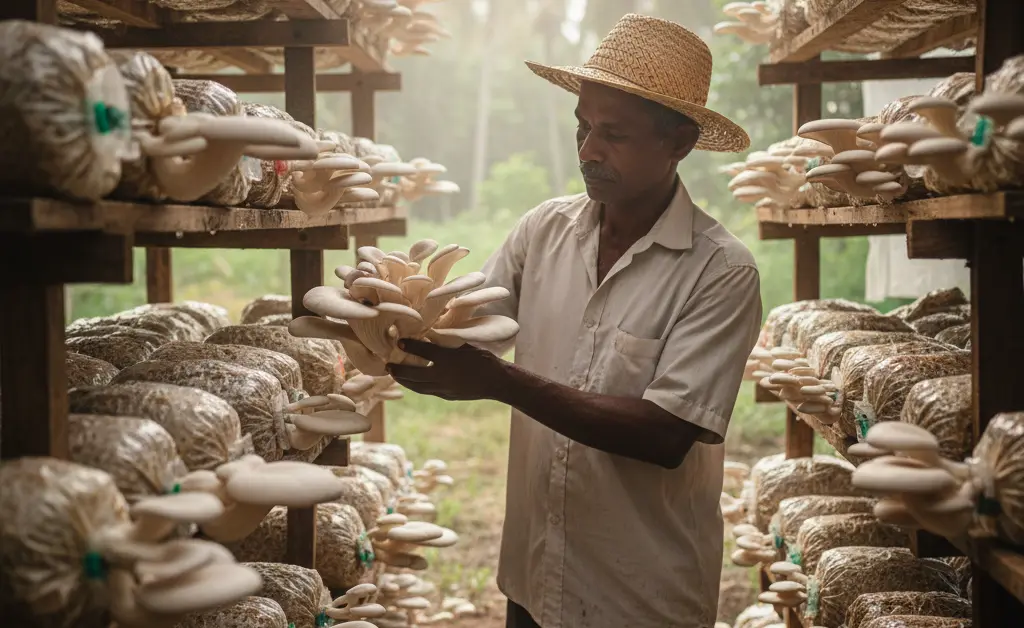
Many individuals might initially view mushroom cultivation as a challenging or highly specialized agricultural endeavor, particularly within the warm, humid climate of Sri Lanka. This perception, however, often overlooks the practical opportunities and suitable local conditions that actually foster successful mycological farming. Far from being an overly complex undertaking, the right knowledge and application of specific techniques can transform mushroom cultivation into a highly viable and sustainable venture for a diverse range of agriculturalists. This comprehensive guide aims to illuminate the straightforward pathways to profitable mushroom cultivation in Sri Lanka, exploring suitable varieties, cultivation methods, and market insights. It provides essential information to empower both new and experienced growers, demonstrating how to harness the island’s environment effectively for a thriving mushroom industry.
Mushroom cultivation in sri lanka
The island nation of Sri Lanka presents a fertile ground for the expansion of its mushroom industry. With its tropical climate and abundant agricultural by-products, the conditions are inherently favorable for various types of fungi. An overview of the mushroom industry reveals a growing demand both locally and internationally, driven by increasing consumer awareness of mushrooms’ nutritional benefits and culinary versatility. Successfully engaging in mushroom cultivation in Sri Lanka offers not only economic opportunities for farmers but also contributes to food security and sustainable agricultural practices. The benefits extend to utilizing agricultural waste, generating employment, and providing a healthy food source rich in vitamins, minerals, and protein. This sector holds significant potential for small-scale entrepreneurs and larger agricultural ventures alike, positioning it as a key area for agricultural development.
Types of Mushrooms Suitable for Cultivation in Sri Lanka
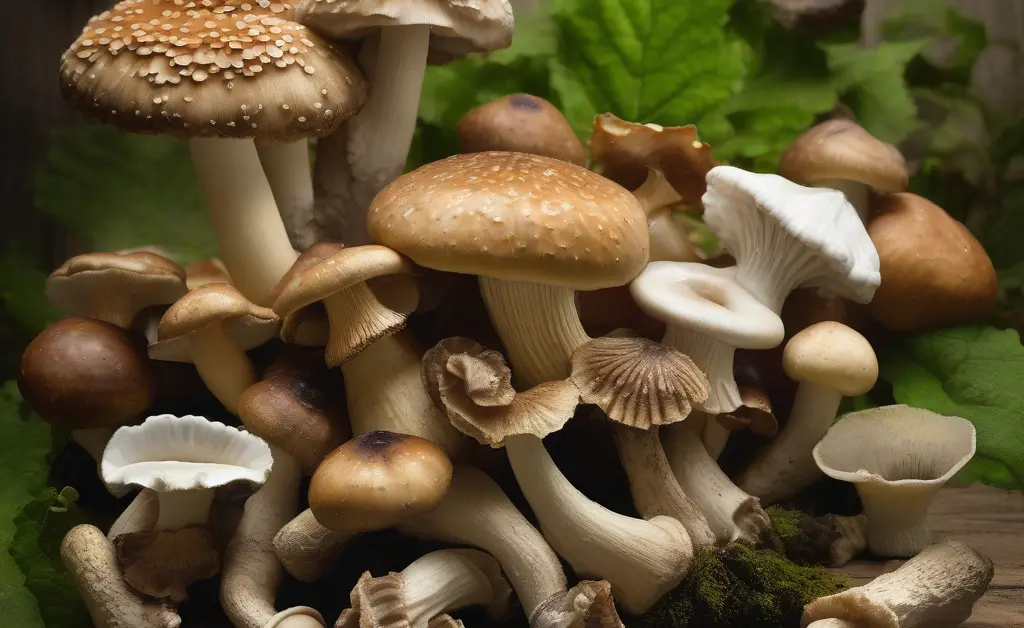
Selecting the appropriate mushroom species is paramount for successful cultivation, especially within Sri Lanka’s specific climatic conditions. Several varieties have demonstrated viability, thriving in the warm and humid environment, provided the right controls are in place. Understanding the characteristics and requirements of each type is crucial for optimizing yield and quality.
Button mushroom cultivation in Sri Lanka
Button mushrooms (Agaricus bisporus) are among the most globally recognized and consumed mushroom varieties. While traditionally associated with cooler climates, button mushroom cultivation in Sri Lanka is achievable through controlled environmental conditions. This often requires more sophisticated infrastructure, including climate-controlled rooms, to maintain consistent temperatures and humidity levels. Their popularity and consistent market demand make them a highly profitable option, but the initial investment and operational costs can be higher compared to other varieties. Growers focusing on button mushrooms typically aim for a consistent, high-quality product to meet the expectations of both local consumers and the hospitality sector.
Potential for Oyster Mushroom Cultivation in Sri Lanka
Oyster mushrooms (Pleurotus spp.) are particularly well-suited for cultivation in tropical regions like Sri Lanka due to their adaptability and ability to thrive on a wide range of substrates. They are less demanding in terms of environmental control compared to button mushrooms, making them an excellent choice for both new and experienced growers. The rapid growth cycle and high yield potential of oyster mushrooms contribute significantly to their profitability. Varieties such as Pleurotus ostreatus, Pleurotus sajor-caju, and Pleurotus florida are commonly grown. Their distinct flavor and texture make them popular in local cuisine, and the relative ease of cultivation allows for a quicker return on investment. Many farmers find oyster mushrooms to be one of the best mushrooms to grow, offering a good balance between effort and reward.
Substrate Preparation and Materials
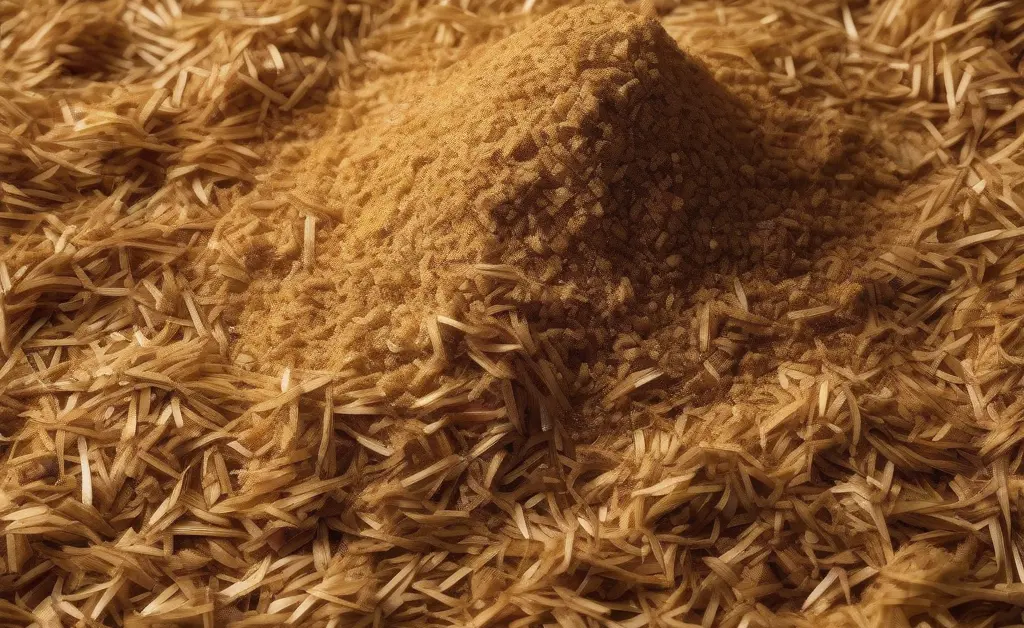
The foundation of successful mushroom cultivation in Sri Lanka lies in the meticulous preparation of the substrate. The substrate serves as the nutrient source for the mycelial growth, and its proper composition and sterilization are critical for preventing contamination and ensuring robust mushroom development. Common substrates readily available in Sri Lanka include paddy straw, sawdust, coir dust, and other agricultural residues. The choice of substrate for oyster mushrooms, for instance, often leans towards paddy straw or sawdust due to their abundance and effectiveness.
Before inoculation, these materials must undergo either sterilization or pasteurization. Sterilization, typically achieved through autoclaving or pressure cooking, eliminates all microorganisms, while pasteurization reduces the microbial load to a manageable level. This step is crucial for giving the beneficial mushroom mycelium a competitive advantage over contaminants. Nutrient supplementation, often involving materials like rice bran, wheat bran, or gypsum, is also incorporated to enrich the substrate, providing essential elements for vigorous mycelial growth and subsequent fruiting.
Cultivation Process and Techniques
The journey from substrate preparation to fruiting mushrooms involves several critical stages, each demanding careful attention to detail for optimal mushroom cultivation in Sri Lanka. The process typically begins with spawning and inoculation, where the mushroom spawn (grains colonized with mycelium) is introduced to the prepared substrate. This is a delicate phase that requires sterile conditions to prevent contamination.
Following inoculation, the substrate bags or beds enter the incubation period. During this time, the mycelium colonizes the substrate, forming a dense, white network. This phase requires consistent temperature and humidity, usually without light, to encourage strong mycelial growth. Once colonization is complete, the bags are exposed to conditions that induce fruiting. This often involves a shock, such as a drop in temperature or increased fresh air exchange, prompting the mycelium to form primordia, which are the nascent mushroom pins. Common cultivation methods include growing in plastic bags, shelves, or traditional beds, depending on the mushroom species and scale of operation. Maintaining optimal fruiting conditions, including light, humidity, and ventilation, is essential for healthy development of the mushroom fruiting bodies.
Environmental Conditions for Mushroom Growth
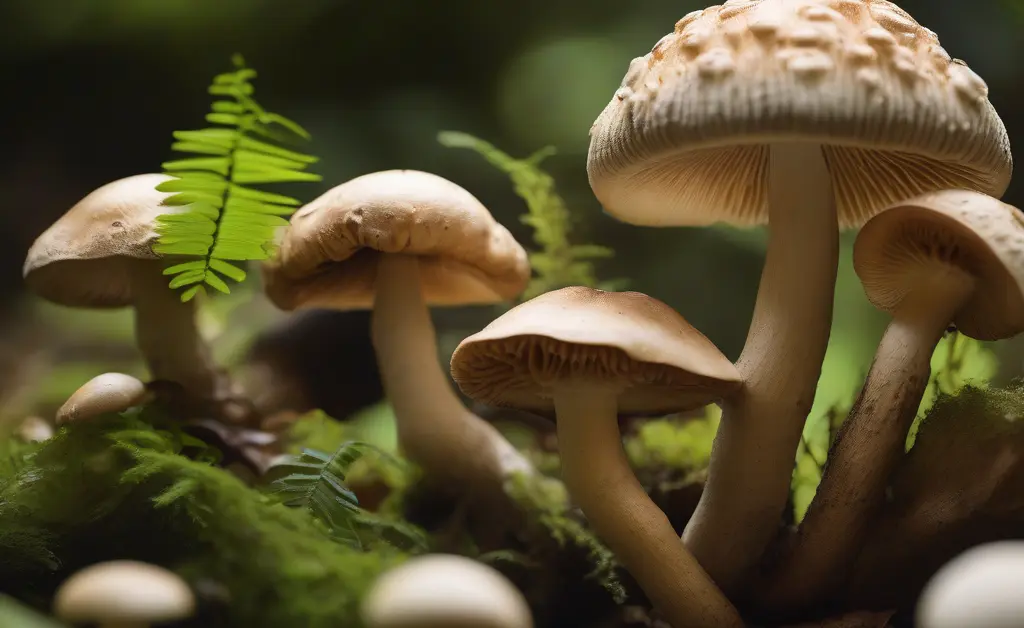
Creating and maintaining the ideal environmental conditions is paramount for maximizing mushroom yields and quality. Each mushroom species has specific requirements, and understanding these is key to successful cultivation in Sri Lanka’s tropical climate.
Temperature requirements vary significantly between species. For instance, while some oyster mushroom varieties thrive in warmer conditions (20-30°C), others prefer slightly cooler temperatures. Button mushrooms, as noted, demand stricter temperature controls, usually between 14-18°C for fruiting. Humidity control is another critical factor; most mushrooms require high relative humidity, typically 85-95%, during their fruiting stage to prevent dehydration and ensure proper development. Growers often use humidifiers, misting systems, or damp floors to achieve this.
Ventilation needs are also crucial, particularly for fresh air exchange. Mushrooms respire, releasing carbon dioxide, which can inhibit growth if it accumulates. Regular air circulation helps remove CO2 and supply fresh oxygen. While many mushrooms don’t require direct light, some diffuse light exposure can be beneficial for primordia formation and proper cap development, especially for species like oyster mushrooms. However, direct sunlight is generally detrimental and should be avoided.
Harvesting and Post-Harvest Handling
Knowing when to harvest mushrooms is crucial for ensuring their quality, shelf life, and market appeal. Mushrooms are typically ready for harvest when their caps are fully developed but before they release spores excessively, which can reduce their freshness and create a mess. For oyster mushrooms, this is often when the edges of the caps begin to flatten but are still firm. Button mushrooms are usually picked when the veil underneath the cap is still intact or just beginning to break.
Harvesting techniques should minimize damage to the mushroom and the remaining mycelium. Mushrooms are usually gently twisted or cut at the base of the stem, taking care not to disturb the surrounding substrate, which could impact subsequent flushes. After harvesting, proper storage and preservation are vital to maintain freshness and extend shelf life. Mushrooms are highly perishable and should be cooled rapidly after picking. Storing them in breathable containers in a refrigerator helps prevent moisture buildup and spoilage. For longer preservation, methods like drying or blanching and freezing can be employed, offering flexibility for consumption and sale beyond immediate fresh market demands for mushroom cultivation in Sri Lanka.
Challenges and Solutions in Sri Lankan Mushroom Cultivation
While mushroom cultivation in Sri Lanka holds immense promise, growers frequently encounter specific challenges that require strategic solutions. One significant hurdle is pest and disease management. Common issues include fungal contaminants like green mold, bacterial blotch, and infestations by flies or mites. Implementing strict hygiene protocols, using sterilized substrates, and ensuring proper ventilation are key preventative measures. Biological controls and environmentally friendly pest management practices can also be integrated.
Climate control, especially maintaining consistent temperature and humidity levels in a tropical environment, can be demanding. Solutions range from low-cost passive cooling methods, such as utilizing shade and natural ventilation, to more advanced climate-controlled grow rooms for sensitive species like button mushrooms. High energy costs associated with climate control can be mitigated by optimizing insulation and exploring renewable energy sources. Market access and ensuring consistent demand are also vital. Building strong relationships with local vendors, restaurants, and hotels, as well as exploring export opportunities, can help secure sales channels. Additionally, educating consumers about the nutritional benefits and versatility of fresh mushrooms can further stimulate local demand.
Mushroom cultivation training in Sri Lanka
For individuals keen on entering or expanding their expertise in the mushroom industry, accessible and comprehensive training programs are invaluable. In Sri Lanka, various institutions and government bodies offer training programs designed to equip aspiring mushroom growers with the necessary skills and knowledge. These programs typically cover all aspects of cultivation, from substrate preparation and spawn production to harvesting, pest management, and post-harvest handling. Practical, hands-on sessions are often a core component, allowing participants to gain experience with different mushroom species and cultivation techniques. Such training not only enhances technical proficiency but also provides insights into business planning, market strategies, and the economic viability of mushroom farming. Engaging in these programs can significantly reduce the learning curve and improve the chances of success for new growers.
Resources and Support for Mushroom Growers in Sri Lanka
Sri Lankan mushroom growers can benefit from a network of resources and support systems designed to foster the industry’s growth. Government initiatives often include subsidies, grants, and technical assistance programs aimed at promoting agricultural diversification and sustainable farming practices. These can help offset initial investment costs and provide access to vital equipment. Research institutions play a crucial role by conducting studies on suitable mushroom varieties, improving cultivation techniques, and developing disease-resistant strains adapted to local conditions. They often offer consultation services and disseminate valuable research findings to the farming community. Furthermore, a growing number of suppliers provide essential materials such as quality spawn, specialized substrates, and cultivation equipment. Industry associations and farmer cooperatives also serve as vital support networks, facilitating knowledge sharing, collective marketing, and advocacy for the interests of mushroom growers across the island.
Sri Lanka Mushroom Cultivation Market | Trends 2032
The mushroom cultivation market in Sri Lanka is poised for significant growth, with trends indicating an upward trajectory towards 2032. Increasing health consciousness among consumers is a primary driver, as mushrooms are recognized for their low-calorie, high-protein, and nutrient-rich profile. Consumers often seek reliable data on food benefits, such as those provided by EFSA. This has led to a surge in demand for fresh, organic, and locally grown produce. The hospitality and tourism sectors also contribute substantially to market growth, with hotels and restaurants consistently seeking high-quality mushrooms for their culinary offerings.
Technological advancements in cultivation methods, including improved climate control systems and substrate formulations, are making mushroom farming more efficient and productive. Furthermore, an emphasis on sustainable agriculture and the utilization of agricultural waste by-products for substrate creation align well with environmental goals. Export potential for certain specialty mushrooms is also being explored, opening up new revenue streams for local growers. Government support, increased training opportunities, and rising investment in research and development are expected to further bolster the market, making mushroom cultivation an increasingly attractive and profitable venture in Sri Lanka.
Mushroom cultivation in Sri Lanka stands out as a promising agricultural sector with significant potential for growth and sustainability. The island’s favorable climate, coupled with increasing demand for nutritious food, creates an ideal environment for diverse mushroom varieties. By understanding the specific requirements for different species, mastering substrate preparation, and implementing effective cultivation techniques, growers can achieve high yields and profitability. Addressing challenges through robust pest management, strategic climate control, and strong market linkages will be crucial for long-term success. With continued support from training programs, government initiatives, and research institutions, the mushroom industry in Sri Lanka is well-positioned for a thriving future, offering economic benefits to farmers and healthy food options to consumers.
This article is written for general understanding and not for medical decision-making. The information provided is intended for educational and informational purposes only, and does not offer medical advice. It is essential to consult with qualified healthcare professionals for any health concerns or before making any decisions related to health or treatment.
FAQ
What are the best mushrooms to grow in Sri Lanka?
Sri Lanka’s tropical climate is well-suited for cultivating several mushroom varieties, with oyster mushrooms, particularly strains like Pleurotus ostreatus and Pleurotus sajor-caju, being particularly popular due to their adaptability and demand. Additionally, medicinal varieties such as Ganoderma lucidum (Reishi) and certain edible strains like Shiitake (Lentinula edodes) can also be successfully grown under controlled conditions, offering diverse options for growers. These selections thrive in the local environment when proper cultivation techniques are applied.
How to prepare substrate for oyster mushrooms in Sri Lanka?
Preparing substrate for oyster mushrooms typically involves agricultural waste materials readily available in Sri Lanka, such as paddy straw or sawdust. These materials are usually chopped, soaked, and then pasteurized or sterilized to eliminate contaminants, creating a clean environment for the mushroom mycelium to colonize effectively. The process aims to provide a nutrient-rich and pathogen-free medium, which is crucial for successful growth and yield.
What are the common challenges faced in mushroom cultivation in Sri Lanka?
Growers often encounter challenges such as maintaining optimal humidity and temperature in Sri Lanka’s warm climate, which is crucial for mushroom development. Contamination from bacteria, molds, and insects can significantly impact yields, demanding stringent hygiene practices and proper substrate preparation. Access to quality mushroom spawn and up-to-date cultivation techniques also presents a hurdle for many aspiring farmers.
Are there government subsidies for mushroom cultivation in Sri Lanka?
The Sri Lankan government, often through its Ministry of Agriculture and other related agencies, has shown interest in promoting agricultural diversification, which can include mushroom cultivation. Programs sometimes offer support in the form of training, technical assistance, or access to credit facilities to encourage local farming initiatives and enhance food security. Specific subsidies may vary over time, reflecting policy priorities for agricultural development.
What is the profit margin for mushroom cultivation in Sri Lanka?
The profit margin for mushroom cultivation in Sri Lanka is influenced by several variables, including production efficiency, the specific mushroom variety grown, and prevailing market prices. Factors like the cost of substrate, spawn, labor, and energy directly impact overall expenses, while robust local demand for fresh and dried mushrooms can drive higher revenue. Efficient management of resources and direct market access are key determinants of profitability in this agricultural sector.