
The Art and Science of Japanese Mushroom Cultivation
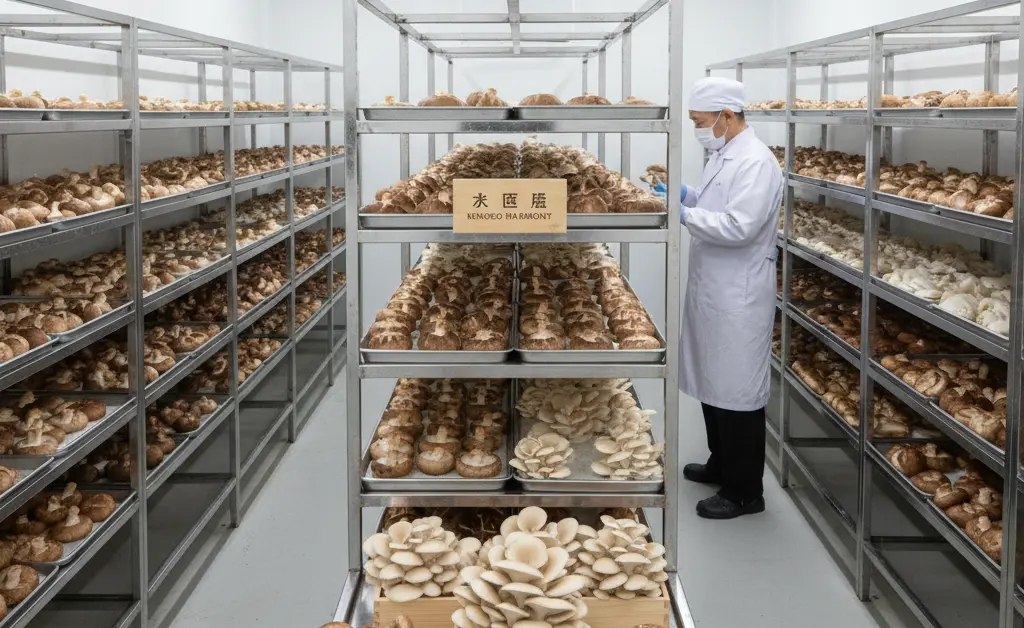
In an era where home cooking and mindful eating are increasingly prioritized, gourmet mushrooms have become a staple for their earthy flavors and health benefits. From enriching savory dishes to serving as meat substitutes, these versatile fungi are celebrated worldwide. Japan, a nation renowned for its culinary excellence and deep respect for nature, has long embraced mushrooms as a vital part of its diet and culture. This article delves into the fascinating world of mushroom cultivation Japan, exploring its historical roots, innovative techniques, leading producers, and the diverse varieties that have made the country a global leader in fungal agriculture. We will uncover how ancient traditions merge with cutting-edge technology to produce high-quality, sustainable mushroom crops. For a comprehensive understanding of this topic, explore mushroom cultivation.
Overview of Mushroom Cultivation in Japan
Japanese mushroom farming is a testament to the nation’s deep connection with nature and its commitment to agricultural innovation. Mushrooms hold significant cultural and culinary importance in Japan, far beyond their role as a mere food source. They are celebrated in traditional arts, folk tales, and revered for their unique flavors and textures that enrich a wide array of dishes, from delicate soups to hearty stir-fries. The practice of mushroom cultivation Japan has evolved over centuries, transforming from simple, opportunistic harvesting to sophisticated, controlled agricultural systems. This evolution reflects a continuous effort to meet consumer demand for quality, variety, and sustainability, positioning Japan as a prominent global player in the fungiculture industry.
Historical Development of Japanese Mushroom Cultivation
The history of mushroom cultivation in Japan is rich and extends back hundreds of years, primarily focusing on species like Shiitake. Early cultivation methods were relatively simple, involving the natural inoculation of logs with mushroom spores, often in shaded, humid forest environments. Farmers would prepare logs from specific deciduous trees, which would then be left in suitable conditions for fungi to colonize and fruit. This traditional approach, while effective, was heavily reliant on environmental factors and yielded variable results. The post-war growth and expansion periods saw significant advancements, with a shift towards more controlled environments and the scientific study of mycelial growth. This marked a crucial transition from traditional, open-air log cultivation to more industrialized and efficient methods, setting the stage for the modern era of Japanese fungiculture.
Leading Mushroom Cultivation Companies and Research in Japan
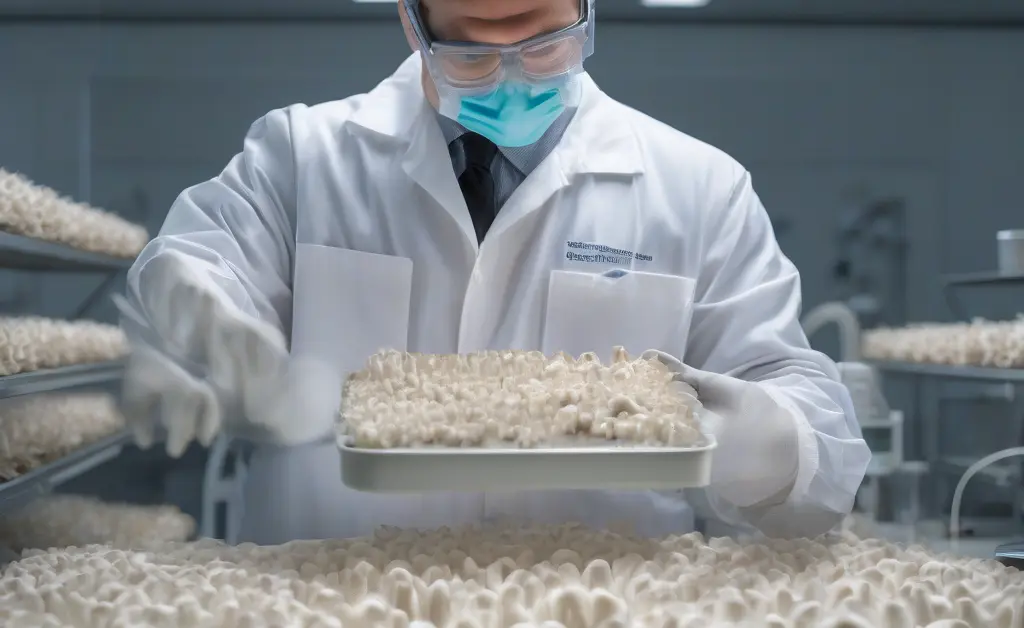
Japan boasts a number of highly influential companies and research institutions that are at the forefront of the global mushroom industry. These entities combine traditional wisdom with cutting-edge science to develop new cultivation techniques, improve yields, and explore novel mushroom varieties. Companies often invest heavily in research and development, focusing on aspects like optimizing growing substrates, enhancing disease resistance, and perfecting climate control systems. Academic institutions and agricultural research centers play a pivotal role, conducting extensive studies into the genetic makeup of fungi, their nutritional properties, and their potential applications beyond food, such as in medicine or bioremediation. This robust research ecosystem ensures that mushroom cultivation Japan remains dynamic and competitive, continuously pushing the boundaries of what is possible in sustainable agriculture. Research into fungal properties is widely supported by organizations like the NIH.
Key Mushroom Varieties and Their Cultivation in Japan
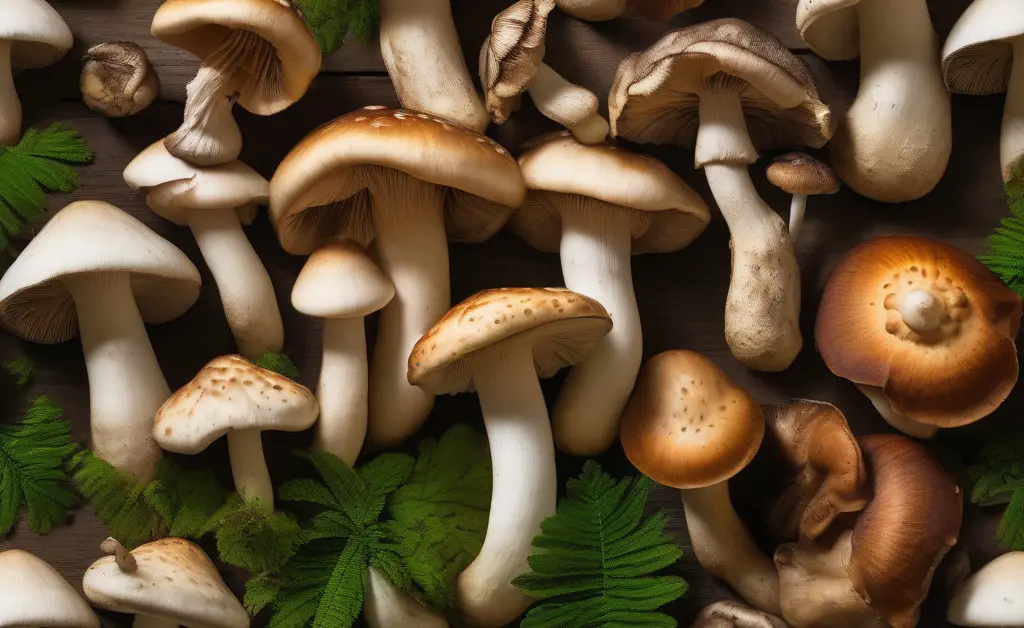
The diversity of mushroom cultivation Japan is truly remarkable, with several varieties holding significant culinary and economic importance. Each mushroom type has specific growing requirements, and Japanese cultivators have perfected methods to produce them consistently and sustainably.
- Shiitake Mushrooms: Perhaps the most famous Japanese mushroom, Shiitake are cultivated on hardwood logs or artificial substrates made from sawdust and bran. They are prized for their rich, umami flavor and meaty texture.
- Enoki Mushrooms: Characterized by their long, slender stems and small caps, Enoki are typically grown in bottles in cool, dark conditions to achieve their characteristic white color and delicate texture.
- Nameko Mushrooms: These small, amber-brown mushrooms are known for their slightly gelatinous texture and earthy flavor. They are often cultivated on sawdust blocks, preferring cooler temperatures.
- Oyster Mushrooms: A versatile and fast-growing variety, Oyster mushrooms are grown on various substrates, including straw, sawdust, and even coffee grounds. They come in several colors and offer a delicate, savory taste.
- Eryngii (King Oyster) Mushrooms: Large and firm, King Oyster mushrooms have a thick stem and small cap, offering a robust, savory flavor and a texture often compared to scallops when cooked. They are typically cultivated on sawdust-based blocks.
- Shimeji (Beech) Mushrooms: Available in brown and white varieties, Shimeji mushrooms have a slightly nutty flavor and a firm, crunchy texture. They are grown in clusters on sawdust substrates in controlled environments.
- Maitake Mushrooms: Also known as “Hen of the Woods,” Maitake mushrooms form large, frilly clusters and possess a rich, earthy flavor and a semi-firm texture. They are typically cultivated on sawdust blocks, often requiring specific temperature and humidity cycles.
Modern Techniques and Innovations in Japanese Mushroom Cultivation
Modern mushroom cultivation in Japan is characterized by a blend of precision agriculture and innovative technologies, designed to maximize yield, quality, and efficiency. These advanced techniques address the challenges of traditional farming, offering greater control over the growing environment and reducing reliance on external factors. The drive for innovation ensures that Japan maintains its position as a global leader in fungiculture.
Modern Mushroom Cultivation Techniques in Japan
The transition from traditional log culture to substrate-based cultivation methods has revolutionized mushroom farming. Modern techniques often involve creating artificial substrates, typically composed of sawdust from various tree species, mixed with nutrients like rice bran or wheat bran. These substrates are then sterilized to eliminate contaminants before being inoculated with mushroom spawn. Controlled environment agriculture (CEA) is widely employed, allowing growers to precisely manage temperature, humidity, light, and carbon dioxide levels. This meticulous control ensures optimal growth conditions for specific mushroom varieties, leading to consistent yields and superior quality products. Substrate development and sterilization are critical steps, ensuring a clean and nutrient-rich medium for fungal growth.
High-tech mushroom cultivation with Japanese technology
Japanese technology has significantly advanced high-tech mushroom cultivation. Sophisticated sensor networks monitor environmental parameters in real-time, feeding data into automated systems that adjust climate controls, irrigation, and ventilation. Robotics are increasingly integrated into various stages of the cultivation process, from preparing and inoculating substrate blocks to monitoring growth and even harvesting. This level of technological integration not only boosts productivity but also reduces labor costs and minimizes human error, making the entire operation more sustainable and economically viable. These innovations highlight the commitment to precision agriculture in the Japanese mushroom industry.
Automated mushroom harvesting
Automated mushroom harvesting represents a significant leap in efficiency and labor reduction. While harvesting delicate mushrooms traditionally requires manual dexterity, Japanese engineers have developed robotic systems capable of identifying mature mushrooms, gently picking them, and even sorting them by size and quality. These robots often utilize advanced vision systems and delicate grippers to prevent damage to the fungi. Automated harvesting not only speeds up the process but also ensures consistency in product quality and reduces the physical demands on human workers, contributing to the overall sustainability of mushroom cultivation in Japan.
The Business and Future of Mushroom Cultivation in Japan
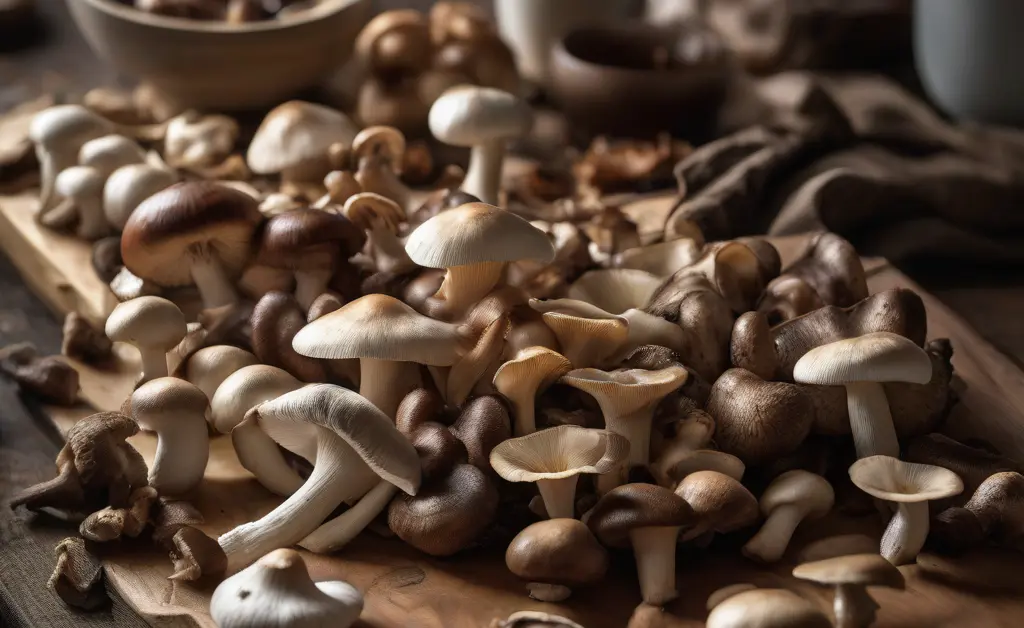
The business of mushroom cultivation Japan is robust and continues to expand, driven by increasing consumer demand for healthy, sustainable food options. The market trends indicate a growing appreciation for diverse mushroom varieties, both for their culinary versatility and potential health benefits. As consumers become more health-conscious, mushrooms are increasingly viewed as a functional food, rich in vitamins, minerals, and antioxidants. This has led to consistent growth in both domestic consumption and export markets.
Sustainability and environmental considerations are paramount in the future outlook of Japanese fungiculture. Growers are actively exploring ways to minimize their environmental footprint, including optimizing energy consumption in controlled environments, recycling agricultural waste as substrate materials, and reducing water usage. Research and development efforts are focused on breeding new varieties with enhanced resilience, faster growth rates, and improved nutritional profiles. The economic benefits of mushroom cultivation Japan are substantial, providing employment, contributing to the agricultural GDP, and fostering innovation in biotechnology. The industry is poised for continued growth, with a strong emphasis on integrating advanced technology, sustainable practices, and catering to evolving consumer preferences.
The content provided in this article is intended for informational learning, not clinical application. It explores general knowledge about mushroom cultivation and traditional uses of certain fungi. Readers should understand that this information is for educational purposes only and does not constitute medical advice or endorse any specific health claims. Consult with a qualified healthcare professional for any health concerns or before making decisions related to your well-being.
FAQ
How did Japan develop mushroom cultivation techniques?
Japan’s journey with mushroom cultivation techniques began centuries ago, with early methods involving the use of natural logs and forest environments. Over time, these traditional practices evolved through careful observation and experimentation, leading to a deep understanding of different mushroom species’ needs and growth cycles. This historical progression laid the groundwork for more sophisticated cultivation methods that are utilized today.
What is unique about Japanese mushroom cultivation?
What is unique about Japanese mushroom cultivation lies in its sophisticated integration of tradition with advanced scientific research. This approach has resulted in highly optimized growing environments and precise control over factors like temperature, humidity, and substrate composition. The focus on detail and quality control in the mushroom cultivation Japan ensures the production of premium-grade mushrooms, recognized for their flavor and nutritional value.