
How to Choose and Use a Mushroom Cultivation Kit
Many aspiring mycologists or home cooks dream of harvesting their own fresh mushrooms but often find the traditional cultivation methods daunting, requiring specific knowledge, controlled environments, and significant upfront effort. The journey from complex spore inoculation to fruitful harvest can seem inaccessible to the average individual, frequently leading to frustration or abandoned projects. However, the advent of the mushroom cultivation kit has transformed this landscape, making gourmet and medicinal mushroom growing a remarkably straightforward and rewarding endeavor. This innovative solution simplifies the entire process, offering a convenient pathway for enthusiasts to easily grow a variety of fungi right in their homes, turning a complex craft into an accessible hobby. This article will guide you through selecting, using, and troubleshooting these kits to ensure a successful and enjoyable experience.
What is a Mushroom Cultivation Kit?
A mushroom cultivation kit provides a self-contained environment and all necessary components for growing various fungi, simplifying what can otherwise be a complex process. At its core, a typical mushroom cultivation kit consists of a substrate (the growing medium, often inoculated with mycelium cultures), and instructions. These kits are designed to replicate the natural conditions required for mushroom growth, allowing the mycelium to colonize the substrate and eventually produce fruiting bodies—the mushrooms themselves. They eliminate the need for extensive sterilization equipment or a deep understanding of mycology, making mushroom growing approachable for hobbyists and home growers.
Types of Mushroom Cultivation Kits
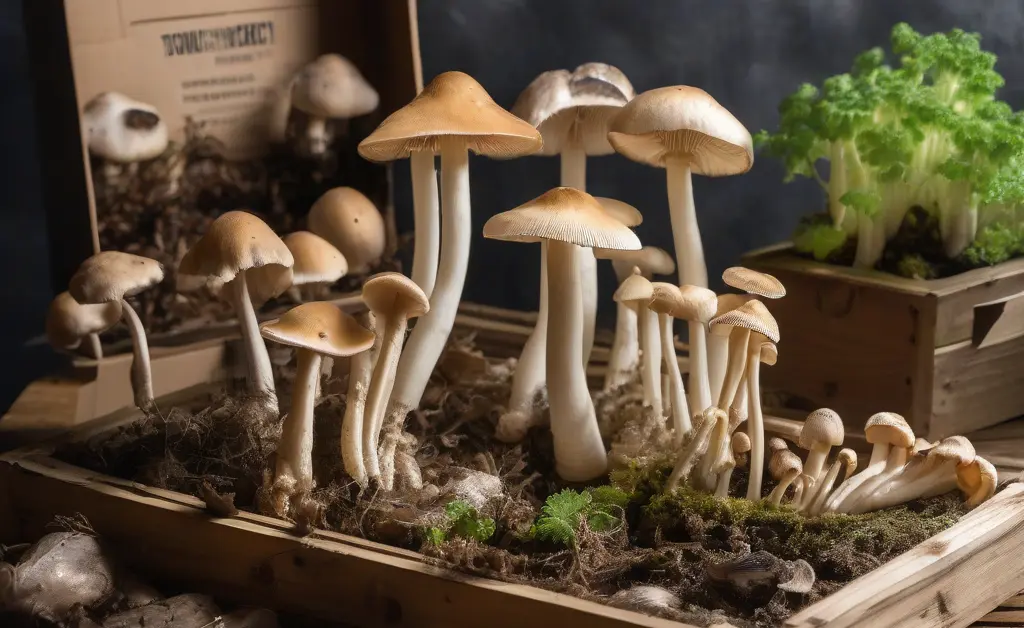
The market offers a range of mushroom growing kits, each designed to cater to different levels of experience and desired outcomes. Understanding the distinctions between these types can help you select the best option for your needs.
All-in-One Grow Kits
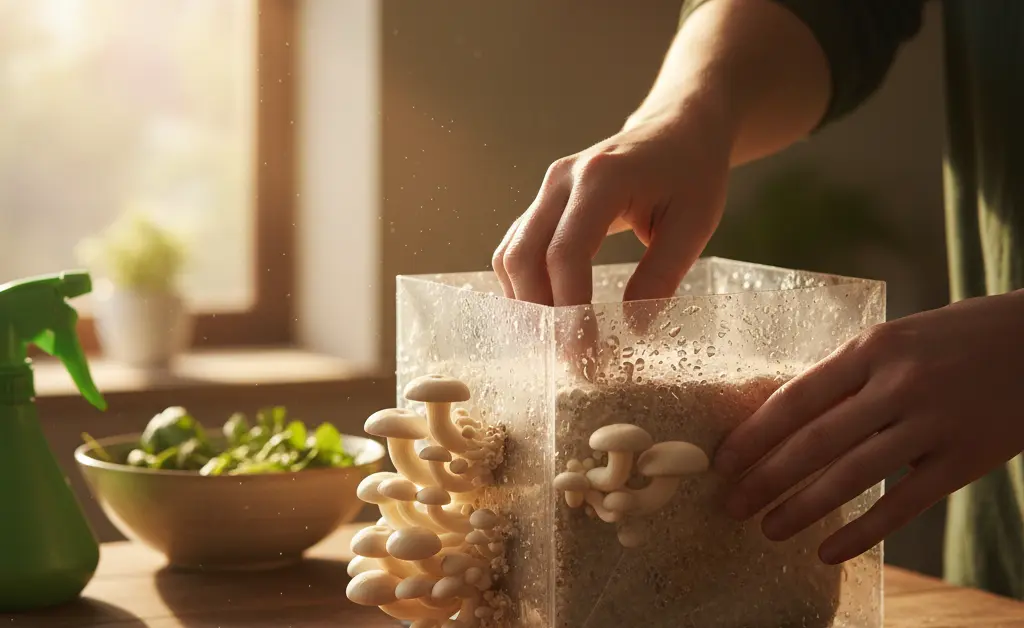
All-in-one grow kits are perhaps the most popular choice, especially for those new to mycology. These kits arrive pre-sterilized and often pre-inoculated with mycelium, meaning the most delicate and contamination-prone steps have already been handled by the manufacturer. They typically consist of a block of colonized substrate encased in a bag or box, ready to be activated. Users usually just need to introduce humidity and light, then wait for the mushrooms to fruit. Their ease of use and high success rates make them excellent beginner-friendly options for cultivating varieties like oyster or shiitake mushrooms.
Advanced Kits
Advanced kits, while still simplifying the overall process compared to starting from scratch, require a bit more user involvement and knowledge. These might come in the form of separate spawn bags (grain colonized with mycelium) and bulk substrate (like coco coir or compost) that the grower needs to mix and prepare. Some kits might involve monotubs, which are larger containers designed for growing a higher yield of mushrooms. While they demand more attention to detail regarding sterilization and environmental control during specific phases, advanced kits can offer greater flexibility in choosing species and potentially lead to larger harvests for dedicated hobbyists.
Choosing the Right Mushroom Cultivation Kit
Selecting the ideal mushroom cultivation kit involves considering several factors tailored to your experience level, space, and desired mushroom variety.
Beginner-Friendly Options
For those just starting, prioritizing ease of use is key. Look for kits explicitly labeled as “beginner-friendly” or “all-in-one.” These often come pre-inoculated and pre-sterilized, minimizing the risk of contamination and the complexity of initial setup. Oyster mushrooms and certain types of shiitake are common choices for such kits due to their robust nature and relatively straightforward fruiting requirements. A good mushroom cultivation kit for novices will include clear, step-by-step instructions and require minimal additional equipment.
Kit Size and Yield
Consider how much space you have available and your desired harvest size. Kits vary significantly in their dimensions and potential output. Smaller kits are perfect for experimenting or for those with limited counter space, typically yielding enough for a few meals. Larger kits, sometimes designed for multiple flushes, can provide a more substantial supply of mushrooms but will, of course, require more room. Always check the estimated yield and dimensions of the kit before purchasing to ensure it aligns with your expectations and environment.
Mushroom Species Compatibility
Not all mushroom species can be grown in every kit. Ensure the kit you choose is compatible with the type of mushroom you wish to cultivate. Popular options include oyster mushrooms (pink, pearl, blue), shiitake, lion’s mane, and sometimes reishi or maitake. Each species has specific temperature, humidity, and light requirements, which the kit is designed to provide or help you maintain. Verify that the kit’s design and included substrate are suitable for your preferred mushroom variety to maximize your chances of success.
How to Use a Mushroom Cultivation Kit
While specific instructions vary by brand and mushroom species, most mushroom cultivation kit setups follow a general sequence of steps. First, activate the kit by preparing it according to the included instructions. This often involves cutting open a bag, misting the substrate, or immersing it in water for a brief period to initiate fruiting. Next, place the kit in an appropriate environment, usually a spot with indirect light and stable room temperature, away from direct sunlight or drafts. Maintaining consistent humidity is critical, typically achieved by misting the kit multiple times a day or placing it in a humidity tent. During the incubation period, the mycelium will continue to colonize, and eventually, small pins (baby mushrooms) will begin to form. Once pins appear, continue to provide the necessary fruiting conditions, ensuring good airflow and humidity until the mushrooms reach maturity and are ready for harvesting. It’s essential to follow the specific mushroom growing kit instructions carefully for optimal results.
Troubleshooting Common Issues with Mushroom Cultivation Kits

Even with a well-designed mushroom cultivation kit, growers may encounter common challenges. One frequent issue is contamination, which can appear as green, black, or orange mold growing on the substrate. This often occurs due to inadequate sanitization or exposure to airborne spores. If contamination is localized, it might be possible to isolate it, but often it can ruin the entire crop. Another common problem is a lack of growth, where the mycelium seems stalled, or pins fail to form. This can be due to incorrect environmental factors such as insufficient humidity, improper temperature, or inadequate fresh air exchange. Poor airflow can lead to leggy, deformed mushrooms. Regularly checking temperature and humidity, along with providing fresh air, can help mitigate these issues. Following the mushroom growing kit problems section of your manual can be very helpful.
Benefits of Using a Mushroom Cultivation Kit
The advantages of using a mushroom cultivation kit are numerous, making it an attractive option for many. Primarily, they offer unparalleled ease of use and convenience, breaking down the barriers to entry for mushroom growing. Beginners can achieve successful harvests without specialized knowledge or expensive equipment. Kits provide a fantastic learning experience, allowing individuals to observe the life cycle of fungi firsthand. Furthermore, growing your own mushrooms ensures a fresh supply of produce, often at a lower cost than purchasing gourmet varieties from stores. This approach also eliminates concerns about pesticides or other chemicals, giving you control over what you consume. This aligns with food safety standards from organizations like the EFSA. A reliable mushroom cultivation kit offers a rewarding and accessible path to homegrown fungi.
Mushroom Cultivation Kit for Beginners
For individuals new to the world of mycology, a mushroom cultivation kit represents an ideal starting point. These kits are meticulously designed to simplify the entire growing process, from inoculation to harvest. They typically come with all the necessary components, pre-sterilized and often pre-colonized, significantly reducing the learning curve and potential for errors. This hands-on experience allows beginners to gain confidence and a foundational understanding of mushroom biology without the complexities of advanced cultivation techniques. Choosing a mushroom cultivation kit specifically marketed for beginners, often featuring resilient varieties like oyster mushrooms, greatly increases the likelihood of a successful first harvest, encouraging continued exploration into the fascinating realm of fungi.
Best Mushroom Cultivation Kit
Determining the “best” mushroom cultivation kit often depends on individual priorities such as ease of use, desired mushroom species, and yield. For beginners, the best kits are those that are all-in-one, arrive fully colonized, and require minimal intervention beyond misting and providing appropriate environmental conditions. Kits from reputable brands known for high success rates and excellent customer support tend to stand out. Advanced growers might prefer kits that offer more control over the growing process or larger yields, potentially involving separate spawn and bulk substrate components. Ultimately, the best mushroom cultivation kit is one that consistently produces healthy, abundant mushrooms for the grower, aligning with their skill level and expectations. Researching reviews and comparing mushroom growing kit options can help in making an informed choice.
Where to Buy Mushroom Cultivation Kits
Mushroom cultivation kits are widely available through various channels, making them easy to acquire. Online retailers are a popular choice, offering a vast selection from numerous brands, often with customer reviews and detailed product descriptions. Websites specializing in mycology supplies, gardening, or organic produce often carry a good range. Additionally, many general e-commerce platforms feature a diverse array of mushroom growing kits for sale. For those who prefer a hands-on shopping experience, specialty garden stores, agricultural supply shops, and even some farmers’ markets might carry kits. Checking local nurseries or health food stores could also yield results, particularly for organic or heirloom varieties. When purchasing, always ensure the vendor has a good reputation and that the kit is fresh and properly sealed to prevent contamination.
Embracing the world of home mushroom cultivation has never been easier, thanks to the accessibility and effectiveness of mushroom cultivation kits. These innovative tools demystify the growing process, transforming what was once a specialized craft into an enjoyable hobby for anyone. By understanding the different types of kits available, carefully selecting one that matches your experience and desires, and diligently following the simple steps for setup and care, you can unlock the satisfaction of harvesting your own fresh, gourmet, and potentially medicinal mushrooms right in your home. From enhancing your culinary adventures to providing a unique learning experience, a mushroom cultivation kit offers a rewarding journey into the fascinating realm of fungi, proving that growing your own food can be both simple and incredibly fulfilling.
This article is meant for general informational use and awareness. It is not intended to provide specific advice or recommendations regarding health, medical conditions, or dietary practices. Always consult with qualified professionals for personalized guidance. The information presented should not be used as a substitute for professional consultation.
FAQ
What are the easiest mushroom grow kits for beginners?
Oyster mushrooms are frequently recommended for new growers due to their vigorous growth and forgiving nature. These varieties tend to colonize substrates quickly and produce harvests relatively soon after initiating fruiting conditions. Their adaptability makes them a great starting point for learning the basics of mushroom cultivation.
What is the best mushroom grow kit for beginners?
The “best” mushroom grow kit for beginners often depends on personal preference and the specific mushroom species the individual wishes to grow. However, kits featuring easy-to-grow species like oyster mushrooms, which are known for their rapid colonization and fruiting, are generally considered excellent choices. These kits provide a straightforward introduction to the process.
How many times will a mushroom kit grow?
A typical mushroom kit can produce multiple harvests, often referred to as “flushes.” The exact number of flushes varies depending on the mushroom species, the substrate’s nutritional content, and how the kit is maintained between harvests. With proper care, a kit may yield several rounds of mushrooms over its productive lifespan.
How long does a mushroom grow kit take to fruit?
The time it takes for a mushroom grow kit to start fruiting after you begin the fruiting process can range from a few days to a couple of weeks. Factors such as room temperature, humidity levels, and the specific mushroom strain influence this timeline. Patience is key, as the mycelium needs time to develop before producing mushrooms.
Can you reuse a mushroom grow kit?
While a mushroom kit is designed for a finite number of harvests from its initial substrate, the block itself can sometimes be reactivated for additional growth. Some growers will soak the block in water to rehydrate it or even try to introduce it to a new nutrient source to encourage further fruiting. This practice extends the life of the kit.
Are mushroom growing kits worth it?
Mushroom growing kits offer a convenient and educational way to experience the process of cultivating fungi at home. They simplify the initial steps by providing pre-colonized substrate, making it accessible for individuals without specialized equipment or extensive knowledge. For those seeking a hands-on introduction to mycology, these kits can be a rewarding investment.