
A Comparative Analysis of Mushroom Cultivation Methods
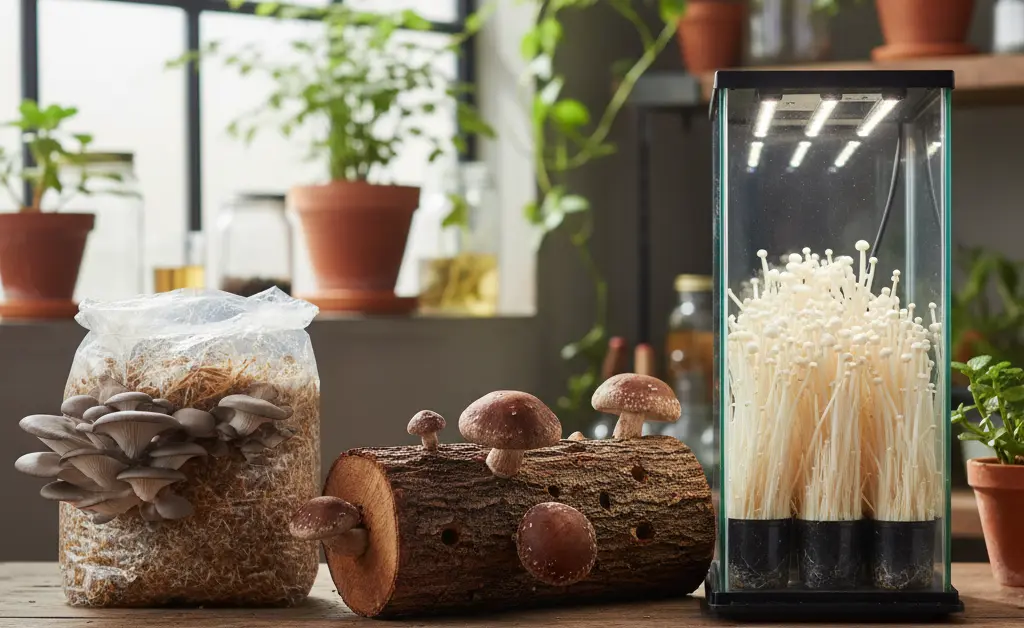
Mushroom cultivation offers diverse approaches for growers of all scales. From simple home setups to complex commercial operations, understanding the specific techniques involved is crucial for success. Different species thrive under various conditions, necessitating careful selection of the most appropriate strategies. This article delves into the spectrum of mushroom cultivation methods, exploring their nuances, benefits, and challenges. We will compare substrate-based systems, log cultivation, outdoor beds, and indoor container farming, providing a comprehensive overview for both novice and experienced cultivators. The goal is to illuminate the paths to successful and sustainable mushroom production, whether for personal consumption or economic gain.
Mushroom Cultivation Methods Explained
Understanding the various mushroom cultivation methods is the first step for anyone looking to enter the world of mycology, whether as a hobbyist or a commercial producer. What is mushroom cultivation? It is the process of growing mushrooms by providing them with the right conditions and nutrients. Each method caters to different species, scales of operation, and resource availability, making it important to select the one that aligns best with specific goals. Getting started with mushroom cultivation involves learning the basic principles of fungal growth and how to manipulate environmental factors to encourage fruiting. Learning more about mushroom cultivation is key here.
Substrate-Based Cultivation
Substrate-based cultivation is one of the most common and versatile mushroom cultivation methods, especially popular for a wide range of gourmet and medicinal species. This approach involves preparing a nutrient-rich medium, known as a substrate, which provides the food source for the mushroom mycelium. Substrates can vary widely, from sawdust, wood chips, and agricultural byproducts like straw or coffee grounds, to more complex mixtures. Substrate preparation often includes chopping or breaking down materials, hydrating them, and then undergoing a sterilization or pasteurization process to eliminate competing microorganisms. Once prepared, the substrate is inoculated with mushroom spawn, and the mycelium is allowed to colonize it before fruiting conditions are introduced. This method is highly adaptable and can be scaled from small bags for home growers to large blocks for commercial operations. Preparing a suitable mushroom growing medium is vital for success.
Log Cultivation
Log cultivation is a traditional and highly sustainable method, particularly suited for wood-loving mushroom species such as shiitake, oyster, and lion’s mane. This technique involves inoculating fresh logs or stumps from specific hardwood trees with mushroom spawn. The logs are typically drilled with holes, into which spawn dowels or sawdust spawn are inserted, and then sealed with wax to prevent contamination and retain moisture. After inoculation, the logs are placed in a shaded, moist environment, allowing the mycelium to colonize the wood over several months. Once fully colonized, the logs can produce mushrooms for several years, offering a natural and relatively low-maintenance approach to growing. While it requires patience during the colonization phase, the long-term yields and natural aesthetic make it a favored choice for many.
Outdoor Beds and Mulching
Outdoor beds and mulching offer an accessible way to grow mushrooms with minimal specialized equipment, often integrating them into existing gardens or landscapes. This method typically uses wood chips, straw, or other organic materials spread over the ground as a substrate, which is then inoculated with outdoor-appropriate mushroom spawn. Species like wine cap (Stropharia rugosoannulata) thrive in such environments, decomposing the organic matter and producing mushrooms directly from the beds. Mulching also involves applying a layer of inoculated substrate around existing plants, which can potentially benefit soil health in addition to producing fungi. These systems often rely on natural rainfall and ambient temperatures, making them a more hands-off approach once established. They can be a great option for those looking to explore mushroom growing without significant initial investment in controlled indoor environments. Growing mushrooms on straw is a popular variation of this method, especially for certain oyster mushroom species.
Container and Indoor Systems
Indoor container and controlled environment systems represent a highly efficient and often high-yield approach to mushroom cultivation. This method allows growers to precisely manage critical environmental controls such as temperature, humidity, and carbon dioxide levels, which are crucial for optimal mycelial growth and fruiting. Containers can range from simple buckets or plastic tubs filled with inoculated substrate to sophisticated shelving units with automated climate control. These systems are ideal for urban growers or those with limited outdoor space, offering the ability to cultivate a wide variety of species year-round. While requiring more initial investment in equipment and a deeper understanding of environmental parameters, indoor systems can provide consistent and predictable harvests, making them popular for both hobbyists aiming for continuous supply and commercial enterprises focusing on intensive production. Growing mushrooms using sawdust is a common technique in these systems.
Understanding Mushroom Cultivation Methods
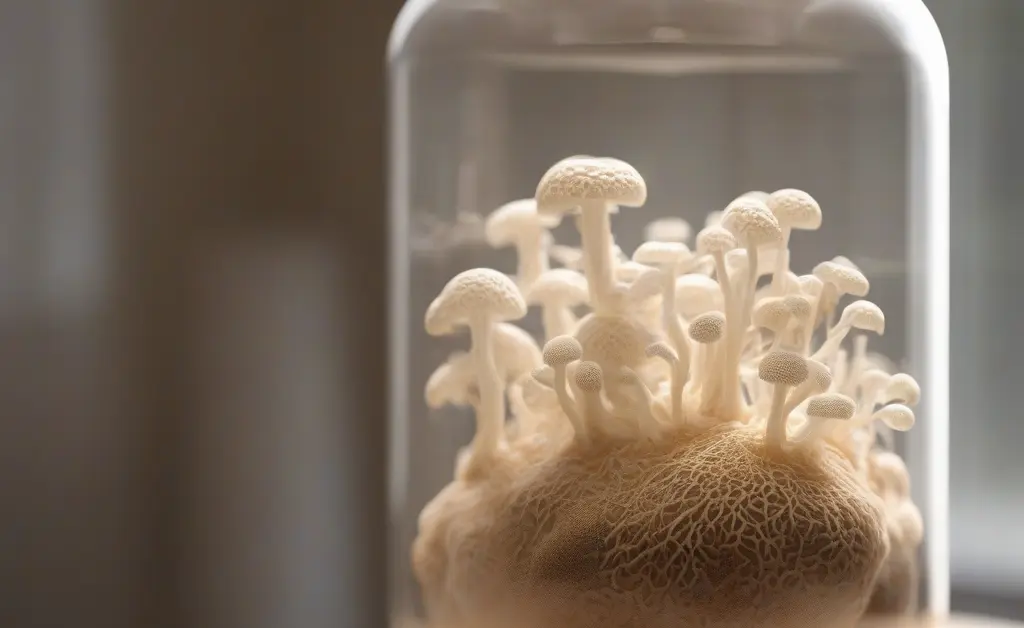
Grasping the nuances of different mushroom cultivation methods is key to successful mycological endeavors. Beyond the basic techniques, it’s crucial to consider the various steps involved, from initial substrate preparation to the final harvest. What are the basic steps in mushroom cultivation? They generally include substrate preparation, sterilization or pasteurization, inoculation with spawn, spawn run (mycelial colonization), fruiting, and harvesting. Each of these steps has specific requirements that vary depending on the chosen method and the mushroom species being cultivated. For example, substrate preparation for log cultivation differs significantly from that for indoor container growing. Environmental controls, such as maintaining appropriate temperature, humidity, and air exchange (to manage CO2 levels), are paramount for encouraging robust growth and bountiful harvests. A thorough understanding of these elements helps cultivators optimize their processes and overcome potential challenges.
Beginner Mushroom Cultivation Methods
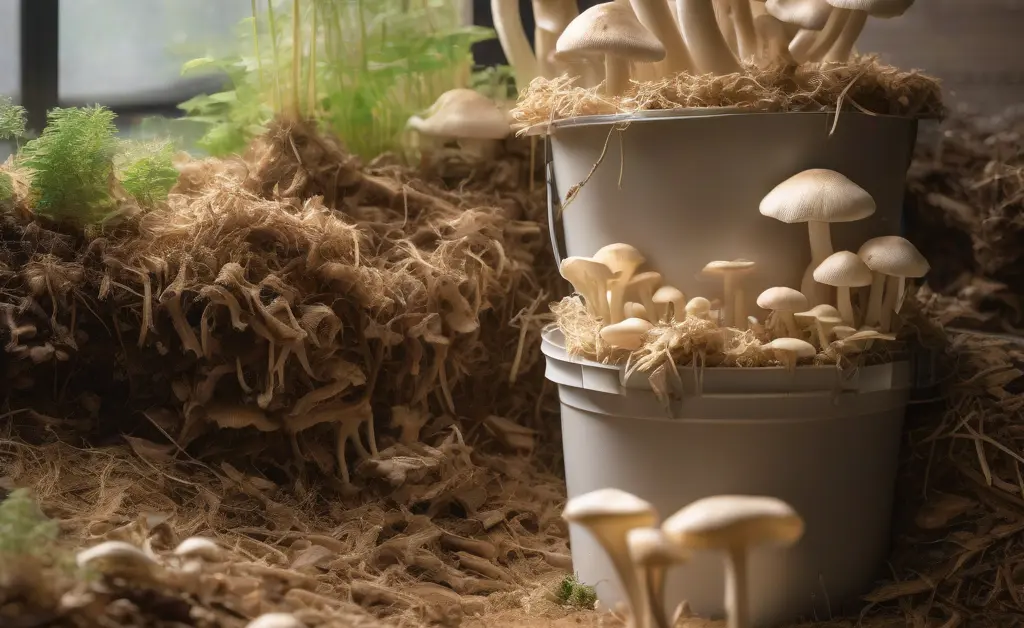
For those just starting, selecting beginner mushroom cultivation methods that are straightforward and forgiving can make the learning process enjoyable and rewarding. What is the easiest mushroom to grow for beginners? Oyster mushrooms are often recommended due to their fast colonization times, resilience, and ability to grow on a variety of readily available substrates like straw or coffee grounds. The easiest method of mushroom cultivation for beginners often involves pre-sterilized grow kits, which simplify the process significantly. These kits come inoculated and ready to fruit, requiring only proper environmental conditions, typically misting for humidity. For a slightly more hands-on approach, bucket cultivation of oyster mushrooms on straw is also a popular beginner method, as it requires minimal specialized equipment and provides a good introduction to substrate preparation and inoculation. Focusing on robust and adaptable species with less stringent environmental demands can greatly enhance a beginner’s chances of success and build confidence for more advanced techniques.
Methods of Commercial Mushroom Cultivation
Commercial mushroom cultivation methods are typically characterized by their focus on efficiency, scale, and consistent yields to meet market demands. Large-scale operations often employ sophisticated indoor systems that allow for precise control over environmental factors. This includes climate-controlled grow rooms where temperature, humidity, light, and CO2 levels are meticulously managed to optimize production for specific species like button mushrooms, shiitake, or oyster mushrooms. Substrate production, sterilization, inoculation, and fruiting are often mechanized to reduce labor and increase output. What’s the most profitable mushroom to grow? This often depends on market demand, cultivation difficulty, and speed of harvest. High-value gourmet and medicinal mushrooms can offer substantial profit margins, but often require more specialized knowledge and controlled environments. Commercial growers must also consider factors like logistics, distribution, and marketing to ensure profitability. The investment in infrastructure and technology for commercial mushroom cultivation can be substantial, but it allows for year-round production and the ability to serve larger markets. For many commercial ventures, mushroom cultivation on paddy straw is a cost-effective and efficient method.
Choosing the Right Mushroom Cultivation Method
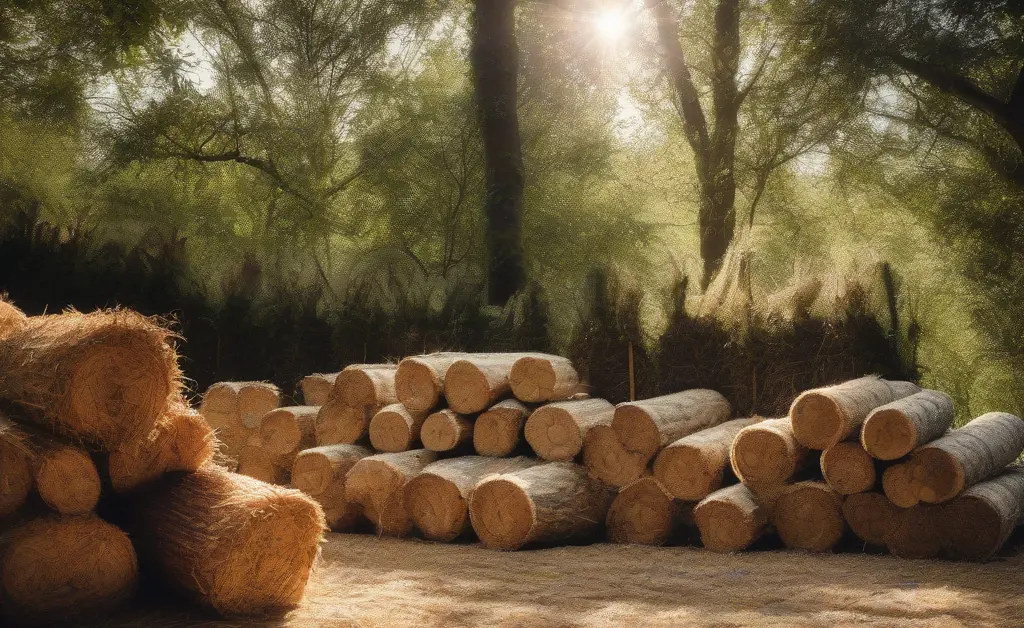
Selecting the appropriate mushroom cultivation method involves a thoughtful evaluation of several key considerations. Resource availability plays a significant role; this includes factors such as available space (indoor or outdoor), equipment, and budget. For instance, log cultivation requires access to fresh hardwood logs and a suitable outdoor shaded area, while indoor container systems demand climate-controlled spaces and specialized equipment. The scale of operation is another critical determinant; a hobbyist growing for personal consumption will have different needs than a commercial enterprise aiming for high volume. Mushroom species requirements are paramount, as different fungi have distinct preferences for substrate, temperature, and humidity. For example, some species prefer wood-based substrates, while others thrive on compost or straw. Key considerations for mushroom cultivation also include the desired outcome, whether it’s for consistent year-round supply, natural integration into a garden, or maximizing profit. A careful assessment of these factors will guide cultivators toward the most effective and sustainable approach for their specific goals.
Mushroom Cultivation Methods for Profit
Exploring mushroom cultivation methods for profit requires strategic planning and a keen understanding of market dynamics. While hobbyists might prioritize ease or enjoyment, commercial growers focus on yield, efficiency, and market value. Identifying what’s the most profitable mushroom to grow is often the starting point. Species like gourmet oyster mushrooms, shiitake, lion’s mane, and certain medicinal varieties tend to command higher prices. Cultivating these often involves controlled indoor environments to ensure consistent quality and production cycles. Efficient substrate preparation, optimal environmental controls, and effective fruiting and harvesting techniques are crucial for maximizing output and minimizing waste. Beyond direct sales, some cultivators explore value-added products like dried mushrooms, mushroom powders, or extracts to enhance profitability. Successful commercial operations also consider direct-to-consumer sales, farmers’ markets, and wholesale opportunities. The right mushroom cultivation methods, combined with a solid business plan, can transform a mycological passion into a lucrative venture. For instance, mushroom cultivation with sawdust can be a viable commercial option for specific species.
The world of mushroom cultivation is rich with diverse methods, each offering unique advantages and challenges. From traditional outdoor log cultivation to sophisticated indoor commercial farms, the choice of technique depends on individual goals, resources, and the specific mushroom species being grown. Successful cultivation hinges on understanding the fundamental biological needs of fungi and adapting environmental controls to facilitate their growth. Whether for personal enjoyment, culinary exploration, or commercial enterprise, thoughtful planning and continuous learning are key to harnessing the fascinating potential of mushrooms.
This content is for informational use and should not be considered medical instruction. It is not intended to be a substitute for professional medical advice, diagnosis, or treatment. Always seek the advice of your physician or other qualified health provider with any questions you may have regarding a medical condition. Never disregard professional medical advice or delay in seeking it because of something you have read in this material. For more information on health conditions, consult the NHS.
FAQ
What are the different ways to grow mushrooms?
There are several mushroom cultivation methods, each suited to different species and environments. Some approaches involve outdoor log inoculation, mimicking natural growth, while others utilize controlled indoor environments with sterilized substrates like sawdust or grain in bags or jars. These diverse techniques allow for the propagation of a wide variety of fungal species.
What are the most common mushroom cultivation techniques?
Among the most prevalent techniques are growing on sterilized sawdust blocks or grain spawn in climate-controlled indoor settings, which offers precise environmental control for many gourmet and functional varieties. Another popular method involves inoculating hardwood logs for outdoor cultivation, a traditional approach well-suited for species like Shiitake and Oyster mushrooms. These methods provide optimized conditions for mycelial growth and fruiting body development.