
A Blueprint for Your Mushroom Cultivation Project
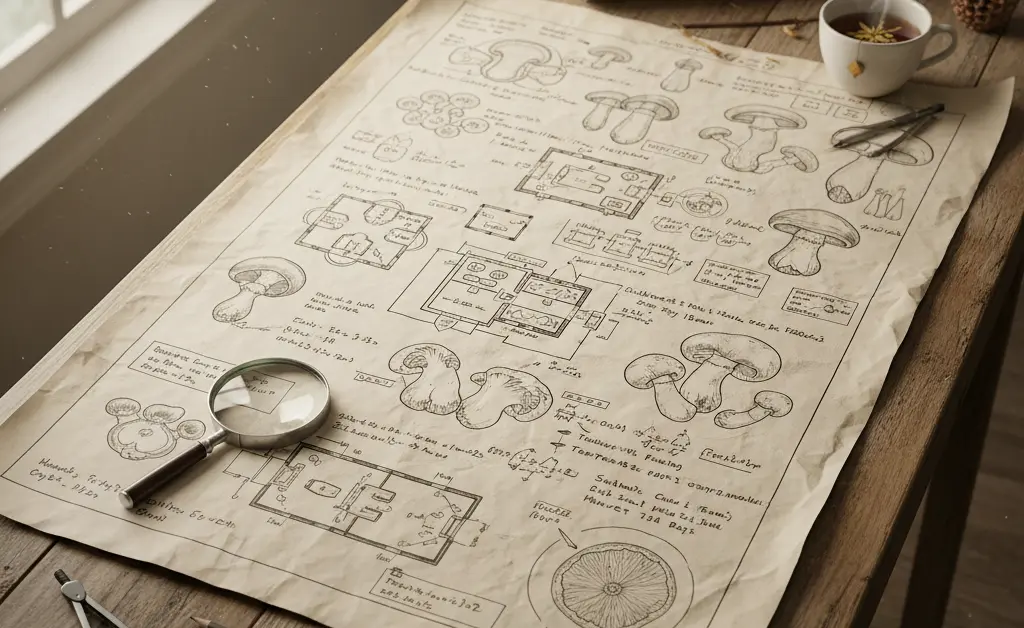
Many aspiring cultivators might assume that embarking on mushroom farming is a straightforward endeavor, requiring little more than spores and a growing medium. However, while accessible, successful cultivation demands a methodical and well-structured approach to truly thrive. Rushing into production without adequate foresight often leads to inefficiencies, unexpected challenges, and suboptimal yields. This guide aims to dispel the notion that success is merely a matter of chance, instead highlighting the critical importance of meticulous planning and strategic execution. By outlining essential considerations from site preparation to market analysis, this blueprint serves as an indispensable resource for anyone looking to undertake a successful mushroom cultivation project, ensuring that every step is purposeful and contributes to long-term viability. A comprehensive guide to mushroom cultivation is essential.
Mushroom Cultivation Project
Defining the Scope and Objectives
Before initiating any practical steps, a clear definition of the scope and objectives for your mushroom cultivation project is paramount. This involves determining the scale of operations, whether it’s a small-scale hobbyist endeavor, a medium-sized commercial farm, or a large industrial setup. Key objectives might include producing mushrooms for local markets, supplying specialty restaurants, or even exploring mushroom-based product development. Understanding these parameters early on helps in making informed decisions about resource allocation, technology adoption, and overall project direction. Establishing specific, measurable, achievable, relevant, and time-bound (SMART) goals will provide a clear roadmap for success and allow for effective progress tracking.
Methodology and Cultivation Process
The selection of an appropriate cultivation methodology is central to any mushroom cultivation project. Different mushroom species thrive under varying conditions and require distinct cultivation techniques. For instance, some varieties grow well on sawdust blocks, while others prefer straw or logs. The cultivation process typically involves several stages: substrate preparation, sterilization, inoculation, incubation, fruiting, and harvesting. Each stage requires specific environmental controls and careful execution to ensure healthy mycelial growth and subsequent mushroom development. A thorough understanding of these processes is vital for optimizing yields and maintaining product quality. For a deeper dive, consider a detailed mushroom cultivation essay.
Resource Requirements (Materials, Equipment, Labor)
A detailed assessment of resource requirements is crucial for the efficient planning and execution of a mushroom cultivation project. Materials typically include the chosen substrate (e.g., straw, sawdust, logs), spawn (mycelium inoculum), and supplementary nutrients. Essential equipment may range from pressure cookers for sterilization and environmental control systems (humidifiers, fans) to shelving and harvesting tools. Labor requirements depend heavily on the scale of operations, encompassing tasks such as substrate preparation, inoculation, environmental monitoring, harvesting, and packaging. Accurately estimating these needs prevents bottlenecks and ensures smooth operations.
Financial Projections (Costs, Revenue, Profitability)
Comprehensive financial projections are a cornerstone of any viable mushroom cultivation project. This involves meticulously estimating startup costs, which can include land acquisition or lease, facility construction or renovation, equipment purchases, and initial material supplies. Operational costs, such as utilities, labor wages, continuous material procurement, and marketing expenses, also need to be factored in. On the revenue side, projections are based on expected yields, market prices, and sales channels. By comparing anticipated revenues against total costs, one can calculate potential profitability, determine the break-even point, and assess the overall financial viability of the project.
Market Analysis and Feasibility
Understanding the market landscape is indispensable for a successful mushroom cultivation project. Market analysis involves identifying target consumers, assessing demand for specific mushroom varieties, and analyzing competitor pricing and distribution strategies. Factors such as local demand, consumer preferences for organic or specialty mushrooms, and the potential for value-added products should be considered. A thorough feasibility study evaluates whether the project is practical and likely to succeed given the identified market conditions, available resources, and regulatory environment. This analysis helps in strategic positioning and ensures that the cultivated produce meets market needs. Exploring the details of a mushroom cultivation research paper can provide valuable insights here.
Oyster Mushroom Cultivation Project
Site Selection and Preparation
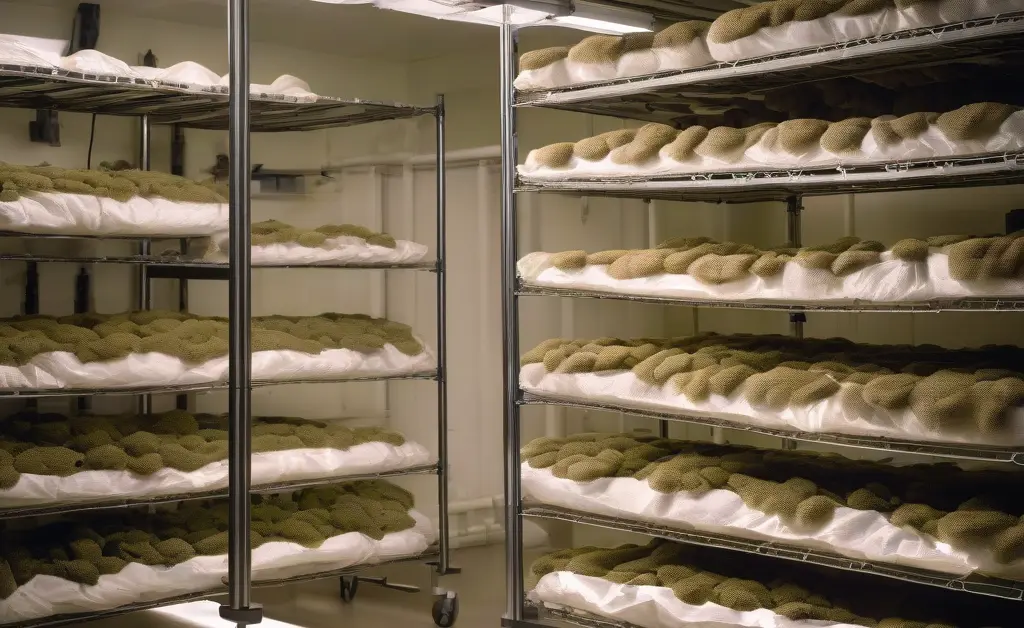
For an oyster mushroom cultivation project, site selection is a critical first step. The chosen location should allow for adequate space for cultivation rooms, substrate preparation areas, and storage. Considerations include access to utilities like water and electricity, proper ventilation, and protection from extreme weather conditions. Preparation of the site involves setting up the infrastructure required for environmental control, including insulation, climate control systems, and potentially dedicated sterilization facilities. An ideal site promotes hygiene and efficient workflow, minimizing contamination risks inherent in mushroom farming.
Substrate Preparation and Sterilization
Oyster mushrooms are versatile and can grow on a wide range of lignocellulosic materials such as straw, sawdust, agricultural waste, and coffee grounds. Substrate preparation involves chopping, soaking, and often supplementing these materials to achieve the optimal moisture content and nutrient profile. Sterilization or pasteurization of the substrate is a crucial step to eliminate competing microorganisms that could hinder mycelial growth. This can be achieved using heat (autoclaves, steam pasteurization) or chemical methods, creating a clean environment for the oyster mushroom mycelium to colonize effectively.
Inoculation and Incubation
Inoculation is the process of introducing oyster mushroom spawn (mycelium growing on a grain base) into the prepared and cooled substrate. This must be done under aseptic conditions to prevent contamination. The inoculated substrate is then moved to an incubation area, where it is kept in dark conditions with specific temperature ranges to encourage rapid mycelial colonization. During this incubation phase, the mycelium spreads throughout the substrate, forming a dense, white network. Proper humidity and temperature control are vital during this period to ensure robust growth without premature fruiting.
Fruiting and Harvesting
Once the substrate is fully colonized, it is exposed to conditions that trigger fruiting. This typically involves reducing carbon dioxide levels, increasing fresh air exchange, providing specific light exposure, and maintaining higher humidity. Small pinhead mushrooms will begin to form, rapidly developing into mature oyster mushroom clusters. Harvesting usually occurs when the caps are fully expanded but before they begin to release spores. Careful harvesting techniques are employed to avoid damaging the substrate, which might allow for subsequent flushes of mushrooms.
Post-Harvest Handling and Packaging
After harvesting, proper post-harvest handling is essential to maintain the quality and shelf life of oyster mushrooms. This includes gentle handling to prevent bruising, quick cooling to remove field heat, and careful cleaning if necessary. Packaging materials should be breathable to prevent moisture buildup and decay while still protecting the delicate mushrooms from physical damage. Packaging strategies also consider the target market, with options ranging from bulk containers for wholesale to retail-ready punnets or bags for direct consumer sales, ensuring the product arrives fresh and appealing.
Button Mushroom Cultivation Project Report PDF
Pest and Disease Management
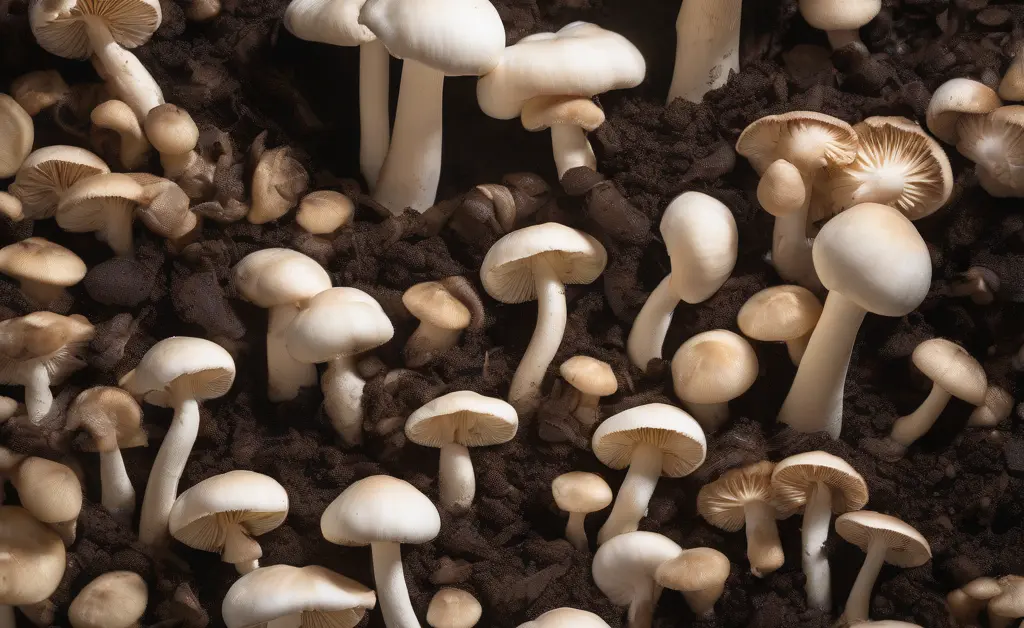
Effective pest and disease management is a critical section within any mushroom cultivation project report, especially for button mushrooms which are susceptible to various issues. Common pests include sciarid flies and mites, while diseases can include green mold (Trichoderma) and bacterial blotch. A comprehensive management strategy involves maintaining strict hygiene protocols, using sterilized compost, implementing pest barriers, and monitoring crops diligently. Biological controls and approved pest control agents may be employed as needed, with a strong emphasis on prevention to minimize reliance on interventions. Navigating these challenges is part of any robust mushroom cultivation assignment.
Environmental Control (Temperature, Humidity)
Precise environmental control is paramount for a successful button mushroom cultivation project. Temperature and humidity levels must be meticulously managed throughout the entire cultivation cycle, from composting and spawning to casing and fruiting. Spawn run typically requires a warmer temperature, while fruiting demands a cooler range. Humidity levels are kept high, especially during the pinning and cropping phases, to promote proper mushroom development and prevent dehydration. A detailed project report would outline the specific environmental parameters for each stage and the systems used to maintain them, such as HVAC units, humidifiers, and ventilation systems.
Market Access and Distribution
Securing reliable market access and efficient distribution channels is a key component for any button mushroom cultivation project. This involves identifying potential buyers, which could include grocery stores, wholesalers, restaurants, and food service providers. Establishing strong relationships with distributors or developing direct sales routes are vital. A project report would detail the planned distribution logistics, including transportation methods, cold chain management to preserve freshness, and packaging solutions tailored for different market segments. Understanding market dynamics helps ensure that the harvested mushrooms reach consumers efficiently and profitably. For those interested in the regulatory aspects, consulting the FDA is recommended.
Mushroom Farming
Mushroom farming, as an agricultural practice, encompasses a broad spectrum of techniques and scales, from small-scale artisanal growers to large industrial operations. It offers significant opportunities for economic development, particularly in regions with abundant agricultural waste that can be repurposed as substrate. The practice is gaining traction due to the growing consumer demand for fresh, healthy, and sustainably produced food items. Successful mushroom farming requires a deep understanding of mycology, agricultural science, and business management. It involves cultivating various types of mushrooms, each with specific environmental needs and growth characteristics, contributing to a diverse and profitable industry.
Key Components of a Mushroom Cultivation Project Report

A comprehensive mushroom cultivation project report serves as a detailed blueprint and business plan. It typically begins with an executive summary, followed by an introduction and background section that outlines the project’s vision and objectives. Subsequent sections delve into technical details like species selection, cultivation methodology, and site specifications. Crucially, the report includes thorough financial projections covering startup costs, operating expenses, revenue forecasts, and profitability analysis. It also incorporates a robust market analysis, detailing target markets, competition, and distribution strategies. Furthermore, risk assessment and mitigation strategies, as well as an environmental impact assessment, are vital. A well-prepared report is essential for securing funding, guiding operations, and evaluating the overall success of the mushroom cultivation project.
Steps in Developing a Mushroom Cultivation Project
Developing a successful mushroom cultivation project involves a series of structured steps, beginning with thorough research and planning. The initial phase includes defining the project scope, identifying target mushroom species, and conducting a detailed market analysis to assess demand and feasibility. Next, comes the site selection and preparation, ensuring suitable infrastructure and environmental controls are in place. Following this, the focus shifts to sourcing quality spawn and raw materials for substrate preparation. The operational phase encompasses the entire cultivation cycle: substrate sterilization, inoculation, incubation, and managing the fruiting environment. Post-harvest activities involve proper handling, packaging, and establishing distribution channels. Continuous monitoring, record-keeping, and adaptation based on performance data are crucial for the long-term success and sustainability of the mushroom cultivation project.
Challenges and Solutions in Mushroom Cultivation Projects
Undertaking a mushroom cultivation project comes with its unique set of challenges, though effective solutions exist for most. Contamination, often from bacteria, molds, or competing fungi, is a common hurdle; this can be mitigated through strict hygiene, proper sterilization techniques, and environmental controls. Maintaining optimal environmental conditions, such as precise temperature, humidity, and CO2 levels, can be complex but is manageable with automated systems and regular monitoring. Pests and diseases also pose threats, requiring integrated pest management strategies and early detection. Market fluctuations and securing consistent distribution can also be challenging, necessitating robust market analysis and diversified sales channels. Investing in research and development, continuous training, and adopting sustainable practices can significantly enhance resilience and success in any mushroom cultivation project.
The journey of establishing a mushroom cultivation venture, whether for commercial gain or personal fulfillment, is one that intertwines scientific rigor with practical application. As this guide has underscored, success is not a happenstance but the direct result of meticulous planning, strategic execution, and a continuous commitment to learning and adaptation. From the initial conceptualization of your project to the intricacies of post-harvest management and market access, each phase demands careful attention and a forward-thinking approach. By embracing the principles outlined herein, cultivators can navigate potential challenges, optimize their processes, and ultimately cultivate a thriving operation that consistently yields high-quality produce. This foundational blueprint provides the necessary framework for turning ambition into a flourishing reality in the dynamic world of mushroom cultivation.
This material is shared for educational insight, not for clinical decision-making. The information provided is intended for general knowledge and informational purposes only, and does not constitute medical advice. It is essential to consult with qualified professionals for specific guidance regarding health or medical conditions. Reliance on any information provided in this content is solely at your own risk, and it should not be used as a substitute for professional consultation.
FAQ
What are the essential elements of a mushroom cultivation project proposal?
A comprehensive proposal outlines the project’s objectives, the specific mushroom species to be cultivated, and the detailed methodology, including substrate preparation and environmental controls. Crucial elements also encompass a robust budget breakdown, a timeline for activities, and a clear market analysis to demonstrate viability. For any significant Mushroom cultivation project, these components are vital for securing resources and guiding successful execution, ensuring all stakeholders understand the scope and potential of the endeavor.
How to write a mushroom cultivation project report for academic purposes?
For academic purposes, a mushroom cultivation project report typically includes a detailed introduction setting the context and objectives, followed by a thorough literature review grounding the work in existing research. The methodology section must be meticulously described to allow for reproducibility, detailing substrate composition, sterilization techniques, and environmental parameters. Finally, presenting clear results, a thoughtful discussion interpreting findings, and a concise conclusion are essential for academic rigor.
What are the common mistakes in mushroom cultivation projects?
Overlooking rigorous sterilization protocols is a frequently encountered challenge, as contaminants can easily outcompete desirable fungal mycelium, leading to crop failure. Inconsistent environmental control, particularly regarding temperature, humidity, and fresh air exchange, also commonly hinders successful growth and yield. Additionally, selecting an inappropriate or poorly prepared substrate for the specific mushroom species is a common misstep that can significantly compromise outcomes.
What is the average cost of setting up a mushroom cultivation project?
The cost of establishing a mushroom cultivation project is highly variable, depending significantly on its intended scale, from small-scale personal endeavors to large commercial operations. Key factors influencing investment include the chosen mushroom species, the type and sophistication of equipment required for environmental control, and the cost of raw materials for substrate preparation. Therefore, a detailed budget analysis tailored to the specific project scope is essential for understanding the financial commitment.