
The Technology Behind Successful Mushroom Farming
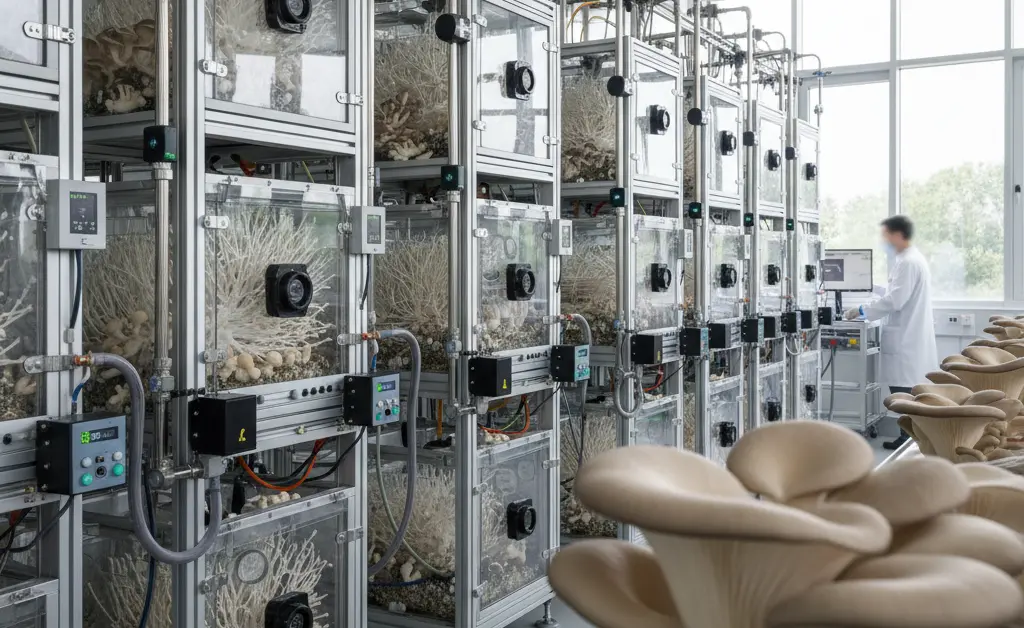
In an era marked by increasing consumer focus on sustainable food sources, health-conscious diets, and innovative culinary practices, mushrooms have emerged as a versatile and highly sought-after ingredient. From gourmet varieties enhancing fine dining to medicinal fungi supporting wellness trends, their popularity is undeniable. Meeting this expanding demand efficiently and reliably requires more than traditional farming methods; it necessitates a sophisticated integration of scientific principles and engineering advancements. This article delves into the intricate world of Mushroom cultivation technology, exploring the innovative systems, environmental controls, and advanced techniques that are revolutionizing how fungi are grown. We will examine the critical components and emerging solutions that enable both small-scale enthusiasts and large commercial operations to achieve optimal yields and superior quality.
Introduction to Mushroom Cultivation Technology
The practice of cultivating mushrooms has evolved significantly from traditional forest foraging to highly controlled indoor environments. This transformation is largely due to advancements in mushroom cultivation technology, which integrates biological understanding with engineering solutions. Modern approaches aim to replicate and optimize the natural growth conditions of fungi, leading to more consistent yields, faster growth cycles, and superior product quality. The importance of technology in mushroom farming cannot be overstated, as it allows for the precise manipulation of environmental factors crucial for successful mushroom growth. Learn more about mushroom cultivation.
Controlled Environment Agriculture (CEA) for Mushrooms
Controlled Environment Agriculture (CEA) represents a cornerstone of modern mushroom cultivation. This approach involves growing fungi in enclosed structures where environmental conditions such as temperature, humidity, and CO2 levels can be precisely managed. For mushrooms, this means creating optimal microclimates that mimic their ideal natural habitats. CEA systems often incorporate sophisticated sensors and automation to maintain these conditions consistently, significantly reducing risks associated with external weather variations and pest infestations, while maximizing growth efficiency and yield potential.
Essential Components of Mushroom Cultivation
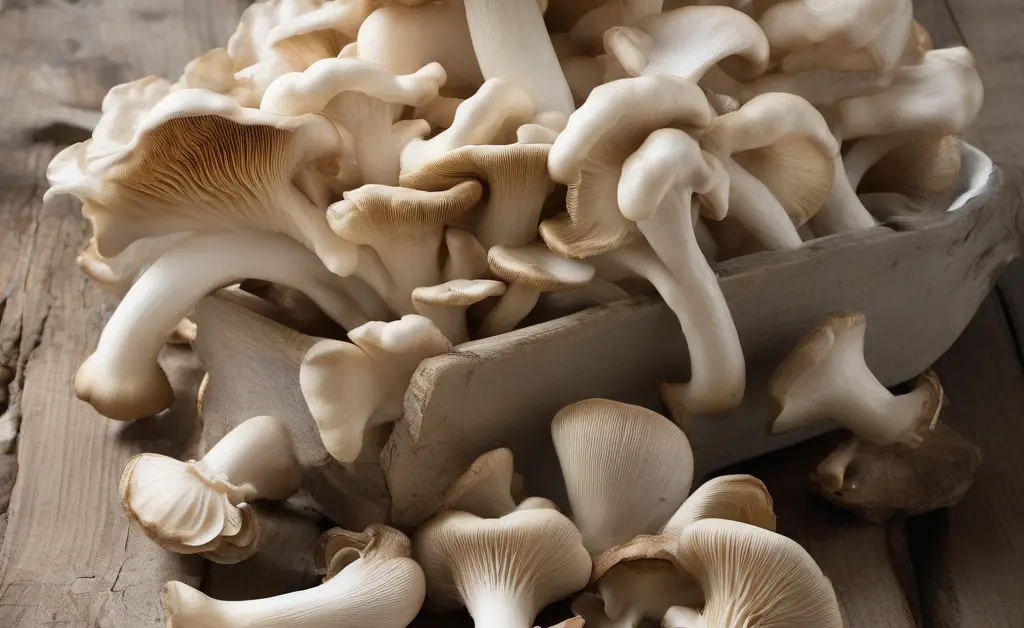
Successful mushroom cultivation relies on a suite of essential components, each playing a critical role in the growth cycle. These components, often enhanced by mushroom cultivation technology, range from the growing medium itself to the advanced systems that monitor and control the environment. Proper selection and management of these elements are fundamental to achieving high-quality and abundant harvests, particularly in commercial settings where consistency is paramount.
Automated Systems and Monitoring
Automated systems and monitoring tools have revolutionized the efficiency and reliability of mushroom farms. These technologies include sensors that continuously track vital environmental parameters such as temperature, humidity, and carbon dioxide levels. Automated systems can then adjust ventilation, heating, cooling, and misting to maintain the perfect growing conditions. Data logging and analytics provide cultivators with insights into growth patterns and environmental responses, enabling continuous optimization of processes and resource utilization, which is a hallmark of modern cultivation technology. Understanding mushroom cultivation using IoT is key.
Contamination Control Technologies
Contamination control is a paramount concern in mushroom cultivation, as unwanted molds, bacteria, and other fungi can quickly ruin an entire crop. Advanced contamination control technologies employ rigorous sterilization and pasteurization techniques for substrates and equipment. This often involves autoclaves, laminar flow hoods, and HEPA filtration systems to ensure a sterile working environment. Implementing these technologies is critical for preventing pathogens from compromising spawn or developing mycelium, safeguarding the integrity and productivity of the mushroom cultivation process.
Key Stages in Mushroom Cultivation
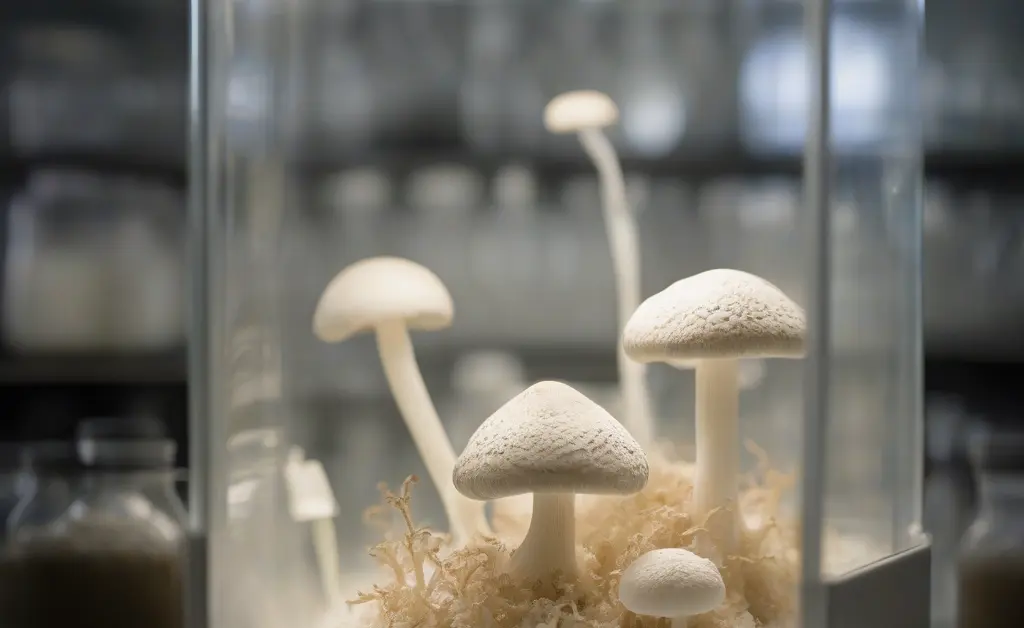
Mushroom cultivation involves a series of distinct stages, each requiring specific conditions and meticulous management. From preparing the substrate to the final harvest, modern mushroom cultivation technology enhances precision and efficiency at every step. Understanding these basic steps is crucial for anyone looking to optimize mushroom growth, whether for small-scale projects or large commercial mushroom farming operations. Technology allows for finer control and consistency across these complex biological processes.
Specific Strain Cultivation Technologies
The successful cultivation of various mushroom species, each with its unique requirements, greatly benefits from specific strain cultivation technologies. These technologies enable growers to precisely control conditions to favor a particular mushroom type, from delicate oyster mushrooms to robust shiitake. Factors such as substrate composition, specific temperature fluctuations, and precise humidity levels can be fine-tuned. This targeted approach, powered by advanced mushroom cultivation technology, ensures that each strain receives its ideal growing environment, leading to superior quality and higher yields for diverse mushroom varieties. The optimal mushroom cultivation temperature is critical for specific strains.
Advanced Mushroom Cultivation Techniques
Beyond the foundational methods, advanced mushroom cultivation techniques push the boundaries of productivity and sustainability. These techniques often involve integrating sophisticated environmental controls, novel substrate formulations, and genetic selection to enhance various aspects of mushroom growth. The goal is to optimize yield and quality while minimizing resource consumption and environmental impact, making mushroom farming more efficient and environmentally friendly.
Emerging Technologies
The field of mushroom cultivation is continuously evolving with the introduction of emerging technologies. Innovations such as Artificial Intelligence (AI) and the Internet of Things (IoT) are beginning to play a significant role, offering predictive analytics for environmental control and automated disease detection. New research into alternative substrates, like agricultural waste products, also promises to improve sustainability. These emerging technologies hold the potential to further refine mushroom cultivation technology, making farms smarter, more resilient, and even more productive.
Mushroom Cultivation Technology for Commercial Operations
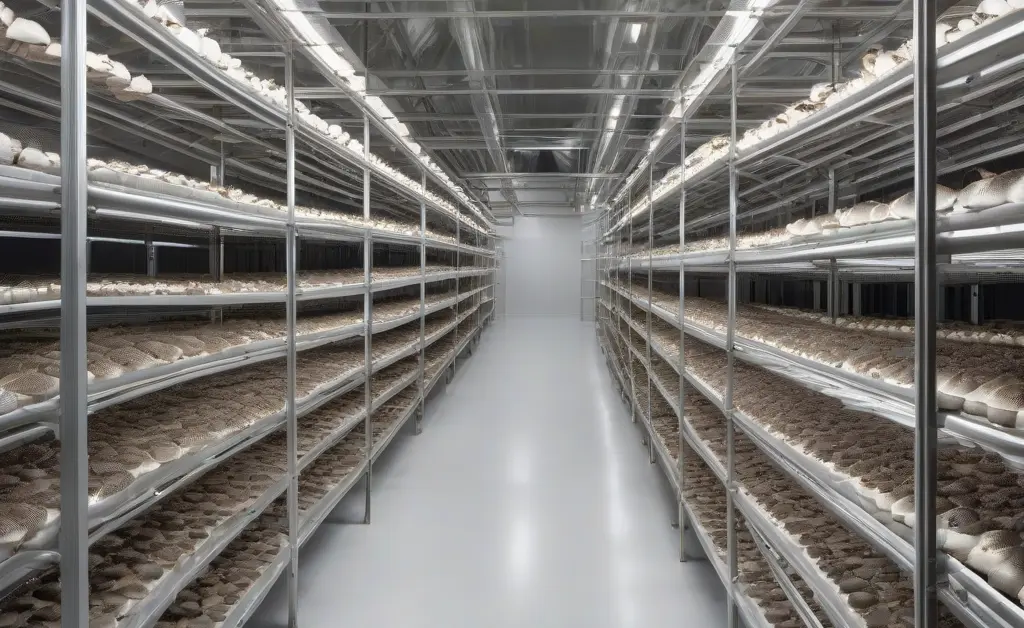
For commercial operations, the application of robust mushroom cultivation technology is not merely an advantage, but a necessity. Large-scale farming requires systems that can ensure consistency, scalability, and cost-effectiveness. This involves sophisticated environmental control systems, automated substrate preparation methods, large-scale inoculation and spore management, and efficient harvesting techniques. Commercial facilities often employ integrated management software to monitor every aspect of the production cycle, from spawn run and incubation to fruiting conditions, ensuring optimal yield and quality while maintaining operational sustainability. Setting up a dedicated mushroom cultivation room is essential for commercial success.
Challenges and Solutions in Mushroom Cultivation
Mushroom cultivation, despite its advancements, still presents various challenges that growers must navigate. These can include managing environmental fluctuations, preventing widespread contamination, and optimizing resource use. Fortunately, ongoing developments in cultivation technology provide numerous solutions. For example, highly sensitive sensors coupled with automated climate control systems can mitigate environmental inconsistencies. Enhanced filtration and sterilization techniques offer robust contamination control, while research into more efficient substrate use and recycling contributes to greater sustainability in mushroom farming. Addressing these issues through sophisticated mushroom cultivation technology helps improve overall farm resilience and productivity. For further information on health-related aspects, consult resources such as the National Library of Medicine.
The Future of Mushroom Cultivation Technology
The future of mushroom cultivation technology is poised for exciting innovations, driven by increasing global demand for sustainable food sources and medicinal compounds. We can anticipate further integration of AI for predictive modeling of growth cycles and disease outbreaks, along with more advanced robotics for harvesting and processing. Research into new, highly efficient substrate materials and closed-loop systems for water and nutrient recycling will likely become standard. These developments promise to make mushroom farming even more productive, environmentally friendly, and capable of meeting future demands, continually advancing the capabilities of mushroom cultivation technology.
The rapid evolution of mushroom cultivation technology has transformed what was once a traditional agricultural practice into a sophisticated, science-driven industry. From precise environmental controls to automated systems and advanced genetic selection, technology is making mushroom farming more efficient, sustainable, and productive than ever before. As demand for fungi continues to grow, these innovations will be crucial in ensuring a consistent supply of high-quality mushrooms for diverse applications, from culinary delights to health supplements. The future promises even more integration of cutting-edge solutions, further solidifying the role of advanced technology in meeting global food and wellness needs.
The information presented in this article is educational and not meant as professional medical counsel. It aims to provide a general understanding of mushroom cultivation technologies. Readers should consult with qualified professionals for specific advice related to health, medical conditions, or dietary concerns. This content is for informational purposes only and should not be used as a substitute for professional guidance.
FAQ
What technology is used in commercial mushroom farming?
Commercial mushroom cultivation technology often involves sophisticated environmental control systems to precisely manage temperature, humidity, and CO2 levels, crucial for optimal growth cycles. Advanced equipment for substrate preparation, inoculation, and automated harvesting further enhances efficiency and yield in large-scale operations. These innovations allow for consistent production and quality across diverse mushroom varieties.
What are the basic steps of mushroom cultivation?
Growing mushrooms typically begins with preparing a nutrient-rich substrate, which is then sterilized to eliminate competing microorganisms. Next, mushroom spawn, essentially a “seed” material containing mycelium, is introduced to colonize the substrate, followed by a period of incubation. Finally, under specific environmental conditions, the colonized substrate is “fruiting” to produce the visible mushrooms.
How do you prepare a substrate for mushroom cultivation?
Preparing a substrate involves combining various organic materials like straw, wood chips, or grains to create a nutrient-rich base for the mushroom mycelium. This mixture then undergoes pasteurization or sterilization to eliminate competing bacteria and fungi, ensuring the mushroom spawn has a clean environment to colonize. The goal is to provide essential nutrients and moisture while minimizing contamination risks.
What is the role of temperature and humidity in mushroom growth?
Temperature and humidity are critical environmental factors that dictate various stages of mushroom development, from mycelial colonization to fruiting. Mycelium often thrives in specific temperature ranges, while the formation and expansion of mushroom caps are highly dependent on high humidity to prevent drying. Precise control of these conditions is essential for successful yields and healthy mushroom formation.