
Navigating Mushroom Cultivation Training Courses
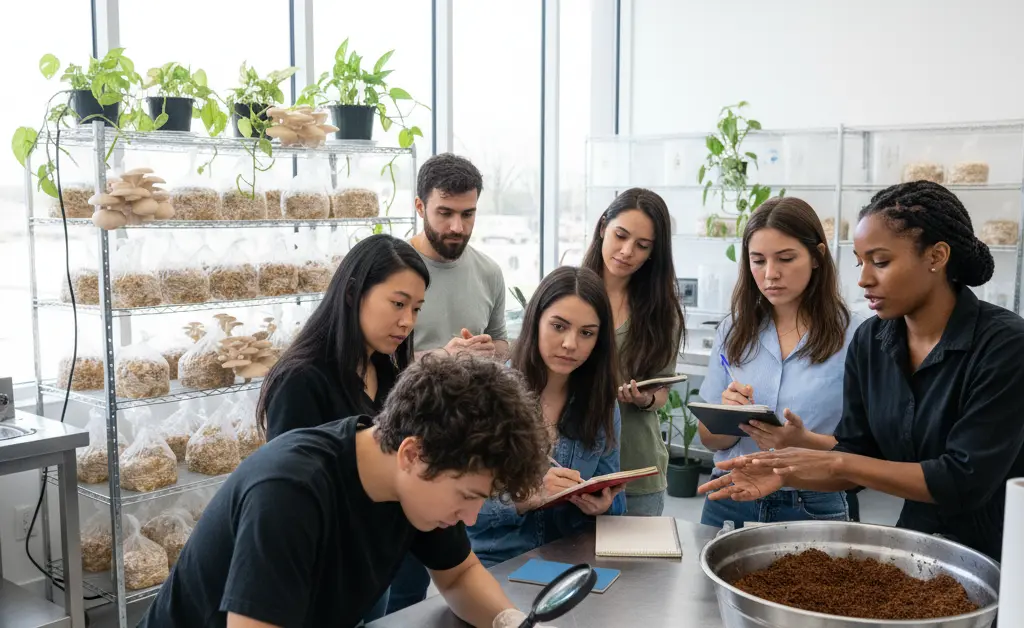
Many aspiring mushroom growers find themselves adrift in a sea of conflicting information and complex techniques, making the dream of home cultivation feel out of reach. The initial investment in spores and substrate can quickly turn into wasted effort without proper guidance, leaving enthusiasts frustrated by inconsistent results or failed attempts. This common challenge often deters individuals before they even begin to harvest their first flush. Fortunately, comprehensive mushroom cultivation training offers a structured pathway to demystify the process, providing the foundational knowledge and practical skills necessary for successful mycology. This article explores the various types of training available, what to expect from these courses, and how to choose the right program to cultivate your fungi with confidence.
Why Pursue Mushroom Cultivation Training?
Embarking on the journey of growing mushrooms can be incredibly rewarding, but it often presents a steep learning curve. Successful mushroom cultivation relies on a delicate balance of biological understanding and precise environmental control. Without proper guidance, beginners frequently encounter issues like contamination, poor yields, or even complete crop failure. Engaging in dedicated mushroom cultivation training equips individuals with the essential knowledge to overcome these common hurdles. Such training provides a structured approach to learning, moving beyond scattered online tutorials to offer a cohesive understanding of the entire cultivation process.
Beyond simply avoiding pitfalls, high-quality training fosters a deeper understanding of fungi biology, enabling growers to cultivate a wider variety of species successfully. It’s an investment in gaining practical skills that can lead to numerous benefits, from saving money on produce by growing your own food to potentially generating income by starting a mushroom business. Furthermore, joining a training program can connect you with a vibrant fungi community, offering opportunities for networking and shared learning experiences, promoting more sustainable practices in your growing efforts.
Types of Mushroom Cultivation Training Programs

The landscape of mushroom cultivation training is diverse, catering to various learning styles, experience levels, and specific interests. Whether you’re a curious beginner or an experienced grower looking to specialize, there’s likely a program suited for your needs. These training options help bridge the gap between theoretical knowledge and practical application, ensuring participants gain a comprehensive understanding.
Beginner Mushroom Growing Workshops
Designed for newcomers to mycology, beginner mushroom growing workshops typically cover the absolute fundamentals. Participants learn about the life cycle of fungi, basic equipment setup, and the simplest methods for cultivating common edible mushrooms. These workshops often focus on hands-on activities, providing a solid entry point for those with little to no prior experience. They are excellent for individuals looking to get their first successful harvest at home without extensive investment.
Specialized Mushroom Cultivation Techniques
For those who have mastered the basics, specialized mushroom cultivation techniques workshops delve into more advanced topics. This might include cultivating exotic or medicinal mushroom varieties, exploring different substrate formulations, or implementing complex environmental control systems. Such programs may also focus on specific methodologies like outdoor cultivation, log inoculation, or advanced sterile culture work, catering to individuals interested in specific aspects of mushroom farming or those seeking advanced mycology courses.
Online Mushroom Cultivation Courses
Online mushroom cultivation courses offer unparalleled flexibility and accessibility. They allow students to learn at their own pace, from anywhere in the world. These courses range from free introductory mycology courses online to comprehensive, paid mycology certification online programs. They often include video lectures, downloadable resources, virtual labs, and online forums, making them suitable for individuals with busy schedules or geographical constraints. The best online programs provide in-depth content and support to ensure a thorough understanding of mushroom cultivation principles.
In-Person Mushroom Cultivation Workshops
In-person mushroom cultivation workshops provide an immersive, hands-on learning experience. These programs, often found through “mycology programs near me” searches, offer direct interaction with instructors and other students. Participants can engage in practical tasks such as preparing substrates, inoculating spawn, and managing grow environments under expert supervision. The immediate feedback and shared experience can be invaluable, especially for mastering techniques that require precision and observation. You can find information on local events by searching for mushroom cultivation workshops.
What to Expect in a Mushroom Cultivation Course
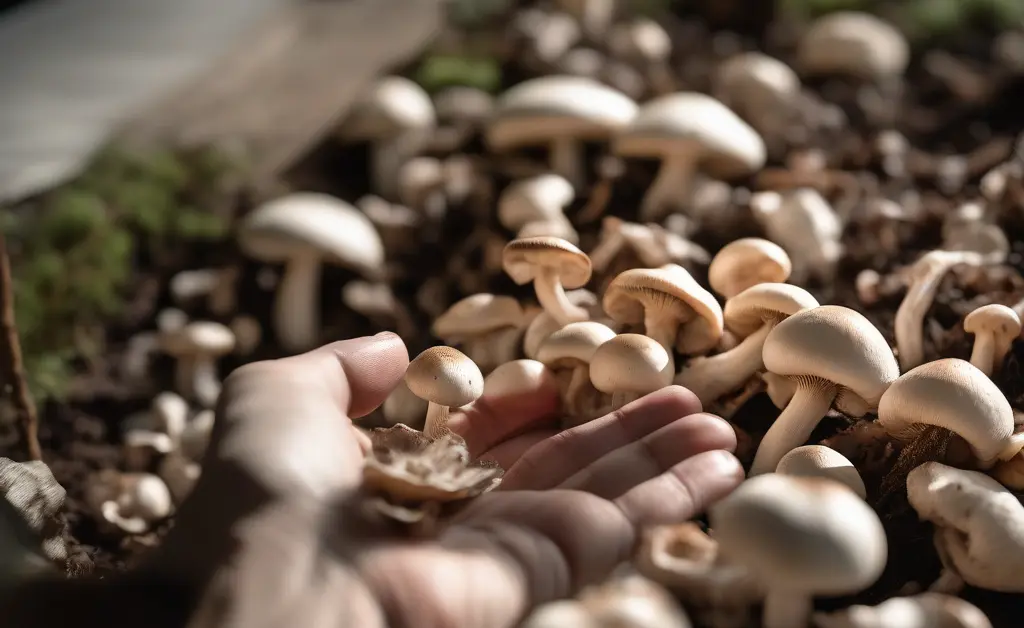
A well-structured mushroom cultivation training program will guide you through the entire cultivation journey, from the microscopic world of spores to the bountiful harvest. These courses aim to demystify complex processes and provide practical skills that are immediately applicable. Regardless of the specific format, comprehensive mushroom cultivation training generally covers several key areas to ensure a robust understanding.
Spore to Harvest Process
Understanding the complete life cycle of a mushroom is fundamental. Courses typically begin by explaining the journey from a spore, through mycelial growth, to the formation of a mature fruiting body. This foundational knowledge helps growers appreciate the various stages and requirements for successful cultivation, including the biological intricacies involved in the spore to harvest process.
Mushroom Substrates and Media
A significant portion of any course is dedicated to mushroom substrates and media. This involves learning about different materials like sawdust, straw, grains, and compost, and how to prepare them to create an ideal growing environment. Students will learn about nutrient requirements, pH levels, and how to prevent contamination in these critical growth media.
Sterilization and Inoculation Techniques
Maintaining a sterile environment is paramount in mushroom cultivation. Training covers various sterilization techniques, such as pasteurization and autoclaving, to eliminate competing microorganisms. Equally important are inoculation techniques, which teach how to introduce mushroom spawn or liquid culture into the sterilized substrate without contamination, a crucial step for successful growth.
Environmental Controls (Temperature, Humidity, CO2)
Mushrooms are highly sensitive to their environment. Courses teach how to manage critical environmental controls, including temperature control, humidity control, and CO2 control, to optimize mycelial growth and fruiting. Understanding the ideal parameters for different species is key to maximizing yields and ensuring healthy development.
Troubleshooting Common Issues
Even with careful preparation, problems can arise. A good course will include sections on troubleshooting common issues such as contamination identification, slow growth, or poor fruiting. Learning to identify and address these problems promptly can save an entire crop and prevent future mistakes.
Harvesting and Post-Harvest Handling
Finally, courses cover the best practices for harvesting mushrooms at their peak ripeness and proper post-harvest handling. This includes techniques for cleaning, storing, and even processing mushrooms to maintain their freshness and quality, ensuring your efforts lead to delicious and long-lasting produce.
Choosing the Right Mushroom Cultivation Training
Selecting the appropriate mushroom cultivation training program is a critical decision that can significantly impact your success and satisfaction. With a multitude of options available, from short workshops to extensive certification programs, careful consideration of your goals, learning style, and resources is essential. Taking the time to evaluate different offerings will ensure you invest in a program that truly meets your needs.
Begin by defining your objectives: Are you aiming to grow mushrooms as a hobby, start a commercial venture, or specialize in particular species? Review the course curriculum and content to ensure it aligns with your interests and desired outcomes. Investigate the instructor experience and credentials; knowledgeable and passionate educators can make a profound difference in your learning experience. Consider the cost and duration of training, balancing your budget with the depth of knowledge you wish to acquire. You may also look into specific government-backed initiatives for training, as detailed in resources on mushroom cultivation training by government programs. Finally, look for student reviews and testimonials, and inquire about community and networking opportunities, as peer support can be invaluable in your cultivation journey.
Online vs. In-Person Mushroom Training

When deciding on mushroom training, a primary consideration is often the format: online or in-person. Both approaches offer distinct advantages and disadvantages, and the best choice depends largely on individual learning preferences, availability, and specific goals. Understanding these differences can help you make an informed decision for your mushroom cultivation journey.
Hands-on Learning Opportunities
In-person workshops excel in providing hands-on learning opportunities. Participants can physically engage with equipment, prepare substrates, and perform inoculation under direct supervision. This practical experience, often difficult to replicate virtually, is invaluable for developing fine motor skills and understanding the tactile aspects of mushroom cultivation. The immediate feedback from instructors during these practical sessions can significantly accelerate the learning process.
Flexibility and Accessibility of Online Courses
Online courses offer unparalleled flexibility and accessibility. They allow students to learn at their own pace, from the comfort of their home or any location with internet access. This is particularly beneficial for individuals with busy schedules, geographical limitations, or those who prefer self-paced learning. Online platforms often provide a wealth of digital resources, including video tutorials, detailed guides, and interactive forums, making them a comprehensive option for online learning.
Interactive Learning in In-Person Workshops
Beyond hands-on experience, in-person workshops foster a highly interactive learning environment. Direct engagement with instructors and fellow students facilitates immediate question-and-answer sessions, collaborative problem-solving, and shared learning experiences. The sense of community built in these settings can be motivating and provide a valuable support network, enhancing the overall in-person learning experience through shared enthusiasm and direct interaction.
Benefits of Mushroom Cultivation Training
The decision to undertake mushroom cultivation training yields a multitude of benefits, extending far beyond simply learning how to grow fungi. This structured education empowers individuals with a comprehensive skill set and a deeper understanding of mycology, which can translate into various personal and professional advantages.
Firstly, it provides a solid foundation of knowledge, demystifying complex processes and significantly reducing the likelihood of common beginner mistakes. This leads to higher success rates and more consistent yields. Secondly, acquiring these specialized skills can result in considerable savings on produce costs, as you can grow your own fresh, organic mushrooms. Thirdly, for those with entrepreneurial aspirations, training can unlock the potential for income generation by equipping you with the expertise needed for starting a mushroom business, whether it’s for culinary markets, medicinal purposes, or even selling spawn and cultures. Information specific to training in certain locations, like mushroom cultivation training in Chennai, can be found through dedicated searches.
Moreover, engagement in mushroom cultivation often fosters a greater appreciation for sustainable practices and offers a unique way of connecting with the fungi community. It’s a rewarding hobby that provides fresh, healthy food and the satisfaction of nurturing life from spore to harvest. Such training instills confidence, making the journey of mushroom cultivation enjoyable and productive.
Resources for Mushroom Cultivation Training
A growing number of resources are available for individuals interested in mushroom cultivation training, catering to various learning preferences and levels of expertise. Whether you’re seeking a casual introduction or a professional certification, options abound.
Online platforms offer a vast array of choices, from free mycology courses online provided by educational institutions or enthusiasts, to paid, comprehensive mycology certification online programs. These often include video lectures, digital textbooks, and community forums. For those who prefer a more hands-on approach, searching for “mycology programs near me” or local agricultural extension services can reveal in-person workshops and advanced mycology courses offered by experienced cultivators or specialized farms. Resources like those provided by the NIH can offer valuable insights into scientific aspects of mycology.
Additionally, many mushroom supply companies and specialized mycology centers offer their own training programs, sometimes bundled with starter kits or equipment. Universities and community colleges may also feature courses related to botany, mycology, or sustainable agriculture that include segments on mushroom cultivation. Networking with local mycological societies or online communities can also provide valuable recommendations and access to informal learning opportunities.
Embarking on the journey of mushroom cultivation can be an incredibly enriching experience, offering both practical skills and a deeper connection to the natural world. While the initial steps may seem daunting, the wealth of available training resources provides a clear path to success. By investing in comprehensive education, aspiring growers can transform complex techniques into manageable processes, leading to consistent harvests and the satisfaction of cultivating their own fungi. Whether through online courses or hands-on workshops, choosing the right program will equip you with the knowledge and confidence to thrive in the fascinating world of mycology.
This information should be viewed as educational rather than medical advice. It is not intended to diagnose, treat, cure, or prevent any disease or health condition. Always consult with a qualified healthcare professional before making any decisions about your health or treatment. The content provided is for informational purposes only and should not be considered a substitute for professional medical guidance.
FAQ
What are the best online mushroom cultivation courses?
Identifying “best” courses is subjective, as individual learning styles and specific interests vary widely. However, reputable online platforms often offer comprehensive programs that cover theoretical knowledge and practical applications, providing foundational understanding for successful mushroom growing. Look for courses that emphasize hands-on techniques, sterilization protocols, and substrate preparation methods.
How much does mushroom cultivation training cost?
The investment required for mushroom cultivation education can differ significantly based on the program’s depth and duration. Short introductory workshops might range from under $100, while extensive, multi-week courses with personalized mentorship or certification can extend into several hundred or even a few thousand dollars. These costs typically reflect the expertise of instructors, materials provided, and the level of support offered.
What skills are learned in mushroom cultivation training?
Participants in mushroom cultivation training acquire a diverse set of practical and theoretical skills essential for growing fungi. These often include understanding fungal biology, mastering sterile techniques, preparing various growth substrates, managing environmental conditions like temperature and humidity, and identifying common contaminants. This comprehensive learning equips individuals with the knowledge to initiate and sustain their own cultivation projects effectively.
Can I start a mushroom business after training?
Completing a dedicated training program can certainly provide a strong foundation of knowledge and practical skills necessary to consider starting a mushroom business. While training offers expertise in cultivation, successful entrepreneurship also relies on market research, business planning, and understanding regulatory requirements. Many programs touch upon these business aspects, preparing individuals to navigate both growing and selling their produce.
Where can I find mushroom cultivation training near me?
Locating local mushroom cultivation instruction often involves exploring several avenues within your community. Agricultural extension offices, botanical gardens, local mycology clubs, and community colleges frequently offer workshops or courses. Online searches specifying your geographic area, combined with terms like “mushroom cultivation workshop” or “urban farming classes,” can also yield relevant local options.
Are there any free mushroom cultivation training options available?
Indeed, numerous free resources are available for those looking to learn mushroom cultivation, particularly for introductory knowledge. Platforms like YouTube host extensive tutorials, various online forums provide community support and advice, and many public libraries offer books on the subject. While these options might lack structured curriculum or direct mentorship, they are valuable starting points for self-education.
What is the typical cost of mushroom cultivation training?
The financial outlay for learning mushroom cultivation is quite varied, reflecting the breadth of available educational offerings. You might find introductory workshops priced under a hundred dollars, whereas more intensive, multi-day courses or long-term mentorship programs can cost several hundred to over a thousand dollars. The price generally corresponds to the comprehensiveness of the curriculum, the instructor’s expertise, and any materials or ongoing support included.