
Mushroom vs. THC Drinks: A Comprehensive Comparison
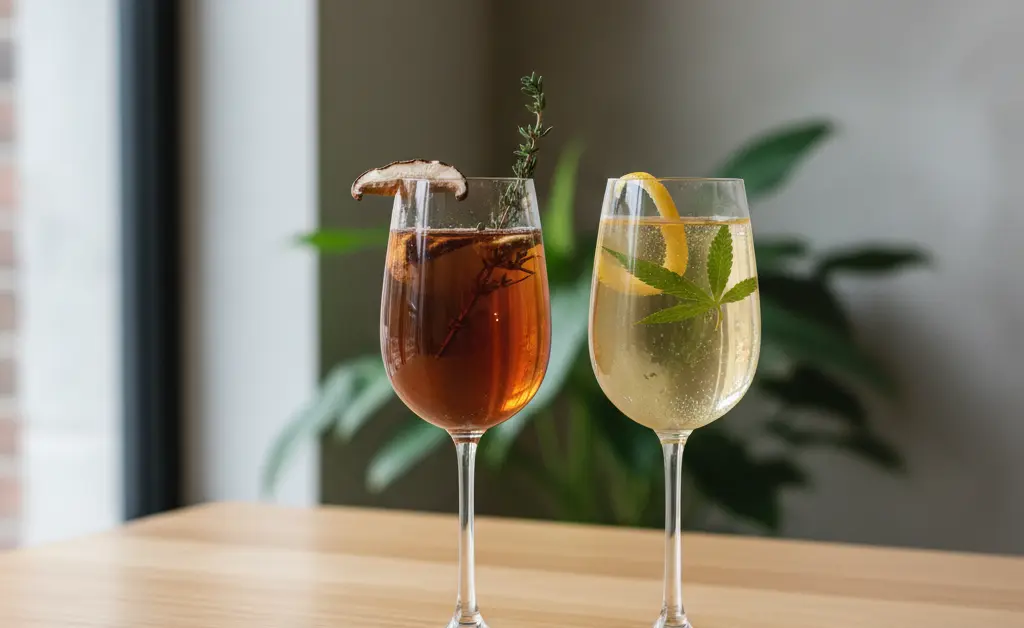
Understanding the distinct characteristics and potential effects of different functional beverages is crucial for consumers seeking specific outcomes. This guide aims to clarify the growing landscape of alternatives by examining the fundamental differences between mushroom drinks and THC drinks. By exploring their unique compositions, physiological impacts, and legal standings, individuals can make more informed decisions tailored to their personal wellness goals. This comprehensive comparison will delve into how each beverage type interacts with the body and mind, offering insights into their respective benefits and considerations. For those navigating the expanding market, a clear understanding of mushroom drinks vs thc drinks provides a foundation for safer and more effective choices, ensuring alignment with desired experiences and health objectives.
Key Differences Between Mushroom Drinks and THC Drinks
When considering mushroom drinks vs thc drinks, it’s essential to recognize that their primary active ingredients and the mechanisms by which they interact with the human body are fundamentally different. Mushroom drinks often feature adaptogenic or nootropic fungi, such as reishi, lion’s mane, or chaga, which are traditionally used for general wellness support. These ingredients are thought to work by helping the body adapt to stress and support various physiological functions. Further exploration of specific functional ingredients, such as a comparison of tremella mushroom vs collagen, can reveal more detailed insights into their unique benefits. In contrast, THC drinks contain tetrahydrocannabinol, the primary psychoactive compound found in cannabis, which interacts with the endocannabinoid system to produce its characteristic effects. This foundational difference in active components leads to distinct experiences and applications for each type of beverage.
Comparing Potential Mood and Wellness Impacts
The potential mood and wellness impacts of mushroom drinks and THC drinks diverge significantly due to their unique compositions. Mushroom drinks, depending on the specific fungi used, are often associated with supporting focus, promoting relaxation, or bolstering general vitality. For example, lion’s mane is traditionally associated with cognitive support, while reishi is often linked to calming effects and stress response. A deeper dive into the specific characteristics of different fungi, such as tremella mushroom vs lion’s mane, highlights their distinct functional properties. These effects are generally subtle and non-intoxicating, contributing to an overall sense of well-being without altering perception. On the other hand, THC drinks are primarily known for their potential to induce euphoria, altered perception, relaxation, or heightened sensory experiences. The intensity and nature of these effects can vary widely based on the specific product and individual sensitivity, offering a distinct path for those seeking a more pronounced alteration in mood or state of mind.
Dietary Restrictions and Sensitivities
Consumers evaluating mushroom drinks vs thc drinks also need to consider dietary restrictions and sensitivities, as ingredients can vary widely. Mushroom drinks typically consist of water, mushroom extracts, and sometimes other natural flavorings or sweeteners. Individuals with mushroom allergies or sensitivities should exercise caution. It’s also important to check for any additional ingredients, such as herbs or spices, that might trigger reactions. Understanding the differences between common varieties like button mushroom vs milky mushroom can also be beneficial for those with specific preferences or dietary needs. THC drinks, while centered around cannabis extract, can also contain various other components like juices, sugars, artificial sweeteners, or preservatives. People with specific dietary needs, such as those avoiding sugar, gluten, or certain additives, must carefully review the ingredient list of any THC beverage. Both categories may also have products that cater to vegan or organic preferences, so checking labels thoroughly is always recommended.
Risk Assessment and Safety
Assessing the risks and safety profiles of mushroom drinks and THC drinks involves understanding their active ingredients and potential interactions. For mushroom drinks, the primary safety considerations revolve around potential allergies or sensitivities to specific fungi or other botanical ingredients. It’s also crucial to source products from reputable manufacturers to ensure purity and absence of contaminants. Ensuring product safety and quality often involves adherence to strict guidelines, such as those provided by organizations like the EFSA, to protect consumers. While generally considered to have a low risk of acute adverse effects when consumed responsibly, individual responses may vary. For THC drinks, safety considerations are more complex due to their psychoactive nature. Potential risks can include impaired coordination, drowsiness, anxiety, or paranoia, especially with higher consumption. The onset of effects from edible products can also be delayed, leading to a tendency to consume more before effects are felt. Responsible consumption, starting with a very small amount, and understanding one’s own tolerance are paramount for THC beverages. The varying legal status of THC products also adds another layer to risk assessment regarding availability and quality control.
Mushroom Drinks vs THC Drinks: Which is Right for You?

Deciding between mushroom drinks vs thc drinks ultimately depends on individual needs, desired outcomes, and personal tolerance. Both categories offer distinct experiences, and understanding these differences is key to making an informed choice. There is no universally “better” option; rather, the most suitable choice aligns with one’s specific lifestyle and wellness journey. For those seeking subtle support for daily well-being, focus, or stress management without psychoactive effects, mushroom drinks may be a preferable option. Conversely, if the goal is to experience altered states of consciousness, deep relaxation, or euphoria, THC drinks might be considered. It’s also important to factor in legal availability and local regulations, as THC products have varying legal statuses.
Personal Goals and Preferences
The choice between these beverages is deeply personal, often guided by individual goals and preferences. If your aim is to enhance cognitive function, manage daily stress, or boost overall vitality without intoxication, mushroom drinks might align better with your objectives. Many individuals seek these functional beverages as part of a routine to support long-term wellness. If, however, you are seeking a beverage that offers recreational enjoyment, profound relaxation, or a distinct shift in perception, THC drinks could be more suited to your preferences. Some people use THC products for their potential to alleviate discomfort or to unwind after a long day. It is vital to reflect on what you hope to achieve from consuming such a beverage, considering both immediate effects and your broader lifestyle choices. Your comfort level with psychoactive substances, personal health considerations, and even taste preferences will play a significant role in determining which option is right for you.
The landscape of functional and recreational beverages continues to evolve, offering a diverse array of options for consumers. Both mushroom drinks and THC drinks represent distinct categories with unique properties, mechanisms of action, and potential effects. While mushroom drinks often focus on adaptogenic and nootropic benefits, aiming to support balance and clarity without intoxication, THC drinks are designed to deliver psychoactive experiences through their interaction with the endocannabinoid system. For instance, delving into specific comparisons like tremella mushroom vs hyaluronic acid can provide clarity on different functional ingredients aimed at specific wellness goals. Understanding the nuances of each, from their ingredients to their impact on mood and wellness, empowers individuals to make choices that are best aligned with their personal goals, health considerations, and desired experiences. Always prioritize sourcing from reputable brands and consuming responsibly, keeping in mind that individual responses can vary significantly.
The content presented here is not a substitute for professional medical guidance. Always consult with a qualified healthcare professional before making any decisions related to your health or before starting any new health regimen, especially if you have pre-existing medical conditions or are taking medications. This information is intended for general knowledge and informational purposes only, and does not provide medical advice, diagnosis, or treatment recommendations. Individual results may vary, and the effects of these products can differ from person to person.
FAQ
Can mushroom drinks replace THC drinks for relaxation?
Certain functional mushrooms, like Reishi, are known for their adaptogenic properties, meaning they help the body manage stress. While they can support a sense of calm, their mechanism is different from THC, which directly interacts with cannabinoid receptors to produce relaxation. Therefore, mushroom drinks offer a distinct path to tranquility rather than a direct substitution for THC’s effects.