
The Preservative Power of Natural Mushroom Extracts
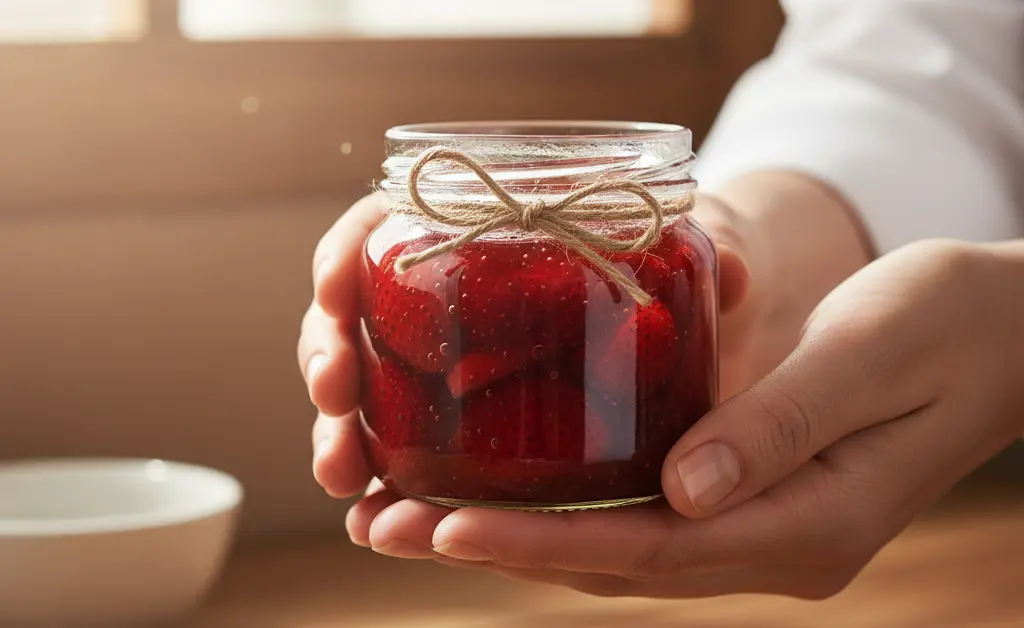
Imagine pulling out a freshly baked loaf of bread or a homemade jam, hoping it stays fresh for more than a few days without resorting to artificial additives. This common kitchen dilemma highlights the ongoing search for natural ways to extend the shelf life of food while maintaining quality and safety. Consumers are increasingly scrutinizing ingredient labels, driving demand for clean-label solutions that align with healthier lifestyles. This quest has led innovators to explore botanical sources for functional ingredients, moving away from synthetic compounds. Among these natural alternatives, the potential of using mushroom extract as preservative is gaining significant attention. Its inherent antimicrobial and antioxidant properties offer a promising avenue for food manufacturers aiming to meet both consumer preferences and regulatory standards for food preservation.
Mushroom extract as preservative: What is it?
A mushroom extract refers to concentrated compounds derived from various types of fungi. These extracts are obtained through processes that isolate specific beneficial molecules, such as polysaccharides, triterpenes, and phenolic compounds. The use of a mushroom extract as preservative leverages these naturally occurring compounds, which have demonstrated properties that can inhibit spoilage. Unlike synthetic preservatives, which are often chemically synthesized, these extracts originate directly from natural sources, aligning with the growing consumer demand for clean label ingredients. Many different mushroom species are being explored for this purpose, each offering a unique profile of active components that contribute to their preservative capabilities.
Natural vs. Synthetic Preservatives
The distinction between natural and synthetic preservatives is a critical consideration for food manufacturers and consumers alike. Synthetic preservatives, such as parabens, sorbates, and benzoates, have been widely used for decades due to their effectiveness in extending shelf life and preventing microbial growth. However, concerns regarding their potential health implications and a general desire for more “natural” products have driven the industry to seek alternatives. Further information on health and research can be found on the NIH website. Natural preservatives, including those derived from plants, spices, and now mushrooms, offer an opportunity to achieve similar preservation effects using ingredients that are perceived as healthier and more environmentally friendly. The appeal of a natural mushroom extract as preservative lies in its ability to contribute to food safety and stability while also meeting consumer preferences for ingredients that are recognizable and minimally processed.
How does mushroom extract work as a preservative?
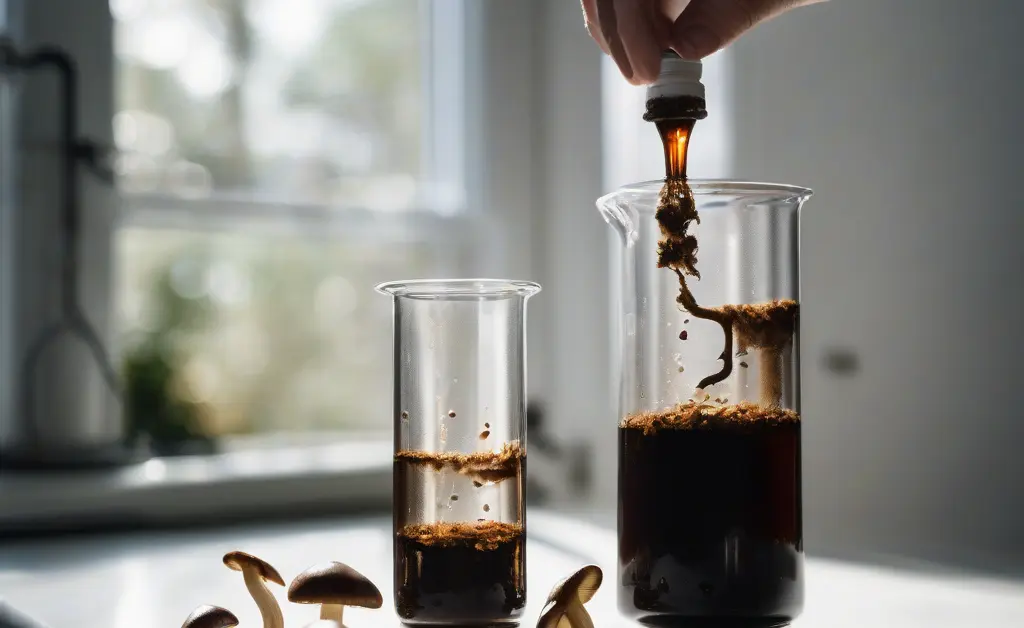
The effectiveness of a mushroom extract as preservative stems from its complex biochemical composition. These extracts contain a rich array of bioactive compounds, including various polysaccharides, peptides, phenolic compounds, and triterpenoids, which collectively contribute to their preservative actions. The mechanisms often involve a synergistic effect, where multiple compounds work together to inhibit the growth of spoilage microorganisms and slow down oxidative degradation. This multi-faceted approach makes mushroom extracts a promising candidate for comprehensive food preservation strategies.
Mechanism of Action (Antimicrobial Properties)
The antimicrobial properties of mushroom extracts are primarily attributed to compounds that can interfere with microbial cellular functions. For instance, some polysaccharides and peptides found in mushrooms may disrupt bacterial cell membranes, leading to leakage of intracellular components and eventual cell death. Other compounds might inhibit enzyme activity essential for microbial growth and reproduction, or interfere with metabolic pathways crucial for the survival of bacteria, yeasts, and molds. Additionally, some mushroom extracts may possess antifungal properties, targeting fungal cell walls or metabolic processes. The exact mechanism can vary depending on the mushroom species and the specific compounds isolated, making ongoing research vital for understanding and optimizing their use.
Targeting Spoilage Organisms (Bacteria, Yeast, Mold)
Food spoilage is primarily caused by the growth of various microorganisms, including bacteria, yeasts, and molds, as well as oxidative processes. Mushroom extracts are studied for their ability to combat a broad spectrum of these spoilage organisms. For example, certain mushroom components may exhibit significant antibacterial activity against common foodborne pathogens and spoilage bacteria. Others are being explored for their efficacy against various yeast strains that can cause fermentation and off-flavors in food products. Furthermore, many mushroom extracts have demonstrated antifungal properties, which can help prevent the growth of molds that are responsible for significant food waste. By targeting these diverse spoilage agents, a mushroom extract as preservative offers a comprehensive approach to maintaining food quality and safety.
Benefits of using mushroom extract as a preservative
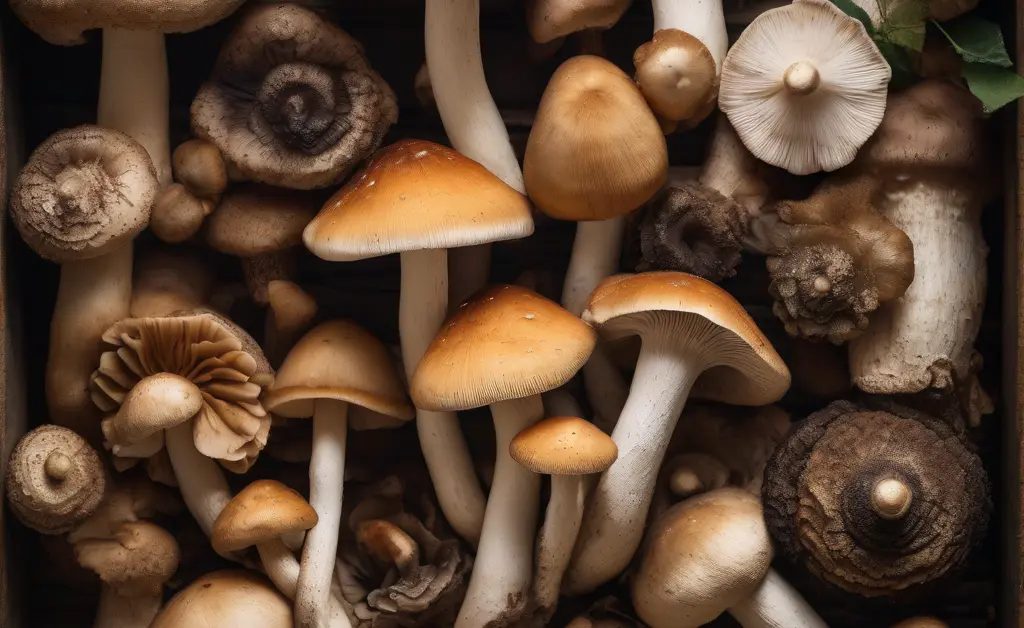
The adoption of a mushroom extract as preservative in the food industry offers several compelling advantages, extending beyond mere shelf life extension. These benefits address both practical aspects of food production and evolving consumer demands, positioning mushroom extracts as a valuable innovation in natural food preservation.
Extending Shelf Life
One of the primary benefits of using mushroom extract as preservative is its capacity to significantly extend the shelf life of various food products. By inhibiting the growth of spoilage microorganisms and counteracting oxidative degradation, these extracts can help foods remain fresh, safe, and palatable for longer periods. This reduction in spoilage can lead to decreased food waste, which has both economic and environmental advantages. For manufacturers, extended shelf life can open up new distribution channels and reduce returns due to spoilage, ultimately enhancing profitability and operational efficiency.
Clean Label and Natural Appeal
In today’s market, consumers are increasingly seeking products with “clean labels,” meaning ingredients lists that are short, recognizable, and free from artificial additives. Using natural mushroom extracts aligns perfectly with this trend. As ingredients derived directly from natural fungi, they resonate with consumers who prefer natural-origin components over synthetic alternatives. This natural appeal can enhance brand perception, build consumer trust, and differentiate products in a crowded marketplace. Incorporating a mushroom extract as preservative allows food manufacturers to meet clean label demands without compromising on food safety or quality.
Applications of mushroom extract as a preservative
The versatility and broad-spectrum activity of mushroom extracts mean they can be applied in a wide array of food and beverage products, as well as other relevant industries. The integration of mushroom extract as preservative is being explored in various sectors seeking natural and effective solutions for product stability. For those interested in culinary preparation, an appropriate mushroom extract recipe can also be found.
Effectiveness and Performance
Research indicates that mushroom extracts exhibit varying levels of effectiveness depending on the mushroom species, extraction method, and the specific application. Some studies have shown promising results in meat products, dairy items, baked goods, and even beverages, where mushroom extracts have helped to suppress bacterial growth and prevent lipid oxidation. For example, the chitosan derived from certain mushrooms has been studied for its film-forming and antimicrobial properties, making it a potential coating for fruits and vegetables to extend their freshness. The performance of mushroom extracts as preservatives is often compared to traditional synthetic preservatives, with ongoing efforts to optimize their concentration and combination with other natural preservation methods to achieve comparable efficacy. Specific applications, such as the potential use of mushroom extract in Capri Sun, are also being investigated.
Considerations for using mushroom extract as a preservative
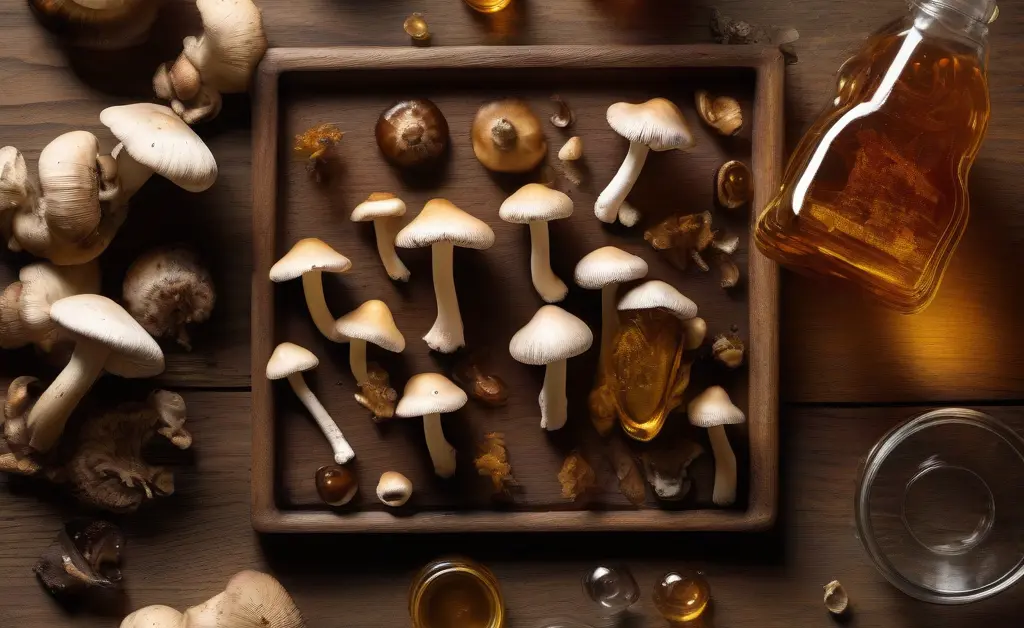
While the potential of mushroom extracts as natural preservatives is significant, several factors must be carefully considered before their widespread adoption. These considerations include their cost-effectiveness compared to existing solutions, the need for regulatory approval in different regions, and potential formulation challenges within specific food matrices. The sustainability and environmental impact of sourcing and processing these extracts are also important factors. Furthermore, understanding consumer acceptance and potential allergenic reactions, though rare, remains a key concern. Research into specific mushroom species and their unique bioactive compounds is ongoing to ensure safety, efficacy, and scalability for industrial application.
The future of mushroom extract as a preservative
The trajectory for mushroom extracts in the preservation industry appears promising, driven by continued advancements in research and a growing market demand for natural ingredients. Ongoing research and development are focused on identifying novel mushroom species with potent antimicrobial and antioxidant properties, optimizing extraction techniques to maximize the yield of active compounds, and understanding the complex interactions of these extracts within diverse food systems. As analytical techniques become more sophisticated, the precise mechanisms of action can be elucidated, leading to more targeted and effective applications. Furthermore, innovations in biotechnology may enable the sustainable production of specific preservative compounds from mushrooms, potentially overcoming some of the current cost and scalability challenges. The future likely holds a wider acceptance and integration of mushroom extracts into various sectors, from the food and beverage industry to cosmetics and personal care, as natural, clean-label alternatives to conventional preservatives continue to gain traction.
The exploration of mushroom extracts represents a significant step towards more sustainable and consumer-friendly food preservation methods. As scientific understanding grows and technological capabilities improve, these natural compounds are poised to play an increasingly important role in maintaining food quality and safety while meeting the evolving preferences of a health-conscious global population.
This information should be viewed as educational rather than medical advice. It is intended to provide general knowledge and understanding of the topic. Always consult with qualified professionals for specific health concerns or before making any decisions related to health or dietary changes. This content does not endorse any specific product or treatment.
FAQ
How effective are mushroom extracts as preservatives?
Mushroom extracts are known for their antimicrobial properties, which can help inhibit the growth of certain bacteria and fungi. This activity is attributed to various bioactive compounds found within the mushrooms themselves. Research is ongoing to fully understand their potential in various applications.
Do mushroom extracts actually work?
Mushroom extracts contain natural compounds that exhibit antimicrobial and antioxidant effects, making them relevant in contexts where preservation is desired. These properties are linked to the complex biochemical makeup of different mushroom species. Studies are exploring the specific mechanisms and efficacy of these extracts in various applications.