
Navigating Mushroom and Prescription Drug Interactions
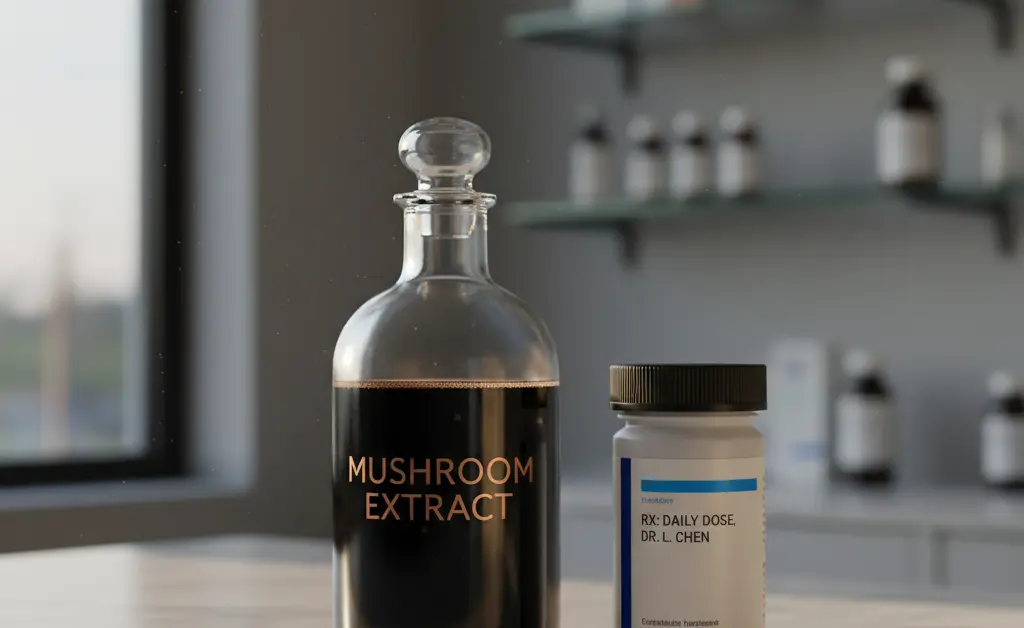
Many individuals are turning to mushroom extracts for their potential health benefits, ranging from immune support to cognitive enhancement. However, a common concern arises when these natural supplements are considered alongside prescription medications. It can be confusing and even worrying to determine whether combining them is safe, especially since understanding potential mushroom extract drug interactions is crucial for preventing adverse effects. This guide aims to demystify the complexities involved, providing essential information to help you navigate the safe use of medicinal mushrooms while managing existing health conditions and medications. We’ll explore how various mushroom extracts might affect common drugs and offer practical advice for minimizing risks, ensuring your wellness journey is both effective and secure.
Understanding Mushroom Extract Drug Interactions
When considering health supplements, particularly those derived from natural sources like mushrooms, it is essential to understand their potential interplay with prescribed medications. Mushroom extract drug interactions occur when compounds within the mushroom extract influence how a medication works in the body. This influence can manifest in several ways, from altering the absorption or metabolism of a drug to affecting its efficacy or the severity of its side effects. Many medicinal mushrooms contain a complex array of bioactive compounds that can interact with various physiological pathways, which is why it is prudent to approach their use with awareness, especially when concurrently taking prescription drugs. Additionally, some individuals may wonder, do mushroom drinks make you poop, highlighting other physiological effects.
How Do Mushroom Extracts Affect Medications?
Mushroom extracts can affect medications through various mechanisms. Some compounds in mushrooms may influence liver enzymes, such as the cytochrome P450 (CYP450) system, which is responsible for metabolizing many drugs. By either inhibiting or inducing these enzymes, mushroom extracts could potentially alter the concentration of a drug in the bloodstream, leading to either reduced effectiveness or increased side effects. Additionally, some mushrooms may possess properties that independently affect physiological systems, such as blood pressure, blood sugar regulation, or immune function. If a mushroom extract acts on the same system as a prescribed medication, it could lead to additive or synergistic effects, which may not always be desirable or safe.
Do Mushroom Supplements Interact With Medications?

Yes, mushroom supplements can interact with medications. The likelihood and nature of these interactions depend on several factors, including the specific type of mushroom, the concentration of its active compounds, the individual’s physiology, and the specific medications being taken. Just as different medications have distinct mechanisms of action, various mushroom species possess unique biochemical profiles, leading to diverse potential interactions. Awareness of these possibilities is the first step toward safe supplementation practices.
Does Lion’s Mane Mushroom Interact with Any Medications?
Lion’s Mane mushroom (Hericium erinaceus) is recognized for its potential neurotrophic properties. While generally considered safe, some preliminary research suggests it may possess mild anticoagulant properties. Therefore, individuals taking medications that affect blood clotting should approach its use with caution, as there could be a theoretical increased risk of bleeding.
Can I Take Lion’s Mane Mushroom with Blood Pressure Medication?
There is limited specific research on Lion’s Mane and blood pressure medication interactions. However, some studies suggest that Lion’s Mane may have a mild hypotensive effect in certain contexts. If an individual is already taking blood pressure medication, adding a supplement that could further lower blood pressure might potentially lead to levels that are too low. It is always advisable to consult with a healthcare provider before combining such supplements with prescribed medications.
Lion’s Mane Interactions
Beyond potential interactions with blood thinners, Lion’s Mane may also influence blood glucose levels. Individuals with diabetes or those taking blood sugar-lowering medications should monitor their blood glucose carefully if using Lion’s Mane, as it could theoretically lead to additive effects and a greater reduction in blood sugar than intended.
Reishi Interactions
Reishi mushroom (Ganoderma lucidum) is widely studied for its immune-modulating and cardiovascular effects. It has been observed to potentially influence blood pressure and blood sugar. Consequently, Reishi may interact with antihypertensive medications, blood thinners due to possible antiplatelet effects, and diabetes medications by potentially enhancing their blood sugar-lowering actions. Its immune-modulating properties also suggest caution when used alongside immunosuppressant drugs.
Cordyceps Interactions
Cordyceps mushrooms (Cordyceps sinensis, Cordyceps militaris) are often associated with energy and immune support. Cordyceps may have immune-stimulating properties, which could theoretically interfere with immunosuppressant medications. Additionally, like some other medicinal mushrooms, Cordyceps has been studied for its potential effects on blood sugar levels, warranting caution for individuals on diabetes medications.
Chaga Interactions
Chaga mushroom (Inonotus obliquus) is known for its antioxidant potential. Research suggests Chaga may have properties that affect blood clotting and blood sugar. Therefore, individuals taking anticoagulant medications, antiplatelet drugs, or diabetes medications should exercise caution and seek professional advice before incorporating Chaga into their regimen.
Turkey Tail Interactions
Turkey Tail mushroom (Trametes versicolor) is highly regarded for its immune-supportive compounds. Due to its significant immune-modulating effects, there is a potential for interaction with immunosuppressant medications, where it could theoretically counteract their intended action. It is crucial for individuals on such medications to discuss the use of Turkey Tail with their healthcare provider.
Medicinal Mushrooms and Drug Interactions

The field of medicinal mushrooms and drug interactions is complex, as each mushroom species possesses a unique biochemical profile that can influence various physiological systems. Understanding these broad categories of interactions is crucial for safe integration of mushroom extracts into a wellness routine, especially when prescription medications are involved. The following sections detail common medication classes that may be affected.
Blood Thinners and Antiplatelet Medications
Several medicinal mushrooms, including Reishi, Chaga, and specific varieties of Lion’s Mane, have been noted in some studies to possess properties that could potentially thin the blood or inhibit platelet aggregation. When taken concurrently with prescription blood thinners (anticoagulants) or antiplatelet medications (like aspirin or clopidogrel), this could theoretically increase the risk of bleeding or bruising. Careful monitoring and professional guidance are essential in such cases.
Diabetes Medications
Many medicinal mushrooms are subjects of research for their potential effects on blood glucose regulation. Mushrooms such as Reishi, Cordyceps, Lion’s Mane, and Chaga may exhibit properties that help lower blood sugar levels. For individuals taking medications to manage diabetes, combining these mushrooms could lead to an additive effect, potentially causing blood sugar levels to drop too low (hypoglycemia), which can be a serious concern.
Immunosuppressants
Medicinal mushrooms are well-known for their immunomodulatory capabilities, meaning they can influence the activity of the immune system. Species like Reishi, Cordyceps, and Turkey Tail are often studied for their immune-enhancing or balancing effects. If an individual is taking immunosuppressant medications, for instance, after an organ transplant or for an autoimmune condition, using mushrooms that stimulate the immune system could theoretically interfere with the medication’s intended purpose, potentially reducing its effectiveness.
Antidepressants and Other Psychiatric Medications
Interactions between medicinal mushrooms and psychiatric medications are less thoroughly documented but warrant consideration given the complex nature of neurotransmitter systems. While some mushrooms are explored for mood-supportive properties, their exact mechanisms and how they might interact with drugs designed to alter brain chemistry are not fully understood. It is prudent to exercise caution and consult with a healthcare professional to avoid unforeseen effects.
Blood Pressure Medications
Some medicinal mushrooms, including Reishi and Lion’s Mane, have been investigated for their potential to support cardiovascular health, which may include influencing blood pressure. If these mushrooms are consumed by individuals already taking antihypertensive medications, there is a theoretical possibility of an additive effect that could lead to blood pressure dropping excessively low (hypotension). Monitoring blood pressure closely and consulting a doctor is recommended.
Specific Mushroom Extracts and Their Potential Interactions
Each mushroom extract is a unique blend of bioactive compounds, and consequently, their potential for interaction with medications varies significantly. For instance, specific polysaccharides and triterpenes found in Reishi may differ in their metabolic pathways or physiological targets compared to the erinacines or hericenones present in Lion’s Mane. These distinct chemical profiles mean that while one mushroom might primarily affect blood sugar, another might have a more pronounced impact on blood clotting or immune response. Therefore, it is important not to generalize interactions across all mushroom extracts but rather to consider the specific properties of each individual extract being used.
Risks and Side Effects of Mushroom Extract Drug Interactions

Understanding the potential risks associated with mushroom extract drug interactions is paramount for ensuring patient safety and treatment efficacy. When a mushroom extract interacts with a prescription medication, the consequences can range from mild and unnoticeable to severe and life-threatening. These interactions can disrupt the delicate balance of how medications work in the body, leading to unpredictable outcomes. Recognizing these risks empowers individuals to make informed decisions and seek appropriate medical guidance.
Increased or Decreased Medication Effectiveness
One of the primary risks of mushroom extract drug interactions is the alteration of a medication’s intended effect. If a mushroom extract speeds up the metabolism of a drug, the medication might be cleared from the body too quickly, reducing its therapeutic effect. Conversely, if an extract slows down drug metabolism, the medication could build up to toxic levels. In other scenarios, a mushroom’s inherent physiological effects (e.g., blood sugar lowering) might either enhance or negate the effects of a prescribed drug, leading to over-treatment or under-treatment of a condition.
Enhanced Side Effects
When a mushroom extract and a medication have similar side effects or act on the same physiological pathway, their combined effect can lead to an enhancement of those side effects. For example, if both a mushroom extract and a medication can cause mild dizziness, combining them might lead to severe dizziness. This potentiation of side effects can increase discomfort, impair daily functioning, and in some cases, necessitate medical intervention. It’s important to consider potential issues like tremella mushroom side effects when evaluating interactions.
New or Unexpected Side Effects
Sometimes, combining a mushroom extract with a medication can lead to entirely new side effects that would not occur if either substance were taken alone. These unexpected reactions can arise from complex biochemical interactions within the body, creating novel compounds or triggering unforeseen physiological responses. Such reactions can be difficult to predict and diagnose, making it crucial to monitor for any unusual symptoms after introducing a mushroom extract alongside existing medications. Rarely, concerns like a mushroom extract allergy might also emerge.
Tips for Safely Using Mushroom Extracts with Medications
Navigating the use of mushroom extracts when also taking prescription medications requires a cautious and informed approach. While mushroom extracts offer potential benefits, ensuring their safe integration into your health regimen alongside pharmaceuticals is critical. Adhering to certain best practices can significantly reduce the risk of adverse interactions and help maintain your overall well-being.
Consult Your Healthcare Provider
The most important step before starting any new supplement, including mushroom extracts, is to have a thorough discussion with your healthcare provider. They possess a comprehensive understanding of your medical history, current health status, and all prescribed medications. Your doctor can assess potential risks, advise on specific mushroom extracts, and guide you on whether a particular supplement is safe for you to use in conjunction with your existing treatments. For more general health information, resources from the CDC can be valuable.
Inform Your Doctor About All Supplements
When discussing your health with your physician, it is crucial to disclose all supplements you are taking, not just prescription drugs. This includes over-the-counter medications, herbal remedies, vitamins, minerals, and any mushroom extracts. A complete picture of your intake allows your healthcare provider to identify any potential conflicts and provide accurate advice, helping to prevent unintended mushroom extract drug interactions.
Monitor for Symptoms of Interactions
If you decide to take mushroom extracts alongside medications, pay close attention to your body and any changes you experience. Be vigilant for new or worsening symptoms, unusual side effects, or any indication that your medication may not be working as effectively. Keep a log of your symptoms and discuss any concerns immediately with your healthcare provider. Early detection of potential interactions can prevent more serious complications.
Start with Low Doses
When introducing a new mushroom extract, particularly if you are also on medications, it is often advisable to begin with the lowest possible dose. This allows your body to adjust gradually and helps you assess how you react to the supplement without immediately exposing yourself to higher concentrations of active compounds. If no adverse effects are observed, the dose can be slowly increased, always under professional guidance if there’s any concern regarding medications.
Read Product Labels Carefully
Always take the time to read the labels of any mushroom extract products you purchase. Look for information regarding ingredients, recommended usage, and any warnings or contraindications. Reputable brands often provide transparency about their product’s composition and potential considerations. Understanding what you are taking is a fundamental step in responsible supplementation, especially when managing existing health conditions and medications. This also includes understanding practical aspects like button mushroom shelf life for fresh varieties.
Types of Medications That May Interact with Mushroom Extracts
A broad spectrum of pharmaceutical agents can potentially interact with various mushroom extracts due to the diverse bioactive compounds present in these fungi. Medications commonly associated with potential mushroom extract drug interactions include those affecting blood coagulation, such as anticoagulants and antiplatelet drugs, where certain mushrooms may enhance their effects leading to an increased risk of bleeding. Diabetes medications are another category, as some mushroom extracts may influence blood sugar levels, potentially leading to hypoglycemia when combined with prescribed glucose-lowering agents. Immunosuppressants may also be affected, as the immunomodulatory properties of many medicinal mushrooms could theoretically interfere with the intended action of these drugs. Additionally, medications for blood pressure control could experience altered efficacy if taken alongside mushrooms that naturally influence cardiovascular parameters. Due to the varied nature of these interactions, careful consideration and professional consultation are always recommended.
The integration of mushroom extracts into a health regimen requires careful consideration, particularly when prescription medications are involved. While these natural supplements offer a range of potential benefits, the possibility of mushroom extract drug interactions cannot be overlooked. Understanding how various mushroom species might influence drug metabolism, efficacy, or side effects is crucial for ensuring safety and optimizing health outcomes. Always prioritize open communication with your healthcare provider, providing them with a complete picture of all supplements and medications you are using. By adopting a cautious, informed approach, individuals can better navigate the complexities of combining mushroom extracts with prescription drugs, promoting a safer and more effective wellness journey.
Readers should understand that this article does not offer medical diagnosis or treatment. The information provided is for general knowledge and informational purposes only, and does not constitute medical advice. Always consult with a qualified healthcare professional for any health concerns or before making any decisions related to your health or treatment plan, especially concerning mushroom extract drug interactions.
FAQ
Can mushroom supplements cause drug interactions?
Mushroom supplements can potentially interact with certain medications because some compounds within them can influence how the body processes drugs. This influence might affect the efficacy or increase the side effects of some pharmaceuticals. Understanding these potential interactions is important for individuals taking any prescription or over-the-counter medications.
What medications should not be taken with mushrooms?
Specific medications that may require caution when combined with mushroom supplements include those that affect the immune system or liver enzymes. Components in certain mushrooms could alter the metabolism or activity of these drugs. It is always advisable to consult with a healthcare professional about any known drug interactions.
Do medicinal mushrooms interact with blood thinners?
Some medicinal mushrooms have been studied for properties that could influence blood clotting mechanisms. Therefore, there is a theoretical possibility of interaction with blood-thinning medications. Close monitoring and discussion with a healthcare provider are recommended if you are taking anticoagulants or antiplatelet drugs.
Are there any side effects of taking mushroom extracts with medication?
When mushroom supplements are taken concurrently with certain medications, potential side effects could arise from altered drug levels or effects. These might manifest as exaggerated therapeutic benefits, reduced effectiveness, or increased adverse reactions to the medication. Discussing your supplement regimen with a healthcare provider is the best way to mitigate any risks associated with mushroom extract drug interactions.