
The Legal Landscape of Mushroom Extracts in the U.S.
This morning, as the steam curled from my mug of herbal tea, I considered adding a spoonful of reishi mushroom powder, a ritual I’ve embraced for its potential calming effects. The earthy aroma always brings a sense of groundedness to my day. However, with the explosion of interest in everything from culinary fungi to potent adaptogens, it’s increasingly common to encounter a diverse array of mushroom products. This surge in availability often leads to a crucial question for consumers and businesses alike: Is my preferred mushroom extract legal? The answer, as many are discovering, is not always straightforward, varying significantly depending on the specific mushroom species and the jurisdiction. This guide will navigate the intricate legal landscape of mushroom extracts within the United States, providing essential clarity on their permissible use and distribution.
Understanding Mushroom Extract Laws
The legal framework surrounding mushroom extracts is complex and highly dependent on the type of mushroom in question. While many common culinary and adaptogenic mushrooms are widely accepted and sold, others contain compounds that are subject to strict regulation. The question of whether a mushroom extract legal status is clear often depends on the specific species involved and its chemical composition, particularly the presence of psychoactive substances.
Psilocybin Mushrooms (Magic Mushrooms)
Psilocybin mushrooms, often referred to as “magic mushrooms,” contain psilocybin and psilocin, which are classified as Schedule I controlled substances under the federal Controlled Substances Act in the United States. This classification indicates a high potential for abuse and no currently accepted medical use, though research into their therapeutic potential is ongoing. Consequently, the cultivation, possession, sale, or distribution of psilocybin mushroom extracts is largely prohibited at the federal level.
Lion’s Mane and Reishi
In stark contrast to psilocybin mushrooms, extracts from species like Lion’s Mane (Hericium erinaceus) and Reishi (Ganoderma lucidum) are generally considered legal and are widely available. These mushrooms are often marketed for their adaptogenic properties and potential wellness benefits. They are typically sold as dietary supplements, powders, or capsules, and their legal status largely falls under existing food and supplement regulations, similar to other herbal products.
Amanita Muscaria
Amanita muscaria, known for its distinctive red cap and white spots, presents a unique legal situation. Unlike psilocybin mushrooms, Amanita muscaria does not contain psilocybin or psilocin. Instead, its primary psychoactive compounds are ibotenic acid and muscimol. While these compounds can induce altered states of consciousness, Amanita muscaria is not currently listed as a controlled substance at the federal level in the United States. This means that, in most jurisdictions, products derived from Amanita muscaria may be legally sold and purchased, though some states or municipalities might have specific regulations. Consumers should exercise caution and conduct thorough research regarding its use.
Is mushroom legal in the US?
The blanket question “Is mushroom legal in the US?” is too broad to answer with a simple yes or no. The legality of mushrooms, and by extension their extracts, is entirely contingent on the specific species. Non-psychoactive culinary and adaptogenic mushrooms like shiitake, reishi, chaga, and lion’s mane are generally legal. However, mushrooms containing controlled substances, primarily psilocybin, are federally illegal. The legal landscape is further complicated by state and local regulations, which can sometimes diverge from federal guidelines, particularly regarding decriminalization efforts.
Is 4-PrO-DMT legal in the United States?
4-PrO-DMT is a synthetic tryptamine, a research chemical that is chemically related to psilocybin. While it is not explicitly listed as a Schedule I controlled substance like psilocybin, it falls under the federal Analog Act. This act stipulates that any substance substantially similar in chemical structure and pharmacological effect to a Schedule I or Schedule II controlled substance is treated as if it were a Schedule I substance if intended for human consumption. Therefore, 4-PrO-DMT is generally considered illegal in the United States if intended for human use, reflecting the government’s stance on psychoactive compounds structurally similar to controlled substances.
Mushroom Edibles Legality by Region
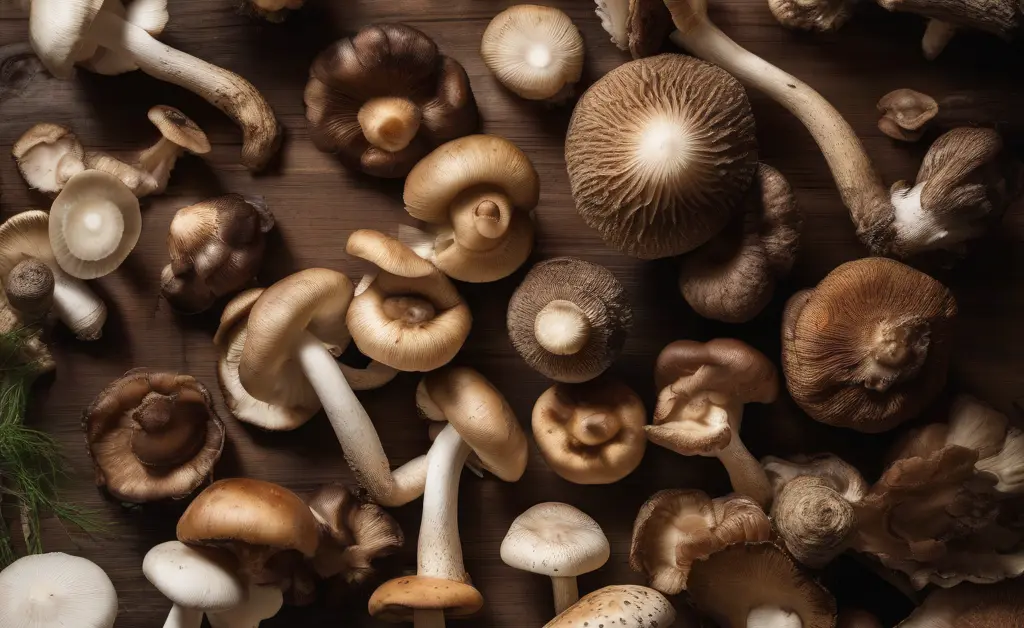
When considering the global market, understanding if a specific mushroom extract legal to sell or consume as an edible varies drastically. Different countries and even different regions within countries have distinct approaches to regulating fungi, especially those with psychoactive properties. This regional variation creates a patchwork of laws that can be challenging to navigate for consumers and businesses alike.
Are Mushroom Gummies in the UK?
In the UK, psilocybin mushrooms are classified as Class A drugs under the Misuse of Drugs Act 1971. This means that products containing psilocybin, including mushroom gummies, are illegal to produce, supply, or possess. While non-psychoactive mushroom gummies (e.g., made from Lion’s Mane or Reishi) are legal as food supplements, any edible product implying or containing psilocybin is strictly prohibited.
Magic Mushroom Laws in the UK (2026): What’s Legal & …
As of the current understanding, the legal status of magic mushrooms in the UK is unlikely to change significantly by 2026. Psilocybin remains a Class A drug. There have been discussions and calls for reform, particularly concerning medical research, but a broad legalization or decriminalization of magic mushrooms for recreational use is not anticipated in the near future. Any legal product labeled as “magic mushroom” in the UK would almost certainly be a misrepresentation or contain legal, non-psychoactive fungi.
Is Psilocybe legal in Italy?
In Italy, psilocybin and psilocin are classified as Schedule I substances under the country’s drug laws, meaning they are illegal. This applies to the possession, cultivation, and sale of Psilocybe mushrooms. While there have been some scientific discussions surrounding therapeutic applications, the general legal stance remains prohibitive.
Are any psychedelics legal in Germany?
In Germany, the legal landscape for psychedelics is complex. Psilocybin and psilocin are illegal under the Narcotics Act (Betäubungsmittelgesetz – BtMG). However, some other naturally occurring psychoactive plants and fungi that do not contain scheduled substances, such as certain cacti, may exist in a legal grey area or are legal as “ornamental plants” but illegal if intended for consumption. Research into psychedelics for medical purposes is permitted under strict regulations, but general recreational use remains illegal for psilocybin-containing mushrooms and many other psychedelics.
Federal Laws and Mushroom Extracts
At the federal level in the United States, the legal status of any mushroom extract legal to buy or sell hinges significantly on its classification under the Controlled Substances Act (CSA). The CSA is the primary federal law regulating drugs and establishes five schedules based on a drug’s accepted medical use and potential for abuse. Psilocybin and psilocin, the active compounds in “magic mushrooms,” are classified as Schedule I substances. This means they are deemed to have a high potential for abuse, no currently accepted medical treatment use in the U.S., and a lack of accepted safety for use under medical supervision. This federal prohibition applies nationwide, regardless of state-level initiatives.
Psilocybin Legal Status by State and Federal Law 2025
As of 2025, psilocybin remains a Schedule I controlled substance under federal law in the United States. This federal stance means that, despite growing momentum at the state and local levels, the cultivation, possession, sale, and distribution of psilocybin are illegal across the country in the eyes of the federal government. However, various states and cities have taken steps towards decriminalization or legalization for medical/therapeutic use. These local measures often involve reducing penalties for possession or creating frameworks for supervised access, but they do not override federal prohibition. The tension between federal illegality and state-level reform continues to shape the evolving legal landscape for psilocybin.
State-Specific Regulations on Mushroom Extracts
Beyond federal oversight, individual states often implement their own regulations, further complicating whether a particular mushroom extract legal to possess or distribute. While federal law prohibits psilocybin, some states and municipalities have enacted measures that decriminalize its possession or, in a few cases, even create frameworks for therapeutic access. For non-psychoactive mushroom extracts, state laws primarily align with federal food and supplement regulations, but there can be variations in labeling requirements or sales restrictions.
Decriminalization, for instance, typically means that possessing small amounts of psilocybin mushrooms is treated as a minor offense, similar to a traffic ticket, rather than a criminal felony. Cities like Denver, Colorado, and Oakland, California, were among the first to decriminalize psilocybin. Oregon went a step further, legalizing psilocybin for supervised therapeutic use. However, these state and local initiatives do not nullify federal law, leaving a complex legal environment where state-level protection may not fully shield individuals from federal prosecution, though such federal enforcement often targets larger-scale operations.
For mushrooms like Amanita muscaria, whose legality is often not explicitly addressed by federal controlled substance laws, state laws can become the primary determinant. Some states might classify certain psychoactive compounds found in non-scheduled mushrooms under broader “intoxicating substances” laws, or they might remain unregulated. Therefore, understanding the specific laws of the state and even the local municipality is crucial for anyone involved with mushroom extracts, whether as a consumer or a business.
Navigating the Legal Landscape for Consumers and Businesses
Navigating the complex legal landscape of mushroom extracts requires diligence and awareness for both consumers and businesses. For consumers, it’s essential to understand the specific type of mushroom extract they are purchasing and its legal status in their particular jurisdiction. This includes verifying whether the product contains any controlled substances and being cautious about claims made by sellers. Reputable vendors typically provide transparent information about their product’s ingredients and legal compliance.
Businesses involved in the sale, manufacturing, or distribution of mushroom extracts face even greater responsibilities. They must ensure that their products comply with all relevant federal, state, and local laws, including those related to controlled substances, food and drug regulations, labeling requirements, and marketing claims. This often involves rigorous testing, proper ingredient sourcing, and maintaining a clear understanding of the evolving legal environment. Staying informed about legislative changes, both at the federal and state levels, is critical to avoid potential legal ramifications. Consultation with legal professionals specializing in dietary supplements and controlled substances can provide valuable guidance in this intricate and rapidly changing field.
This article aims to inform, not to replace professional healthcare advice. The information provided is for general knowledge and educational purposes only, and does not constitute medical advice. Always consult with a qualified healthcare professional before making any decisions related to your health or before starting any new health regimen. Individual responses to supplements and natural products can vary.
FAQ
Are mushroom edibles legal?
The legality of mushroom edibles depends entirely on the specific type of mushroom used and the regulations in your location. Edibles derived from non-psychoactive mushrooms, like culinary varieties, are generally legal. However, those made with psychoactive mushrooms, such as psilocybin-containing species, are subject to strict laws and are typically illegal in most jurisdictions.
Are mushroom extracts legal in California?
In California, the legal status of mushroom extracts hinges on their psychoactive content. Extracts from non-psychoactive mushrooms are generally permitted, but those containing psilocybin are classified as controlled substances and are therefore illegal under state and federal law.
Are mushroom extracts legal in Texas?
Mushroom extracts are subject to Texas law, which classifies psilocybin as a Schedule I controlled substance, making it illegal. Consequently, extracts containing psilocybin are illegal in Texas, while those derived from non-psychoactive mushrooms are typically allowed.
Are mushroom extracts legal in Florida?
Florida law also categorizes psilocybin as a controlled substance, rendering mushroom extracts containing it illegal. Extracts made from mushrooms that do not contain psychoactive compounds are generally not subject to these restrictions.
Are mushroom edibles safe and legal?
The safety and legality of mushroom edibles are determined by the mushroom source. Edibles made from culinary mushrooms can be safe and legal, but those derived from psychoactive mushrooms carry legal risks and potential safety concerns that vary by region and compound.
Are mushroom gummies legal in the UK?
In the UK, mushroom gummies containing psilocybin are illegal as psilocybin is a Class A drug under the Misuse of Drugs Act 1971. Gummies made from non-psychoactive mushrooms, such as those used for culinary purposes, are not subject to these restrictions.
Is mushroom legal in the US?
The legal status of mushrooms in the US is complex and varies significantly. While many common culinary and medicinal mushrooms are legal, mushrooms containing psilocybin are federally classified as illegal controlled substances.
Is Psilocybe legal in Italy?
In Italy, Psilocybe mushrooms, which contain psilocybin, are classified as illegal controlled substances. Possession, sale, and cultivation are subject to criminal penalties under Italian drug laws.
Are any psychedelics legal in Germany?
While most psychedelics remain illegal in Germany, there have been some developments, particularly for medicinal use under strict supervision. Certain substances may be available through specific medical exemptions or controlled research programs, but recreational use is generally prohibited.
Is 4-PrO-DMT legal in the United States?
The legal status of 4-PrO-DMT in the United States is complex due to its status as a research chemical and its structural relation to controlled substances. While not explicitly listed as a controlled substance, its legality can be ambiguous and subject to interpretation under analogue laws.