
A Practical Guide to Mushroom Farming in Zambia
Many households and small-scale farmers in Zambia face the recurring challenge of securing consistent, nutritious food sources and generating reliable income from their agricultural efforts. Relying solely on traditional crops can often lead to seasonal income fluctuations and nutritional gaps, leaving communities vulnerable to economic instability and dietary deficiencies. This can be a significant frustration for those striving for self-sufficiency and improved well-being. Addressing these critical needs, mushroom farming presents a compelling and sustainable solution. This guide delves into the practical aspects of establishing and operating a successful mushroom farming venture in Zambia, offering insights into cultivation techniques, market access, and the economic benefits that can transform livelihoods and enhance food security.
Introduction to Mushroom Farming in Zambia
Mushroom farming involves the cultivation of edible fungi, offering a versatile agricultural practice that can be adapted to various scales, from small backyard setups to commercial operations. In Zambia, this form of agriculture is gaining recognition for its potential to diversify agricultural output, improve nutrition, and create economic opportunities, particularly in rural areas. It provides an alternative income stream that is often less land-intensive and can utilize agricultural waste materials, aligning with principles of circular economy.
Benefits of Mushroom Farming in Zambia
The advantages of engaging in mushroom cultivation in Zambia are numerous. Economically, mushrooms can command good prices in both local and urban markets, offering a stable and often higher income compared to traditional crops, especially during off-seasons. Nutritionally, mushrooms are a rich source of protein, vitamins (especially B and D), and minerals, making them an excellent dietary supplement to combat malnutrition. Environmentally, mushroom farming is sustainable, as it typically uses organic waste materials as substrates, thus helping to reduce waste and promote ecological balance. It also requires minimal land and water compared to other forms of agriculture.
Challenges and Opportunities in Zambian Mushroom Farming
While the prospects are promising, mushroom farming in Zambia also faces certain challenges. These can include a lack of readily available technical expertise, initial capital investment for specialized equipment, difficulties in maintaining optimal growing conditions (temperature and humidity), and establishing reliable market linkages. However, these challenges also present significant opportunities. The growing demand for nutritious food, increasing awareness of sustainable agriculture, and the potential for local innovation in substrate preparation and climate control technologies create a fertile ground for growth. Training programs and government initiatives can further empower farmers to overcome these hurdles, fostering a thriving mushroom industry.
Best mushroom farming zambia
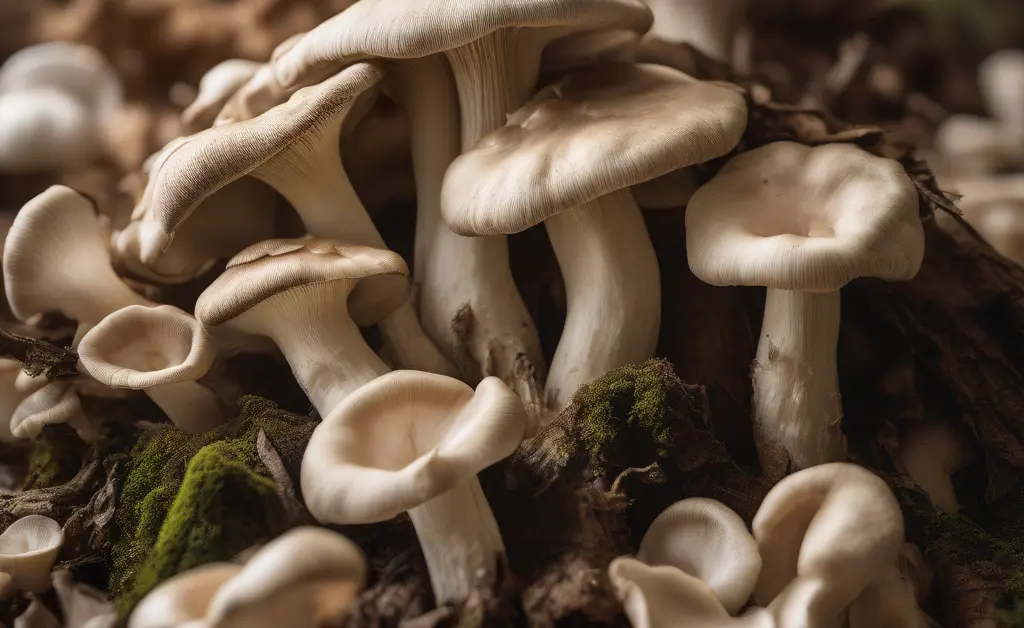
Determining the “best” approach to mushroom farming in Zambia often depends on various factors such as available resources, climate, market demand, and technical expertise. For many small-scale farmers, oyster mushroom cultivation frequently emerges as a highly viable and recommended option due to its relatively simple growing requirements, fast growth cycle, and broad market appeal. These characteristics make it particularly well-suited for beginners and those with limited resources.
Oyster mushroom farming at our SkillsHub Zambia
Oyster mushrooms are celebrated for their adaptability and high yield potential, making them a popular choice for new and experienced growers alike. Cultivating oyster mushrooms is generally less demanding than other varieties, as they can grow on a wide range of agricultural waste products. Initiatives through local skills hubs or training centers in Zambia often focus on oyster mushroom cultivation due to its accessibility and economic returns, equipping farmers with the practical knowledge to establish their own successful ventures. Such training typically covers substrate preparation, inoculation, environmental management, and marketing strategies.
Mushroom farming zambia price
The pricing dynamics within mushroom farming in Zambia are influenced by factors such as demand, supply, quality, and seasonality. While specific numerical values are not discussed, it is understood that fresh, high-quality mushrooms can fetch competitive prices in urban centers and for export. The perceived value of mushrooms as a nutritious and versatile food item, coupled with their relatively short shelf life, contributes to market pricing. Understanding local market trends and establishing direct sales channels can significantly impact profitability for mushroom farmers.
How to grow mushrooms in Zambia?
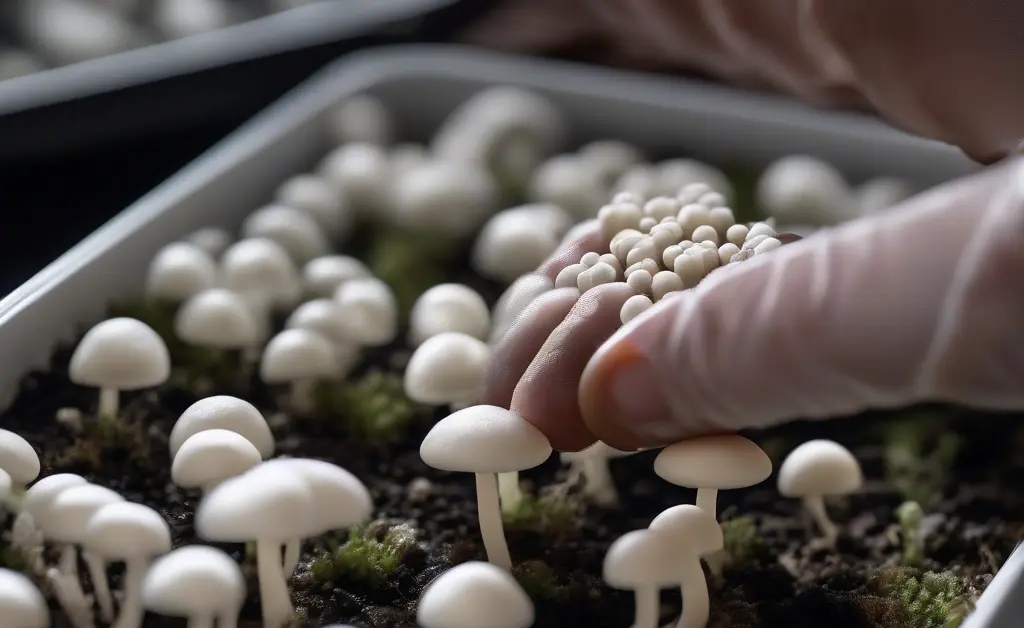
Successful mushroom farming in Zambia involves several key stages, each requiring careful attention to detail. The process generally begins with preparing the growing medium, followed by introducing the mushroom spawn, maintaining optimal environmental conditions, and finally, harvesting and handling the produce. Adhering to best practices at each step helps ensure a healthy yield and quality product. For a comprehensive understanding of the overall process, one might explore mushroom cultivation.
Mushroom Substrates (e.g., cotton husks, agricultural waste)
Substrates are the nutrient-rich materials on which mushrooms grow. In Zambia, readily available agricultural waste products such as cotton husks, rice straw, sawdust, banana leaves, and maize cobs are excellent choices. These materials are often inexpensive or free, promoting sustainable practices and reducing cultivation costs. Proper substrate preparation involves processes like chopping, soaking, and sterilization or pasteurization to eliminate contaminants and prepare the material for colonization by mushroom mycelium.
Mushroom Spawn
Mushroom spawn is essentially a growing medium (often grain) inoculated with mushroom mycelium, acting as the ‘seed’ for cultivation. High-quality spawn is crucial for successful cultivation. It is typically purchased from specialized laboratories or suppliers. Ensuring the spawn is fresh, viable, and free from contamination is paramount to a successful crop. Farmers should choose spawn strains suitable for the specific mushroom variety they intend to grow and that are well-adapted to the local climate.
Growing Environment (e.g., shade house, bags)
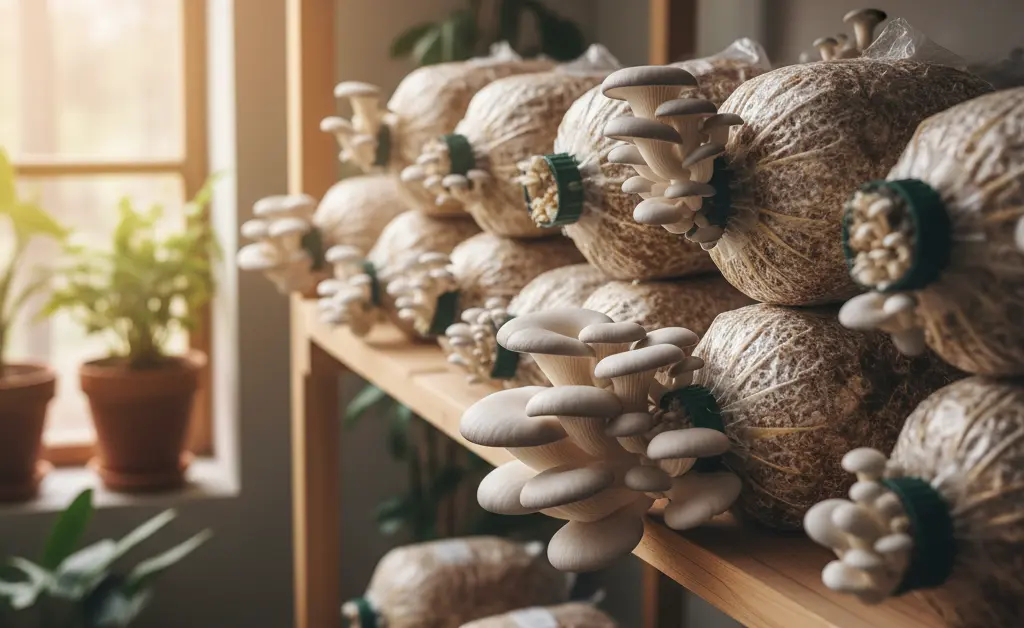
Mushrooms require specific environmental conditions to thrive, including controlled temperature, humidity, and light. In Zambia, farmers often utilize simple structures like shade houses or designated grow rooms to manage these factors. Growing bags filled with inoculated substrate are a common method, allowing for easy handling and environmental control. Adequate ventilation is also essential to prevent the buildup of carbon dioxide, which can inhibit mushroom growth.
Tools and Equipment
Starting a mushroom farm requires a basic set of tools and equipment. These may include chopping machines for substrate preparation, weighing scales, sterilizers or pasteurizers, plastic bags for substrate and growing, spray bottles for humidity, and shelving units for organizing growing bags. For more advanced operations, equipment for climate control such as humidifiers or fans might be considered. The choice of tools can vary depending on the scale and sophistication of the operation.
Inoculation and Incubation
Inoculation is the process of mixing the mushroom spawn with the prepared substrate. This is a critical step that must be performed hygienically to prevent contamination. After inoculation, the substrate bags are moved to an incubation area where the mycelium colonizes the substrate, forming a dense white network. This phase typically requires a dark, warm, and humid environment, without excessive ventilation. The incubation period varies depending on the mushroom species and environmental conditions.
Fruiting and Harvesting
Once the substrate is fully colonized, environmental conditions are adjusted to induce fruiting, which means the formation of mushroom bodies. This often involves reducing temperature, increasing humidity, and introducing indirect light and fresh air. Mushrooms grow rapidly during this phase. Harvesting is done by gently twisting the mushrooms from the substrate or cutting them at the base when they reach a desired size. Multiple flushes or harvests can be obtained from a single substrate block over several weeks.
Post-Harvest Handling
Proper post-harvest handling is vital to maintain the quality and extend the shelf life of fresh mushrooms. This includes gentle handling to prevent bruising, cleaning off any substrate residue, and immediate cooling. Mushrooms are perishable and should be stored in a cool, well-ventilated place, ideally in breathable packaging, to prevent moisture accumulation and spoilage. Timely transport to market is also crucial to ensure freshness.
Getting Started with Mushroom Cultivation in Zambia
Embarking on mushroom cultivation in Zambia requires careful planning and a foundational understanding of the process. Beyond the technical aspects of growing, considerations for initial setup, training, and environmental management are paramount for establishing a sustainable and profitable venture. A well-thought-out plan from the outset can significantly increase the chances of success for new farmers.
Technical Expertise and Training
Access to technical expertise and proper training is fundamental for anyone looking to enter mushroom farming. Farmers benefit significantly from learning about different mushroom species, substrate preparation techniques, disease and pest management, and post-harvest handling. Various agricultural institutions, NGOs, and private enterprises in Zambia may offer workshops and hands-on training sessions specifically tailored to local conditions, equipping individuals with the necessary skills to cultivate mushrooms effectively.
Climate Control
Maintaining an optimal climate is crucial for mushroom growth. Zambia’s climate, with its varying temperatures and humidity levels throughout the year, means that some form of climate control is often necessary. This can range from simple methods like using shade nets and misting systems in basic shade houses to more sophisticated, enclosed grow rooms with humidifiers and ventilation systems for larger operations. Understanding the specific needs of the chosen mushroom variety is key to designing an effective climate control strategy.
Types of Mushrooms Suitable for Zambian Climate
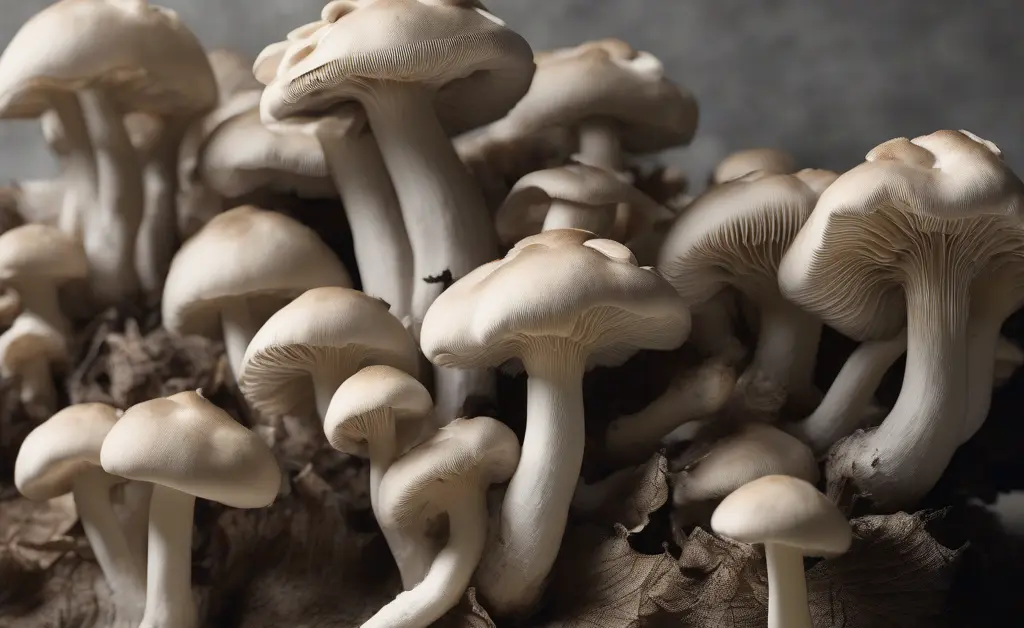
Several types of mushrooms are well-suited for cultivation in Zambia, primarily due to their adaptability to local climatic conditions and their ability to grow on readily available substrates. Oyster mushrooms (Pleurotus species) are particularly popular because they thrive in a range of temperatures and humidity levels, making them a robust choice for most regions. Button mushrooms (Agaricus bisporus) can also be cultivated, though they typically require more controlled environments, often necessitating specialized facilities for temperature and humidity regulation. Other varieties that may be explored include certain edible wild mushrooms that have been domesticated or local strains adapted to the Zambian environment, offering diversification opportunities for growers.
Essential Resources and Materials for Mushroom Farming in Zambia
Successful mushroom farming in Zambia relies heavily on securing the right resources and materials. These inputs can be broadly categorized into infrastructure, consumables, and knowledge. Infrastructure includes suitable growing structures such as shade houses or dedicated grow rooms. Consumables encompass mushroom spawn, various agricultural waste products for substrate (e.g., maize cobs, cotton husks, rice straw), water, and cleaning agents. Access to reliable energy for sterilization (if applicable) and lighting is also important. Beyond physical resources, information and training on cultivation techniques, market dynamics, and pest/disease management are indispensable for sustaining a viable mushroom farm.
The Process of Mushroom Cultivation
Mushroom cultivation is a cyclical process that transforms agricultural waste into nutritious food. It commences with the careful preparation of the substrate, typically involving chopping, soaking, and either pasteurization or sterilization to eliminate competing microorganisms. Following this, the prepared substrate is inoculated with mushroom spawn, a critical step that requires sterile conditions. The inoculated substrate then undergoes an incubation period, during which the mycelium colonizes the entire medium. Once colonization is complete, the environmental conditions (temperature, humidity, light, fresh air) are adjusted to trigger fruiting, leading to the development of mushroom caps. Regular harvesting ensures that mushrooms are picked at their peak quality, after which they undergo post-harvest handling to preserve freshness and prepare them for market. This entire cycle, from substrate preparation to harvesting, can be relatively short, often allowing for multiple production cycles within a year.
Mushroom farming zambia cost
The cost associated with establishing and operating mushroom farming in Zambia can vary significantly based on the scale of the operation, the chosen cultivation method, and the level of technology employed. Initial setup costs may involve constructing growing facilities (simple shade houses or more controlled environments), purchasing basic tools and equipment, and acquiring initial mushroom spawn. Operational expenses typically include the ongoing purchase of spawn, substrate materials (though often sourced cheaply from agricultural waste), water, and labor. While upfront investment can be a consideration, the relatively low land requirement and the potential for utilizing readily available waste products can make mushroom farming an accessible venture, with careful planning crucial for managing expenditures and maximizing returns.
Market Access and Distribution
Effective market access and a robust distribution network are critical for the profitability of mushroom farming in Zambia. Mushrooms, being perishable, require swift movement from farm to consumer. Farmers can explore various avenues, including direct sales to consumers at local markets, supplying to hotels, restaurants, and catering services (HoReCa), or partnering with supermarkets and food distributors. Developing relationships with buyers, ensuring consistent supply, and maintaining high product quality are key strategies. Value addition through drying or processing mushrooms can also extend shelf life and open up new market opportunities, including potential for export.
Government Support and Initiatives
Government support can play a significant role in fostering the growth of mushroom farming in Zambia. Such support may manifest through various initiatives, including agricultural extension services that provide training and technical advice, subsidies on essential inputs like quality spawn, or grants for developing processing facilities. Policy frameworks that promote sustainable agriculture and facilitate market linkages for small-scale farmers can also greatly benefit the sector. Additionally, government-led research into indigenous mushroom species and optimal cultivation techniques for local conditions can provide valuable insights and improve productivity for Zambian farmers.
Economic and Social Impact of Mushroom Farming
Mushroom farming contributes positively to both the economic and social fabric of communities in Zambia, offering a multi-faceted approach to sustainable development.
Income Generation and Livelihoods
For many smallholder farmers and households, mushroom cultivation provides a viable source of income. Its relatively quick growth cycle and potential for high yields translate into frequent income streams, which can significantly improve household financial stability. This economic empowerment can lead to better living standards, increased access to education, and improved resilience against economic shocks, fundamentally transforming livelihoods.
Food Security and Nutrition
Mushrooms are a nutritious food source, rich in protein, fiber, vitamins, and minerals. Integrating them into the local diet can help address nutritional deficiencies and enhance food security, especially in areas where access to diverse food groups is limited. By producing mushrooms locally, communities can ensure a consistent supply of healthy food, complementing traditional staples and contributing to a more balanced diet. For general health and dietary information, resources from the NHS can be helpful.
Sustainable Agriculture Practices
Mushroom farming exemplifies sustainable agriculture by utilizing agricultural waste products as substrates, thereby reducing waste and minimizing the demand for fertile land. This practice contributes to resource efficiency and reduces the environmental footprint of food production. Moreover, mushroom cultivation can be integrated into existing farming systems, promoting diversification and enhancing overall farm sustainability by creating a closed-loop system where waste from one activity becomes a resource for another.
Mushroom farming in Zambia presents a dynamic and impactful agricultural opportunity. Its potential to generate income, enhance food security, and promote sustainable practices makes it an attractive venture for individuals and communities alike. With continued investment in training, market development, and appropriate technology, mushroom cultivation can play an increasingly vital role in Zambia’s agricultural landscape, fostering resilience and prosperity across the nation.
This article is written for general understanding and not for medical decision-making. The information provided is intended to offer a broad overview of mushroom farming practices and their potential benefits. It does not constitute specific advice regarding health conditions, nutritional requirements, or agricultural techniques tailored to individual circumstances. For personalized guidance on health or farming, consulting with qualified professionals is always recommended.
FAQ
How can I start mushroom farming in Zambia?
Starting mushroom farming involves understanding substrate preparation, spawn inoculation, environmental control, and harvesting techniques. Success depends on creating the right conditions for fungal growth and managing potential contaminants. Careful planning and execution are key to establishing a productive mushroom cultivation operation.
What are the best mushroom varieties to grow in Zambia?
Certain mushroom species adapt well to local climates and market demands in Zambia. Varieties like oyster mushrooms are often cultivated due to their relatively straightforward growing requirements and fast colonization times. Researching which types are most suitable for your specific region and consumer preferences will enhance your chances of a good harvest.
What materials are needed for mushroom farming in Zambia?
Essential materials include a suitable growing substrate, such as straw, sawdust, or agricultural waste, and high-quality mushroom spawn. You will also need containers for incubation, a clean environment for inoculation, and a controlled growing space with adequate humidity and ventilation. Tools for harvesting and packaging are also necessary for a complete operation.
What is the potential profit from mushroom farming in Zambia?
The potential profit from mushroom farming in Zambia can vary significantly based on scale, efficiency, and market access. Factors influencing profitability include yield, market price, and operational costs for inputs and labor. Developing strong sales channels and minimizing waste are crucial for maximizing financial returns.
Are there any training programs for mushroom farming in Zambia?
Various agricultural organizations and private entities in Zambia offer training programs covering different aspects of mushroom cultivation. These programs often provide hands-on experience and theoretical knowledge necessary to overcome common challenges. Exploring available resources can equip you with the skills needed for successful mushroom farming zambia.