
The Blueprint for Mushroom Farming Success in Zimbabwe
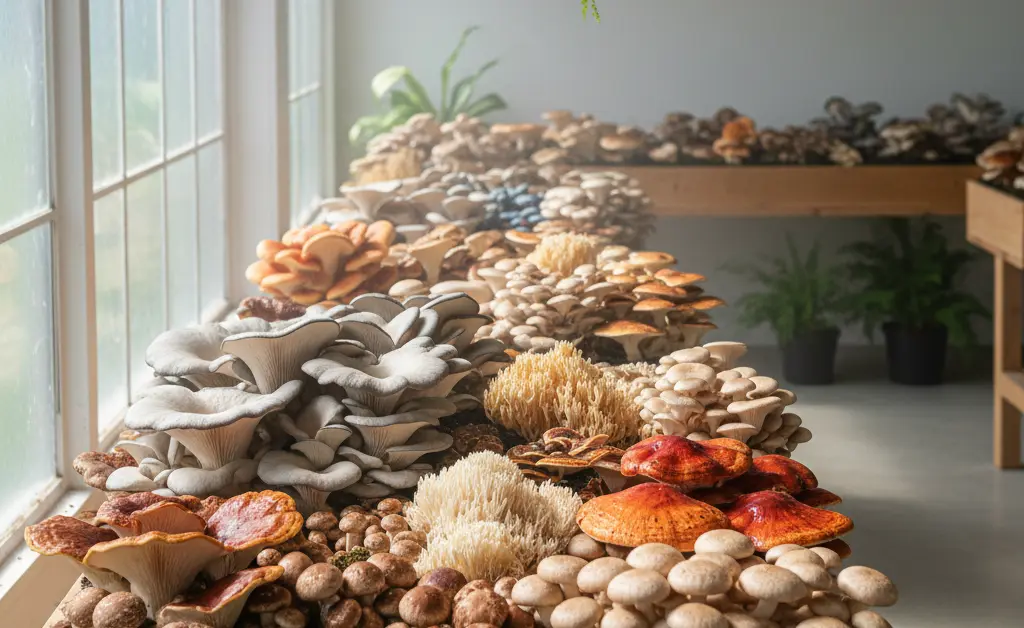
Many people across Zimbabwe are actively seeking sustainable and profitable agricultural ventures that can thrive within the local climate and market conditions. Among these, mushroom farming zimbabwe has emerged as a particularly promising option, offering significant economic benefits, contributing to food security, and utilizing agricultural waste. This comprehensive guide aims to provide a clear blueprint for individuals and entrepreneurs interested in cultivating mushrooms, covering everything from selecting the right species and setting up your farm to harvesting your produce and navigating market demands. We will explore the essential steps, necessary equipment, and practical advice to help you establish and maintain a successful mushroom cultivation business within the Zimbabwean context, leveraging local resources and market opportunities.
Introduction to Mushroom Farming in Zimbabwe
Why Mushroom Farming in Zimbabwe?
Mushroom cultivation presents a compelling opportunity for agricultural diversification and economic empowerment in Zimbabwe. The country’s climate, coupled with readily available agricultural by-products such as sawdust, maize cobs, and cotton waste, creates an ideal environment for growing various mushroom species. Furthermore, mushrooms are a rich source of protein, vitamins, and minerals, making them a valuable contribution to national food security efforts. Engaging in this sector can also offer significant benefits by converting agricultural waste into a high-value product, promoting sustainable farming practices.
Potential for Profitability
The market for fresh and processed mushrooms in Zimbabwe is growing, driven by increasing consumer awareness of their nutritional benefits and culinary versatility. Local mushroom cultivation can be a very profitable venture. With relatively low startup costs compared to other agricultural enterprises, and a quick turnaround from spawning to harvest, mushroom farming can yield substantial returns. Successful ventures often see multiple harvests from a single substrate batch, further enhancing profitability and providing a steady income stream for farmers.
Essential Skills and Knowledge
While mushroom farming can be rewarding, it requires a foundational understanding of mycology (the study of fungi) and specific cultivation techniques. Key skills include knowledge of substrate preparation, hygiene and sterilization protocols, environmental control, and pest and disease management. Aspiring farmers benefit greatly from learning about different mushroom species, their growth cycles, and optimal conditions. Developing a keen eye for detail and a commitment to maintaining stringent sanitary practices are also crucial for ensuring healthy yields and preventing contamination.
Mushroom Farming in Zimbabwe Guide
Training and Courses Available
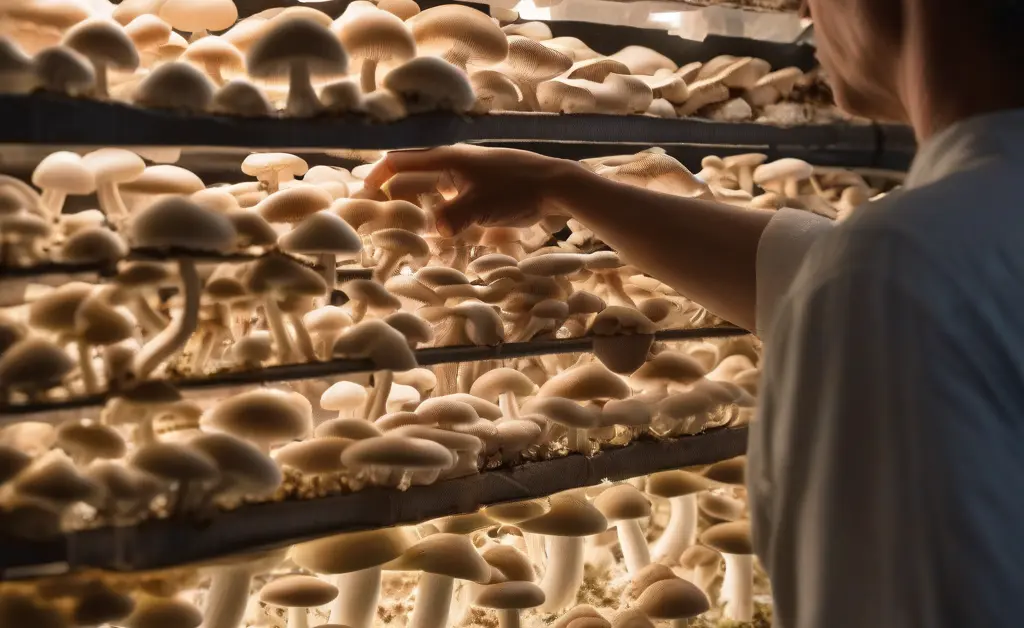
For those looking to venture into mushroom farming in Zimbabwe, various training programs and workshops are available. These courses often cover practical aspects of cultivation, from substrate preparation and inoculation to harvesting and marketing. Agricultural colleges, non-governmental organizations, and even experienced local farmers frequently offer hands-on training sessions. Participating in such programs can provide invaluable practical experience, connect new farmers with mentors, and equip them with the confidence to establish their own successful mushroom cultivation operations.
Types of Mushrooms Suitable for Zimbabwe
Oyster Mushrooms
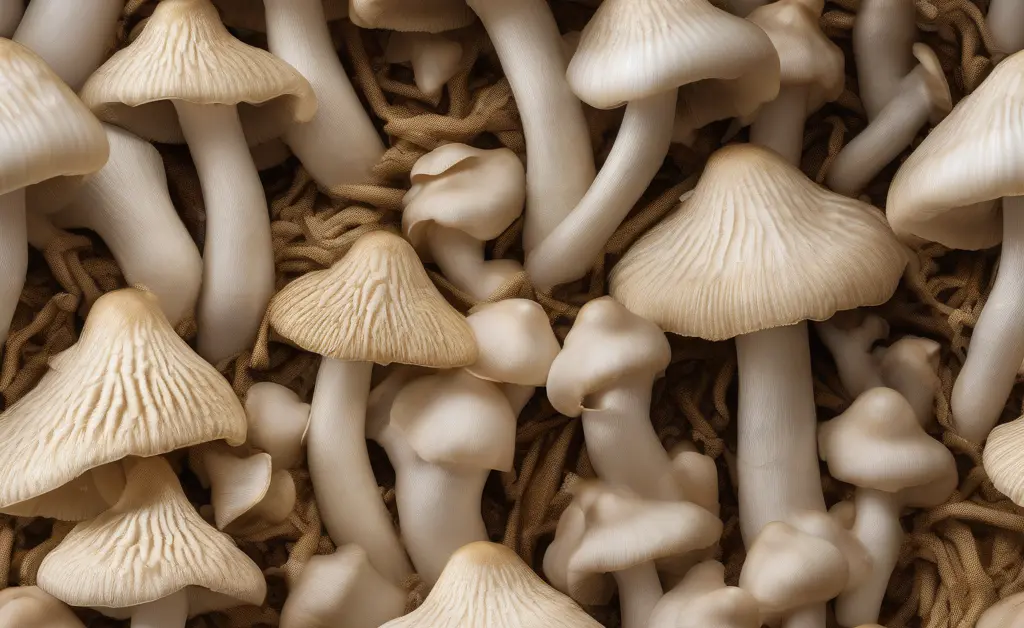
Oyster mushrooms (Pleurotus ostreatus) are among the most popular and easiest varieties to cultivate, making them an excellent choice for beginners in Zimbabwe. They thrive on a wide range of substrates, including maize cobs, straw, and sawdust, which are readily available agricultural waste products. Known for their rapid growth and adaptability to various environmental conditions, oyster mushrooms offer consistent yields. Their delicate flavor and texture make them highly sought after in local markets, appealing to both consumers and the hospitality industry.
Shiitake Mushrooms
Shiitake mushrooms (Lentinula edodes) are celebrated for their rich, umami flavor and significant health benefits, commanding a higher price point than many other varieties. While slightly more challenging to grow than oyster mushrooms, their market value makes them an attractive option for more experienced farmers. Shiitake typically prefer wood-based substrates like hardwood sawdust or logs and require specific temperature and humidity cycles for optimal fruiting. Cultivating shiitake can open doors to niche markets and export opportunities for mushroom producers.
Other Popular Varieties
Beyond oyster and shiitake, other mushroom varieties can also be successfully cultivated in Zimbabwe, depending on specific environmental controls and market demand. These may include Reishi (Ganoderma lucidum), known for its traditional medicinal uses, or various edible wild mushrooms that can be domesticated. Exploring these options might require more specialized knowledge and investment but can offer diversification and access to different consumer segments. Research into local preferences and cultivation feasibility is key when considering these alternative species.
Setting Up Your Mushroom Farm
Choosing a Location
Selecting the right location is fundamental for a successful mushroom farm. The ideal site should offer good ventilation, protection from direct sunlight and extreme weather, and access to a reliable water source. Indoor cultivation spaces, such as sheds, unused rooms, or purpose-built structures, are often preferred as they allow for better control over environmental conditions. Proximity to raw materials for substrate and ease of access to markets for distribution are also important considerations when choosing a site for mushroom farming zimbabwe.
Required Equipment and Materials
Setting up a mushroom farm involves acquiring several key pieces of equipment. This typically includes shelves or racks for growing bags, humidity and temperature monitoring devices, a humidifier, fans for ventilation, and potentially an autoclave or pressure cooker for sterilization. Essential materials include substrate (e.g., sawdust, straw), spawn (mushroom culture), growing bags, and clean water. The scale of operation will determine the size and sophistication of the equipment needed, with smaller setups requiring less capital investment.
Substrate Preparation
Substrate preparation is a critical step in mushroom cultivation. It involves selecting appropriate agricultural waste materials, chopping or shredding them to a suitable size, and then mixing them with nutritional supplements like gypsum or bran. The goal is to create a nutrient-rich medium that mushrooms can colonize. Proper hydration of the substrate is also essential, ensuring it has adequate moisture content for mushroom growth without being waterlogged.
Sterilization and Pasteurization
To prevent contamination from competing molds and bacteria, the prepared substrate must be treated. Sterilization, typically achieved using an autoclave or pressure cooker, involves heating the substrate to high temperatures for an extended period to kill all microorganisms. Pasteurization, a less intense heat treatment, reduces the number of undesirable organisms while preserving some beneficial microbes. The choice between sterilization and pasteurization depends on the type of mushroom being cultivated and the substrate used, with rigorous hygiene being paramount in either approach.
Inoculation (Spawning)
Inoculation is the process of introducing mushroom spawn (mycelium grown on grain or other carriers) into the prepared and treated substrate. This is a delicate step that requires a sterile environment to prevent contamination. The spawn is carefully mixed with the substrate, often in growing bags or containers, ensuring even distribution. Once inoculated, the bags are sealed and moved to an incubation area where the mycelium can colonize the substrate without interference.
The Growing Process Explained

Incubation Period
Following inoculation, the substrate bags enter the incubation phase, also known as the colonization period. During this time, the mushroom mycelium grows throughout the substrate, breaking down nutrients and forming a dense white network. This phase typically requires consistent, warm temperatures and darkness, with careful monitoring to ensure proper colonization and detect any signs of contamination. The length of the incubation period varies depending on the mushroom species and substrate used.
Fruiting Conditions
Once the substrate is fully colonized, the environmental conditions are altered to induce fruiting, prompting the mycelium to produce mushroom primordia (tiny mushroom pins). This usually involves exposing the substrate to cooler temperatures, increased humidity, and some light. The shock of these changes signals to the mycelium that it’s time to reproduce. Creating the right fruiting conditions is crucial for stimulating the development of healthy, marketable mushrooms.
Environmental Control (Temperature, Humidity, Light)
Precise environmental control is vital throughout the mushroom growing process, particularly during fruiting. Temperature, humidity, and light levels must be carefully managed to suit the specific needs of the mushroom species being cultivated. High humidity is typically required to prevent the mushrooms from drying out, while adequate air exchange is necessary to provide fresh oxygen and remove metabolic by-products. Consistent monitoring and adjustment of these factors using humidifiers, fans, and thermometers help ensure optimal growth and high yields.
Harvesting and Post-Harvest Handling
When to Harvest
Knowing the optimal time to harvest is crucial for ensuring peak quality and market value. Mushrooms are typically ready for harvest when their caps are fully developed but before they release a significant amount of spores. For oyster mushrooms, this often means when the edges of the caps begin to flatten but are not yet curling upwards. Harvesting at the right stage ensures good texture, flavor, and shelf life, which are important for customer satisfaction.
Harvesting Techniques
Proper harvesting techniques are essential to avoid damaging the mushrooms and the underlying mycelium, which can allow for subsequent flushes. Mushrooms are usually picked by gently twisting them off the substrate at their base, or by carefully cutting the stem with a clean knife. Care should be taken to minimize disturbance to adjacent mushrooms or the substrate. Cleanliness during harvesting is also important to prevent the introduction of contaminants.
Storage and Preservation
Mushrooms have a relatively short shelf life, making proper storage and preservation critical. Freshly harvested mushrooms should be stored in a cool, dry place, ideally in breathable containers like paper bags, to allow for air circulation and prevent moisture buildup, which can lead to spoilage. For longer preservation, methods such as drying, freezing, or pickling can be employed. These techniques extend marketability and provide opportunities for value addition, ensuring that produce does not go to waste.
Marketing and Selling Your Mushrooms
Identifying Your Market (Local, Harare, Export)
Before harvesting, it’s important to identify and understand your target market. This could include local consumers through farmers’ markets, roadside stalls, or direct-to-consumer sales. Larger markets like restaurants, hotels, and supermarkets in urban centers such as Harare represent significant demand. For farmers with consistent supply and high-quality produce, exploring export markets could be a long-term goal, potentially offering higher returns. Understanding specific market preferences and volumes needed is key for effective planning.
Pricing Strategies
Developing a sound pricing strategy involves considering production costs, market demand, competitor pricing, and the perceived value of your mushrooms. Farmers might offer different price points for fresh, dried, or processed mushrooms. Volume discounts for bulk buyers or special pricing for regular customers can also be part of a robust strategy. Balancing competitive pricing with profitability ensures sustainability for the mushroom farming enterprise.
Distribution Channels
Effective distribution channels are vital for getting your mushrooms from the farm to the consumer while they are still fresh. This could involve direct sales, deliveries to local businesses, or engaging with wholesalers. Establishing strong relationships with buyers, ensuring reliable transportation, and maintaining consistent quality are paramount for successful distribution. For mushroom farming zimbabwe, logistical efficiency can significantly impact market reach and customer loyalty.
Challenges and Opportunities in Mushroom Farming in Zimbabwe
Common Challenges Faced by Farmers
Farmers engaged in mushroom cultivation in Zimbabwe may encounter several challenges. These can include securing consistent access to high-quality spawn, managing environmental conditions effectively in resource-constrained settings, and dealing with potential pest and disease outbreaks. Market fluctuations, competition, and ensuring reliable transportation to buyers can also present hurdles. Addressing these challenges often requires careful planning, continuous learning, and adaptability.
Government Support and Initiatives
The Zimbabwean government, alongside various agricultural organizations, has shown increasing interest in promoting diversification and sustainable agricultural practices. There may be initiatives aimed at supporting smallholder farmers, including those in mushroom cultivation, through training programs, access to startup capital, or market linkages. Farmers are encouraged to explore available grants, subsidies, or technical assistance programs that could bolster their mushroom farming ventures.
Climate Considerations
While Zimbabwe offers a generally favorable climate, specific regional variations and seasonal changes can impact mushroom production. High temperatures during certain periods or prolonged dry spells might necessitate more advanced environmental control systems to maintain optimal growing conditions. Understanding the local microclimate of the farm and implementing appropriate measures, such as shading or supplementary humidification, are crucial for year-round production.
How mushroom farming in Zimbabwe led to a lasting impact
Many success stories demonstrate how mushroom farming in Zimbabwe has led to a lasting positive impact on individuals and communities. Beyond economic upliftment, it has fostered self-reliance, improved nutritional outcomes, and created employment opportunities, particularly for women and youth. By utilizing agricultural waste, it also contributes to environmental sustainability. These positive outcomes highlight the sector’s potential for driving meaningful and sustained development across the nation.
Resources and Support for Mushroom Farmers in Zimbabwe
Agricultural Organizations
Several agricultural organizations in Zimbabwe play a vital role in supporting farmers. These organizations often provide training, extension services, and access to resources for various agricultural ventures, including mushroom cultivation. Engaging with these bodies can offer valuable technical advice, networking opportunities, and information on best practices. They often serve as key platforms for farmers to voice their needs and access collective support.
Online Communities and Forums
The digital age offers a wealth of information and support through online communities and forums dedicated to mushroom cultivation. These platforms allow farmers to connect with peers, share experiences, troubleshoot problems, and learn about new techniques or market trends. Joining such groups can provide a sense of community and access to a global network of expertise, which can be particularly beneficial for those starting out in mushroom farming.
Successful Farmer Stories
Learning from the experiences of successful mushroom farmers in Zimbabwe can be incredibly inspiring and educational. These stories often highlight practical strategies, overcome challenges, and demonstrate the potential for growth and profitability. Many agricultural programs and organizations feature case studies or testimonials from local farmers, offering valuable insights and demonstrating the viability of mushroom farming as a sustainable livelihood.
Mushroom farming in Zimbabwe presents a viable and profitable agricultural opportunity with significant potential for growth. By carefully planning, understanding the cultivation process, and leveraging available resources, aspiring farmers can establish successful and sustainable mushroom enterprises. The blend of local resources, a growing market, and supportive initiatives creates a fertile ground for this innovative sector to flourish, contributing to both economic prosperity and food security across the nation.
This article is meant for general informational use and awareness. It is not intended to provide specific agricultural advice or replace professional consultation. While information on mushroom cultivation can offer valuable insights, individual farming conditions, local regulations, and market dynamics may vary significantly. Always consult with local agricultural experts or relevant authorities for guidance tailored to your specific situation before making farming decisions or implementing new practices.
FAQ
What are the best mushrooms to grow in Zimbabwe?
Oyster mushrooms are well-suited for cultivation in Zimbabwe due to their adaptability to various climates and relatively short growth cycles. Shiitake mushrooms are also a viable option, though they may require more specific environmental controls. Both species have demonstrated successful growth in local conditions and offer good market potential.
How much does it cost to start mushroom farming in Zimbabwe?
The initial investment for mushroom farming in Zimbabwe can vary widely depending on the scale of operation and the chosen method. Costs may include substrate materials, spawn, growing structures, and basic equipment. Smaller, beginner setups can be initiated with a modest budget, while larger commercial ventures will require a more significant capital outlay.
What are the training requirements for mushroom farming in Harare?
Formal training requirements for mushroom farming in Harare are generally minimal, with emphasis placed on practical knowledge and hands-on experience. Many successful growers learn through workshops, short courses, or by apprenticing with experienced farmers. Understanding mushroom biology, cultivation techniques, and pest management is key.
What is the market demand for mushrooms in Zimbabwe?
Market demand for mushrooms in Zimbabwe is growing, driven by increasing consumer interest in healthy and novel food options. Both local markets and potential export opportunities exist for well-cultivated mushrooms. The demand is influenced by factors such as availability, quality, and consumer awareness of the culinary and nutritional benefits.
What are the common problems in mushroom farming in Zimbabwe?
Common challenges in mushroom farming in Zimbabwe can include maintaining consistent environmental conditions, managing pests and diseases, and sourcing reliable spawn. Ensuring adequate substrate sterilization and preventing contamination are critical for successful yields. Addressing these issues often requires careful planning and diligent management practices.