
A Gardener’s Guide to Mushroom Juice for Plants
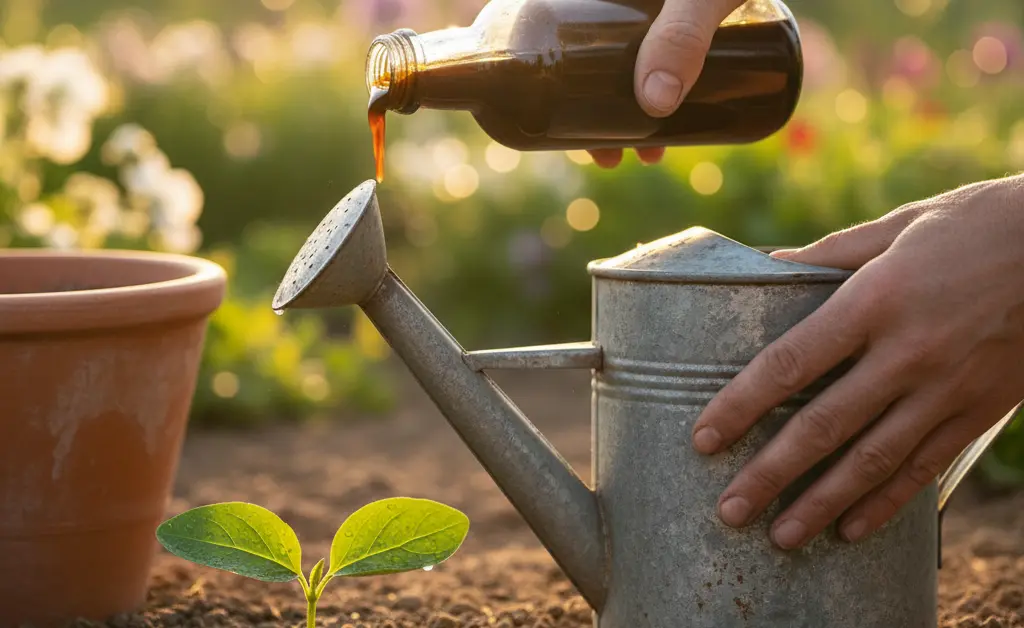
Many gardeners might initially associate mushrooms solely with culinary uses or perhaps even with unwanted fungal growth in the garden. However, overlooking their potential beyond the kitchen or as a nuisance would be a missed opportunity for plant health. The idea that all fungi are detrimental to plant ecosystems is a common misconception that can prevent enthusiasts from exploring valuable organic solutions. In reality, certain mushroom extracts offer a wealth of benefits, transforming them into a powerful, natural elixir for thriving gardens. This guide will explore how incorporating mushroom juice for plants can significantly enhance soil vitality and promote robust growth, revealing an often-underestimated tool in organic gardening practices.
What is Mushroom Juice for Plants?
Mushroom juice for plants refers to a liquid extract derived from various types of mushrooms, primarily intended to be used as a natural soil amendment and plant enhancer. Unlike standard mushroom compost, which is a solid material, this juice is a concentrated liquid that offers a different method of nutrient delivery. Its composition often includes a rich array of beneficial compounds, enzymes, and microbial populations that are extracted from the mushroom material into a water-based solution. This provides a direct and readily available source of valuable elements that support plant nutrition and overall health, distinguishing it from general plant fertilizer. These potent concoctions are also sometimes referred to as mushroom drinks.
Organic Liquid Mushroom Compost Tea
Often, when gardeners discuss mushroom juice, they are referring to a form of organic liquid mushroom compost tea. This tea is created by steeping mushroom material, which may include fresh mushrooms, dried mushrooms, or mushroom compost, in water. The process extracts water-soluble nutrients, humic acids, and a diverse community of beneficial microorganisms into the liquid. This rich concoction is then applied to plants or soil. It differs from traditional compost tea primarily by its exclusive focus on mushroom-derived components, aiming to harness the specific fungally-driven benefits for plant growth and resilience. The resulting liquid offers a potent, natural way to introduce powerful biological activity and plant nutrients into the garden ecosystem.
Benefits of Using Mushroom Juice for Plants
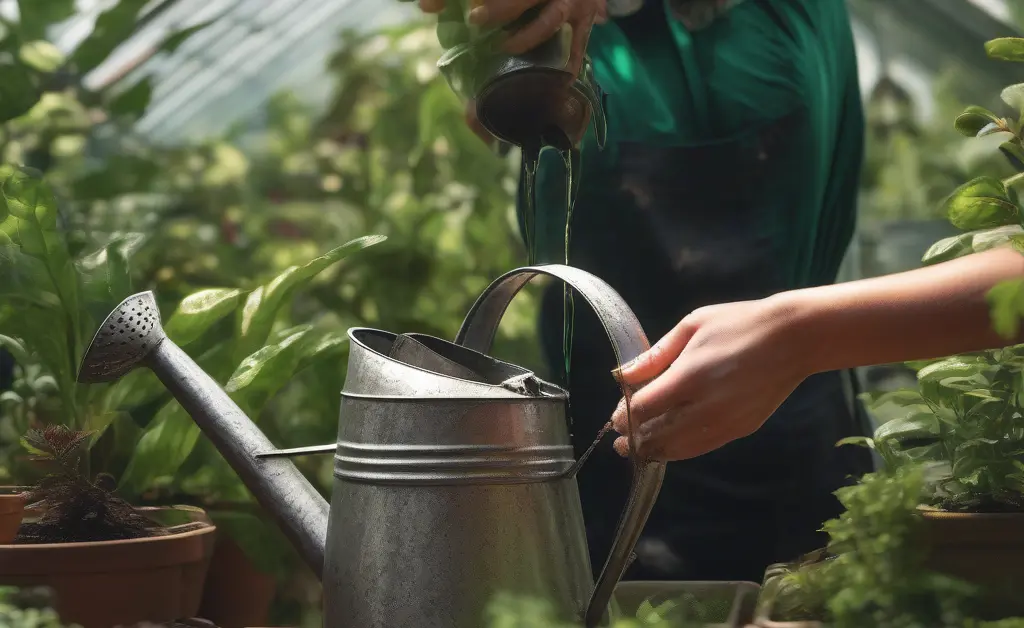
Incorporating mushroom juice for plants into your gardening routine can unlock a range of advantages for both your soil and your vegetation. One significant benefit is nutrient enrichment for soil, as the juice introduces a variety of essential elements that support robust plant development. This contributes to improved soil structure and aeration, creating a healthier environment for root growth and nutrient uptake. Furthermore, the application of mushroom extracts can lead to enhanced moisture retention within the soil, reducing the need for frequent watering, especially during drier periods.
Beyond nutrient delivery, mushroom juice actively promotes the stimulation of beneficial microbes. These microscopic organisms play a crucial role in breaking down organic matter, cycling nutrients, and forming symbiotic relationships with plant roots. A thriving microbial community contributes to the overall vitality of the soil and, by extension, the plants growing within it. Moreover, the compounds found in mushroom juice are studied for their potential to bolster disease resistance and plant health, with ongoing research in this area often supported by organizations like the NIH. By strengthening the plant’s natural defenses, it may become more resilient against common pathogens and environmental stressors, leading to more vigorous and productive vegetable gardens and ornamental plantings without relying on synthetic plant fertilizer.
How to Make Mushroom Juice for Plants
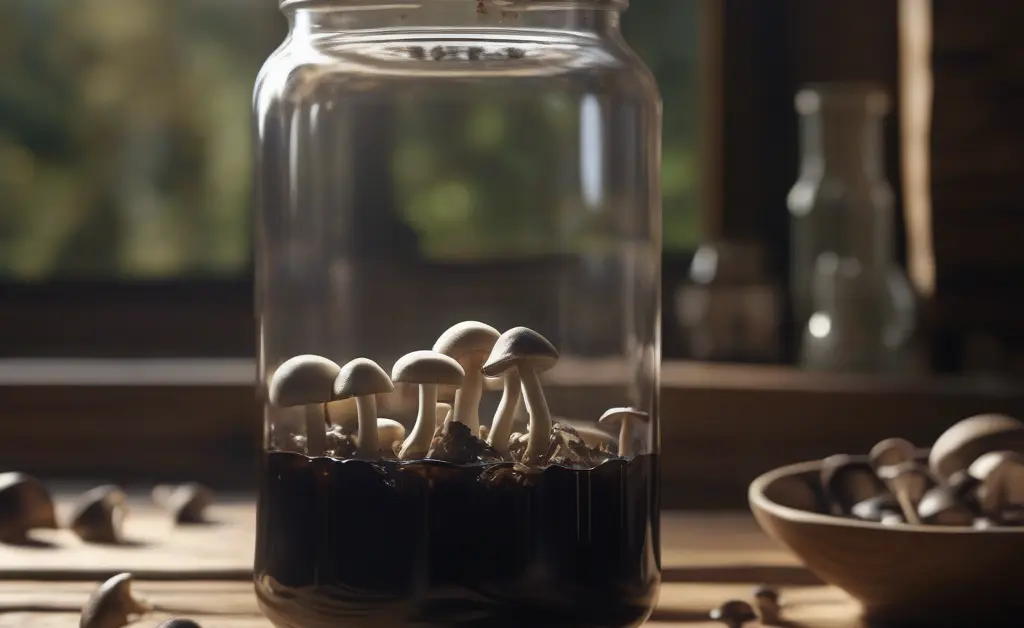
Creating your own mushroom juice for plants at home can be a rewarding and cost-effective way to provide your garden with a natural boost. The process involves extracting beneficial compounds from mushrooms into a liquid form, which can then be applied to your plants. There are several methods, ranging from simple soaking to more involved fermentation, each yielding a nutrient-rich elixir for your green companions.
Mushroom Juice for Plants Homemade
Making mushroom juice for plants at home allows for control over the ingredients and process, ensuring an organic and sustainable solution for your garden. This homemade approach often begins with selecting suitable mushroom varieties, which is a crucial first step. The goal is to extract the beneficial compounds and microbial life that can significantly enhance plant growth and soil health. The choice of mushrooms can influence the specific benefits derived, making it important to consider what you aim to achieve in your garden.
Equipment Needed
To embark on making your own mushroom juice, you’ll need some basic equipment. Essential items typically include a large, clean bucket or container, preferably non-metallic, to hold the mushroom mixture. A porous bag, such as a mesh laundry bag, cheesecloth, or an old pillowcase, will be useful for containing the mushroom material during steeping, preventing debris from mixing directly into the liquid. You will also need a lid or cover for your container to keep out unwanted elements and reduce evaporation. Finally, a stirring stick and a straining mechanism, like a fine-mesh sieve or cloth, will aid in the preparation and separation process.
Ingredients and Ratios
The core ingredients for mushroom juice are, naturally, mushrooms and water. For mushrooms, you can use commercially grown mushrooms, which are readily available, or dried varieties. When considering wild mushrooms, extreme caution is advised, as many are toxic and may introduce harmful compounds. It’s generally safer to stick with known edible vs. non-edible mushrooms or those specifically cultivated for their beneficial properties, such as oyster mushrooms or reishi. The “ratio” of mushrooms to water is often flexible; a general guideline is to use a moderate amount of mushroom material in relation to your water volume, ensuring adequate extraction without creating an overly dense or weak solution. Avoid using any wild mushrooms unless you are an expert mycologist, and even then, consider the potential risk of pathogens.
Simple Soaking Method
The simple soaking method is the easiest way to prepare mushroom juice. Begin by placing your chosen mushroom material (chopped or shredded works best) into a porous bag. Submerge this bag in a bucket of unchlorinated water, such as rainwater or tap water that has been left out for at least 24 hours to allow chlorine to dissipate. Allow the mushrooms to steep in the water for several days, typically between two to five days. Stir the mixture daily to encourage extraction. The water will gradually change color, indicating that the beneficial compounds are leaching into the liquid. After the soaking period, remove the mushroom material, and your basic mushroom juice is ready for dilution and application.
Fermentation Process
For a more potent and microbially active solution, you can opt for a fermentation process. This method involves allowing beneficial microorganisms to actively break down the mushroom material, enriching the juice with a wider range of compounds and a higher concentration of beneficial microbes. After preparing your mushroom and water mixture, you might add a small amount of an activator, such as a little molasses or compost tea, to kickstart the microbial activity. Cover the container loosely to allow for airflow but prevent contamination. The fermentation can take anywhere from one to two weeks, depending on ambient temperatures. You’ll likely notice bubbles or a slightly yeasty smell, which are signs of healthy microbial activity. Stir daily, and once the fermentation appears complete, strain the solids to collect your potent fermented mushroom juice.
How to Use Mushroom Juice for Plants
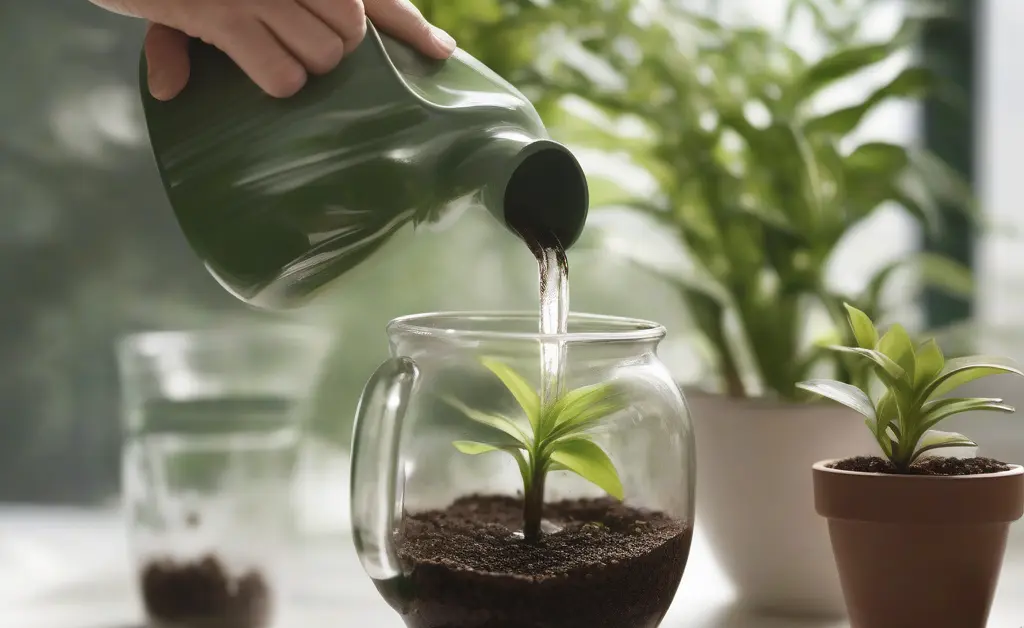
Once you have prepared your mushroom juice for plants, proper application is key to maximizing its benefits without causing any potential issues. Understanding how to dilute, apply, and schedule treatments will ensure your plants receive optimal support from this natural elixir. While it offers many advantages, it’s essential to use it thoughtfully to prevent issues such as over-application concerns or potential odor issues.
Dilution Ratios
Mushroom juice, especially fermented varieties, is often quite concentrated and should be diluted before application. Using it undiluted can potentially be too strong for some plants, particularly young or sensitive ones. While specific numerical dilution ratios should be approached cautiously, a general practice is to dilute the prepared mushroom juice with plain water to a weaker solution. This ensures even distribution of nutrients and beneficial microbes without overwhelming the plant’s system. Always start with a more diluted mixture and observe your plants’ response before considering a stronger concentration, if necessary.
Application Methods (Watering, Foliar Spray)
There are two primary methods for applying mushroom juice: watering and foliar spray. For watering, the diluted mushroom juice is applied directly to the soil around the base of the plants, much like regular watering. This method allows the beneficial compounds and microbes to penetrate the root zone, improving soil health and nutrient uptake. For a foliar spray, the diluted juice is misted onto the leaves of the plants. This can provide direct absorption of certain nutrients and offer a protective layer of beneficial microbes on the leaf surface, potentially enhancing disease resistance and plant health. Ensure your sprayer has a fine nozzle to avoid clogging and to achieve even coverage.
Frequency of Application
The frequency of applying mushroom juice for plants can vary depending on the plant type, growth stage, and specific garden needs. Generally, a periodic application is sufficient to maintain soil health and support plant vitality. For instance, some gardeners choose to apply it every few weeks during the active growing season. However, it is advisable to observe how your particular plants respond to treatments. Avoid over-application, as continuous heavy use is not necessarily more beneficial and could lead to issues. Less frequent, consistent applications are often more effective than sporadic, heavy doses.
Best Times to Apply
Timing your applications can enhance the effectiveness of mushroom juice. Applying it in the early morning or late afternoon is generally recommended. During these times, temperatures are typically cooler, and the sun is less intense, which helps reduce evaporation when used as a foliar spray and allows the plant more time to absorb the nutrients before the heat of the day. Avoid applying during the hottest part of the day, as this can lead to rapid drying and potentially stress the plants. For soil applications, applying when the soil is already slightly moist can aid absorption. Consider the impact on specific plant types; some plants may prefer applications during specific growth phases or during certain times of the day.
Integrating mushroom juice into your gardening practices provides a sustainable and natural approach to nurturing vibrant, healthy plants and enriching your soil. By understanding its preparation and thoughtful application, gardeners can harness the often-overlooked power of fungi to cultivate more resilient and productive ecosystems in their own backyards. This organic method supports plant vitality from the ground up, promoting a balanced and thriving garden environment.
This article is meant for general informational use and awareness. The information provided is for educational purposes only and is not intended to offer specific gardening advice or recommendations. Always exercise caution and perform your own research when introducing new substances to your garden, especially when dealing with homemade preparations. Plant responses can vary, and individual results are not guaranteed. It is important to consider your specific environmental conditions and plant needs.
FAQ
What nutrients does mushroom water provide for plants?
Mushroom water is rich in beneficial compounds that can support plant growth. It contains trace minerals and organic matter, which can help improve soil structure and nutrient availability for plants. These elements are essential for various plant physiological processes.
Can you use any mushroom for plant fertilizer?
While many types of mushrooms can be used, it is generally recommended to use mushrooms that have not been chemically treated or exposed to contaminants. Using a variety of mushroom types can offer a broader spectrum of nutrients. Some gardeners prefer to use spent mushroom substrate, which is the material left after mushrooms have been harvested for consumption.
How often should I water my plants with mushroom juice?
The frequency of application can vary depending on the plant, soil type, and environmental conditions. Observing your plants’ response is key to determining the optimal watering schedule. It is often used as a supplement to regular watering routines rather than a sole source of hydration.
Is mushroom juice good for vegetables?
Yes, mushroom juice can be beneficial for vegetable gardens. The nutrients and organic compounds present can contribute to healthier soil and potentially support robust vegetable growth. This can translate to more vibrant and productive plants.
What is the difference between mushroom compost and mushroom juice?
Mushroom compost is the solid material left over after mushroom cultivation, often used as a soil amendment to improve structure and fertility. Mushroom juice, on the other hand, refers to a liquid extract or diluted solution derived from mushrooms or their substrate, intended for use as a liquid fertilizer. The primary difference lies in their physical form and immediate application method.