
Understanding Mushroom Powder in Your Skincare
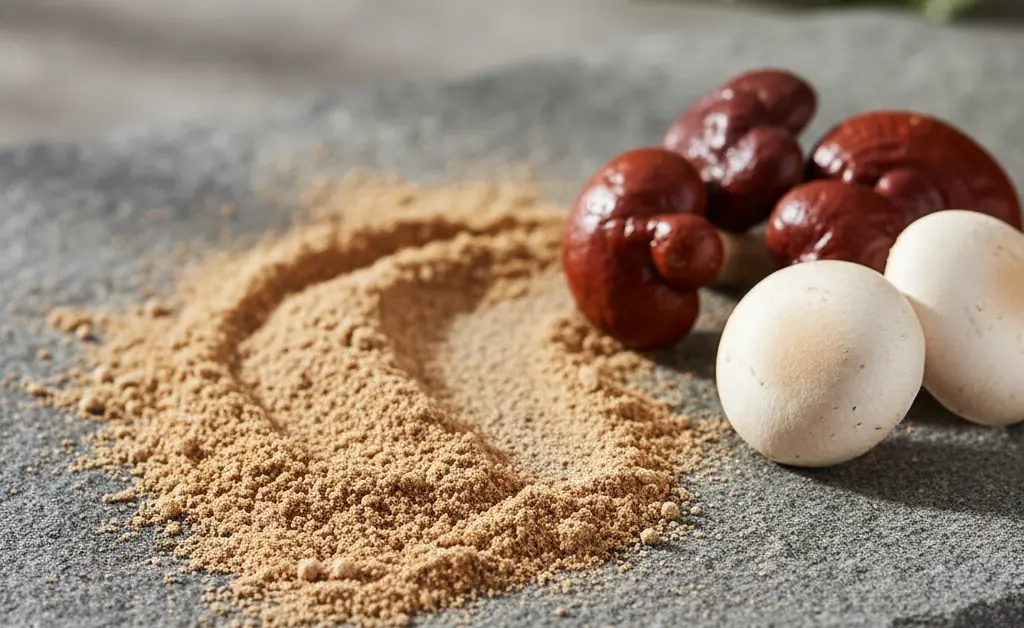
Could the humble mushroom, a staple in many cuisines and traditional medicines, also be a powerful ally for healthy skin? Over recent years, the beauty industry has seen a significant surge in interest regarding natural ingredients, and mushroom powder for skin has emerged as a particularly exciting contender. Packed with a rich array of bioactive compounds, these potent fungi extracts offer a myriad of benefits, from intense hydration and antioxidant protection to anti-inflammatory properties and support for an even skin tone. This article delves into the science behind incorporating various mushroom varieties into your daily skincare regimen, exploring their unique advantages and guiding you on how to effectively harness their potential for a radiant complexion.
What is Mushroom Powder for Skin?
Mushroom powder for skin refers to finely milled extracts derived from various types of mushrooms that are recognized for their beneficial properties in skincare. These powders are created by drying and pulverizing different fungi, concentrating their active compounds into a format that can be easily integrated into topical applications or even consumed for systemic benefits. The efficacy of mushroom powder for skin lies in its rich composition, which includes polysaccharides, triterpenes, phenolic compounds, peptides, and various vitamins and minerals, all known for their contributions to skin health.
Understanding Tremella Fuciformis (Snow Mushroom)
One of the most notable varieties in the realm of skincare is Tremella Fuciformis, often referred to as the “Snow Mushroom.” This particular fungus is celebrated for its exceptional hydrating capabilities. Tremella mushroom is rich in polysaccharides, which are complex sugar molecules that have a remarkable ability to hold a significant amount of water. This property makes it similar to hyaluronic acid, acting as a humectant to draw moisture into the skin and help maintain its hydration levels. Regular use of Tremella Fuciformis can contribute to a plumper, more supple complexion and enhanced Skin Hydration.
The Science Behind Mushroom Extracts in Skincare
The science underpinning the use of mushroom extracts in skincare is multifaceted, with different mushroom species offering unique benefits. For instance, the polysaccharides found in many mushrooms, such as Reishi and Chaga, play a crucial role in maintaining skin barrier integrity and providing long-lasting hydration. Triterpenes, prevalent in Reishi mushrooms, are studied for their potential Soothing Effects and Calming Effects on the skin, which can be particularly beneficial for sensitive or irritated complexions. Antioxidant compounds, abundant in Chaga mushrooms, work to neutralize free radicals, protecting the skin from environmental stressors. Peptides and other bioactive molecules can also support cellular communication, aiding in overall skin vitality and resilience. These diverse compounds work synergistically to address various skin concerns, making mushroom powder a versatile ingredient in modern Skincare formulations.
Benefits of Mushroom Powder for Skin
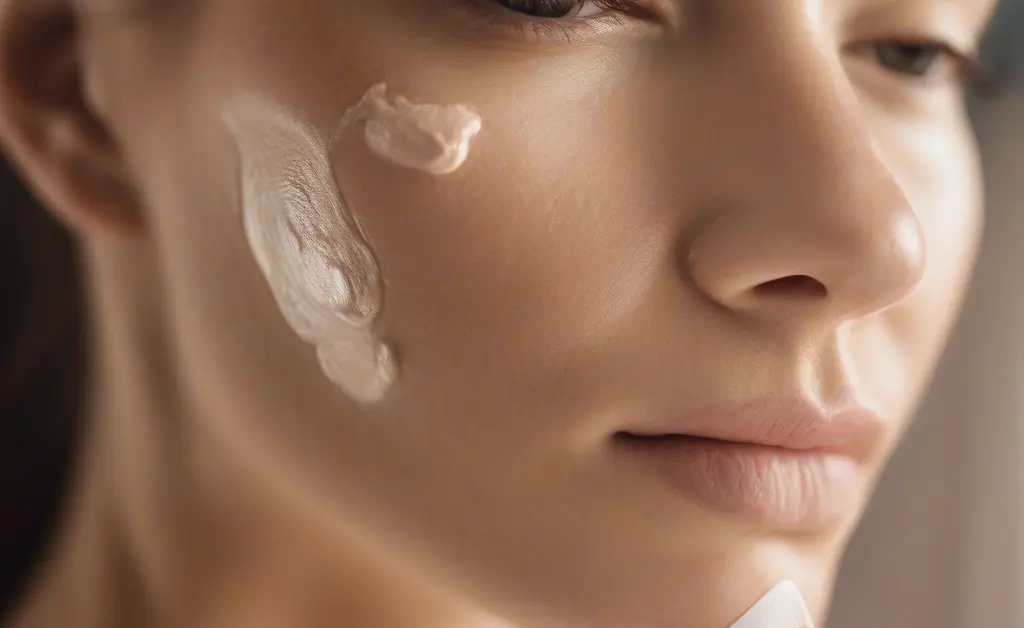
The incorporation of mushroom powder for skin into a regular beauty routine can unlock a wide array of advantages, addressing common concerns from dryness and irritation to uneven tone and signs of aging. These natural extracts are packed with beneficial compounds that work synergistically to promote a healthier, more vibrant complexion.
Hydration and Moisture Retention
Many mushroom varieties, especially Tremella Fuciformis, are highly effective in promoting deep Hydration. The polysaccharides within these mushrooms can attract and bind moisture to the skin, helping to fortify the skin’s natural barrier. This improved Moisture Retention leads to a plumper appearance, a reduction in the look of fine lines, and a smoother texture, contributing to a healthy skin glow.
Antioxidant Properties
Mushrooms like Chaga and Reishi are renowned for their potent Antioxidant Protection. They contain compounds that can help combat free radical damage caused by environmental factors such as pollution and UV radiation. By neutralizing these damaging molecules, mushroom extracts can help protect skin cells, potentially reducing oxidative stress and supporting the skin’s natural resilience against premature aging.
Anti-inflammatory Effects
Certain mushrooms possess significant Anti-inflammatory Properties. Reishi, for example, has been traditionally used for its calming effects on the body, and these benefits can extend to the skin. When applied topically, mushroom extracts may help soothe redness, irritation, and discomfort, making them suitable for individuals with sensitive or reactive skin types. These Calming Effects can help promote a more even and comfortable skin surface.
Skin Brightening and Even Tone
Some mushroom varieties, such as Shiitake, are explored for their potential to support Skin Brightening and an Even Tone. They may contain compounds that help address hyperpigmentation or dark spots, contributing to a more luminous complexion. While not promoting Skin Whitening or Skin Lightening, they work to enhance the skin’s natural radiance and uniformity, helping to achieve a clearer appearance.
Collagen Production Support
The bioactive compounds found in certain mushrooms may also play a role in supporting the skin’s natural collagen synthesis. Collagen is a crucial protein that maintains skin firmness and elasticity. By potentially aiding in the maintenance of collagen, mushroom extracts can contribute to a more youthful-looking skin texture, helping to diminish the appearance of fine lines and wrinkles over time.
How to Use Mushroom Powder in Skincare
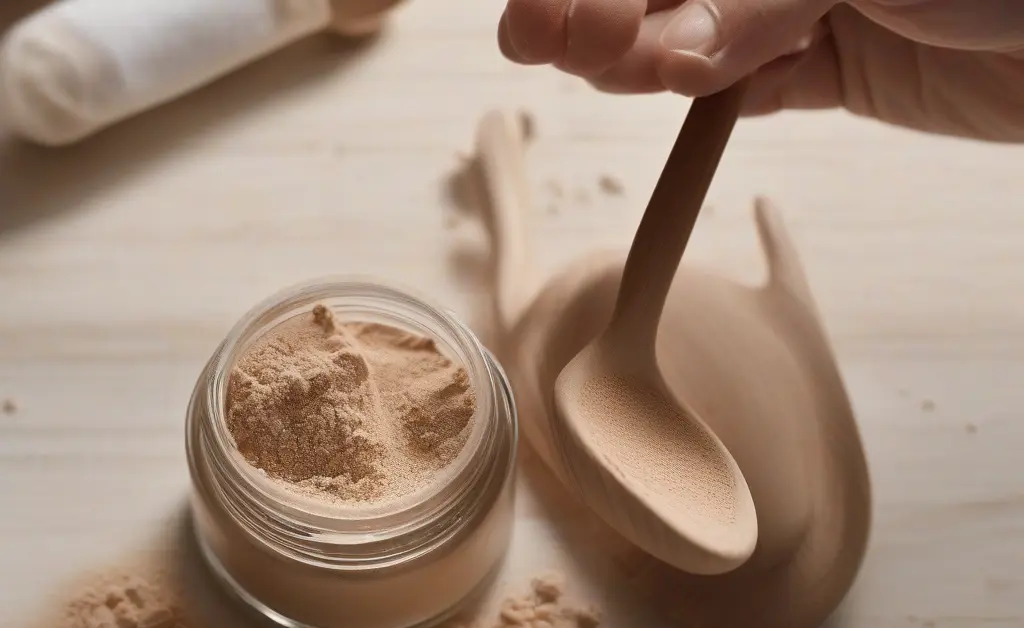
Incorporating mushroom powder for skin into your daily regimen can be a simple yet effective way to leverage its diverse benefits. Whether you prefer a hands-on approach with DIY Skincare Recipes or wish to enhance your existing products, there are several ways to utilize these potent botanical extracts. Always ensure you are using high-quality, pure mushroom powders from reputable sources. While this article focuses on topical applications, it’s also worth noting the nutritional value of fungi, as certain types like button mushroom for kids are a good source of vitamins.
How to use mushroom powder for skin
There are multiple ways to integrate mushroom powder for skin into your routine. One popular method is creating DIY Face Masks. You can mix a small amount of mushroom powder with a liquid base like water, aloe vera gel, or honey to form a paste, then apply it to your face for a specified duration before rinsing. Another approach is Incorporating into Existing Products; simply add a pinch of mushroom powder to your favorite Serums, Moisturizers, or toners. Stir or shake well to ensure it’s evenly distributed. For Frequency of Use, it’s generally advisable to start slowly, perhaps a few times a week, and gradually increase as your skin adapts. Always pay attention to your skin’s response and adjust accordingly. Remember that consistency is key to observing potential benefits.
Choosing the Right Mushroom Powder for Your Skin Type
Selecting the appropriate mushroom powder for skin depends largely on your individual skin concerns and type. Different mushrooms offer distinct benefits, making it possible to tailor your selection for optimal results. Understanding the specific properties of each popular mushroom extract can help guide your choice.
Best mushroom powder for skin
For those seeking intense hydration, Snow Mushroom (Tremella Fuciformis) is often considered the best mushroom powder for skin due to its exceptional water-retaining capabilities. If antioxidant protection and anti-aging support are primary concerns, Chaga Mushroom and Reishi Mushroom are excellent choices, known for their rich antioxidant profiles and soothing properties. Shiitake Mushroom is often favored for those looking to promote a brighter, more even skin tone. Many individuals also choose to combine different mushroom powders to create a comprehensive skincare approach that addresses multiple needs simultaneously. Further research into specific varieties may reveal unique oyster mushroom benefits relevant to skin health.
Which mushroom is best for the skin?
The “best” mushroom for the skin is subjective and depends on your specific needs:
- For Dry Skin: Tremella mushroom is highly recommended for its ability to provide deep hydration and improve moisture retention.
- For Oily/Acne-Prone Skin: Chaga mushroom, with its potential Anti-inflammatory Properties, may help calm breakouts and reduce redness. Reishi also offers soothing benefits that can be helpful for irritated skin.
- For Sensitive Skin: Reishi mushroom is often praised for its Calming Effects and potential to reduce skin reactivity, making it a good option for easily irritated complexions.
- For Mature Skin: Reishi and Chaga are beneficial for their Antioxidant Protection and potential to support skin resilience against environmental stressors, contributing to a more youthful appearance.
It is always beneficial to consider your primary skin goals when deciding which mushroom powder for skin will be most effective for you.
Potential Side Effects and Precautions
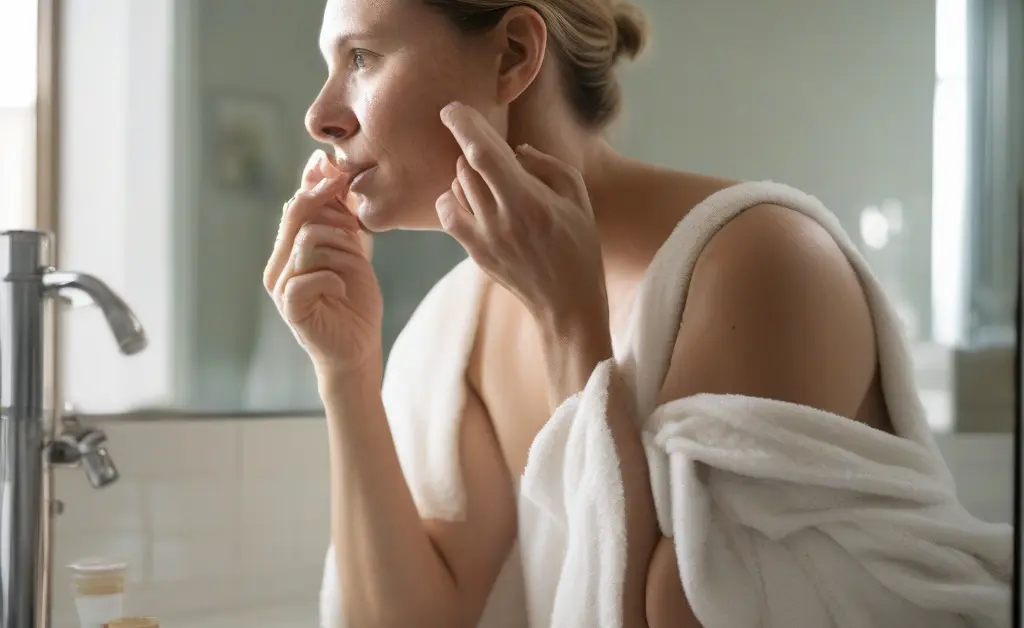
While mushroom powder for skin is generally considered safe for topical use, it is crucial to approach any new ingredient with caution. As with any natural product, individual reactions can vary, and taking necessary precautions can help prevent adverse effects. Understanding who should avoid certain mushroom extracts and recognizing potential reactions are key steps in responsible skincare practice.
Who should not use mushroom powder?
Individuals with a known allergy to mushrooms should avoid using mushroom powder for skin products to prevent allergic reactions. While rare, those with extremely sensitive skin or certain skin conditions may also experience irritation. If you have a compromised skin barrier or are undergoing specific dermatological treatments, it is always advisable to engage in Consulting a Dermatologist before introducing new ingredients like mushroom powder into your routine. Pregnant or breastfeeding individuals should also consult a healthcare professional as a precautionary measure. To ensure the highest safety standards for food and food ingredients, regulatory bodies like the EFSA provide scientific advice and risk assessments.
What are the side effects of mushroom powder?
The most common side effects associated with topical mushroom powder use are mild skin irritation, redness, or itching, particularly in individuals with sensitive skin. To minimize risks, always perform a Patch Testing on a small, inconspicuous area of your skin (like behind the ear or on the inner forearm) at least 24-48 hours before applying it to your face. This helps identify any immediate Allergic Reactions or sensitivities. If you experience persistent irritation, swelling, or severe discomfort, discontinue use immediately and seek professional advice. While serious adverse effects are uncommon, vigilance and proper testing are essential for a safe skincare experience with mushroom powder for skin.
The journey to radiant skin is often enriched by harnessing the power of nature, and mushroom powder stands out as a remarkable ingredient. From its exceptional hydrating properties, especially from the Snow Mushroom, to the potent antioxidant and anti-inflammatory benefits offered by varieties like Chaga and Reishi, these fungi extracts provide a holistic approach to skin health. By understanding the unique contributions of each mushroom and how to properly incorporate them into your routine, you can unlock a wealth of advantages for a more balanced, protected, and luminous complexion.
The information in this article is intended for knowledge purposes only. It is not a substitute for professional medical advice, diagnosis, or treatment. Always seek the advice of your physician or other qualified health provider with any questions you may have regarding a medical condition. Never disregard professional medical advice or delay in seeking it because of something you have read in this article.
FAQ
What does snow mushroom do for skin?
Snow mushroom is recognized for its exceptional ability to bind water, making it a potent humectant. This property helps to draw moisture to the skin, supporting hydration and a plump appearance. Its unique polysaccharide structure contributes to its impressive water-retention capabilities.
Is mushroom powder good for face?
Certain mushroom powders can offer benefits for facial skin due to their rich content of antioxidants and polysaccharides. These compounds are studied for their potential to support skin barrier function and provide soothing properties. When formulated appropriately, these powders can contribute to a more balanced complexion.
Which mushroom is best for skin hydration?
Tremella fuciformis, commonly known as snow mushroom, is particularly noted for its hydrating properties. Its molecular structure allows it to hold significantly more water than many other ingredients. This makes it a valuable component for formulations aimed at enhancing skin moisture.
Can I put mushroom powder directly on my skin?
Applying raw mushroom powder directly to the skin is generally not recommended without proper formulation. Many mushroom powders need to be processed and combined with other ingredients to ensure stability, efficacy, and skin compatibility. Such preparations are designed to deliver beneficial compounds effectively and safely.
Do mushroom powders actually work?
The effectiveness of mushroom powder for skin depends on the specific type of mushroom, how it’s processed, and how it’s incorporated into a product. Mushrooms contain various bioactive compounds, such as polysaccharides and antioxidants, that have been studied for their potential benefits. When formulated thoughtfully, these ingredients can contribute to skin health.