
Mushroom Powder Tea Explained
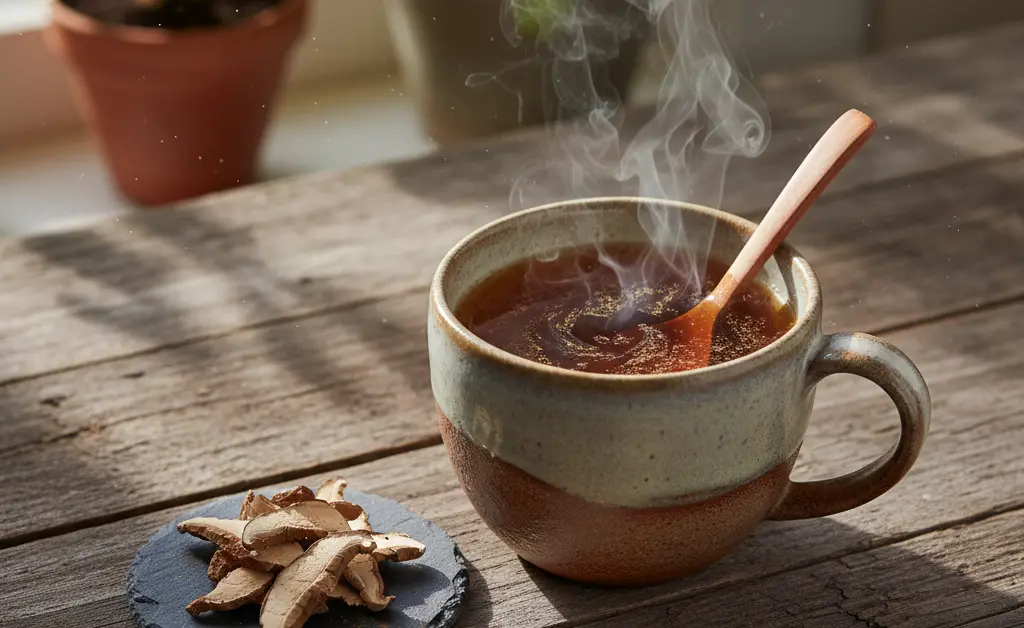
Imagine the quiet calm of your morning routine, perhaps the gentle steam rising from a favorite mug as you seek a beverage that offers both comfort and potential well-being. In an era where conscious choices for health are paramount, many are exploring alternatives to conventional drinks, searching for something grounding yet invigorating. This comprehensive guide introduces you to mushroom powder tea, an increasingly popular option derived from finely ground medicinal mushrooms. We will explore its definition, the unique properties that set it apart, its purported benefits, and provide practical instructions for preparation. Discover how this ancient elixir, now easily accessible in powder form, can be seamlessly integrated into your daily ritual.
What is Mushroom Powder Tea?
Mushroom powder tea is a wellness beverage created by infusing hot water with finely ground, dried medicinal mushrooms. Unlike traditional teas made from tea leaves, this beverage harnesses the unique compounds found within various mushroom species. The convenience and versatility of mushroom powder tea have made it a favored choice for those looking to incorporate natural ingredients and herbal remedies into their daily routine. Beyond beverages, culinary uses such as preparing cremini mushrooms on pizza also highlight the versatility of fungi in everyday diets.
Mushroom Teas: Definition and How it’s Made
Mushroom teas, in their broader sense, refer to any beverage prepared by extracting compounds from mushrooms using hot water. When discussing mushroom powder tea specifically, the process typically involves several key steps. First, fresh mushrooms are carefully harvested. These mushrooms then undergo a drying process, often at low temperatures, to preserve their beneficial components. Once dried, they are ground into a fine powder. For some varieties, an extraction step, such as a dual extraction (water and alcohol), may be employed before drying and grinding to make certain compounds more bioavailable. This meticulous preparation ensures that the resulting powder retains the desired properties of the mushrooms, ready for infusion into a warm drink. For culinary enthusiasts, exploring oyster mushroom recipes can open up a world of delicious possibilities beyond beverages.
Difference from Regular Mushroom Tea
While both regular mushroom tea (made from dried slices or pieces) and mushroom powder tea utilize the same fundamental ingredient, there are notable differences in preparation and consumption. Regular mushroom tea often involves simmering mushroom pieces for an extended period, which can be time-consuming. Mushroom powder tea, by contrast, offers significant convenience; the fine powder dissolves or disperses more readily in hot water, allowing for quicker preparation. This powdered form also means a potentially more concentrated infusion, as the surface area of the mushroom material is greatly increased. Furthermore, the uniform consistency of the powder can lead to a more consistent flavor and compound extraction compared to whole pieces. The convenience of mushrooms extends to diverse culinary applications, including making flavorful cremini mushroom tacos.
Mushroom powder tea benefits

Exploring the potential advantages of incorporating mushroom powder tea into one’s lifestyle often centers on its adaptogenic and immune-supporting qualities. Many individuals choose to consume mushroom powder tea for its potential to contribute to overall well-being. This category of beverages, rich in diverse mushroom species, is often associated with various health-promoting properties that have been studied for centuries.
Mushroom powder tea detox
While the term “detox” can be complex, mushroom powder tea may support the body’s natural processes of maintaining balance and vitality. Certain mushrooms are traditionally associated with contributing to antioxidant properties, which can help protect the body’s cells. They may also support liver function and digestive health, both of which are integral to the body’s intrinsic mechanisms for processing waste and maintaining a healthy internal environment. However, it’s important to understand that no single food or beverage can perform a “detoxification” in the sense of a medical cleanse; rather, a healthy lifestyle including balanced nutrition and proper hydration is key to supporting these natural bodily functions. Many users seek mushroom powder tea to promote general immune support and contribute to a healthy lifestyle.
How to Make Mushroom Powder Tea
Preparing mushroom powder tea is a simple and versatile process, allowing for customization to suit individual tastes and preferences. The beauty of this beverage lies in its straightforward nature, making it an easy addition to almost any daily routine. With just a few ingredients, you can create a comforting and potentially beneficial drink.
Basic Recipe and Ratios
To prepare a basic mushroom powder tea, you’ll generally need hot water and your chosen mushroom powder. A common approach involves adding a small amount of powder to a mug, then pouring hot water over it. While specific measurements are often provided on product packaging, a general guideline is to start with a modest serving and adjust to your preferred strength. Stirring thoroughly helps to ensure the powder is well-dispersed. Some individuals prefer to use a whisk to achieve a smoother consistency, especially with powders that tend to clump.
Steeping Time and Temperature
For optimal extraction of compounds and flavor, the temperature of the water is important. Water that is hot but not boiling (typically around 180-200°F or 82-93°C) is often recommended, as extremely hot water can sometimes degrade certain delicate compounds. Unlike traditional tea leaves that require specific steeping times, mushroom powder tea is more about dissolving or dispersing the powder. Once the hot water is added and stirred, the beverage is generally ready to drink immediately. However, allowing it to sit for a few minutes can sometimes deepen the flavor profile.
Adding Sweeteners and Flavorings
Many find the earthy, sometimes slightly bitter taste of plain mushroom powder tea can be enhanced with natural sweeteners and flavorings. Common additions include a drizzle of honey or maple syrup for sweetness, or a dash of cinnamon, ginger, or cardamom for a warming spice note. Creaminess can be added with plant-based milks like almond, oat, or coconut milk, or even a small amount of dairy milk. These additions not only improve the taste but can also make the tea a more enjoyable part of your daily ritual.
Tips for Best Taste
To achieve the best taste for your mushroom powder tea, experimentation is key. Start with a small amount of powder and gradually increase it until you find your desired strength. Consider blending different mushroom powders to create a custom mix. Using high-quality filtered water can also make a noticeable difference in the overall flavor. For a smoother texture, some people find that blending the hot tea with an immersion blender or a frother can help prevent any grittiness. Don’t be afraid to try it alongside other beverages, like coffee or other herbal teas, to integrate it seamlessly into your preferred flavor palette.
Types of Mushroom Powder Tea
The world of mushroom powder tea is diverse, with various species offering unique profiles and potential benefits. Each mushroom brings its own distinct characteristics, contributing to the growing popularity of these adaptogenic and health-supporting beverages. Choosing the right mushroom powder often depends on individual preferences and desired outcomes. For those new to these fungi, learning how to cook oyster mushrooms can be a great starting point for culinary exploration.
Chaga Mushroom Tea
Chaga mushrooms, often found growing on birch trees in cold climates, are well-regarded for their high antioxidant content. Traditionally, Chaga has been used to support immune function and promote overall vitality. Chaga mushroom powder tea typically has an earthy, slightly vanilla-like flavor and is often consumed for its potential to help the body adapt to various stressors and support cellular health.
Lion’s Mane Mushroom Tea
Lion’s Mane is recognized by its unique, shaggy appearance and has been traditionally utilized for its potential to support cognitive function. Research has explored its association with nerve growth factors. Lion’s Mane mushroom powder tea is often sought after by those looking to support mental clarity, focus, and overall brain health. Its flavor profile is generally mild, sometimes described as subtly oceanic or earthy.
Reishi Mushroom Tea
Known as the “Mushroom of Immortality” in traditional practices, Reishi is highly valued for its adaptogenic properties. It is often associated with promoting relaxation, supporting the immune system, and contributing to overall well-being. Reishi mushroom powder tea is frequently consumed in the evening to help with stress reduction and promote restful sleep. Its taste can be quite bitter, which is why it’s often combined with sweeteners or other flavorings.
Cordyceps Mushroom Tea
Cordyceps mushrooms have a long history of use in traditional Eastern practices, particularly for supporting energy levels and endurance. Modern interest often focuses on its potential to support athletic performance and respiratory health. Cordyceps mushroom powder tea is often favored by active individuals seeking a natural way to support vitality and stamina. The flavor is generally subtle and slightly sweet.
Turkey Tail Mushroom Tea
Turkey Tail mushrooms are easily identifiable by their colorful, fan-like appearance. They are particularly noted for their potent immune-supporting compounds. Traditionally, Turkey Tail has been used to help maintain a healthy immune system and support gut health. Turkey Tail mushroom powder tea is a popular choice for those looking to reinforce their body’s natural defenses and promote a balanced digestive system.
Blended Mushroom Powders
For those seeking a broader spectrum of potential benefits, blended mushroom powders offer a convenient solution. These formulations combine several different mushroom species, such as a mix of Chaga, Reishi, Lion’s Mane, and Cordyceps, to create a synergistic effect. The idea behind blended powders is to harness the diverse properties of multiple mushrooms, providing comprehensive immune support, cognitive function, energy levels, and stress reduction all in one serving. Blends can be a great way to experience the cumulative effects of various adaptogenic mushrooms without needing to purchase and prepare each one individually, simplifying the process of choosing the right mushroom powder for your needs.
Mushroom powder tea side effects
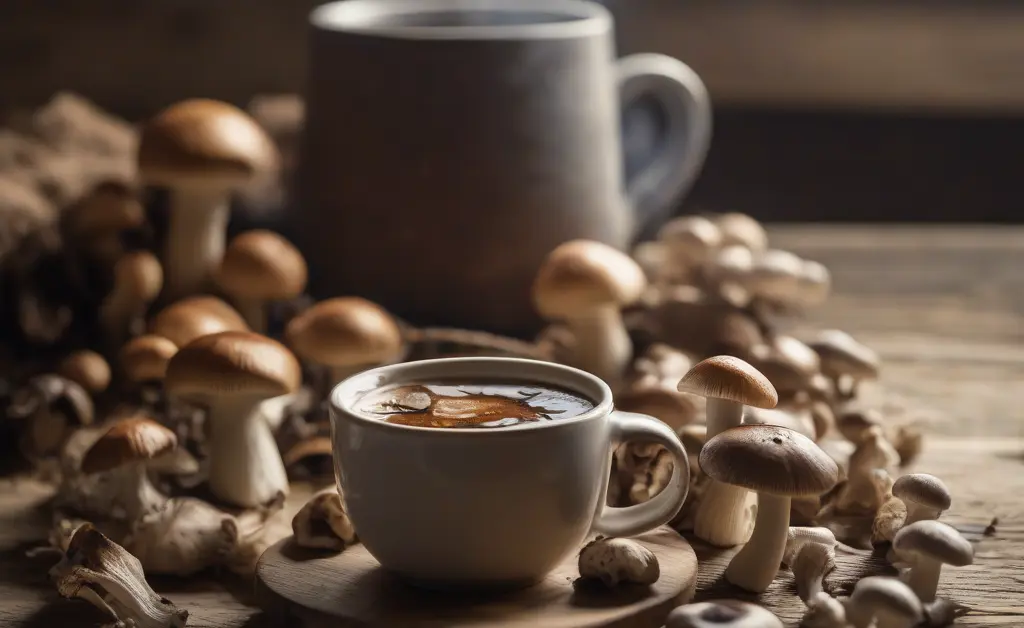
While mushroom powder tea is generally considered well-tolerated by many, it’s important to be aware of potential considerations and side effects. Like any dietary supplement or new food item, individual responses can vary. Being mindful of these factors can help ensure a positive experience when incorporating mushroom powder tea into your routine.
Some individuals may experience mild digestive issues, such as stomach upset or diarrhea, particularly when first starting consumption or if consuming larger amounts. It’s advisable to begin with a small serving and gradually increase it to assess tolerance. Allergies to specific mushroom species are also possible, manifesting as skin rashes, itching, or respiratory symptoms. If you have known mushroom allergies, it’s crucial to exercise caution or avoid these products altogether. For reliable health information and guidance, resources such as the CDC provide valuable insights into various health topics.
Additionally, mushroom powders may have interactions with certain medications. For example, some mushrooms might influence blood sugar levels, blood pressure, or blood clotting, which could affect individuals taking medications for these conditions. Pregnant or breastfeeding individuals should also approach mushroom powder tea with caution and consult with a healthcare professional before use, as research on its effects in these populations is often limited. Always prioritize quality and sourcing by looking for products that undergo third-party testing to ensure purity and potency, minimizing the risk of contaminants. Consulting with a healthcare provider before adding new supplements, including mushroom powder tea, to your regimen is always a prudent step, especially if you have underlying health conditions or are taking other medications.
Mushroom powder tea offers a fascinating convergence of ancient wisdom and modern convenience, providing a versatile way to explore the potential benefits of medicinal mushrooms. Whether seeking adaptogenic properties, immune support, cognitive function, or simply a comforting ritual, these powdered elixirs present an accessible option. By understanding the different types of mushrooms, their preparation, and potential considerations, individuals can mindfully integrate mushroom powder tea into their daily lives, embarking on a journey of exploration for holistic well-being.
This information should be viewed as educational rather than medical advice. The content provided is for informational purposes only and is not intended to be a substitute for professional medical advice, diagnosis, or treatment. Always seek the advice of your physician or another qualified health provider with any questions you may have regarding a medical condition or before making any dietary or lifestyle changes. Never disregard professional medical advice or delay in seeking it because of something you have read here.
FAQ
Is mushroom powder tea good for you?
Mushroom powders contain a variety of beneficial compounds that have been studied for their potential to support the body’s natural systems. These include polysaccharides like beta-glucans, which are known for their role in immune system modulation. The specific benefits can vary depending on the type of mushroom used.
How do you make tea from mushroom powder?
To prepare a beverage with mushroom powder, you typically whisk the powder into hot water until it is fully dissolved. Some people prefer to add a sweetener or other flavorings to enhance the taste. The result is a warm drink that incorporates the beneficial compounds of the mushroom.
Can you put mushroom powder directly in hot water?
Yes, mushroom powder can be directly mixed into hot water to create a beverage. The heat helps to dissolve the powder, allowing its constituents to become readily available for consumption. Stirring thoroughly ensures that the powder is well incorporated into the liquid.
What is the best mushroom powder for tea?
The choice of mushroom powder depends on your wellness goals, as different mushrooms offer distinct profiles of beneficial compounds. For example, Lion’s Mane is often studied for its cognitive support potential, while Reishi is linked to relaxation and stress management. Exploring various types allows for personalized use.
Is it okay to drink mushroom powder every day?
Many people incorporate mushroom powders into their daily wellness routines without issue. Consistent use is often how individuals experience the cumulative effects of the compounds found in these fungi. As with any dietary addition, listening to your body is key.