
Your Essential Guide to Porcini Mushrooms in Chinese Cuisine
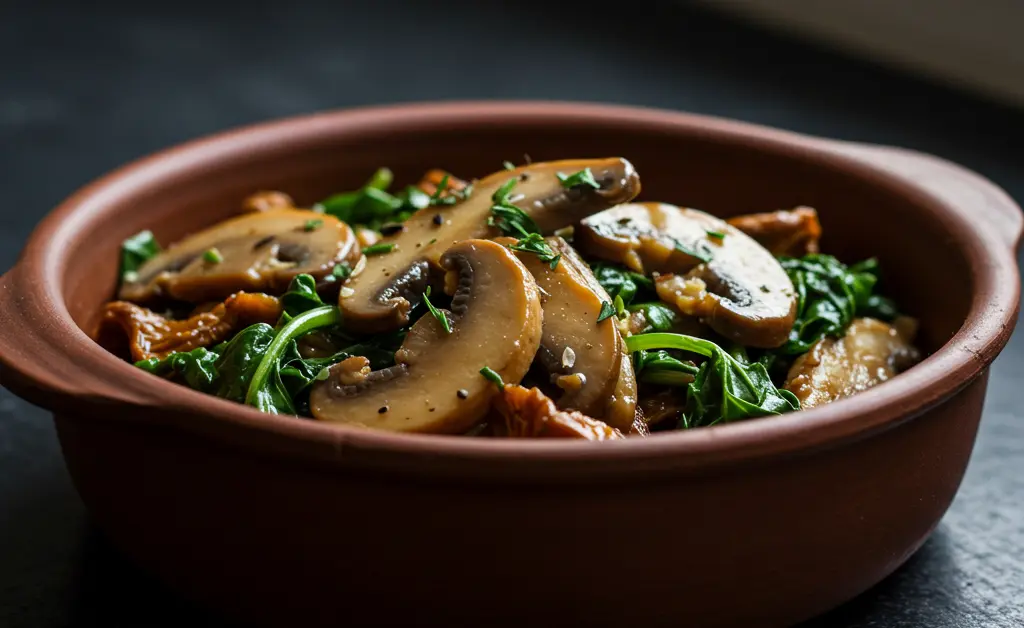
Unlocking a deeper, more complex umami flavor in your cooking is a primary reason to explore the use of porcini mushrooms. Known for their rich, earthy notes, these fungi have found a significant place in regional Chinese cuisine, particularly in Yunnan province where they are a prized local ingredient. While not traditionally a staple across all of China, their distinctive taste adds a luxurious dimension to stir-fries, braises, and soups. Understanding how to identify, prepare, and cook with porcini mushroom in chinese dishes can elevate your culinary skills, allowing you to recreate authentic restaurant-quality meals. This guide covers everything from sourcing dried varieties to mastering classic recipes, providing a comprehensive look at their role in this culinary landscape.
Understanding Porcini Mushroom in Chinese
The porcini mushroom, scientifically known as Boletus edulis, holds a special place in the culinary world for its intense flavor and meaty texture. In the context of Chinese cuisine, this fungus is often referred to by a descriptive name that translates to “ox liver mushroom,” alluding to its robust appearance and rich character. While not native to all regions of China, its integration into local foodways showcases the adaptability and ingredient-driven nature of Chinese cooking. Understanding its role begins with recognizing its distinct flavor profile, which is overwhelmingly savory, or umami, with nutty and earthy undertones that deepen during cooking.
Porcini mushroom in Chinese restaurants
In Chinese restaurants, particularly those specializing in regional or upscale dining, porcini mushrooms are featured as a premium ingredient. They are often used to add a touch of luxury and a powerful flavor base to a variety of dishes. You may find them starring in rich, slow-cooked broths, braised with meats, or as the centerpiece of a vegetarian stir-fry. Chefs value the mushroom for its ability to infuse sauces and oils with its signature aroma. Because of sourcing challenges for fresh varieties, restaurants frequently rely on high-quality dried porcini, which offer a more concentrated flavor and year-round availability, ensuring consistency in their signature dishes.
Porcini mushroom in Chinese cooking
In home-style Chinese cooking, especially beyond the borders of Yunnan province, porcini mushrooms are more of a special occasion ingredient than an everyday staple. Their powerful flavor means a little goes a long way. Home cooks typically use dried porcini, rehydrating them to create both tender mushroom pieces and a deeply flavorful soaking liquid, which is often called “liquid gold.” This liquid is never discarded and is incorporated into the dish to amplify the umami taste. The use of the porcini mushroom in Chinese home kitchens often involves pairing it with simple ingredients that allow its complex flavor to shine, such as in simple soups or steamed dishes.
Porcini Mushrooms in Chinese Cuisine: Overview and Cultural Context

While many fungi have been staples in Chinese cuisine for centuries, the porcini is a relative newcomer in the broader culinary landscape, yet it has been a regional treasure for generations. Its prominence is almost entirely tied to Yunnan, a province in southwest China renowned for its incredible biodiversity and mountainous terrain. The exploration of the **porcini mushroom in chinese** cuisine is largely a story about the unique food culture of this specific region. The local climate and forests provide the perfect growing conditions for a wide array of wild mushrooms, with porcini being one of the most celebrated and sought-after varieties. For those interested in other celebrated fungi, a morel mushroom information guide can provide details on another prized variety.
Cultural Context of Porcini in Chinese Cuisine
The cultural significance of porcini mushrooms is deeply rooted in Yunnan. For local communities, the mushroom foraging season is an important annual event, combining tradition, culinary expertise, and economic activity. Porcini are not just food; they represent a connection to the land and the natural abundance of the region. They are a point of local pride and are featured prominently in Yunnanese banquet dishes and local markets during their peak season. As Yunnan cuisine has gained international recognition, the porcini has become one of its most famous ambassadors, symbolizing the wild, natural, and flavorful essence of the province’s culinary identity. Given the risks associated with foraging wild fungi, proper identification is critical to avoid poisonous varieties, a food safety principle emphasized by organizations like the WHO.
Types and Preparation of Porcini for Chinese Dishes
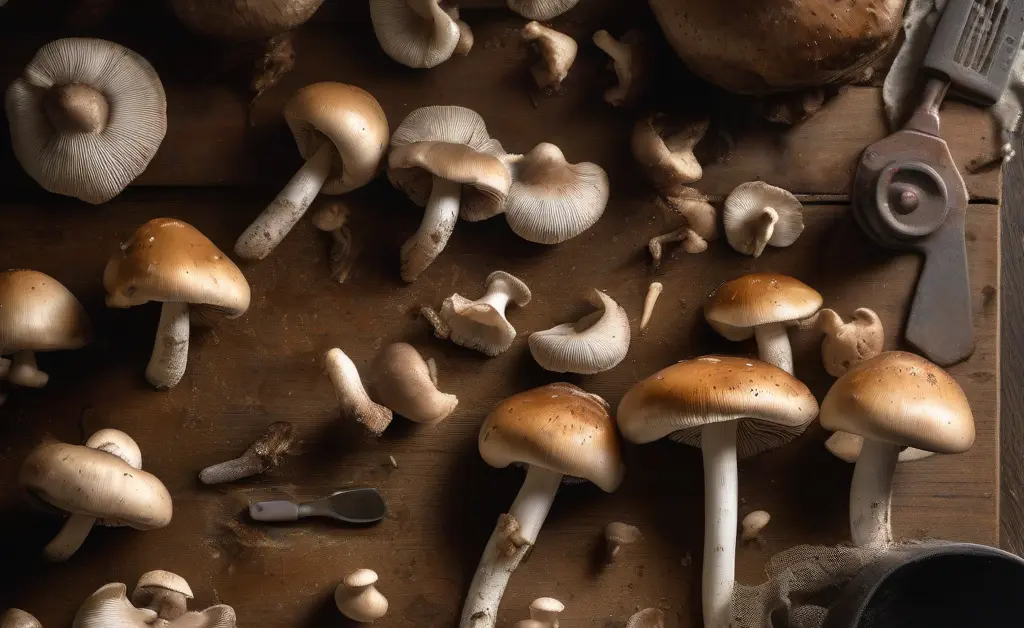
Whether fresh or dried, proper preparation is key to unlocking the full potential of porcini mushrooms in any Chinese dish. Fresh porcini, a rare treat outside of their native growing regions like Yunnan, should be cleaned gently with a brush or damp cloth to remove any dirt, avoiding water which can make them soggy. They have a firm, meaty texture that stands up well to various cooking methods. This adaptability is also seen in the use of porcini mushroom in India, where it is incorporated into local dishes. However, the most common form used in Chinese cooking globally is the dried variety, which requires a specific preparation technique to bring it back to life. Mastering the preparation is the first step in successfully cooking with **porcini mushroom in chinese** recipes.
Dried porcini mushroom in Chinese
Dried porcini are a pantry powerhouse, offering a more concentrated and intense flavor than their fresh counterparts. The first and most crucial step is rehydration. To do this, the dried mushrooms are placed in a bowl and covered with warm, but not boiling, water. They are left to soak until they become soft and pliable. The mushrooms are then gently squeezed to remove excess water and can be chopped or left whole depending on the recipe. Critically, the dark, aromatic soaking liquid is carefully poured off, leaving any grit at the bottom of the bowl. This flavorful broth is an essential ingredient in itself, often added to stir-fry sauces, soups, or braises to impart a deep, savory, umami richness.
Chinese Porcini Mushroom Stir Fry Recipe
Creating a Chinese porcini mushroom stir-fry is less about a rigid recipe and more about understanding technique. The process centers on high heat and quick cooking in a wok to achieve the desired “wok hei,” or breath of the wok. Preparation is everything; all ingredients should be chopped and ready before you begin. The cooking starts by heating the wok and oil, followed by briefly stir-frying aromatics like minced garlic and ginger to release their fragrance. The rehydrated porcini mushrooms are added next, seared quickly to develop their flavor. Other vegetables and a pre-mixed sauce are then added, and the entire dish is tossed rapidly until everything is cooked through yet still crisp.
Ingredients for Chinese Porcini Stir Fry
The beauty of a porcini stir-fry lies in its versatility, but a classic combination of ingredients will always yield delicious results. The essential aromatics typically include fresh ginger, garlic, and scallions, which form the foundational flavor base of many Chinese dishes. Sliced chiles can be added for a touch of heat. The porcini themselves are the star, often paired with complementary vegetables like bamboo shoots, snow peas, or bell peppers that add texture and color without overpowering the mushroom’s flavor. The sauce is usually a simple but balanced mix of soy sauce, a little sugar, and some of the reserved mushroom soaking liquid to tie everything together.
The information presented in this article is educational and not meant as professional medical counsel. The content is intended for culinary and informational purposes only. It is not a substitute for professional advice from a chef, nutritionist, or medical doctor. Always consult with a qualified professional regarding food choices and preparation, especially if you have allergies or dietary concerns.
FAQ
How do you prepare porcini mushrooms for Chinese cooking?
Preparing dried porcini involves rehydrating them in warm water, which softens their texture and releases concentrated flavors. This resulting soaking liquid, rich in umami, is often strained and incorporated into sauces or broths to deepen the dish’s overall taste. Fresh porcini simply require a gentle cleaning to remove any dirt before being sliced for cooking.
What ingredients are in a Chinese porcini stir-fry?
A Chinese porcini stir-fry typically balances the mushroom’s earthy flavor with aromatics like garlic, ginger, and scallions. Vegetables such as bell peppers or bok choy often add texture and color, while a sauce made from soy sauce and other seasonings brings the elements together. The specific combination of ingredients can vary by regional style and personal preference.
Are porcini mushrooms used in Chinese recipes?
Yes, porcini mushrooms, known as “niu gan jun” (牛肝菌), are a highly prized ingredient in certain Chinese culinary traditions, particularly in Yunnan province. Their robust, nutty flavor and meaty texture make them a celebrated component in soups, braises, and stir-fries. They are valued for contributing a deep, savory umami quality that enhances many regional dishes.
What is a Chinese stir-fried porcini dish?
A Chinese stir-fried porcini dish is a fast-cooked meal that highlights the mushroom’s distinct flavor and texture using the high-heat cooking method known as “chao” (炒). Sliced porcini are quickly tossed in a hot wok with aromatics and complementary ingredients to create a savory, fragrant result. This technique sears the mushrooms, locking in moisture while imparting a subtle smokiness known as “wok hei.”
How do I stir-fry porcini mushrooms the Chinese way?
The Chinese approach to stir-frying porcini emphasizes high heat and quick cooking to preserve the mushroom’s texture and concentrate its flavor. A key step involves heating a wok until very hot before adding oil, followed by aromatics like garlic and ginger to infuse the oil with fragrance. The mushrooms are then added and tossed rapidly, ensuring they are seared rather than steamed to achieve the desired result.
Which region of China uses porcini mushrooms in stir-fries?
Yunnan province in Southwest China is especially famous for its use of wild mushrooms, including porcini. The regional cuisine celebrates the fresh, foraged ingredients of its mountainous terrain, making stir-fried porcini a signature local specialty. The unique biodiversity of this area means the use of porcini mushroom in chinese culinary traditions is most prominent here, often prepared simply to showcase its natural flavor.