
Understanding Porcini: English Translation and Meaning
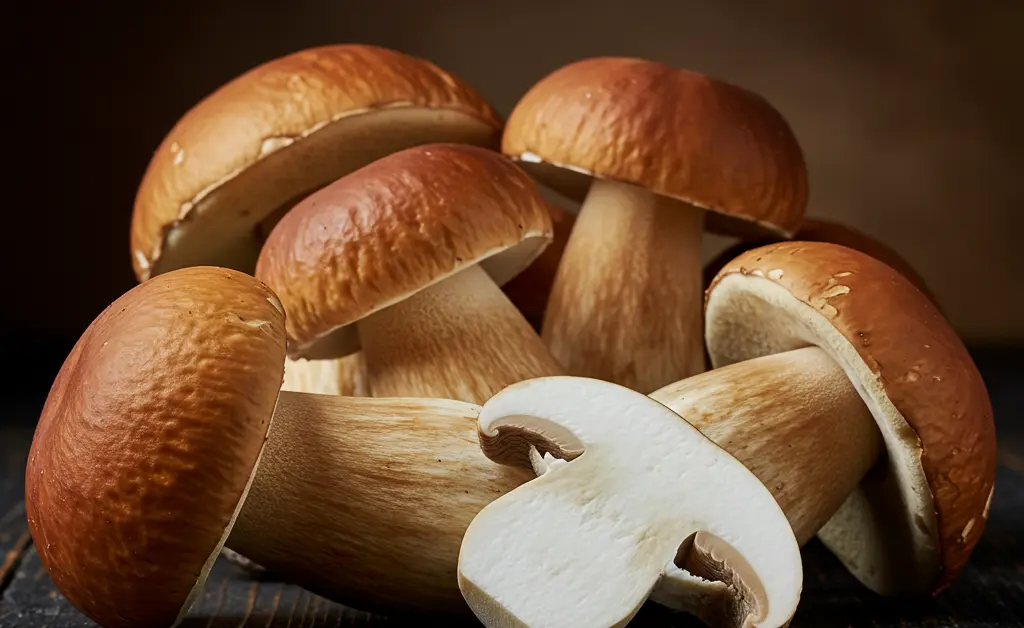
In the lexicon of gourmet fungi, few terms evoke the rich, earthy essence of Italian cuisine quite like “porcini.” Celebrated for a deep, nutty flavor and a satisfyingly meaty texture, these mushrooms are a staple in both rustic and refined kitchens. Yet, for cooks and food lovers outside of Italy, the name itself can present a bit of a puzzle, as it’s a term steeped in culinary tradition rather than simple taxonomy. Clarifying the proper name for the porcini mushroom in english is the first step toward confidently identifying, purchasing, and preparing this world-class ingredient. This understanding bridges the gap between its Italian roots and its global appreciation, ensuring its unique character is never lost in translation.
Porcini Mushroom in English: Translation and Usage
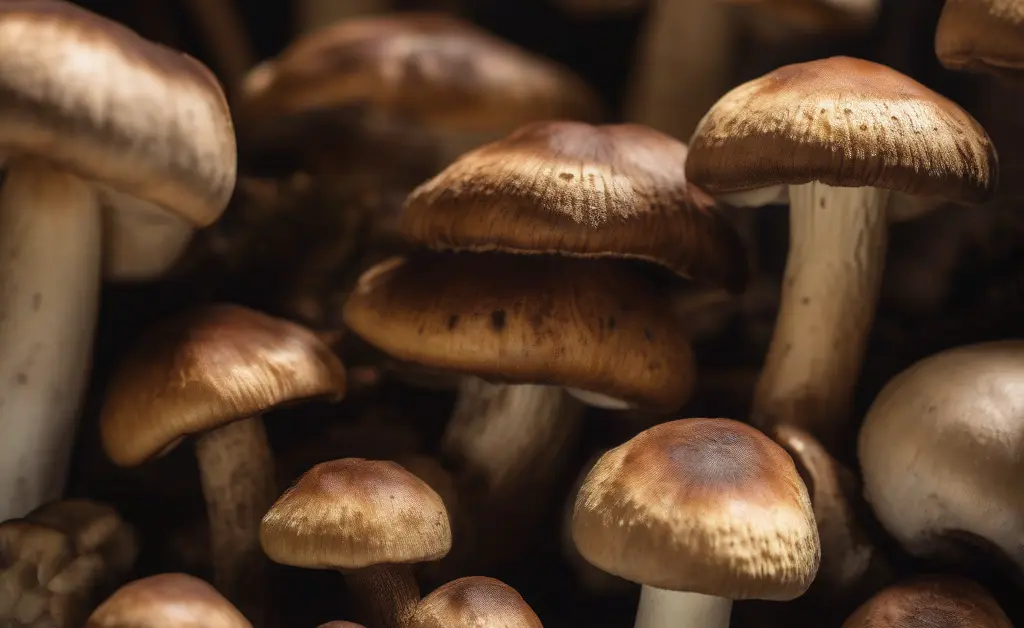
In the English-speaking world, particularly within culinary circles, the name for this esteemed fungus is, quite simply, “porcini.” Unlike some ingredients that receive a direct translation, the Italian term has been wholly adopted into the English language. While English uses the Italian term, learning the name for the porcini mushroom in Chinese shows how its identity is handled in other major languages. This is common for iconic food items where the original name carries significant cultural and gastronomic weight. Therefore, when discussing the porcini mushroom in english, one is correctly using the original Italian name. These fungi belong to the genus Boletus, with the most famous species being Boletus edulis. While a scientist might refer to it by its scientific name, chefs, food writers, and consumers universally know it as porcini.
The Meaning of “Porcini”
The word “porcini” is the Italian plural for “porcino,” which translates to “piglet.” There are several theories behind this endearing name. One common belief is that the mushroom’s stout, robust shape—characterized by a thick, white stalk and a rounded brown cap—resembles a small, plump pig. Another theory suggests that wild boars in the Italian forests were known to be particularly fond of foraging for these delicious fungi, linking the mushrooms to the pigs that sought them out. In Italy, you will often hear the term funghi porcini, which literally means “piglet mushrooms.”
PORCINI definition in American English
In American English, “porcini” is defined as a type of large, edible wild mushroom highly valued for its rich, earthy flavor and firm, meaty texture. The term is not just a name but also an indicator of quality and culinary prestige. It refers specifically to fungi with a classic brown-capped appearance and a thick, pale stalk that does not change color when cut. These characteristics help distinguish them from other, less desirable or even toxic wild mushrooms, and information from health authorities like the NIH is crucial for safe foraging. While other languages have their own unique names—such as “Steinpilz” in German or “cèpe” in French—American culinary vocabulary has embraced the Italian name, associating it directly with the authentic, nutty, and umami-packed flavor profile sought after in gourmet recipes.
Dried porcini mushroom in english
When discussing the dried version of this ingredient, the name remains consistent. In English, they are referred to as “dried porcini.” Fresh porcini have a limited season and are highly perishable, making them a rare and often expensive treat. The drying process, however, preserves the mushrooms and makes them available globally throughout the year. More importantly, dehydration intensely concentrates their distinct flavor, creating a potent, smoky, and deeply savory ingredient. A small amount of dried porcini can infuse an entire dish, such as a risotto, soup, or sauce, with its signature taste. The soaking liquid used to rehydrate them is also a prized component, often called a “mushroom broth,” and is used to add another layer of profound umami flavor to a recipe. This culinary versatility is shared by other prized fungi, and a morel mushroom information guide can offer similar cooking inspiration.
Ultimately, the name “porcini” has successfully crossed linguistic and cultural barriers, becoming a standard term in the global kitchen. The most common name for the porcini mushroom in english is simply “porcini,” a testament to its Italian heritage and worldwide culinary acclaim. Whether found fresh in an autumn market or stored dried in a pantry, this celebrated fungus is identified by its original name, which has become synonymous with deep, earthy flavor and rustic elegance. Understanding this allows cooks everywhere to confidently seek out and enjoy one of the forest’s finest edible treasures.
This article is meant for general informational use and awareness. The information provided is not intended to be a substitute for professional advice. Always consult with a qualified expert before foraging for, identifying, or consuming any wild mushrooms, as many species can be toxic. The content herein should not be interpreted as a guide for mushroom identification or consumption.
FAQ
What is the English name for porcini?
While often just called by their Italian name, the accepted term for the porcini mushroom in english is king bolete. The name porcini has become the standard in culinary circles because of the mushroom’s deep roots in Italian cuisine. You might also hear them referred to as “penny bun” mushrooms, particularly in the UK.
What does ‘funghi porcini’ mean in English?
The Italian term ‘funghi porcini’ literally translates to ‘piglet mushrooms’ in English. This name is a reference to the mushroom’s physical appearance, as their thick, stout stems and rounded caps can resemble small, plump piglets. This descriptive name captures their hearty and substantial nature.