
Cultivating Porcini Mushrooms: Choosing Your Ideal Grow Kit
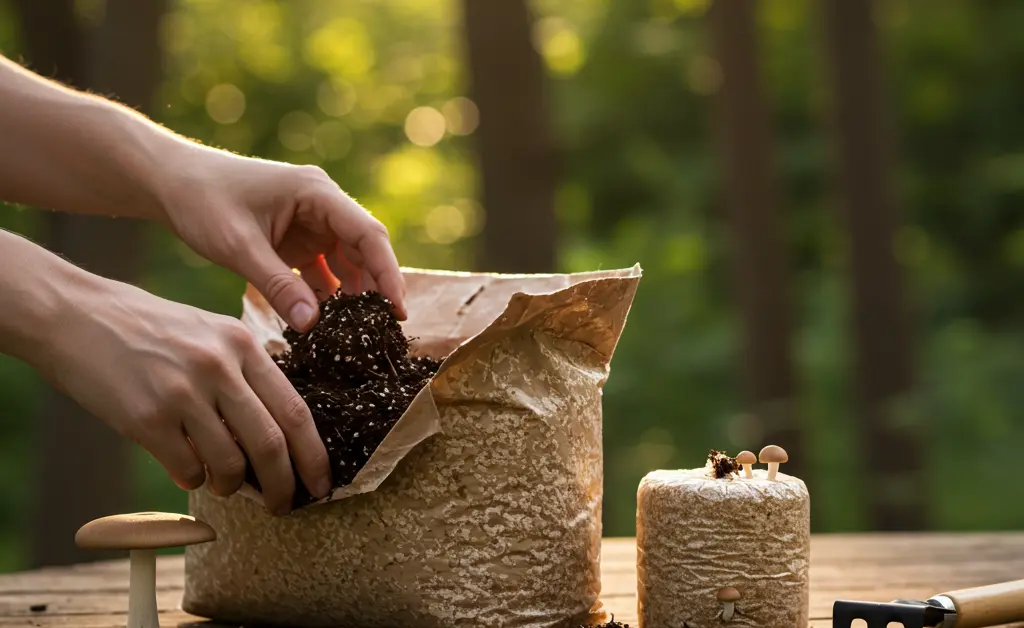
Bringing the rich, nutty flavor of freshly harvested porcini mushrooms into your kitchen is the primary reward of cultivating them at home. Unlike more common varieties, porcini (Boletus edulis) have a complex symbiotic relationship with tree roots, making them famously difficult to grow. For enthusiasts eager to try, a porcini mushroom kit offers a structured approach to this challenging but rewarding endeavor. These kits typically provide inoculated substrate or spores designed to establish a mycorrhizal connection with compatible trees in an outdoor setting. This guide explores the unique nature of these cultivation systems, from initial setup and maintenance to troubleshooting common issues, helping you select the best option for your specific environment and increase your chances of a successful harvest.
Understanding Porcini Mushroom Kits
Cultivating porcini is a fundamentally different process compared to growing common indoor gourmet mushrooms like shiitake or oyster. For those interested in simpler varieties, it’s often a question of where to buy oyster mushrooms rather than how to grow them. The entire approach hinges on successfully establishing a long-term, symbiotic relationship between the fungus and a living host tree. Consequently, the tools and methods involved are unique to this particular challenge of porcini cultivation.
What is a Porcini Mushroom Kit?
A porcini mushroom kit is not a “just-add-water” box that fruits on your countertop. Instead, it is a product containing the biological material needed to introduce Boletus edulis mycelium or spores into a suitable outdoor environment. The primary goal is to inoculate the soil around the roots of a compatible host tree, such as pine, spruce, birch, or oak. If the inoculation is successful, the fungus will form a mycorrhizal network with the tree’s roots, eventually producing the prized edible fungi as its fruiting bodies. This process can take several years and success is never guaranteed, making it a project for the patient and dedicated cultivator. Research on ectomycorrhizal fungi like Boletus edulis is ongoing, with extensive information available through databases like the NLM.
Components and Types of Porcini Mushroom Kits
Most kits on the market provide the fungal culture in one of a few forms. The most common components include a vial of spores suspended in liquid or a bag of mycelium-infused substrate, like sawdust or grain.
- Spore Slurry: This is a liquid solution containing millions of porcini spores, often sold as a porcini mushroom liquid culture. It is typically mixed with water and poured into the soil around the base of a compatible tree.
- Inoculated Substrate: This consists of a carrier material, such as sawdust, wood chips, or grain, that has been fully colonized by porcini mycelium. This material, often called mushroom spawn, is buried in small holes dug near the tree’s feeder roots.
Some kits may also include soil amendments or detailed instructions tailored to creating the ideal conditions for the mycelium to take hold.
Kit Setup and Preparation
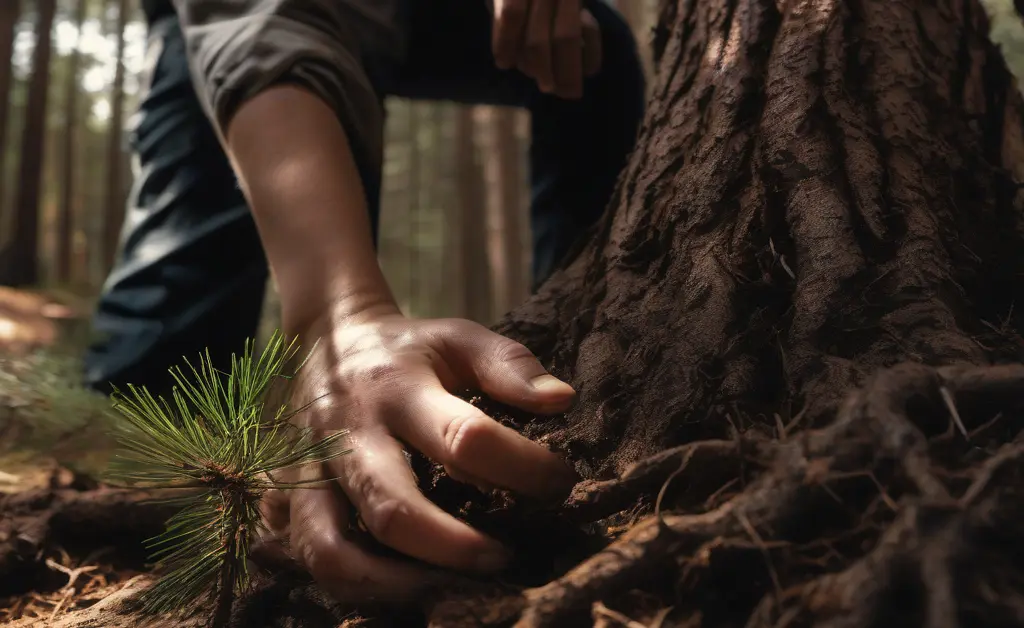
Proper setup is critical and begins with selecting the right location. You must have access to a healthy, mature host tree of a compatible species. Young saplings are generally not robust enough to support the relationship. The ideal spot is in well-draining soil at the edge of the tree’s drip line, where the fine, absorbent feeder roots are most concentrated. Before applying the kit’s contents, the area should be cleared of heavy weeds and grass, and the soil gently loosened without damaging the tree’s root system.
Initiating Mycelial Growth
Initiating growth involves the careful introduction of the spores or spawn into the soil. The process, known as inoculation, should be done according to the kit’s specific instructions. Generally, this involves either drenching the prepared soil with the spore solution or burying the mycelium-colonized substrate in shallow pockets. After inoculation, the area is typically covered with a layer of mulch, such as leaf litter or wood chips, to protect the culture and retain soil moisture. From this point, patience is paramount as the mycelial growth begins its slow, underground journey to connect with the tree roots.
Maintaining Optimal Growth (Misting and Air Exchange)
Since this cultivation happens outdoors, maintenance is less about daily intervention and more about seasonal support. Air exchange is naturally handled by the environment. Misting is only necessary during prolonged periods of drought. The goal is to maintain consistent soil moisture, similar to a forest floor, without waterlogging the area. Deep, infrequent watering is preferable to light, daily misting. A healthy layer of mulch is your best tool for maintaining this balance.
Ideal Temperature Requirements
Porcini mushrooms are products of seasonal changes. The mycelium grows and expands during warmer months. However, the formation of the fruiting body, or the mushroom itself, is typically triggered by a drop in temperature, often accompanied by autumn rains. They do not thrive in consistently hot climates. A location with distinct seasonal shifts, including a cool or cold period, provides the best natural temperature range for encouraging a future harvest.
Achieving Correct Humidity Levels
Humidity is closely tied to soil moisture and rainfall. While you cannot control the atmospheric humidity, you can manage the ground conditions. Keeping the soil consistently moist but not saturated is key. The mulch layer helps trap moisture from rain and watering, creating a humid microclimate at the soil level where the mycelium is developing. In very dry climates, this can be the most challenging variable to manage.
Light Exposure and Air Circulation Needs
Porcini mushrooms naturally grow in woodlands, not open fields. They prefer dappled sunlight or partial shade, such as that found beneath the canopy of their host tree. Direct, intense sunlight can dry out the soil too quickly and inhibit growth. Good air circulation is also beneficial, as it helps prevent the growth of unwanted molds on the soil surface, though this is rarely a problem in a typical outdoor setting.
Addressing Lack of Growth
The most common outcome, especially in the first few years, is a lack of visible growth. It is crucial to understand that the porcini mycelium can be establishing itself underground for a very long time before any mushrooms appear. It may take two, five, or even more years to see the first fruiting. A lack of growth may also mean the inoculation was unsuccessful because the fungal strain was not compatible with the specific tree, the soil conditions were poor, or the climate was unsuitable.
Identifying and Preventing Contamination (Mold)
In an outdoor setting, you are introducing a fungus into an environment already filled with countless other microorganisms. Some molds are a natural part of the soil ecosystem. However, dense patches of brightly colored molds (like green or black) appearing shortly after inoculation could indicate that the spawn was overwhelmed by competitors. Prevention is the best strategy: use a reputable kit with vigorous spawn, ensure good soil drainage to avoid stagnant water, and avoid over-compacting the soil.
Dealing with Pests
If you are lucky enough to get a harvest, you will quickly learn that you are not the only one who appreciates fresh porcini. Slugs, snails, squirrels, and various insects are common pests. Protecting the emerging mushrooms may be necessary. Some growers use natural deterrents or place physical barriers around the fruiting bodies. Inspecting your mushrooms daily as they emerge is the best way to catch any pest-related issues early.
Choosing the Right Porcini Mushroom Kit
Selecting the right product requires a realistic assessment of your environment and expectations. Unlike simple grow-at-home options, this is a long-term horticultural project where the quality of the starting culture and its compatibility with your specific conditions are paramount. Carefully evaluating these factors before you buy will significantly influence your potential for success.
Factors to Consider Before Purchase
The single most important factor is the type of host trees you have available. Ensure the porcini strain in the kit is compatible with your trees. Beyond that, consider your climate. If you live in an area without a cool or cold season, your chances of success are greatly diminished. Also, assess your soil. Porcini prefer well-drained, slightly acidic soil. Finally, consider your own patience. If you are looking for a quick and predictable harvest, a porcini mushroom kit is likely not the right choice for you.
Identifying Reputable Suppliers
Look for suppliers who specialize in mycology, especially those who focus on ectomycorrhizal fungi like Boletus edulis. Reputable sellers provide clear information about the species, the strain’s known tree partners, and realistic expectations for cultivation. Customer reviews and gardening forums can be valuable resources for vetting suppliers. A seller who makes outlandish promises of guaranteed, massive harvests is a red flag.
Understanding Kit Yield and Success Rates
It is essential to have realistic expectations. The success rate for establishing a porcini patch from a kit is not high, and it is impossible to predict. Many factors outside of the kit’s control, such as soil bacteria, weather patterns, and tree health, play a defining role. A successful outcome might mean a handful of mushrooms after several years. The yield is entirely dependent on how well the mycelial network establishes and the subsequent environmental conditions each year. The reward is not in a large, predictable crop but in the unique achievement of cultivating this elusive mushroom. For those who want to enjoy the flavor without the multi-year wait, products like porcini mushroom bouillon cubes offer a convenient alternative.
Where to Find Quality Porcini Mushroom Kits
Finding a high-quality kit is the first step in this gardening adventure. While not as common as other mushroom growing products, they are available if you know where to look. Prioritizing sources that specialize in mycology over general-purpose retailers will often lead you to a better product and more reliable information.
Online Retailers and Marketplaces
A wide variety of sellers can be found on large online marketplaces. While convenient, it is important to carefully research individual sellers on these platforms. Look for detailed product descriptions, clear photos, and positive reviews from other growers. The most reliable option is often to purchase directly from the websites of specialized mycology companies that also happen to sell on these larger platforms.
Specialized Mycology and Nursery Stores
This is the most reliable source for a quality porcini mushroom kit. Stores that focus on mushroom cultivation supplies, whether online or brick-and-mortar, are staffed by knowledgeable individuals and have a vested interest in providing viable, high-quality cultures. They can often provide specific advice about which strains are best suited for the trees in your geographic region, increasing your chances of success.
Local Farm and Garden Centers
It is less common to find these specialized kits at general farm and garden centers. However, some nurseries, especially those that specialize in native plants or forestry, may carry them or be able to place a special order. It is always worth asking, as they may have unique insights into the local soil and tree populations that could aid your project.
Ultimately, growing porcini mushrooms is an exercise in patience and a deep dive into the fascinating world of symbiotic fungi. While a harvest is never a certainty, the process of working with nature to coax this gourmet delicacy from the soil near your home is a uniquely rewarding experience. The rich, nutty Porcini mushroom flavor of a truly fresh-picked specimen is an unparalleled culinary delight that makes the entire multi-year effort worthwhile. Whether you end up with a bountiful patch or simply a deeper appreciation for the complexity of the forest floor, the journey of porcini cultivation is one worth taking.
The information presented in this article is educational and not meant as professional medical counsel. This content should not be used as a substitute for consultation with a qualified professional, such as a mycologist or horticulturalist, for specific advice related to mushroom identification or cultivation. Always be absolutely certain of a mushroom’s identity before consumption, as many poisonous species exist. The cultivation of mushrooms carries inherent risks, and outcomes are not guaranteed.
FAQ
How do porcini mushroom kits work?
Porcini are mycorrhizal fungi, meaning they form a partnership with the roots of specific living trees like pine or oak. A kit provides either mycelium-inoculated substrate or spores, which are then introduced into the soil near a suitable host tree’s root system. The mycelium establishes a symbiotic connection with the tree, which is essential for the mushroom to eventually fruit.
Do porcini mushroom kits require special conditions?
Successfully cultivating porcini requires very specific outdoor conditions, primarily the presence of a compatible host tree like pine, spruce, or birch. The mycelium from the kit needs to establish a symbiotic relationship with the tree’s living root system to thrive. Additionally, factors such as soil pH, moisture levels, and seasonal temperature changes play a critical role in encouraging the fungi to fruit.
How long until porcini mushrooms are ready to harvest from a kit?
Establishing the necessary mycorrhizal relationship between the fungus and a host tree is a slow and patient process. Unlike many other mushroom varieties, porcini cultivation is a long-term endeavor that can take several years before the first fruiting occurs. The timeline is highly variable and depends on the successful establishment of the mycelium with the tree roots and favorable environmental conditions.
Can you reuse a porcini mushroom kit?
The contents of a porcini mushroom kit are used to inoculate a specific area of soil near a host tree. Once this inoculation is done, the initial kit materials are expended and cannot be reused for a new location. However, if the mycelial network successfully establishes a permanent, symbiotic relationship with the tree, it can potentially produce mushrooms for many years when conditions are right.
What are the best porcini mushroom growing kits for beginners?
Because porcini cultivation is a complex, long-term project dependent on establishing a bond with a living tree, success is not guaranteed with any kit. For those new to this process, kits that provide very clear, detailed instructions on selecting a host tree and inoculating the soil are highly valuable. The viability of the included mycelium or spores is also a key factor in the potential for successful establishment.