
Porcini Mushroom Oil: Explore Its Flavor, Uses & Benefits
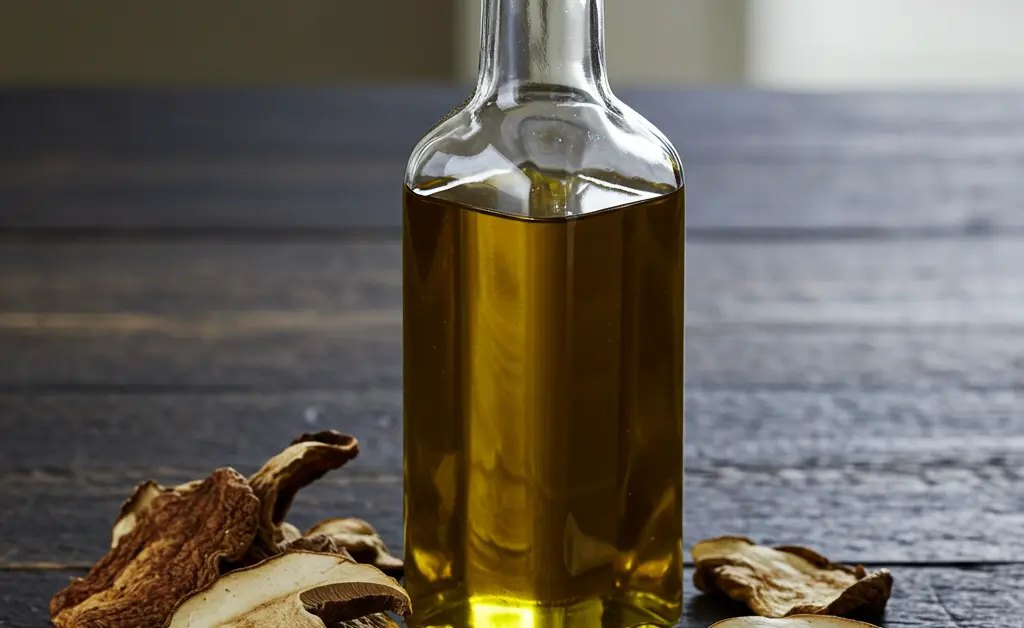
The rich, earthy flavor of porcini mushrooms is fat-soluble, making it an ideal candidate for infusion into high-quality carrier oils. This process captures the mushroom’s sought-after umami essence, transforming a simple ingredient into a potent finishing condiment. The resulting porcini mushroom oil acts as a powerful flavor enhancer, allowing home cooks and chefs to impart a deep, savory character without the texture of whole mushrooms. It’s a versatile pantry staple that can elevate everything from simple pasta and risotto to roasted vegetables and grilled meats. Understanding its unique profile, culinary applications, and how to choose a quality product can unlock a new layer of complexity in your cooking, offering a simple way to add gourmet flair to everyday meals.
Understanding Porcini Mushroom Oil
Porcini mushroom infused olive oil is a specialty culinary oil that captures the essence of one of the world’s most prized wild fungi. It is created by infusing a carrier oil, typically extra virgin olive oil, with dried porcini mushrooms. This process transfers the deep, woodsy flavor and aroma of the mushrooms into the oil, creating a concentrated and convenient way to add gourmet mushroom notes to a variety of dishes. It is not typically used as a primary cooking oil due to its intense flavor and the potential for high heat to diminish its aromatic qualities. While it is a specialty product, it’s becoming more accessible, similar to how many now know where to buy oyster mushrooms for home cooking.
Key Characteristics and Quality Indicators
An authentic, high-quality porcini oil can be identified by several key characteristics. The foremost indicator is the ingredient list. Premium products will list real porcini mushrooms, often by their scientific name *Boletus edulis*, rather than vague “natural flavors” or artificial mushroom aromas. The quality can vary by region, and sourcing a high-quality porcini mushroom in the UK, for example, requires checking for these same authentic characteristics. The base oil is also crucial; a premium extra virgin olive oil provides a smooth, peppery, or buttery foundation that complements the earthy fungus without overpowering it.
Visually, the oil may have a deep golden or amber hue. It is also common to see small flecks or even whole pieces of dried porcini mushroom resting at the bottom of the bottle, which is a strong sign of a genuine infusion. The aroma should be unmistakably earthy and rich, not chemically or synthetic. A quality oil will have a potent but balanced flavor that is both savory and slightly nutty.
The Infusion Process: How Porcini Oil is Made
The creation of porcini oil is a patient process focused on flavor extraction. It begins with high-quality dried porcini mushrooms, which have a more concentrated flavor than fresh ones. These dried mushrooms are steeped in a carrier oil, most commonly a good quality olive oil. The infusion can be done using a cold-soak method, where the mushrooms are left in the oil for an extended period, or a gentle-heat method.
With gentle warming, the oil is slightly heated to help encourage the fat-soluble compounds in the mushrooms to release their flavor and aroma more efficiently. The temperature must be carefully controlled to avoid cooking the mushrooms or damaging the delicate qualities of the base oil. After the infusion period, the oil is often filtered to remove the larger mushroom pieces, resulting in a clear, intensely flavored liquid condiment. Some producers may choose to leave some mushroom sediment in the bottle to signify an authentic product.
Exploring the Flavor Profile of Porcini Mushroom Oil
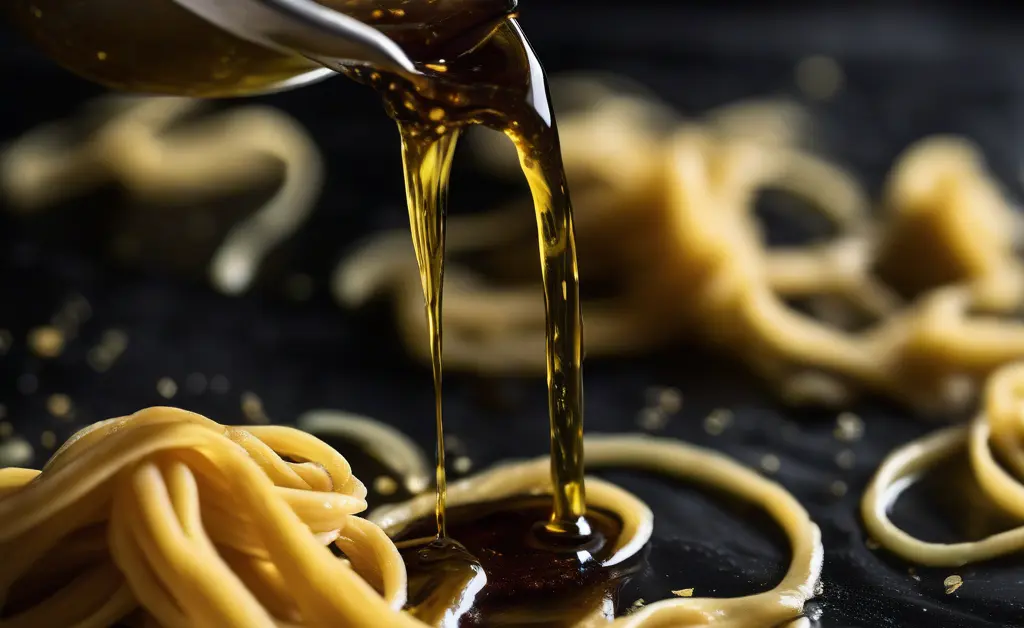
The taste and aroma of porcini-infused oil are its most celebrated attributes, offering a complex sensory experience that can transform a simple meal into something truly special. Its profile is deep, layered, and distinctly different from other culinary oils.
Describing the Savory and Earthy Notes
The dominant flavor note of porcini mushroom oil is a profound umami, the fifth taste often described as savory, meaty, or brothy. This hearty characteristic makes it an excellent addition to vegetarian dishes, where it can impart a depth often associated with meat. Beyond umami, the taste is intensely earthy and woodsy, evoking the forest floor where these mushrooms grow. There are also subtle nutty undertones that round out the flavor, adding a layer of complexity. The overall taste is rich and concentrated, delivering the full essence of porcini mushrooms in every drop.
The Aromatic Experience
The aroma of porcini oil is just as important as its taste. Opening a bottle releases a powerful and enticing fragrance that is unmistakably fungal and earthy. It smells rich, deep, and slightly musky, similar to the scent of freshly foraged wild mushrooms. This potent aroma contributes significantly to the overall tasting experience, as it primes the palate for the savory flavors to come. When drizzled over a warm dish like pasta or risotto, the heat helps to release these volatile aromatic compounds, filling the air with a comforting and gourmet scent.
Making Porcini Mushroom Oil
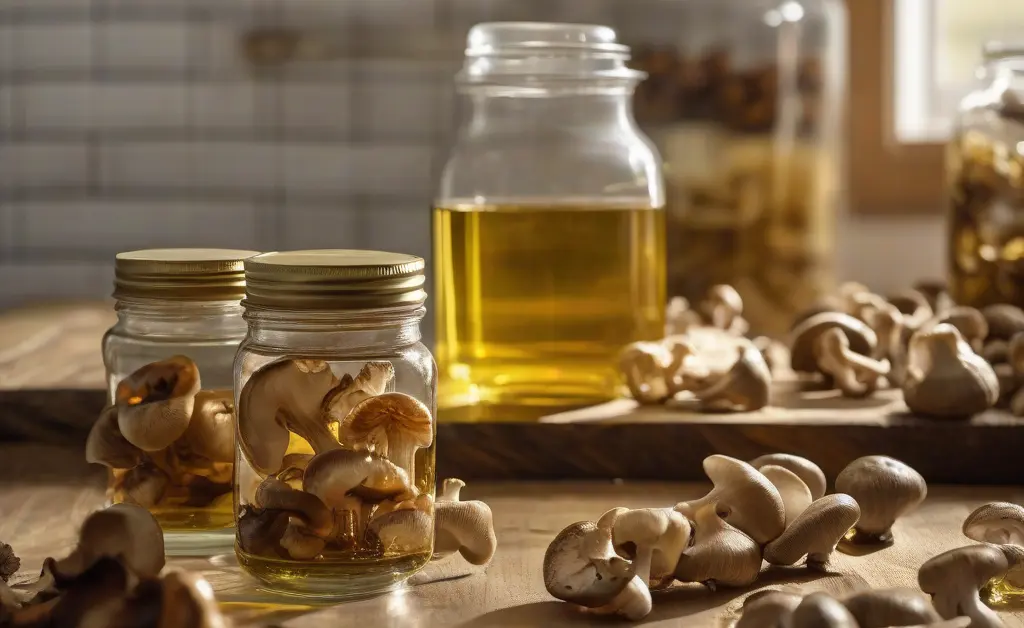
Creating your own porcini-infused oil at home is a straightforward process that allows for customization of flavor intensity. The fundamental principle is to steep dried porcini mushrooms in a quality oil to extract their essence. While this recipe uses dried mushrooms, some enthusiasts may first try growing their own with a porcini mushroom kit, although they are known to be difficult to cultivate.
How to make porcini oil?
The basic method for making porcini oil involves combining dried porcini mushrooms with a carrier oil. Extra virgin olive oil is a popular choice due to its own robust flavor, but a more neutral oil can also be used to let the mushroom flavor stand out even more. The mushrooms are typically broken into smaller pieces to increase the surface area for infusion. The mixture can be left to steep at room temperature for a period of days or weeks, or the process can be accelerated by gently warming the oil. It is crucial to use very low heat to avoid frying the mushrooms, which would create a bitter taste. After infusion, the oil is strained to remove the mushroom solids and then bottled for storage.
Olive Oil Infused with Porcini and Rosemary Recipe
The combination of porcini and rosemary in an olive oil infusion creates a wonderfully complex and aromatic condiment. The deep, earthy umami of the porcini mushrooms provides a rich, savory base, while the fresh, pine-like notes of rosemary add a bright, herbaceous counterpoint. The peppery character of a good extra virgin olive oil ties these two distinct flavors together. This type of infused oil is particularly well-suited for Mediterranean cuisine, pairing beautifully with roasted meats like lamb or chicken, focaccia for dipping, or drizzled over roasted potatoes and other root vegetables.
Culinary Uses of Porcini Mushroom Oil
The potent flavor of this infused oil makes it a versatile ingredient in the kitchen, but it is best utilized in specific ways to preserve its delicate character. Its primary role is as a finishing oil, adding a final burst of flavor just before a dish is served.
Elevating Dishes as a Finishing Oil
Using porcini mushroom oil as a finishing oil is the best way to showcase its complex aroma and taste. High cooking temperatures can cause its nuanced flavors to break down and dissipate. Instead of using it for frying or sautéing, a light drizzle over a completed dish is the recommended application. This method allows the warm food to gently release the oil’s aromatics, enhancing the overall sensory experience. It can transform simple dishes like scrambled eggs, mashed potatoes, or a plain bowl of polenta into a gourmet treat with minimal effort.
Perfect Pairings and Serving Suggestions
The rich, savory flavor of porcini oil pairs exceptionally well with a wide range of foods. Its natural affinity for Italian cuisine makes it a perfect addition to many classic dishes.
- Pasta and Risotto: Drizzle over a creamy mushroom risotto or a simple pasta with garlic and parmesan to amplify the savory notes.
- Meats: It serves as an excellent final touch for grilled steak, roasted chicken, or pan-seared pork chops.
- Vegetables: Enhance the flavor of roasted or steamed vegetables like asparagus, green beans, and potatoes.
- Soups and Sauces: A few drops can add incredible depth to creamy soups, gravies, and pan sauces.
- Bread Dipping: Serve it alongside a high-quality balsamic vinegar with crusty bread for a simple and elegant appetizer.
- Dressings: Whisk it into a vinaigrette to create a savory, earthy dressing for hearty salads.
Benefits of Porcini Mushroom Oil

The primary benefit of porcini mushroom oil lies in its culinary value. It is an incredibly effective flavor enhancer, capable of adding a deep, savory, and gourmet character to food with just a small amount. This makes it a valuable tool for home cooks and professional chefs looking to create complex flavor profiles easily. The oil provides the coveted umami taste, which can make dishes feel more satisfying and hearty, especially in vegetarian and vegan cooking where meaty flavors are absent. Furthermore, since it is an infusion, it delivers the pure taste of porcini without the texture of the mushroom itself, offering versatility for different culinary applications. When made with high-quality extra virgin olive oil, it also incorporates the well-regarded attributes of this staple of Mediterranean cuisine. Beyond its culinary uses, the bioactive compounds in mushrooms like porcini are a subject of ongoing scientific research, with studies available from sources like NCBI.
Choosing and Storing Porcini Mushroom Oil
Selecting a high-quality product and storing it properly are key to enjoying the full, authentic flavor of this specialty ingredient. Not all porcini oils are created equal, and proper care ensures the product maintains its freshness and potency.
Factors to Consider When Selecting a Product
When purchasing porcini mushroom oil, the most important factor is the ingredient list. Look for products that list *Boletus edulis* (the scientific name for porcini) and avoid those that use artificial “mushroom flavor” or “aroma.” The quality of the base oil is also paramount; a premium oil made with extra virgin olive oil will offer a superior taste experience. Check the packaging—dark glass bottles are preferable as they protect the oil from light, which can degrade its quality and cause it to become rancid. Availability and product standards can differ globally, so someone looking for porcini mushroom in Hong Kong should pay close attention to these same quality indicators. Finally, the presence of visible mushroom sediment in the bottle is often a good sign of a natural and authentic infusion process.
Tips for Maintaining Freshness and Shelf Life
To preserve the delicate flavor and aroma of your porcini oil, proper storage is essential. Like other high-quality oils, it should be protected from its three main enemies: heat, light, and air. Store the bottle in a cool, dark place, such as a pantry or cupboard, away from the stove or any other heat source. Direct sunlight should always be avoided. Ensure the cap is sealed tightly after each use to minimize exposure to oxygen, which can lead to oxidation and a loss of flavor over time. When stored correctly, an unopened bottle can last for a considerable period, but once opened, it is best to use it within a few months to enjoy it at its peak freshness.
This information is provided for educational purposes only. The contents of this article are not intended to be a substitute for professional medical advice, diagnosis, or treatment. Always seek the advice of your physician or other qualified health provider with any questions you may have regarding a medical condition. Never disregard professional medical advice or delay in seeking it because of something you have read here.
FAQ
What is porcini mushroom oil?
This is a type of finishing oil created by infusing a carrier oil, such as olive oil, with dried porcini mushrooms. This process extracts the rich, earthy flavor compounds from the mushroom and transfers them into the carrier. The result is a highly aromatic **porcini mushroom oil** that captures the unique essence of the mushroom.
What does porcini mushroom oil taste like?
Its flavor profile is defined by the deep, savory character of the porcini mushroom itself. You can expect a rich, earthy taste with distinct nutty and umami notes that add complexity to dishes. The flavor is potent, so it is often used sparingly to deliver its characteristic forest-floor aroma and taste.
How do you use porcini mushroom oil?
This type of infused oil is best used as a finishing oil, added to food just before serving to preserve its flavor. Drizzling it over pasta, risotto, soups, or roasted vegetables allows its intense aroma and taste to stand out. Applying high heat can diminish its delicate compounds, so it is not typically used for frying.
Is porcini mushroom oil good for bread dipping?
Yes, its robust and savory flavor makes it an excellent choice for dipping fresh, crusty bread. The simplicity of the bread provides a perfect canvas for the oil’s complex, earthy notes to shine through. Serving it this way creates a simple yet flavorful appetizer.
How is porcini mushroom infused olive oil made?
The process involves infusing olive oil with the essence of dried porcini mushrooms, which have a more concentrated flavor than fresh ones. The dried mushrooms are often gently warmed in the oil to release their aromatic compounds, and then the mixture is left to steep. Finally, the oil is strained to remove the mushroom pieces, leaving behind a clear, flavorful liquid.