
Unearthing the Native Roots of the Porcini Mushroom
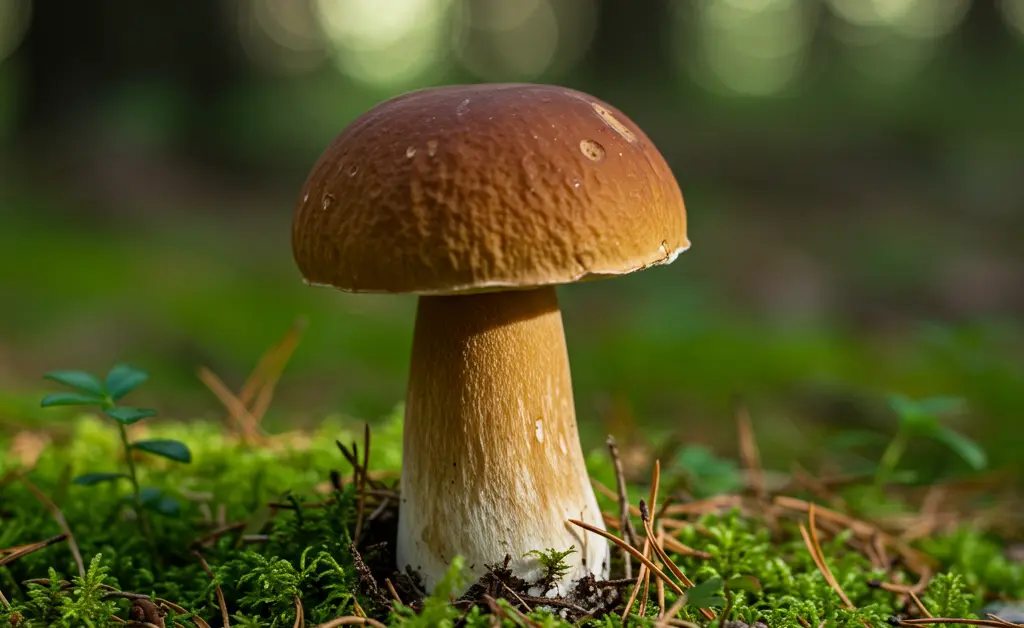
The forest floor was damp underfoot, a mosaic of fallen leaves and pine needles. After hours of searching, there it was—a perfect, stout-stemmed porcini, its rich brown cap peeking through the moss. Holding it felt like holding a piece of ancient woodland history. While many of us associate these prized fungi with Italian cuisine, their story is far more widespread and deeply rooted in the Northern Hemisphere’s forests. This connection to the earth often inspires a deeper curiosity about the porcini mushroom origin, a tale that spans continents and ecosystems. From the cool, damp soils of North America to the sprawling woodlands of Europe and Asia, understanding where these mushrooms come from enriches every savory bite.
The Porcini Mushroom Origin and Evolution
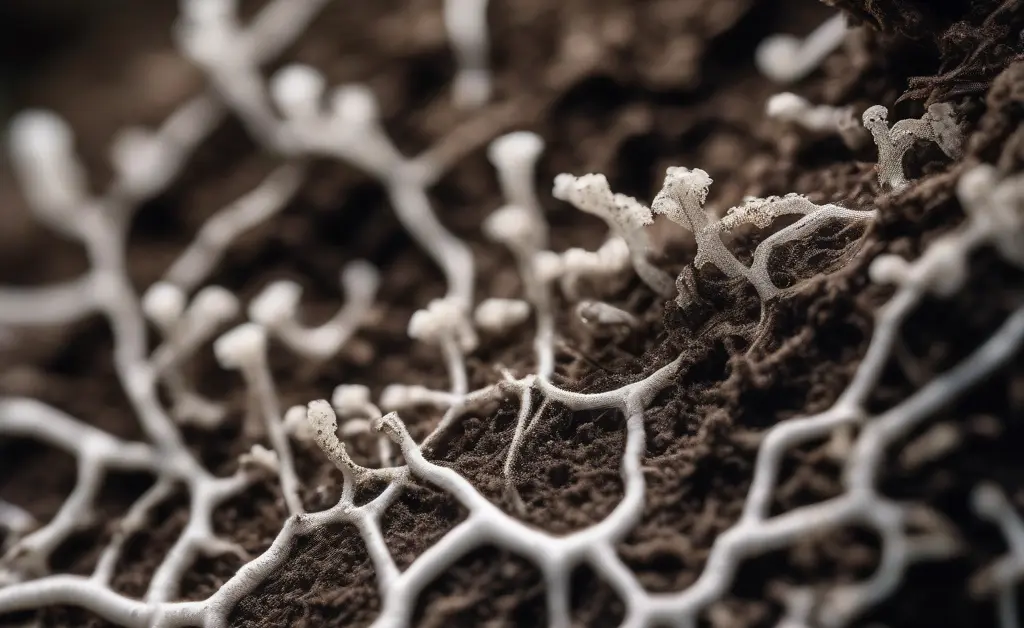
The story of the porcini mushroom begins deep in the evolutionary history of fungi. Scientifically known as *Boletus edulis*, which translates to “edible boletus,” this species belongs to a large and ancient family of mushrooms. Its lineage stretches back millions of years, with its ancestors thriving long before modern forests took shape. The key to its survival and spread is its mycorrhizal nature. This means the fungus forms a symbiotic, or mutually beneficial, relationship with the roots of specific trees. The mushroom’s underground network of filaments, called mycelium, envelops tree roots, helping the tree absorb water and nutrients more efficiently. In fact, many such fungi are studied for their potential benefits, with ongoing research documented by institutions like the NIH. In return, the tree provides the fungus with sugars produced through photosynthesis. This ancient partnership is fundamental to understanding the **porcini mushroom origin** and why it only grows in the wild, in association with its host trees.
Native Geographical Distribution and Natural Habitats
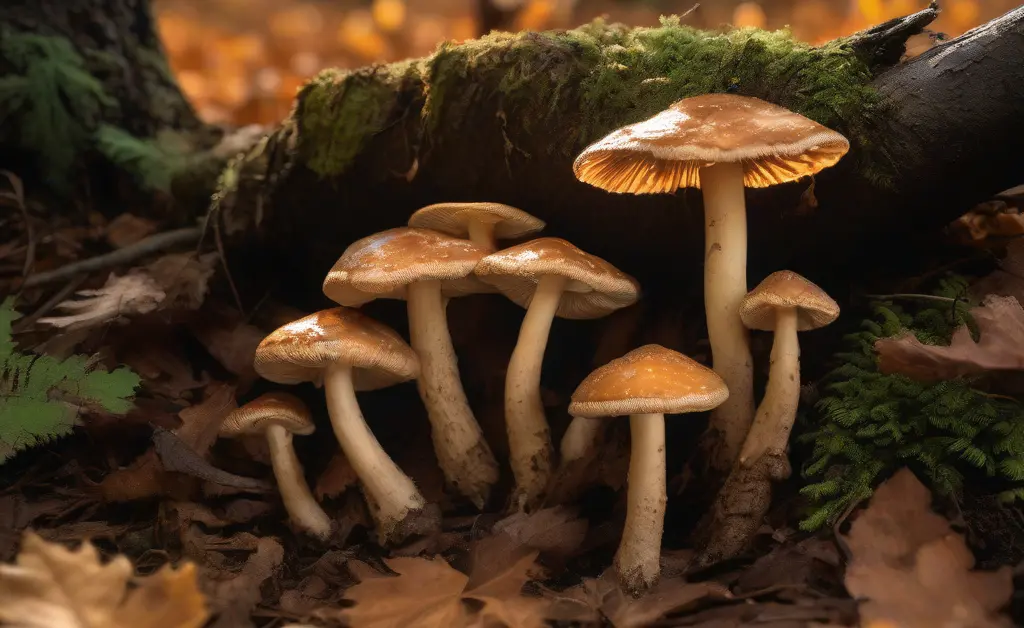
Porcini mushrooms are true natives of the Northern Hemisphere, boasting a vast geographical range that spans across Europe, Asia, and North America. Their natural environment is intrinsically linked to the presence of mature woodlands and forests. They are not cultivated but foraged, appearing in the same locations year after year if the conditions are right. These prized fungi can be found in both coniferous and deciduous forests, showing a preference for trees like pine, spruce, hemlock, oak, and chestnut. The ideal habitat for a wild porcini includes well-drained soil, cool to mild temperatures, and adequate rainfall, particularly in the late summer and autumn months. While porcini prefer these conditions, other prized fungi thrive in different environments, as a morel mushroom information guide would explain about their unique life cycle. This broad distribution is a core element of the **porcini mushroom origin**, highlighting its adaptability to a variety of temperate forest ecosystems across the globe.
Porcini Mushrooms: Treasures of the Italian Soil
Nowhere is the cultural connection to porcini stronger than in Italy. The fungus is deeply woven into the country’s culinary fabric, celebrated in dishes from rustic porcini mushroom soup to elegant porcini mushroom risotto. For centuries, Italians have foraged for these mushrooms, with the annual hunt being a cherished tradition passed down through generations. The specific soil composition, climate, and host trees found in regions like Tuscany, Piedmont, and Emilia-Romagna are thought to produce porcini with an exceptionally rich, nutty flavor and firm texture. This reputation has made Italian porcini a benchmark for quality around the world, solidifying the country’s status as a spiritual home for this beloved native mushroom.
In conclusion, the porcini mushroom is far more than just a gourmet ingredient; it is a symbol of the ancient, interconnected ecosystems of the Northern Hemisphere. Its story is not confined to one country but is a global tale of symbiotic relationships between fungi and trees, spanning the vast forests of Europe, Asia, and North America. From the treasured woodlands of Italy to the sprawling wilderness of other continents, the wild porcini remains a testament to nature’s intricate and enduring partnerships, enriching both our forests and our tables.
This article is written for general understanding and not for medical decision-making. The information provided is not intended to be a substitute for professional advice. Always consult with a qualified expert before consuming any wild mushroom, as misidentification can lead to serious health risks. The content here is for informational purposes only and does not constitute guidance on foraging, identification, or consumption.
FAQ
Where do porcini mushrooms grow naturally?
Porcini mushrooms grow naturally in coniferous and deciduous forests across the Northern Hemisphere. They form a special symbiotic relationship, called a mycorrhizal association, with the roots of certain trees. This connection allows the mushroom to access vital sugars from the tree, which in turn receives essential minerals and water from the mushroom’s vast underground network.
Are porcini mushrooms native to North America?
Several species within the *Boletus* genus, collectively called porcini, are indeed native to North America. These fungi are found in woodland areas from Mexico up through Canada, associating with specific regional tree species. While they may differ slightly from their European relatives, North American varieties like the California King Bolete share the same prized characteristics.
What is the native habitat of porcini mushrooms?
The native habitat for porcini is a woodland environment where they form symbiotic relationships with host trees like pine, spruce, hemlock, and birch. The specific porcini mushroom origin is tied to these healthy, mature forests, as the fungus’s underground mycelial network is intricately connected to the tree’s root system. This essential mycorrhizal bond provides the necessary exchange of nutrients for the mushroom to fruit and complete its life cycle.