
Mastering Porcini Mushroom Paste: A Comprehensive Guide
How can one ingredient deliver such a profound depth of savory, woodsy flavor to a dish with minimal effort? Chefs and home cooks have long sought to capture the elusive essence of porcini mushrooms, a prized delicacy with a fleeting season. The answer often lies in a concentrated form that preserves this unique umami character for year-round use. For those looking to elevate everything from simple pasta sauces to complex braises, understanding how to utilize porcini mushroom paste is a game-changer. This versatile pantry staple provides an intense, earthy foundation that can transform an ordinary meal into something truly memorable. This guide explores its characteristics, homemade preparation, and the best ways to incorporate its rich flavor into your cooking repertoire.
What is Porcini Mushroom Paste?
Porcini mushroom paste is a concentrated condiment made from porcini fungi, designed to capture their intense, savory flavor in a convenient, spreadable form. It serves as a powerful flavor enhancer, adding a significant umami boost to a wide variety of dishes. Unlike using whole or dried mushrooms, the paste offers an immediate infusion of deep, woodsy notes, making it a valuable shortcut for busy cooks and a secret weapon for gourmet food enthusiasts.
What is Porcini Mushroom Paste Made Of?
The primary ingredient in any high-quality porcini paste is, of course, porcini mushrooms. These can be either fresh or, more commonly, dried, which offer a more concentrated flavor. The mushrooms are finely chopped or blended into a puree along with other key ingredients. Olive oil is almost always used to create a smooth consistency and act as a natural preservative. Other common additions include garlic, shallots, salt, and various herbs like parsley or thyme, all of which complement the earthy profile of the fungi.
Key Characteristics and Texture
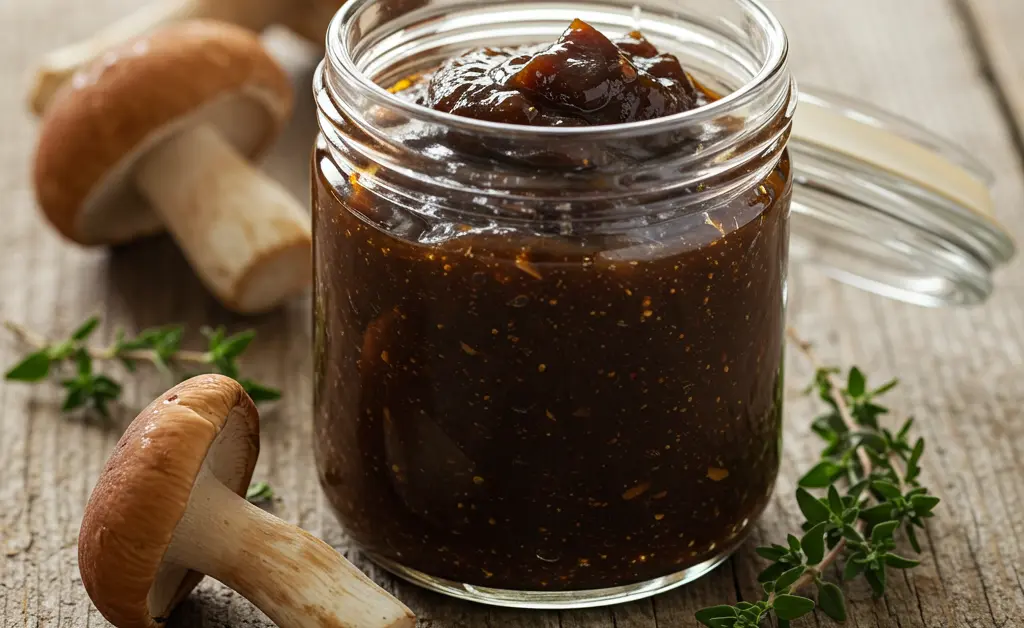
Visually, porcini paste has a deep, dark brown color, reflecting the rich tones of the mushrooms themselves. The texture is typically thick and dense, similar to a pesto or a thick tapenade. It is not usually a completely smooth puree; many versions have a slightly coarse or medium ground consistency, which adds a pleasant textural element to dishes. When preserved in oil, the paste will have a glossy sheen. Its defining characteristic is its powerful aroma, which is intensely earthy and unmistakably that of porcini.
Flavor Profile
The flavor profile of porcini paste is its main attraction. It is dominated by a profound earthy and nutty taste that is complex and deeply savory. The most significant element is its powerful umami quality, the so-called fifth taste, which provides a satisfying depth and richness. This potent flavor means that a small amount goes a long way. Depending on the specific recipe, there may also be subtle background notes of garlic, herbs, and the fruity pepperiness of good quality olive oil.
Porcini Mushroom Paste Recipe
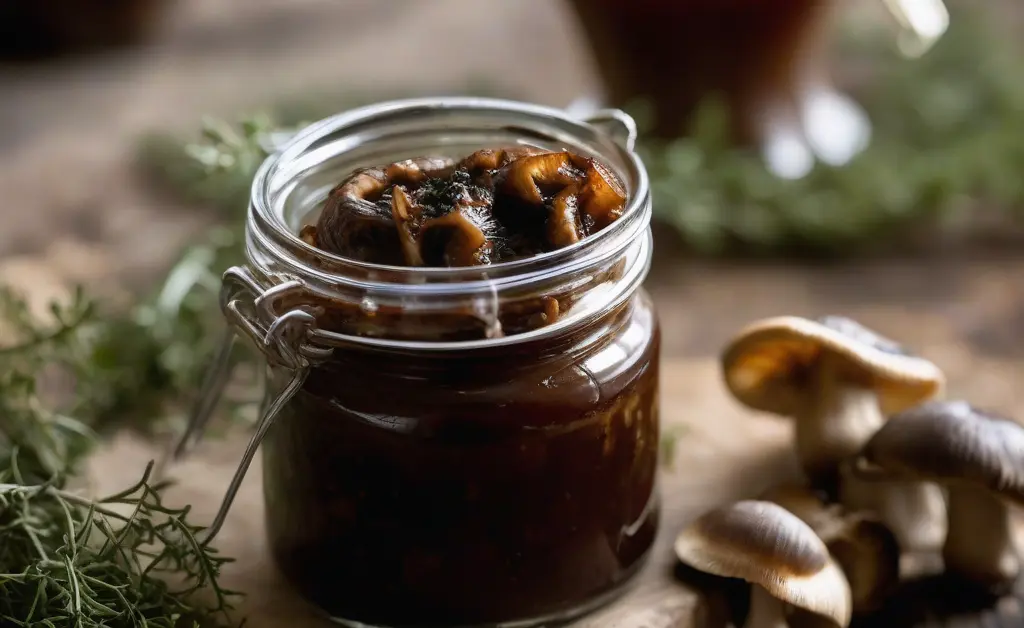
Creating your own porcini paste at home allows you to control the intensity of the flavor and the quality of the ingredients. A homemade batch ensures a fresh, vibrant product free from artificial preservatives or fillers, offering a pure expression of this celebrated mushroom. The process is straightforward and yields a gourmet condiment that can elevate everyday meals. For enthusiasts looking to grow their own ingredients, a porcini mushroom kit can provide a rewarding experience from cultivation to condiment.
Ingredients for Homemade Porcini Mushroom Paste
To make a classic porcini paste, you will need a few fundamental ingredients. The foundation of the recipe is dried porcini mushrooms, which provide the most concentrated flavor. You will also need a good quality extra virgin olive oil to bind the paste and help preserve it. Aromatics are crucial for building layers of flavor; common choices include fresh garlic and shallots. Salt and black pepper are used for seasoning. Some recipes may also suggest a small amount of white wine or a squeeze of lemon juice to add a touch of brightness and balance the rich, earthy notes.
Step-by-Step Porcini Mushroom Paste Recipe
The first step is to rehydrate the dried porcini mushrooms by soaking them in warm water until they are soft and pliable. It’s important to reserve the flavorful soaking liquid, as it can be used to adjust the consistency of the paste later. While the mushrooms soak, gently sauté minced garlic and shallots in olive oil until they become fragrant and softened but not browned. Once rehydrated, drain the mushrooms, giving them a gentle squeeze to remove excess water, and finely chop them. Combine the chopped mushrooms, sautéed aromatics, and a generous amount of olive oil in a food processor. Blend the mixture, scraping down the sides as needed, until it forms a thick puree. You can add a splash of the reserved mushroom soaking liquid to achieve your desired consistency. Season with salt and pepper to taste. For a truly exceptional homemade condiment, this porcini mushroom paste recipe provides a fantastic starting point for countless culinary creations.
Culinary Uses of Porcini Mushroom Paste
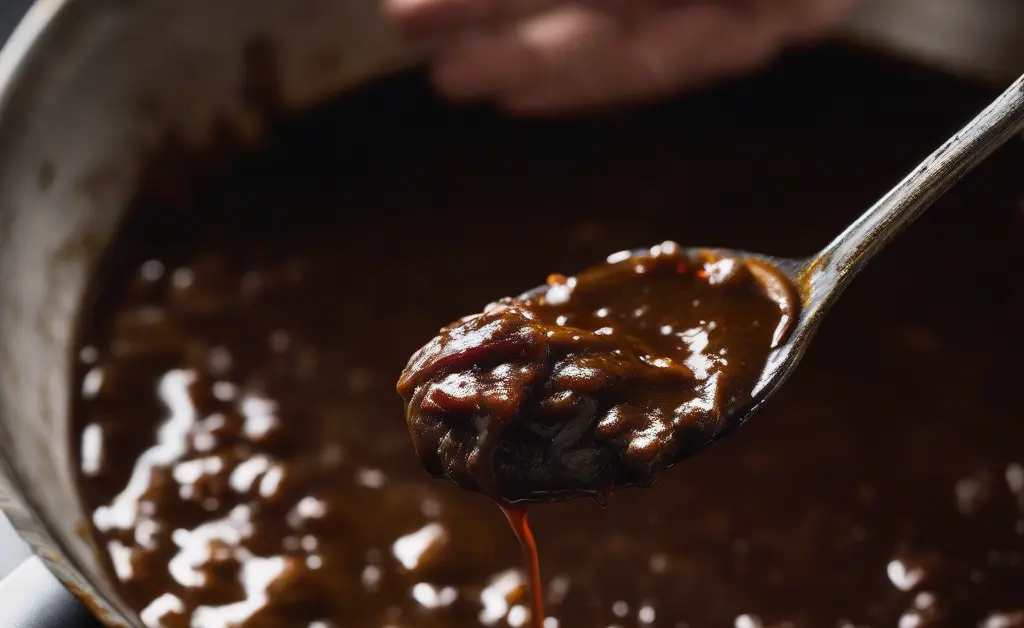
The culinary applications for porcini paste are vast, thanks to its concentrated flavor and easy-to-use format. It functions as an exceptional flavor base, capable of introducing a deep, savory character to dishes that might otherwise taste flat. Its versatility extends from rustic Italian cooking to modern gourmet preparations, making it a prized ingredient in many kitchens.
How to Use Porcini Mushroom Paste in Cooking
Incorporating porcini paste into your cooking is simple. It can be stirred directly into simmering liquids like soups, stews, and braises to build a rich, earthy foundation. For a quick flavor boost, a spoonful can be whisked into pan sauces for chicken, beef, or pork. It is also an excellent addition to risotto, where it infuses every grain of rice with its distinctive taste. For a simple yet elegant appetizer, it can be used as a spread on toasted crostini, perhaps topped with a shaving of parmesan cheese. Its use as a versatile condiment is one of its greatest strengths. For dishes where a liquid is preferred over a paste, porcini mushroom extract can be a convenient alternative.
Making Porcini Mushroom Sauce with Paste
One of the most popular culinary uses is creating a luxurious porcini mushroom sauce. To make a simple sauce base for pasta dishes, start by sautéing garlic in olive oil, then stir in a spoonful of the paste. Deglaze the pan with a bit of white wine or broth, then thin the sauce with cream, milk, or reserved pasta water to reach the desired consistency. This creates a wonderfully creamy porcini mushroom pasta sauce without the need for simmering whole mushrooms for a long time. For a lighter version, you can make a porcini mushroom pasta no cream sauce by simply thinning the porcini mushroom paste with pasta water and a drizzle of olive oil, then tossing it with your favorite pasta.
Porcini Mushroom Paste Substitutes
While porcini paste is a unique and potent ingredient, there may be times when it is not readily available. In these situations, several alternatives can be used to mimic its savory, umami-rich qualities, though none will be an exact match for its distinctive flavor profile. Choosing the right substitute depends on the specific dish you are preparing.
Finding Good Substitutes for Porcini Mushroom Paste
The most direct substitute is to create a makeshift paste from finely minced, rehydrated dried porcini mushrooms. While it may lack the smooth texture of a commercially prepared product, it will deliver the authentic flavor. Other mushroom pastes, such as those made from cremini or a blend of wild mushrooms, can also work, though their flavor will be milder and less complex. For those exploring other mushroom varieties, learning where to buy oyster mushrooms can open up new culinary possibilities. For a general umami boost without the specific mushroom taste, a small amount of dark miso paste, soy sauce, or even a dash of truffle oil can be used. When replacing porcini mushroom paste, it is important to adjust quantities and taste as you go, as these substitutes vary widely in intensity.
Buying and Storing Porcini Mushroom Paste

Purchasing a quality porcini paste and storing it correctly are key to enjoying its full, robust flavor. A good jarred paste can be a valuable pantry staple, ready to add a touch of gourmet elegance at a moment’s notice. Knowing what to look for on the label and how to care for it after opening will ensure you get the most out of your purchase.
What to Look For When Buying Porcini Paste
When selecting a porcini paste at the store, the ingredient list is your most important guide. Look for products where porcini mushrooms are listed as the first or second ingredient, indicating a high concentration. Avoid pastes that contain a high proportion of other, less expensive mushrooms or excessive fillers. The color should be a deep, rich brown, and the product should ideally be preserved in olive oil rather than other vegetable oils. Reputable gourmet brands are often a reliable choice. It is also wise to ensure the product complies with food safety standards set by agencies like the FDA. The availability in stores can vary, with specialty food shops and well-stocked supermarkets being the most likely places to find it.
Optimal Storage and Shelf Life of Porcini Paste
Proper storage is essential for maintaining the quality and extending the shelf life of your porcini paste. Before opening, an unopened jar is typically shelf-stable and should be kept in a cool, dark place like a pantry. After the seal is broken, the paste must be refrigerated. To prevent spoilage and oxidation, it is a common practice to smooth the surface of the remaining paste in the jar and add a thin layer of olive oil on top before sealing it. This creates a barrier against air. Always check the manufacturer’s recommendations for specific storage conditions, but following these general guidelines will help preserve the intense, earthy flavor of your porcini mushroom paste for future use.
In essence, porcini mushroom paste is more than just a condiment; it is a concentrated essence of the forest floor, a culinary tool that unlocks a world of deep, savory flavor. Whether you choose to make it from scratch following a homemade recipe or purchase a high-quality jarred version, its ability to enrich sauces, elevate pasta dishes, and transform simple appetizers is undeniable. By understanding its characteristics and versatile applications, any home cook can harness the power of this gourmet ingredient to create truly memorable and flavorful meals with remarkable ease.
This article is written for general understanding and not for medical decision-making. The information provided is for culinary and informational purposes only and is not intended as a substitute for professional medical or dietary advice. Always consult with a qualified healthcare provider for any health concerns or before making any changes to your diet. The content herein does not diagnose, treat, or cure any medical condition.
FAQ
What are the main ingredients in porcini mushroom paste?
The core component of this savory spread is porcini mushrooms (Boletus edulis), prized for their rich flavor. To create the paste’s consistency and complement its taste, ingredients such as olive oil, garlic, and various herbs are typically included. These additions help to preserve the paste while deepening its complex umami profile.
How is porcini mushroom paste typically used as a condiment?
As a highly concentrated flavor agent, porcini mushroom paste is often stirred into pasta sauces, risottos, or soups to impart a deep, earthy dimension. It can also be spread on crostini or mixed with butter to create a compound butter for meats and vegetables. Its intense character means a small amount can significantly elevate a dish.
What does porcini mushroom paste taste like?
This paste delivers a powerful and concentrated taste of its primary ingredient, with deep earthy, nutty, and woodsy notes. The flavor is intensely savory and characterized by a rich umami quality, often described as meaty and robust. This concentration makes it a potent ingredient for adding depth to various culinary creations.
How should you store porcini mushroom paste?
Once opened, the container should be kept tightly sealed and refrigerated to maintain its freshness and flavor integrity. Often, a layer of oil is present on top, which acts as a natural barrier to help preserve the contents. Following the storage guidelines on the product’s label is the best practice for longevity.
What is the texture of porcini mushroom paste?
The texture is typically thick and spreadable, often with a consistency somewhere between a traditional pesto and a pâté. Depending on the brand and preparation style, it can range from a smooth, creamy purée to a more rustic, slightly coarse blend. The oil base gives it a rich, smooth mouthfeel.
Is porcini mushroom paste available in stores?
Yes, this specialty ingredient can be found in a variety of retail settings. It is commonly stocked in Italian delis, gourmet food shops, and the international or specialty sections of larger grocery stores. Additionally, numerous artisanal and commercial versions are available for purchase from online food retailers.