
Mastering Porcini Mushroom Sauce: Recipe & Best Pairings
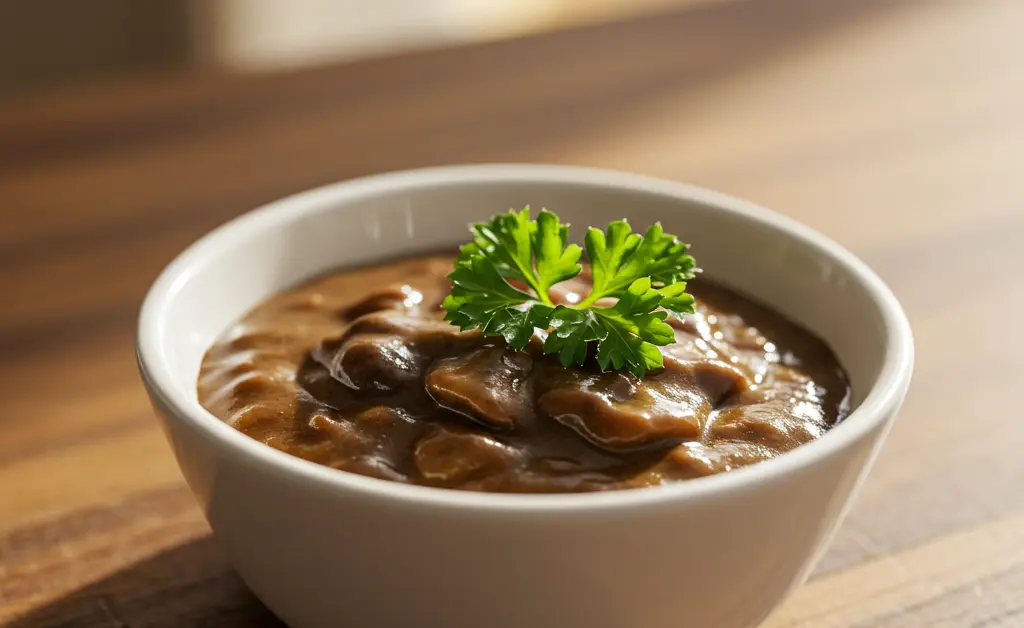
In today’s culinary landscape, home cooking has evolved into an art form, with many seeking sophisticated yet achievable flavors to elevate their everyday meals. Among the myriad options, porcini mushroom sauce stands out as a luxurious and versatile addition to almost any dish, transforming simple ingredients into gourmet experiences. This guide delves into the creation of this exquisite sauce, offering detailed recipes for both fresh and dried porcini mushrooms, ensuring a rich, earthy depth in every bite. Whether you’re aiming to impress guests or simply enhance a weeknight dinner, mastering this sauce opens up a world of culinary possibilities, making healthy and delicious eating an effortless pleasure.
How to Make Porcini Mushroom Sauce
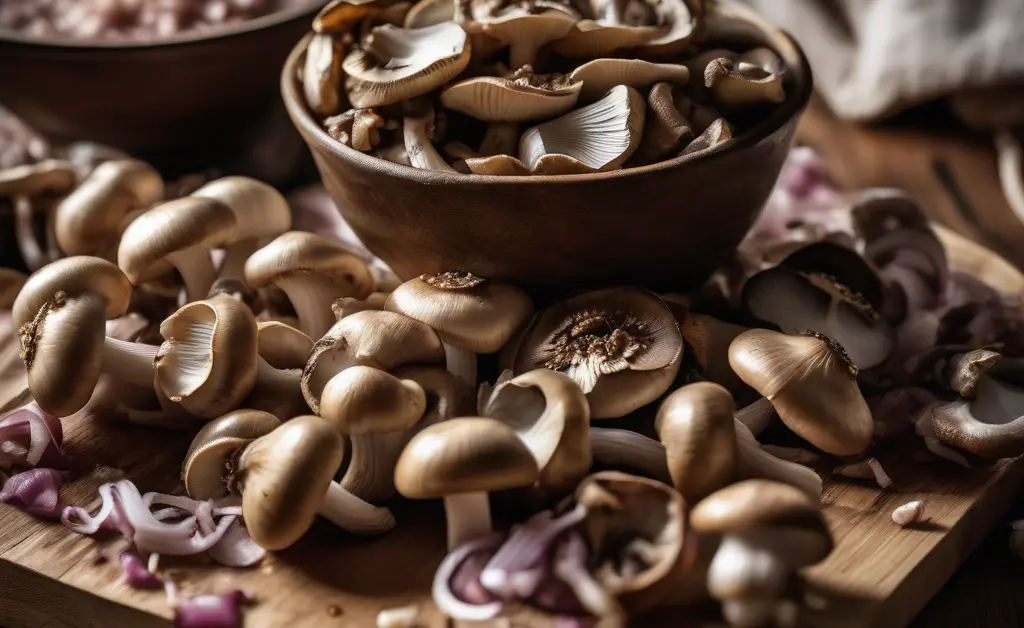
Crafting a delectable porcini mushroom sauce involves capturing the intense, earthy flavor of porcini mushrooms and building a rich, savory foundation. The essence of a good porcini mushroom sauce lies in coaxing out the deep umami notes from these prized fungi, whether they are fresh or dried. The process generally begins with a sauté of aromatic vegetables like garlic and shallots, which serve as the perfect base for the mushrooms. Liquids such as vegetable broth or mushroom stock are often incorporated to create depth, while herbs like thyme add a fragrant complexity. The final texture can range from chunky to a smooth, velvety consistency, depending on whether the sauce is pureed or left rustic. Ensuring the quality and safety of ingredients is paramount in cooking, a principle reinforced by guidelines from organizations such as the FDA.
Easy Porcini Mushroom Sauce
An easy porcini mushroom sauce prioritizes simplicity without compromising on flavor. This approach often utilizes readily available ingredients and straightforward techniques. Typically, it starts by sautéing finely chopped aromatics, followed by the addition of rehydrated dried porcini and their flavorful liquid. A splash of white wine or broth can enhance the base, and a brief simmer allows the flavors to meld beautifully. This type of sauce can be kept simple with minimal ingredients, focusing on the pure taste of the porcini, and can be achieved in a relatively short amount of time, making it ideal for weeknight meals.
Fresh Porcini Mushroom Sauce
When working with fresh porcini mushrooms, the goal is to highlight their unique texture and delicate yet profound flavor. After carefully cleaning the fresh fungi, they are typically sliced or chopped and then gently sautéed in olive oil or butter until they release their moisture and begin to brown, concentrating their taste. This step is crucial for developing their characteristic earthy notes. A fresh porcini mushroom sauce might incorporate fresh herbs and a touch of quality white wine, which brightens the overall profile. The resulting sauce offers a more nuanced and sometimes lighter flavor compared to those made with dried porcini, allowing the natural essence of the fresh mushrooms to shine through. Understanding the nuances of preparing different fungi, such as learning how to cook oyster mushrooms, can further expand one’s culinary skills.
Dried Porcini Mushroom Sauce
Dried porcini mushrooms are celebrated for their intensely concentrated umami flavor, which forms the heart of a robust dried porcini mushroom sauce. The key to unlocking this depth is proper rehydration. The dried mushrooms are typically soaked in warm water, and the resulting rich, dark liquid is then strained and often incorporated back into the sauce, adding an incredible layer of flavor. After rehydration, the porcini are sautéed with aromatics, then simmered with ingredients like mushroom stock, and sometimes a hint of dry sherry, to create a deeply flavorful and aromatic sauce that is perfect for hearty dishes. This method yields a sauce with a powerful, lingering earthy flavor that stands up well to other strong ingredients.
Fresh Porcini Cream Sauce
For a truly luxurious experience, a fresh porcini cream sauce combines the delicate flavor of fresh porcini with the richness of heavy cream. This sauce typically begins with the preparation of fresh porcini as described above, sautéed until tender and fragrant. Once the mushroom base is established, heavy cream is slowly added and gently simmered, allowing it to reduce slightly and thicken into a velvety texture. This addition transforms the sauce into a decadent, coating consistency that is particularly well-suited for pasta. A touch of grated Parmesan cheese or fresh parsley at the end can further enhance the flavor and presentation, creating a gourmet porcini mushroom cream sauce.
Porcini Mushroom Sauce Pairings and Serving Suggestions
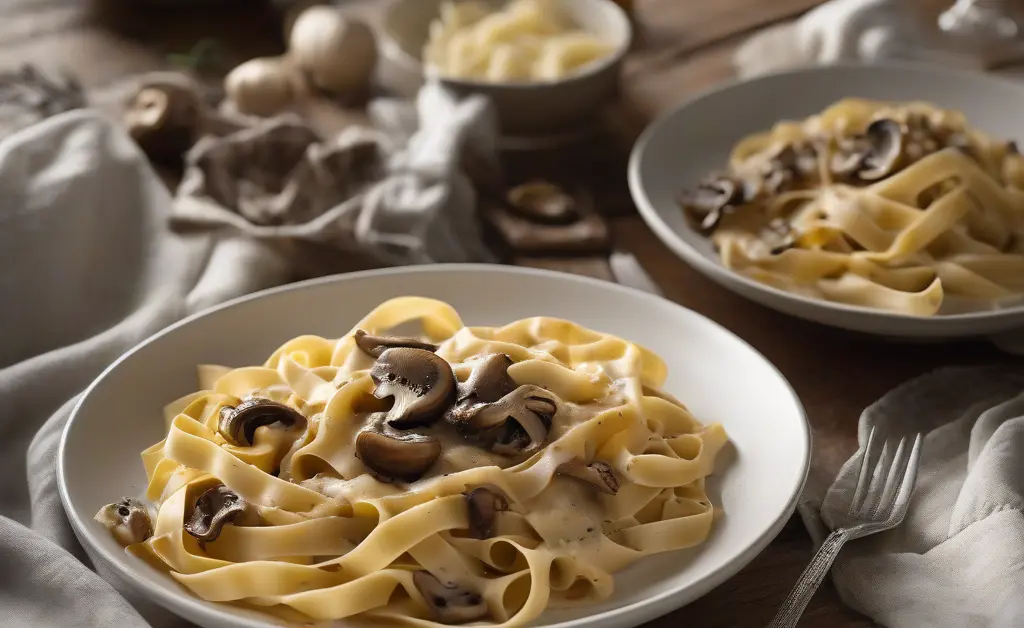
The versatility of porcini mushroom sauce makes it a celebrated component in a wide array of culinary applications. Its rich, earthy flavor profile, often characterized by a deep umami, allows it to complement both simple and complex dishes. Whether you prefer a creamy texture or a more rustic consistency, understanding how to pair this sauce can elevate any meal. From hearty Italian classics to elegant meat preparations, a well-made porcini mushroom sauce can truly transform the dining experience. Beyond porcini, there are many other delightful oyster mushroom recipes that offer unique flavors and textures for varied culinary experiences.
One of the most popular pairings for porcini mushroom sauce is undoubtedly pasta. It creates an incredibly satisfying experience, especially with wide, flat pasta like tagliatelle or pappardelle, which can effectively hold the sauce. It is also an exceptional partner for filled pasta such as ravioli or tortellini, where the rich sauce complements the filling without overpowering it. For a truly indulgent dish, consider a Creamy Porcini Mushroom Pasta, where the sauce coats every strand with its velvety texture. For a hearty twist on a classic, consider preparing a rich porcini mushroom bolognese to serve with your favorite pasta.
Beyond pasta, this savory fungi-based sauce shines brightly when paired with various proteins. A porcini mushroom sauce for steak can turn a simple cut of meat into a gourmet entree, with the earthy notes beautifully complementing the richness of beef. Similarly, a porcini mushroom sauce for chicken adds a layer of sophistication, moistening and flavoring poultry dishes. It also pairs wonderfully with pork loin, lamb, and even robust fish like cod or halibut. Consider spooning it over seared scallops for an elegant appetizer.
For vegetarian options, porcini mushroom sauce enhances polenta, risotto, or gnocchi, imbuing them with depth and character. It can also be a delightful topping for vegetarian gratins or roasted vegetables. Small servings can even be presented as an appetizer alongside crusty bread or used as a base for a gourmet tart. The inherent umami of the sauce ensures it integrates seamlessly, making dishes feel more substantial and flavorful. Garnishes like fresh parsley, chives, or a sprinkle of flaky sea salt can add a final flourish to any serving.
Porcini mushroom sauce is a testament to the power of earthy flavors and can truly elevate everyday cooking into something extraordinary. Whether it’s enriching a simple pasta dish, accompanying a perfectly cooked steak, or enhancing a vegetarian creation, its deep umami and versatile nature make it a culinary staple. Experimenting with both fresh and dried porcini, and exploring creamy or chunky textures, allows for endless possibilities to suit any taste or occasion. Mastering this sauce provides a fundamental skill for creating gourmet meals with a rich, comforting depth that is sure to impress.
This content is for informational use and should not be considered medical instruction. It is not intended to provide specific dietary advice, diagnoses, or treatments for any health conditions. Always consult with a qualified healthcare professional or registered dietitian for personalized health and nutritional guidance. Information presented here is for general knowledge and educational purposes only.
FAQ
— What are functional mushrooms?
Functional mushrooms are specific types of fungi that possess beneficial compounds beyond their basic nutritional value, supporting various aspects of human health. These compounds, such as beta-glucans and triterpenes, are known to interact with the body’s systems in a supportive way. They are studied for their potential to promote balance and overall well-being.
— How do functional mushrooms differ from culinary mushrooms?
While all mushrooms offer some nutritional value, functional mushrooms are primarily recognized for their concentrated bioactive compounds that offer targeted health support. Culinary mushrooms, like those found in a delicious porcini mushroom sauce, are primarily chosen for their flavor, texture, and basic nutritional content. The distinction lies in their primary application: either for a robust culinary experience or for their unique physiological effects.
— How do functional mushrooms support immunity?
Functional mushrooms contain polysaccharides, particularly beta-glucans, which are recognized for their role in modulating the immune system. These compounds interact with immune cells, helping to optimize their responses without overstimulating them. This interaction is thought to contribute to a balanced and robust immune defense.
— What are adaptogenic mushrooms?
Adaptogenic mushrooms are a subset of functional mushrooms known for their adaptogenic properties, meaning they help the body adapt to various stressors and maintain equilibrium. They work by supporting the body’s natural resilience systems, influencing the hypothalamic-pituitary-adrenal (HPA) axis. This action helps promote a more balanced physiological response to everyday demands.
— How can functional mushrooms be incorporated into a daily routine?
Functional mushrooms are often consumed in various forms like powders, extracts, or capsules, making them versatile for integration into daily wellness practices. Many people add mushroom powders to smoothies, coffee, or tea, while others prefer the convenience of capsules. The aim is consistent intake to allow their beneficial compounds to support the body over time.
Continue reading
You May Also Like
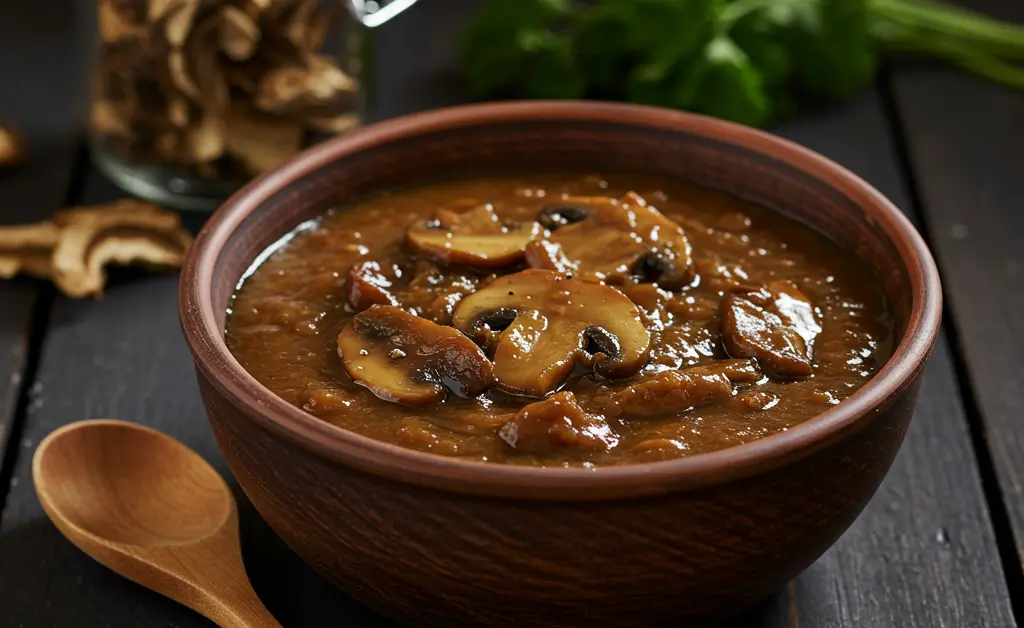
Crafting the Perfect Porcini Mushroom Sauce
Create a rich, creamy porcini mushroom sauce from scratch with our easy step-by-step recipe, perfect for elevating pasta, steak, or chicken.
Mastering Porcini Mushroom Broth: From Recipe to Storage
A detailed guide to creating aromatic porcini mushroom broth is presented, featuring full recipes, culinary applications, helpful advice, and storage…
Mastering Porcini Mushroom Lasagna: Your Ultimate Recipe
Confidently prepare authentic porcini mushroom lasagna using our expert-curated recipe, covering everything from ingredients to storage tips.