
Portobello Mushrooms: Examining the Safety Concerns
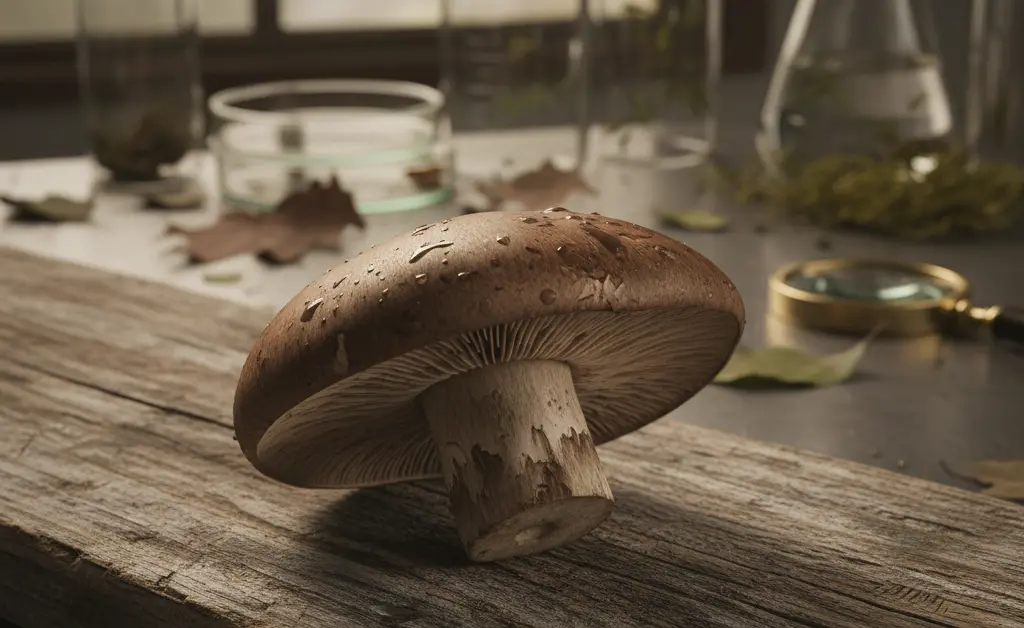
While portobello mushrooms are a popular culinary staple, often prized for their meaty texture and rich flavor, questions occasionally arise regarding their potential health implications. Consumers might wonder if consuming these fungi carries any hidden risks, especially when prepared in certain ways. This discussion aims to thoroughly examine the scientific understanding behind claims of portobello mushroom danger, moving beyond anecdotal concerns to explore the specific compounds involved, their effects, and the safety recommendations for preparation and consumption. We will delve into the details of substances like agaritine and differentiate between established risks and common misconceptions, providing a clear overview for safe enjoyment.
Portobello Mushroom Dangers and Health Risks
Concerns about the safety of portobello mushrooms often stem from various sources, including the presence of naturally occurring compounds and potential issues with raw consumption. While these mushrooms are widely consumed and generally considered safe when properly prepared, understanding the potential portobello mushroom danger is important for informed dietary choices. Much of the discussion revolves around specific compounds that might be present and how preparation methods can influence their impact.
Risks Associated with Consuming Raw Portobello Mushrooms
Consuming portobello mushrooms raw is a practice some individuals engage in, often for their perceived nutritional benefits or unique texture. However, raw mushrooms, including portobellos, contain compounds that may lead to digestive discomfort in some people. Furthermore, the cell walls of raw mushrooms are composed of chitin, which can be difficult for the human digestive system to break down, potentially causing bloating or gas. This also impacts the bioavailability of certain nutrients, meaning cooking can unlock more of their beneficial properties. Many people ask can you eat raw portobello mushroom, and while possible, it comes with these considerations.
Portobello Mushroom Danger: Myths vs. Facts
There are many misconceptions circulating about the dangers associated with portobello mushrooms. One common myth suggests that all mushrooms, including portobellos, are inherently toxic and must be cooked to neutralize poisons. While some wild mushrooms are indeed poisonous, cultivated varieties like portobellos are generally safe. The primary concern often cited is the presence of agaritine, which will be discussed in detail. However, scientific consensus indicates that the levels of agaritine in commercially available portobello mushrooms, especially when cooked, do not pose a significant portobello mushroom danger for the average consumer. Many claims about severe toxicity are often exaggerated or misattributed. Some discussions have even involved figures like portobello mushroom Joe Rogan, highlighting public interest.
Understanding Agaritine in Portobellos
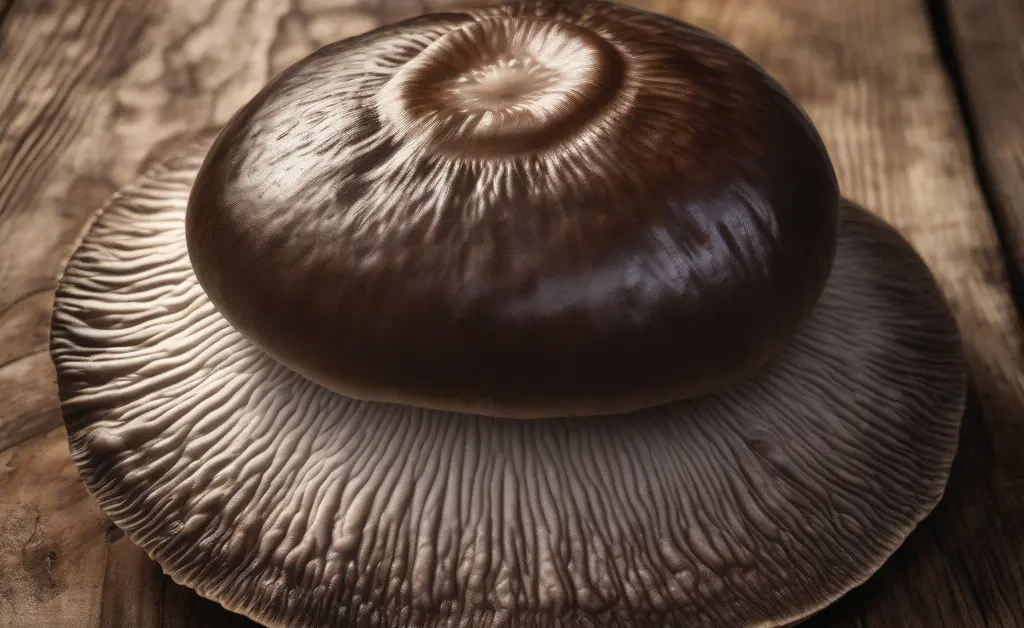
Agaritine is a compound found naturally in certain edible mushrooms, including portobellos. Its presence has been a focal point of discussions regarding portobello mushroom danger. While research has explored its potential effects, it’s crucial to understand its nature and how it interacts with the human body under typical consumption scenarios.
What is Agaritine?
Agaritine is a hydrazine-derived compound that occurs naturally in species within the genus Agaricus, which includes common button, cremini, and portobello mushrooms. It is a derivative of glutamic acid and its chemical structure contains a hydrazine moiety. In its raw form, agaritine is relatively stable, but its stability and potential effects can change with processing and digestion. Understanding portobello mushroom hydrazine content is key.
How Agaritine Becomes Toxic
The concern with agaritine is primarily related to its breakdown products. When agaritine is metabolized, it can yield compounds like hydrazines, some of which have been studied for their potential genotoxic or carcinogenic properties in isolated experimental settings, often involving very high concentrations. However, this process typically occurs through enzymatic reactions or digestion, and the extent to which it poses a risk in human dietary intake is a subject of ongoing scientific review and debate. The body’s natural detoxification pathways also play a role in processing these compounds.
Agaritine Levels in Portobellos
The concentration of agaritine varies in portobello mushrooms depending on factors such as cultivation methods, age of the mushroom, and storage conditions. Generally, raw portobellos contain higher levels of agaritine compared to cooked ones. However, even in raw mushrooms, the levels are typically low. Studies indicate that cooking significantly reduces agaritine content, often by a substantial percentage, rendering the amounts consumed in a typical diet quite minimal.
Long-Term Effects of Agaritine Exposure
Research into the long-term effects of agaritine exposure from consuming portobello mushrooms is complex. While some early studies in animal models using highly concentrated extracts suggested potential concerns, these findings are not directly transferable to human dietary consumption of whole mushrooms. The scientific community generally agrees that typical dietary intake of cooked portobello mushrooms is unlikely to lead to adverse long-term effects of agaritine. The body’s ability to process and eliminate these compounds, coupled with the low levels present in cooked mushrooms, helps mitigate potential risks.
Portobello Mushroom Dangers and Health Risks
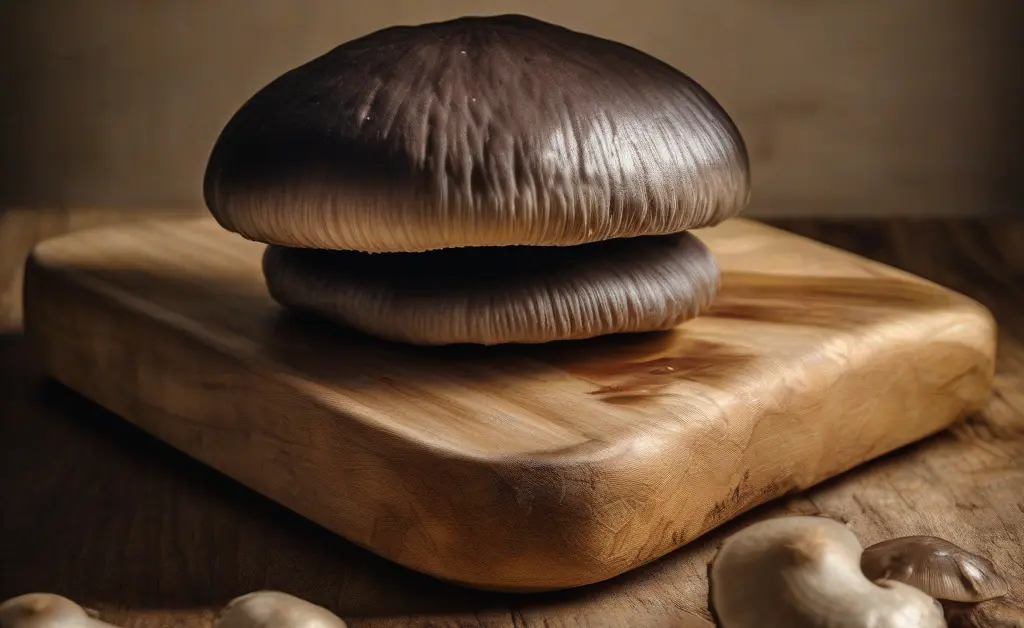
Despite the natural presence of compounds like agaritine, the overall portobello mushroom danger is often overstated. Most health risks are minor and primarily associated with improper preparation or individual sensitivities rather than inherent toxicity when consumed responsibly. Understanding potential symptoms and the importance of cooking is key to safe enjoyment.
Symptoms of Raw Mushroom Consumption
While not typically considered a severe portobello mushroom danger, consuming raw portobellos can sometimes lead to mild gastrointestinal symptoms in sensitive individuals. These might include digestive upset, such as gas, bloating, or stomach discomfort. This is often attributed to the indigestible chitin in mushroom cell walls and the presence of certain enzymes or compounds that are denatured or reduced through cooking. These symptoms are generally temporary and not indicative of severe poisoning.
Portobello Mushroom Poisoning Symptoms
True “poisoning” from commercially cultivated portobello mushrooms is exceedingly rare and generally not a primary concern for portobello mushroom danger. Symptoms commonly associated with poisonous wild mushrooms (like severe nausea, vomiting, diarrhea, abdominal pain, or neurological issues) are not typically seen with properly identified and prepared portobellos. If an individual experiences severe symptoms after consuming portobellos, it is more likely due to a severe allergic reaction, contamination from external sources, or misidentification if wild-foraged, rather than the inherent toxicity of the portobello itself. Seeking immediate medical attention in such cases is crucial. For further scientific rigor in health assessments, one might consult research from sources like Cochrane Library.
Cooking Portobellos Thoroughly
Cooking portobello mushrooms thoroughly is the most effective way to minimize any potential portobello mushroom danger and enhance their safety and digestibility. Heat effectively breaks down agaritine and its precursor compounds, significantly reducing their presence. Additionally, cooking softens the chitin in the cell walls, making the mushrooms easier to digest and allowing for better absorption of their nutrients. Common cooking methods like grilling, sautéing, roasting, or baking are all suitable for preparing portobellos for consumption.
Portobello mushrooms remain a nutritious and flavorful food choice, offering a satisfying texture and rich umami flavor. While discussions about compounds like agaritine can raise questions, scientific research indicates that the potential for portobello mushroom danger is minimal, especially when these fungi are cooked. The benefits of cooking them thoroughly far outweigh any perceived risks from raw consumption, reducing agaritine levels and improving digestibility. By following simple preparation guidelines, consumers can confidently enjoy portobello mushrooms as a versatile and healthy addition to their diet.
The information presented in this article is educational and not meant as professional medical counsel. This content is intended for general knowledge and informational purposes only, and does not constitute medical advice, diagnosis, or treatment. It is essential to consult with a qualified healthcare professional for any health concerns or before making any decisions related to your health or treatment. Reliance on any information provided in this article is solely at your own risk.
FAQ
Are portobello mushrooms toxic?
Portobello mushrooms are not toxic and are a widely cultivated and consumed edible mushroom. They belong to the same species as common button mushrooms and cremini mushrooms, all of which are safe for human consumption.
Can eating raw portobello mushrooms make you sick?
While generally safe, some individuals may experience digestive discomfort when consuming raw portobello mushrooms due to their chitin content, which can be difficult to digest. Cooking breaks down these compounds, making them more digestible and potentially reducing the risk of stomach upset.
What is agaritine in mushrooms?
Agaritine is a naturally occurring compound found in some mushrooms, including raw portobello mushrooms. It is a type of hydrazine derivative that is present in varying amounts depending on the mushroom species and growing conditions.
Is agaritine harmful?
Research has explored the potential effects of agaritine, with some studies in animal models suggesting it may have carcinogenic properties at high doses. However, the relevance of these findings to human consumption of cooked mushrooms is not definitively established.
How do you safely eat portobello mushrooms?
The safest way to consume portobello mushrooms is to cook them thoroughly before eating, as heat effectively reduces the levels of certain naturally occurring compounds like agaritine. This process also improves digestibility and enhances flavor.