
Portobello Mushroom Farming: A Founder’s Guide
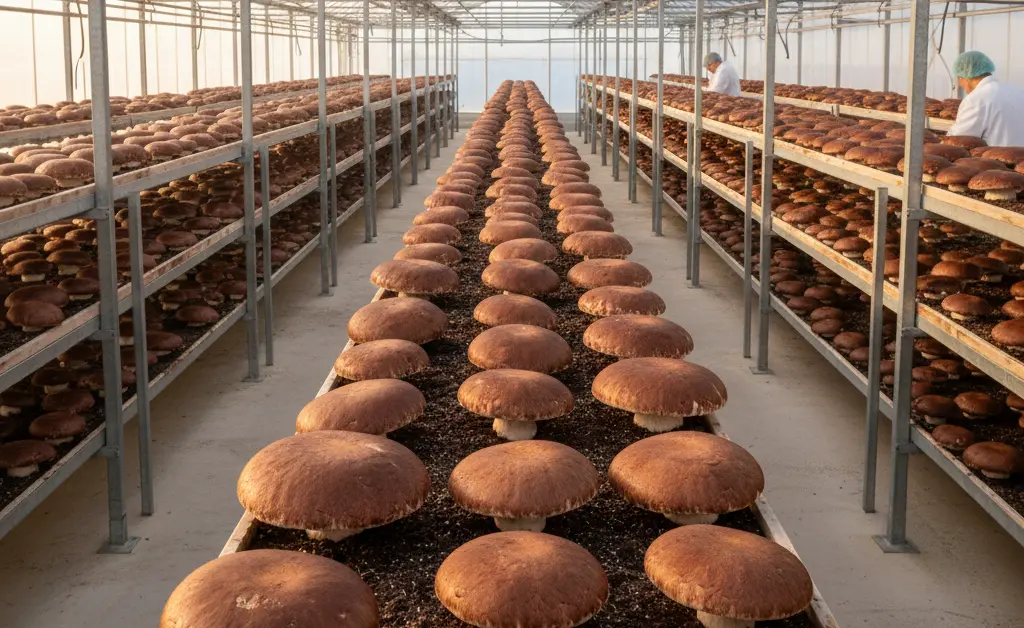
As more people embrace mindful eating and seek fresh, locally sourced ingredients, the appeal of cultivating one’s own food has significantly grown. Among the diverse options available for home cultivation, mushrooms, particularly the versatile portobello, have emerged as a fascinating choice for enthusiasts and budding entrepreneurs alike. This guide delves into the intricate yet rewarding process of establishing and managing a successful portobello mushroom farm. Understanding the specific environmental needs, cultivation techniques, and potential challenges is crucial for anyone aiming to produce high-quality, flavorful portobellos. We will explore everything from substrate preparation to harvesting, providing a comprehensive foundation for both small-scale and commercial operations in this burgeoning field.
Portobello Mushroom Cultivation Process
The journey of growing portobello mushrooms is a delicate process that unfolds in several stages, each critical for a successful yield. From preparing the growth medium to initiating the fruiting bodies, precision and attention to detail are key. The foundation of any successful portobello mushroom farm lies in understanding and diligently executing these steps to create an environment where the mycelium can thrive and eventually produce edible mushrooms.
Substrate and Spore Preparation
The initial phase involves carefully preparing the growing environment and the mushroom’s starting material. A suitable substrate provides the necessary nutrients for the mycelium, while viable spores or spawn introduce the mushroom culture to this nutrient base. This step sets the stage for healthy fungal growth and subsequent development.
portobello mushroom substrate
The ideal portobello mushroom substrate is typically a carefully formulated mix designed to mimic their natural growing environment. Traditionally, composted manure, often from horses or chickens, mixed with straw, gypsum, and other organic materials, forms the backbone of a successful substrate. This mixture undergoes a pasteurization or sterilization process to eliminate competing microorganisms, ensuring the mushroom mycelium has an optimal, uncontaminated food source to colonize. The quality and composition of this substrate directly influence the vigor of growth and the final yield.
portobello mushroom spawn
Portobello mushroom spawn acts as the “seed” for your mushroom crop. It consists of a carrier material, such as grain or sawdust, that has been fully colonized by the mycelium of the desired mushroom strain. Introducing high-quality portobello mushroom spawn to the prepared substrate is crucial for initiating growth. The spawn ensures a strong, healthy culture that is ready to colonize the larger substrate mass efficiently and effectively. Selecting the right spawn from a reputable supplier can significantly impact the success rate of your cultivation efforts.
Inoculation and Incubation
Inoculation is the process of mixing the portobello mushroom spawn with the prepared substrate. This is often done under sterile conditions to prevent contamination. Once inoculated, the substrate is moved to an incubation area where environmental conditions are carefully controlled. During incubation, the mycelium spreads throughout the substrate, consuming nutrients and forming a dense network. This phase typically requires consistent temperatures and humidity, away from light, to encourage vigorous colonization before the mushrooms begin to form. It is interesting to understand the portobello mushroom life cycle during this stage.
Fruiting Initiation
After the substrate is fully colonized by the mycelium, conditions are altered to trigger the formation of mushroom fruiting bodies. This transition, known as fruiting initiation, often involves a shock to the mycelium, such as a drop in temperature, an increase in fresh air exchange, and the introduction of light. These changes signal to the mycelium that it is time to produce mushrooms for spore dispersal. A casing layer, typically a non-nutritive layer of peat moss and lime, is often applied over the colonized substrate to maintain moisture and create a microclimate conducive to pinhead formation.
Signs of Maturity
Recognizing the signs of maturity is key to harvesting portobello mushrooms at their peak quality. Portobellos are mature cremini mushrooms that have been allowed to grow larger. A primary indicator of maturity is the cap expanding and flattening, revealing the dark gills underneath. The veil, which is the membrane connecting the cap to the stem, will often begin to tear or fully detach as the mushroom reaches its full size. Harvesting at this stage ensures the best flavor and texture. Delaying too long can result in dry, less flavorful mushrooms and excessive spore release.
Harvesting Techniques
Proper harvesting techniques are vital to maximize yield and encourage subsequent flushes. To harvest, gently twist the mushroom from the substrate at its base, taking care not to disturb the surrounding mycelium or other developing mushrooms. You can also use a sharp, clean knife to cut the stem at the substrate level. Avoid pulling, as this can damage the mycelial network and reduce future yields. It is often recommended to harvest before the cap fully flattens and releases all its spores, as this can signal the mycelium to slow production of new mushrooms.
How to Grow Portobello Mushrooms
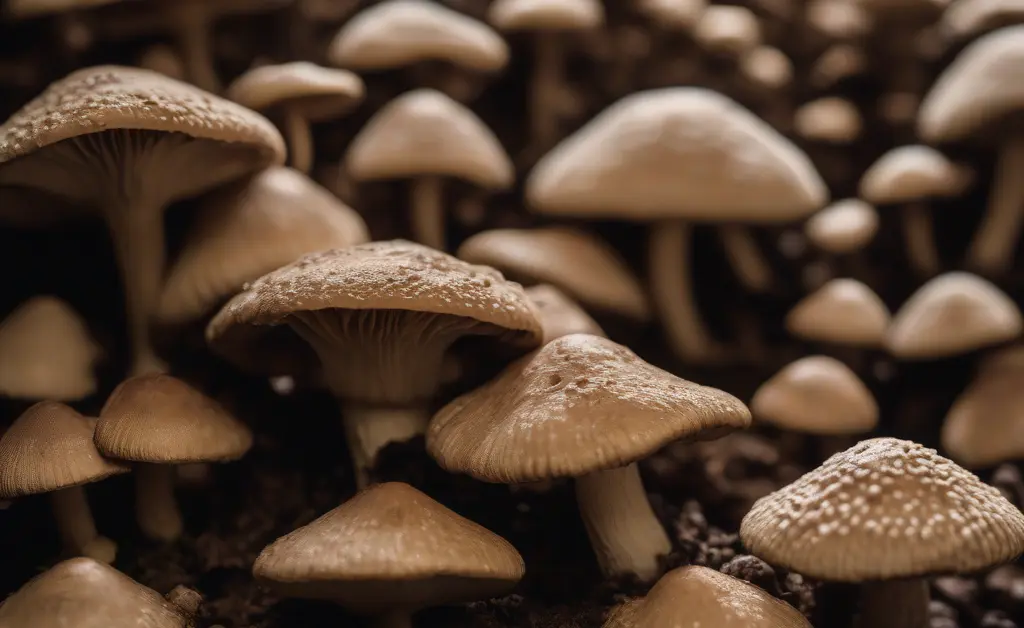
Growing portobello mushrooms successfully, whether for personal enjoyment or as part of a larger operation, depends heavily on replicating their preferred natural environment. Paying close attention to specific environmental parameters can make a significant difference in the quantity and quality of your harvest. Understanding these needs is paramount for anyone aspiring to cultivate these popular fungi. Other mushroom varieties also have specific cultivation needs; for example, learning how to grow oyster mushrooms can provide valuable insights.
Ideal Conditions for Portobello Growth
Portobello mushrooms thrive in specific environmental conditions that mimic their natural habitat. They typically prefer cooler temperatures, generally ranging between approximately 55-65°F (13-18°C) during the fruiting stage, after an initial warmer colonization period. High humidity, often above 85%, is also crucial, especially during the early stages of pinhead formation, to prevent the young mushrooms from drying out. Adequate fresh air exchange is another critical factor, as mushrooms respire and produce carbon dioxide, which can inhibit growth if allowed to accumulate.
Maintaining moisture and temperature
Precision in maintaining moisture and temperature is perhaps the most critical aspect of growing portobello mushrooms. Humidity levels can be controlled using humidifiers, misting systems, or by lining growing areas with damp materials. Substrate moisture also needs to be consistent but not waterlogged. Temperature control often involves climate-controlled rooms or choosing suitable seasonal growing times for outdoor or less regulated indoor setups. Thermostats, heaters, and cooling systems can help keep the environment within the optimal range, directly influencing the speed of growth and the size of the caps. For commercial growers, understanding the oyster mushroom yield can help in planning and forecasting. This information can be globally relevant for food production strategies, according to the WHO.
Common Pests and Diseases
Despite careful cultivation, portobello mushrooms can be susceptible to various pests and diseases that can significantly impact yield. Common pests include fungus gnats and mites, which can damage mycelium or developing mushrooms. Diseases often involve bacterial blotch, caused by excessive moisture on the caps, or green mold, which is a common competitor for substrate nutrients. Prevention is the best defense, emphasizing proper sanitation, sterilized or pasteurized substrate, and maintaining optimal environmental conditions that deter pests and pathogens while favoring mushroom growth. Early detection and isolation of affected areas are also important for management.
The Complete Guide to Growing Portobello Mushrooms at Home
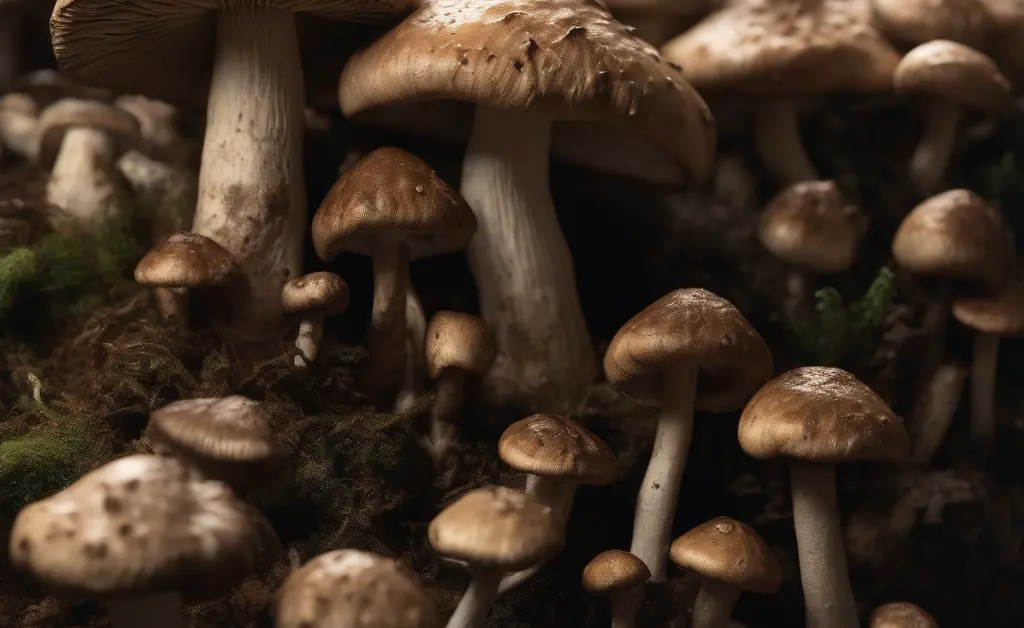
Establishing a small portobello mushroom farm in your own space can be a rewarding endeavor, offering a fresh supply of gourmet mushrooms. This section provides a complete overview for home growers, breaking down the essentials into actionable steps. From selecting the right materials to understanding the cycles of growth, this guide aims to empower home cultivators to achieve successful yields. While commercial operations require significant infrastructure, home growing can be adapted to smaller scales with simpler setups.
Portobello Mushroom Farm Setup
Careful planning is paramount when designing a new portobello mushroom farm, whether it’s a small-scale hobbyist project or a larger commercial venture. The setup involves several key considerations, including the choice of growing space, climate control systems, and the materials needed for substrate preparation and inoculation. A well-designed setup optimizes workflow, minimizes contamination risks, and ensures efficient resource utilization, directly impacting the long-term viability and productivity of the farm. Attention to detail in the initial setup phases can save considerable effort and expense down the line.
Portobello Mushroom Farming Business

Launching a portobello mushroom farm as a commercial venture requires more than just cultivation expertise; it demands a solid business plan and market understanding. Key aspects include securing funding, designing efficient production facilities, navigating regulations, and establishing distribution channels. Market research is crucial to identify demand, pricing strategies, and potential customers, which may include restaurants, farmers’ markets, or specialty grocery stores. Scaling production while maintaining quality, managing labor, and controlling operational costs are ongoing challenges for a successful commercial operation in the mushroom industry.
Cultivating portobello mushrooms offers a unique opportunity for both hobbyists and entrepreneurs to engage with a fascinating agricultural pursuit. By understanding the intricate details of their growth cycle, preparing the ideal environment, and employing diligent care, growers can achieve consistent and high-quality harvests. The journey from spore to plate is a testament to the blend of science and nature, yielding a product that enhances culinary experiences and promotes sustainable practices. As awareness of locally sourced and specialty foods continues to grow, portobello mushroom farming stands as a promising and fulfilling venture.
This article aims to inform, not to replace professional healthcare advice. The information provided here is for general knowledge and educational purposes only, and should not be considered medical advice. Always consult with a qualified healthcare professional before making any decisions related to your health or before starting any new dietary or wellness regimen. Individual results may vary, and the content is not intended to diagnose, treat, cure, or prevent any disease or health condition.
FAQ
Can I grow portobello mushrooms at home?
Growing portobello mushrooms at home is possible, though it requires specific conditions and careful management. It involves understanding the mushroom’s life cycle and providing the right environment for colonization and fruiting. Successfully cultivating them can be a rewarding experience for those interested in home mycology.
What is the best substrate for growing portobello mushrooms?
Portobello mushrooms, like other Agaricus bisporus varieties, thrive on composted organic matter. This substrate provides the necessary nutrients and structure for the mycelium to colonize and produce mushrooms. The composting process also helps to select for beneficial microorganisms while eliminating potential pathogens.
What temperature do portobello mushrooms need to grow?
The ideal temperature for growing portobello mushrooms varies depending on the stage of development. During the mycelial growth phase, a warmer temperature is generally preferred. Once the mushrooms begin to form, a cooler environment is typically more conducive to fruiting.