
Portobello Mushroom FODMAP: Your Guide to Enjoying Mushrooms on a Low FODMAP Diet
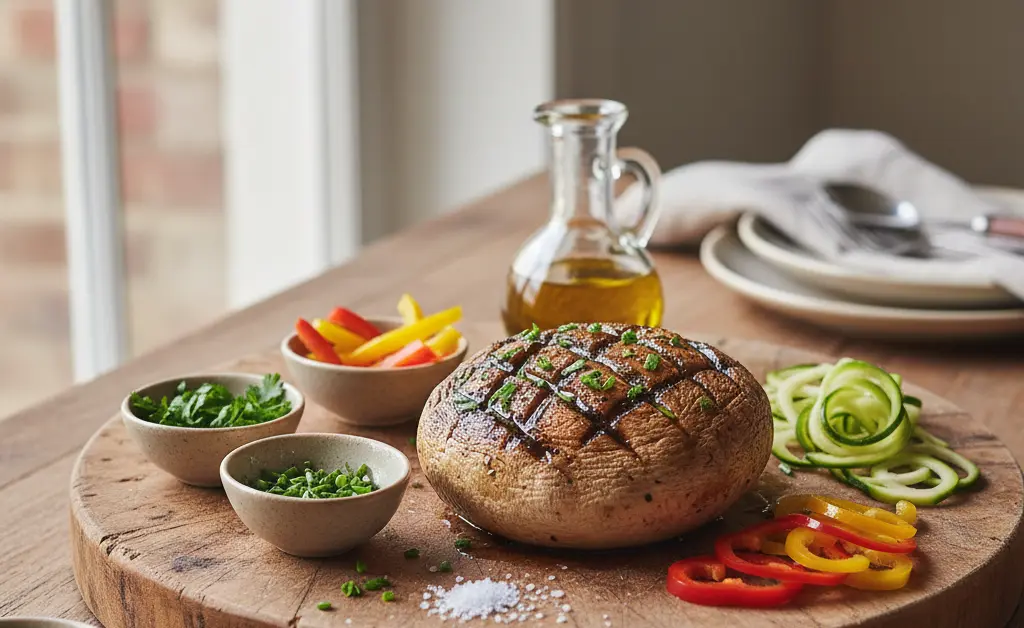
Navigating a low FODMAP diet can often feel like a culinary minefield, especially when trying to incorporate flavorful, versatile ingredients that might trigger uncomfortable digestive symptoms. The frustration of wanting to enjoy a diverse meal without the fear of bloating or distress is a common challenge for many. Mushrooms, in particular, present a complex case, with their FODMAP content varying significantly between types and even preparation methods. This uncertainty frequently leads to individuals excluding them entirely, missing out on their nutritional benefits and earthy taste. Understanding the specific FODMAP profile of popular varieties, such as the portobello mushroom fodmap status, is crucial for those managing irritable bowel syndrome (IBS) or other digestive sensitivities. This guide will clarify which mushrooms are safe, at what quantities, and how to confidently include them in your low FODMAP meal planning.
Portobello Mushrooms and the Low FODMAP Diet
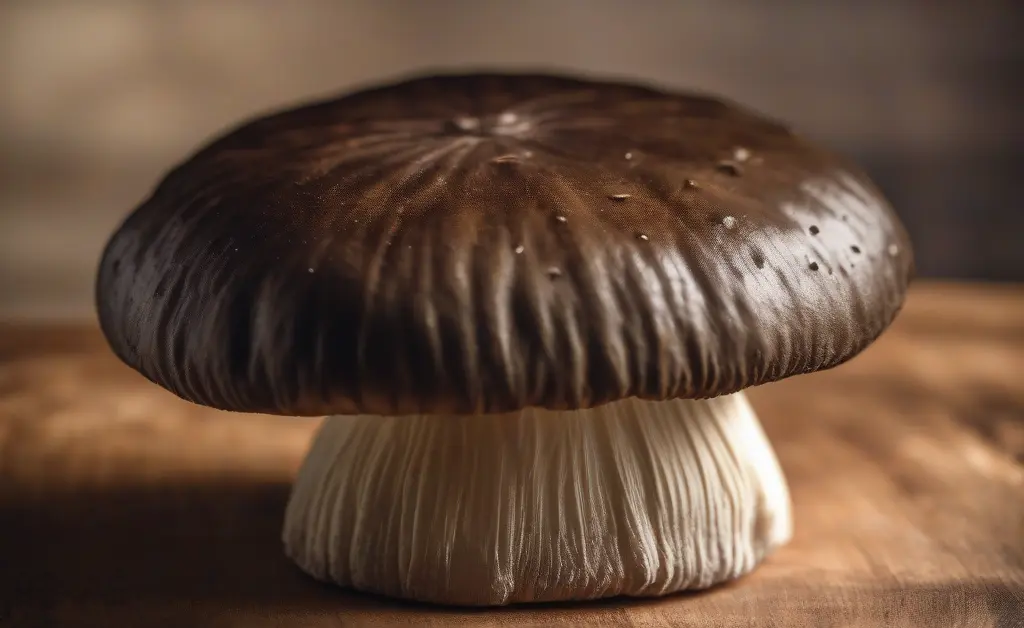
For individuals following a low FODMAP diet, understanding the specific content of various foods is paramount. Portobello mushrooms are a popular culinary choice, known for their meaty texture and rich flavor, often serving as a substitute for meat in vegetarian dishes. However, like many other fungi, their suitability for a low FODMAP diet is not always straightforward. The portobello mushroom fodmap status is primarily determined by their polyol content, particularly mannitol, which can be problematic for sensitive individuals. Careful consideration of serving sizes and preparation methods is often necessary to enjoy these versatile ingredients without digestive discomfort.
Are mushrooms low FODMAP?
The question of whether mushrooms are low FODMAP does not have a simple yes or no answer. Mushrooms are a diverse group of fungi, and their FODMAP content varies significantly by species. Many types of mushrooms naturally contain polyols, which are a class of FODMAPs. These polyols, such as mannitol and sorbitol, can be poorly absorbed in the small intestine for some individuals, leading to digestive symptoms like bloating, gas, and abdominal pain. Therefore, while some varieties may be suitable in limited amounts, others are generally considered high in FODMAPs and are best avoided or consumed with extreme caution during the elimination phase of a low FODMAP diet. For more on global health, consult the WHO.
Safe mushroom varieties for low FODMAP
Fortunately, not all mushrooms are off-limits for those on a low FODMAP diet. Certain varieties have been tested and found to contain lower levels of FODMAPs, making them suitable for consumption in moderate portions. Oyster mushrooms are generally considered a safe choice, offering a delicate flavor and texture that can be incorporated into various dishes. Canned button mushrooms, when drained thoroughly, also tend to have a lower FODMAP content compared to their fresh counterparts, as some of the water-soluble FODMAPs may leach out during the canning process. These options allow for the inclusion of earthy flavors and diverse textures in low FODMAP meal planning.
Common high FODMAP mushrooms to avoid
Conversely, several popular mushroom varieties are known for their high FODMAP content and are typically recommended to be avoided or significantly limited by individuals with IBS or FODMAP sensitivities. Fresh button mushrooms, cremini (baby bella) mushrooms, and shiitake mushrooms commonly contain higher levels of polyols, particularly mannitol. These types are prevalent in many cuisines, making it important to be aware of their FODMAP status when dining out or preparing meals at home. Consuming even small quantities of these varieties might trigger digestive symptoms in sensitive individuals.
FODMAP content in specific high FODMAP mushrooms
Delving deeper into the FODMAP content, specific high FODMAP mushrooms contain varying types and amounts of these fermentable carbohydrates. Fresh button mushrooms and cremini mushrooms are particularly high in mannitol. Shiitake mushrooms also contain mannitol but can sometimes have other FODMAPs like oligosaccharides, depending on their growth and preparation. The concentration of FODMAPs can also be influenced by factors such as the maturity of the mushroom and how it is cooked. Understanding these nuances helps in making informed decisions about which mushrooms to include or exclude from the diet.
Portobello mushrooms: Mannitol content
Portobello mushrooms, which are simply mature cremini mushrooms, naturally contain mannitol, a type of polyol. This makes their portobello mushroom FODMAP profile a consideration for anyone following a low FODMAP diet. Mannitol can contribute to digestive distress in sensitive individuals, as it is often poorly absorbed in the small intestine and can ferment in the large intestine. While they are a popular ingredient, their mannitol content means that careful portion control is essential. This characteristic is what primarily dictates their suitability for a low FODMAP meal plan, emphasizing the need for awareness regarding serving sizes. Learn more about portobello mushroom here.
Are portobellos safe in small portions?
For many foods on a low FODMAP diet, the concept of “stacking” and portion control is key, and portobello mushrooms are no exception. While portobellos contain mannitol, it may be possible for some individuals to tolerate them in very small, carefully measured portions. It is often recommended to experiment with tiny amounts during the reintroduction phase, if appropriate, to assess individual tolerance. The goal is to find one’s personal threshold without triggering symptoms. Always consider the total FODMAP load of a meal, as combining small portions of multiple “caution” foods might still lead to symptoms.
Serving sizes for low FODMAP mushrooms
When incorporating mushrooms into a low FODMAP diet, precise serving sizes are crucial. For varieties like oyster mushrooms and drained canned button mushrooms, specific low FODMAP serving sizes have been established by reputable dietary resources. Adhering to these guidelines helps to ensure that the FODMAP content remains within tolerable limits for most individuals. The portobello mushroom FODMAP guidelines also highlight the importance of careful measurement, often indicating a very small portion might be tolerated. Individuals are encouraged to consult up-to-date resources and experiment cautiously to determine their own tolerance levels for various types and quantities of mushrooms.
Navigating the world of mushrooms on a low FODMAP diet requires careful attention to detail and an understanding of specific FODMAP content. While some popular varieties, like fresh button mushrooms and portobellos, contain higher levels of polyols like mannitol, others such as oyster mushrooms and drained canned button mushrooms can be safely enjoyed in moderate portions. By understanding the FODMAP profile of different mushrooms and practicing mindful portion control, individuals can continue to enjoy the flavor and nutritional benefits of fungi without compromising their digestive comfort. Always prioritize listening to your body and consulting with a healthcare professional or registered dietitian for personalized dietary advice.
The purpose of this content is to educate, not to diagnose or treat. This information is intended for general knowledge and informational purposes only, and does not constitute medical advice. Always seek the advice of a qualified healthcare professional for any questions regarding a medical condition or treatment. Never disregard professional medical advice or delay in seeking it because of something you have read here.
FAQ
Are mushrooms low FODMAP?
Some mushrooms are considered high in FODMAPs, specifically polyols like mannitol, while others are lower in these fermentable carbohydrates. The FODMAP content can vary significantly between different types of mushrooms. This variation is why careful selection is important when following a low FODMAP diet.
Which mushrooms are safe for low FODMAP diet?
Certain mushrooms, such as shiitake and enoki, are generally considered to be low in FODMAPs and can often be included in a low FODMAP diet. These mushrooms have a lower concentration of fermentable oligo-, di-, mono-saccharides, and polyols. However, individual tolerance can still differ, and it is best to test them as part of a structured reintroduction phase.
Can I eat portobello mushrooms on a low FODMAP diet?
Portobello mushrooms are typically considered high in mannitol, a type of polyol that is a FODMAP. Therefore, they are usually avoided during the elimination phase of a low FODMAP diet. Consuming them might trigger symptoms for individuals sensitive to polyols.
What mushrooms have mannitol?
Mannitol is a sugar alcohol found in several types of mushrooms, contributing to their FODMAP content. Common examples of mushrooms known to contain significant amounts of mannitol include cauliflower mushrooms, shiitake mushrooms, and portobello mushroom varieties. This compound can cause digestive distress in sensitive individuals.