
Understanding Portobello Mushroom Nutrition
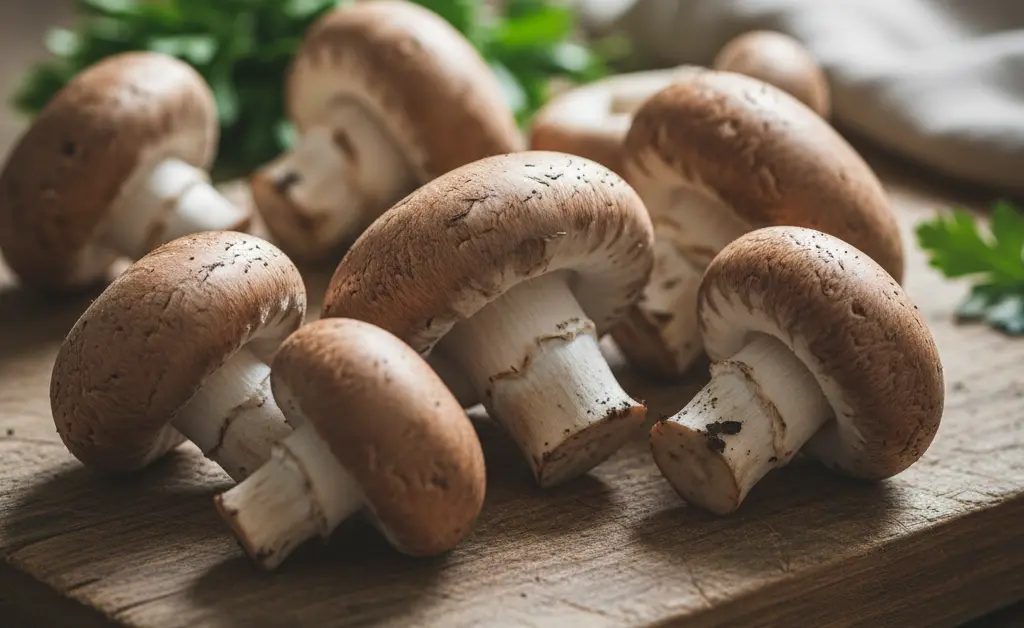
It’s a common misconception that portobello mushrooms, often celebrated for their hearty texture and ability to mimic meat, offer little beyond culinary versatility. While their robust flavor is undeniable, dismissing them as nutritionally insignificant overlooks a wealth of valuable components. In reality, these large, earthy fungi are far more than just a savory stand-in; they contribute substantially to a balanced diet. This article will delve into the comprehensive portobello mushroom nutrition profile, revealing the array of vitamins, minerals, and other beneficial compounds packed into these versatile fungi, challenging the notion that they are merely a culinary convenience. Understanding their full dietary impact can help consumers make more informed food choices, appreciating their true value.
Portobello Mushroom Nutritional Breakdown
Calories and Macronutrients
Portobello mushrooms are generally recognized for being remarkably low in calories, making them an excellent choice for those mindful of their energy intake. Despite their substantial size and satisfying texture, they contribute minimally to the caloric count of a meal. In terms of macronutrients, these fungi offer a modest amount of protein, which is noteworthy for a plant-based food, contributing to a balanced dietary approach. They are also low in fat and contain complex carbohydrates, including dietary fiber. This combination of low calories, beneficial protein, and complex carbohydrates forms a fundamental part of the overall portobello mushroom macros profile, supporting general wellness without excessive energy density.
Fiber Content
Dietary fiber is an essential component of a healthy diet, known for its various roles in supporting digestive wellness and satiety. Portobello mushrooms are a source of dietary fiber, contributing to your daily intake. This fiber content helps support a healthy digestive system and can contribute to feelings of fullness, which may be helpful for weight management. The presence of fiber is another valuable aspect of portobello mushroom nutrition, enhancing their dietary appeal beyond just their culinary applications.
Key Vitamins and Minerals in Portobellos
B Vitamins (Niacin, Riboflavin, Pantothenic Acid)
Portobello mushrooms are particularly notable for their impressive content of several B vitamins. Niacin (Vitamin B3) plays a role in energy metabolism and DNA repair. Riboflavin (Vitamin B2) is crucial for cellular function, growth, and energy production. Pantothenic acid (Vitamin B5) is involved in various metabolic processes, including the breakdown of fats and carbohydrates. These B vitamins are vital for converting food into energy and maintaining healthy nerve function, making their presence a significant contributor to portobello mushroom vitamins.
Selenium
Selenium is an essential trace mineral with several important functions in the body. It is recognized for its antioxidant properties, helping to protect cells from damage. It also plays a role in thyroid function and immune system health. Portobello mushrooms are considered a good source of selenium, making them a convenient way to help meet daily requirements for this vital mineral. The inclusion of selenium further enhances the comprehensive nutritional value these fungi offer.
Potassium
Potassium is an electrolyte that is critical for maintaining fluid balance, nerve signals, and muscle contractions. It is particularly important for heart health and blood pressure regulation. Portobello mushrooms contain potassium, contributing to the daily intake of this important mineral. Incorporating foods rich in potassium, such as portobellos, can be a supportive step toward maintaining overall bodily functions.
Copper
Copper is another trace mineral found in portobello mushrooms that plays a role in various physiological processes. It is essential for the formation of red blood cells, iron absorption, and immune function. Copper also acts as an antioxidant and is involved in energy production. Its presence in portobello mushrooms adds another layer to their diverse micronutrient profile, highlighting their potential contribution to a balanced diet.
Health Benefits Associated with Portobello Mushrooms
Antioxidant Properties
Portobello mushrooms possess various compounds that contribute to their antioxidant properties. Antioxidants are substances that may help protect cells from damage caused by free radicals, which are unstable molecules that can lead to oxidative stress. These compounds, including certain phenolic compounds and selenium, work to support cellular health throughout the body. The antioxidant capacity of these fungi is a key aspect of portobello mushroom nutrition, potentially supporting immune function and overall well-being. Regular consumption of foods rich in antioxidants, like portobellos, is often associated with a supportive dietary approach to long-term health. The Centers for Disease Control and Prevention (CDC) provides extensive information on healthy eating.
The comprehensive portobello mushroom nutrition profile underscores their value as more than just a culinary delight. From their modest calorie count and beneficial macronutrients to their rich supply of B vitamins, selenium, potassium, and copper, these fungi offer a wealth of health-supporting compounds. Their antioxidant properties further enhance their appeal, contributing to cellular protection and overall wellness. Whether used as a meat substitute, a hearty side dish, or a flavorful addition to various recipes, incorporating portobello mushrooms into your diet can be a delicious and nutritious choice, enriching your meals with essential nutrients and diverse flavors.
This article is meant for general informational use and awareness. It is not intended to provide medical advice, diagnosis, or treatment. Always consult with a qualified healthcare professional for any health concerns or before making any decisions related to your health or treatment.
FAQ
What nutrients are in portobello mushrooms?
Portobello mushrooms offer a range of essential nutrients. They are a source of B vitamins, such as niacin and riboflavin, which are important for energy metabolism. Additionally, they contain minerals like potassium and selenium, contributing to overall bodily functions.
How many calories are in a portobello mushroom?
A typical medium-sized portobello mushroom contains a low calorie count, making them a light addition to meals. This nutrient density, combined with their low caloric value, contributes to their appeal in health-conscious diets, showcasing excellent portobello mushroom nutrition. They are primarily composed of water and fiber, with minimal fat and carbohydrates.