
Your Guide to Easy and Delicious Portobello Mushroom Pizza
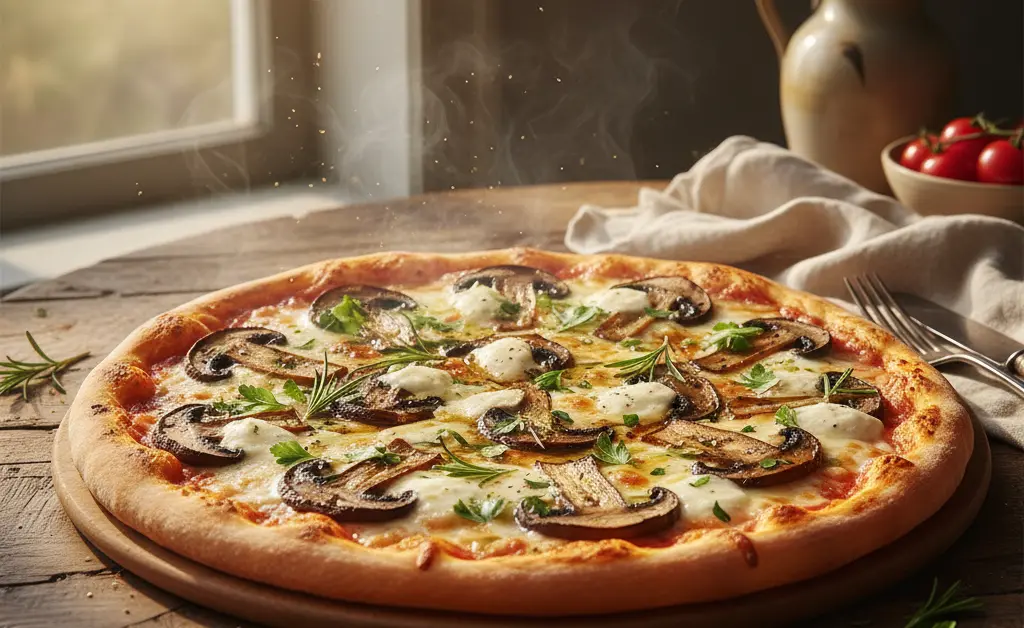
Traditional pizza often brings to mind a classic dough crust topped with various ingredients. However, for those seeking a lighter, gluten-free, or simply different culinary experience, the portobello mushroom pizza offers a compelling alternative. This innovative dish uses the large, earthy caps of portobello mushrooms as a sturdy base, much like a hearty vegetable takes the place of a tortilla in a wrap, providing a unique texture and flavor profile. It allows for all the beloved toppings and cheesy goodness of conventional pizza without the carb-heavy foundation. This comprehensive guide will walk you through everything needed to create a perfect portobello mushroom pizza, from selecting the best fungi to mastering the ideal baking techniques.
What are Portobello Mushroom Pizzas?
A portobello mushroom pizza reimagines the classic dish by substituting a traditional flour-based crust with a large, meaty portobello mushroom cap. This innovative approach creates a naturally gluten-free and often lower-carbohydrate alternative that doesn’t compromise on flavor or satisfaction. The sturdy, earthy cap of the portobello provides an excellent foundation for all your favorite pizza toppings, absorbing flavors beautifully and offering a unique textural experience. It’s a versatile dish that appeals to a wide range of dietary preferences and culinary curiosities.
Why Choose Portobellos as a Pizza Base?
Choosing portobellos as a pizza base offers several compelling advantages. Their large size and firm texture make them ideal for holding various toppings without falling apart. Beyond their structural integrity, portobellos boast a rich, umami-packed flavor that complements many classic pizza ingredients, adding depth that a conventional crust might not. From a nutritional perspective, they are naturally low in calories and carbohydrates, offering a lighter option than traditional pizza. This makes the portobello mushroom pizza an appealing choice for those looking to explore delicious, healthful alternatives. For more information on the nutritional aspects of mushrooms, consider consulting resources from the NIH.
Portobello Mushroom Pizza Recipe
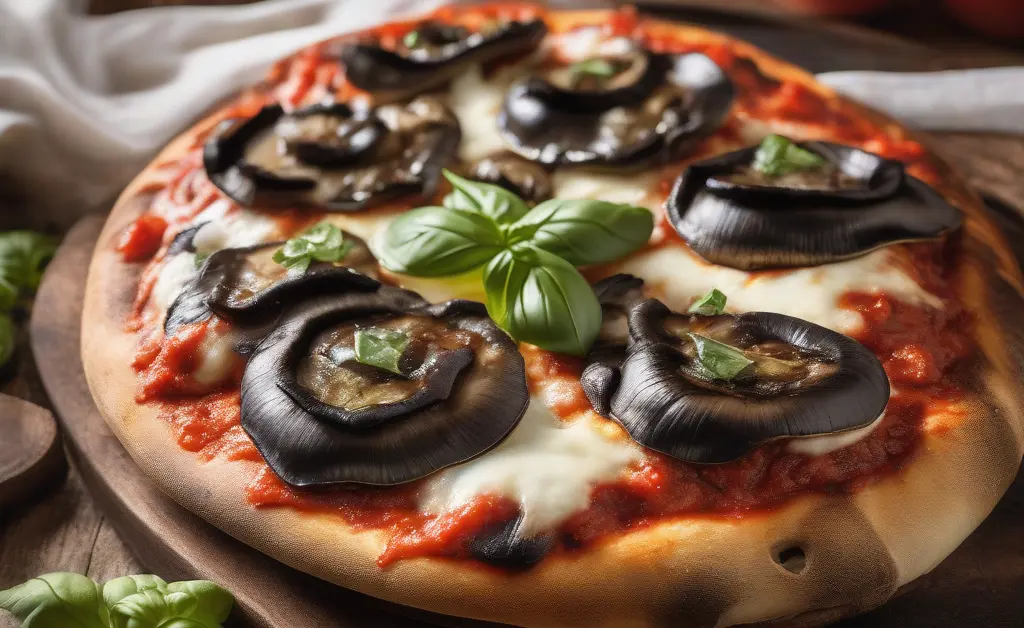
Crafting a delicious portobello mushroom pizza involves a straightforward process, combining fresh ingredients with simple cooking techniques. The key is to prepare the mushroom caps correctly to ensure they are tender yet firm enough to act as a substantial base. This recipe provides a flexible framework, allowing for customization with your preferred sauces, cheeses, and other toppings to create a personalized culinary experience.
Ingredients Needed
The core ingredients for a portobello mushroom pizza typically include large portobello mushroom caps, your choice of pizza sauce (such as marinara or pesto), and shredded cheese (mozzarella, provolone, or a blend). Beyond these essentials, you’ll want to gather your favorite toppings, which can range from various vegetables like bell peppers, onions, and spinach, to proteins such as cooked chicken, pepperoni, or plant-based crumbles. A drizzle of olive oil, a sprinkle of salt, and pepper will also enhance the overall flavor.
Step-by-Step Instructions
The general steps for creating a portobello mushroom pizza begin with preparing the mushroom caps, which often involves gently cleaning them and removing the gills if desired. Next, the caps are typically brushed or drizzled with a bit of olive oil and seasoned. Following this, a layer of sauce is spread onto each cap, followed by cheese and your chosen toppings. Finally, the prepared mushroom pizzas are baked until the cheese is melted and bubbly, and the mushrooms are tender.
Prepping the Portobellos
Proper preparation of the portobello mushrooms is crucial for the best results. Start by gently wiping the caps clean with a damp cloth to remove any dirt. You may opt to carefully scoop out the dark gills from the underside of the mushroom using a spoon. While not strictly necessary, removing the gills can help prevent the pizza from becoming too watery during baking, as they contain a significant amount of moisture. After cleaning, pat the mushrooms thoroughly dry with a paper towel. Lightly brush the caps with olive oil and season them with a pinch of salt and pepper before adding other ingredients.
Adding Toppings
When adding toppings to your portobello mushroom pizza, think about balance and not overloading the mushroom cap. Start with an even layer of your chosen sauce, being mindful not to apply too much, which could make the mushroom soggy. Next, distribute the cheese evenly over the sauce, creating a foundational layer for your other ingredients. Then, artfully arrange your selected toppings. Consider pre-cooking any vegetables that require longer cooking times, such as onions or bell peppers, to ensure they are tender when the pizza is done. For meat toppings, ensure they are already cooked.
Baking Instructions
Baking is where your portobello mushroom pizza transforms into a delicious meal. Preheat your oven to a suitable temperature, often in the medium to high range, to ensure the cheese melts effectively and the mushroom cooks through. Place the assembled mushroom pizzas on a baking sheet, ideally lined with parchment paper for easy cleanup. Bake for a duration that allows the mushroom to become tender, the cheese to melt and turn golden brown, and any toppings to heat through. Keep a close eye on them, as cooking times can vary based on oven and mushroom size.
Portobello Mushroom Pizza Toppings
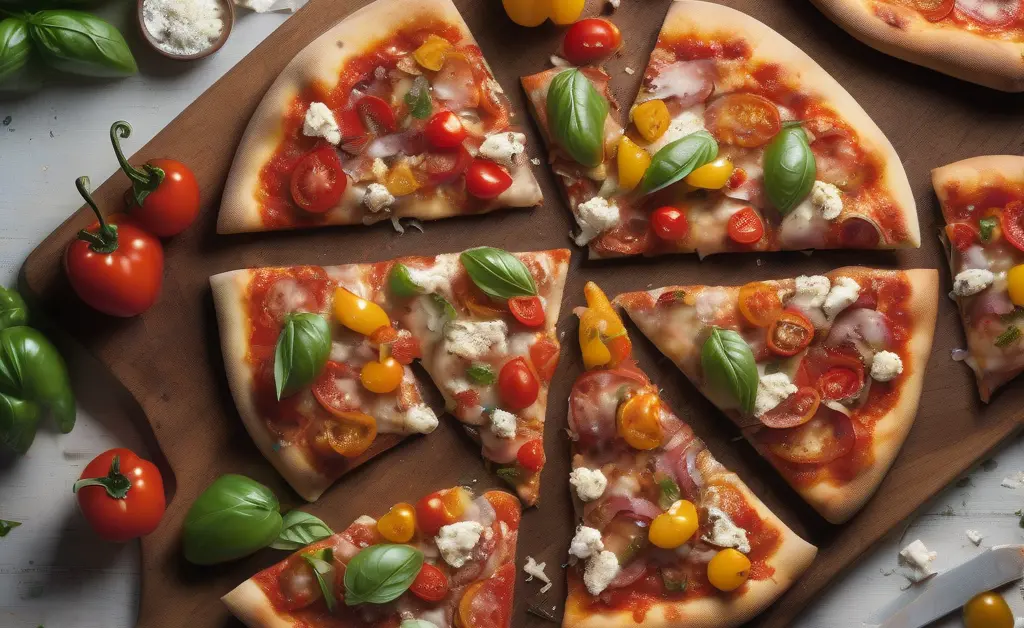
The beauty of a portobello mushroom pizza lies in its incredible versatility when it comes to toppings. Just like a traditional pizza, you can customize it to your heart’s content, exploring a wide array of flavors and textures. From classic pizza toppings to more adventurous combinations, the earthy base of the portobello provides a fantastic canvas for culinary creativity. Consider contrasting textures and complementing flavors to elevate your portobello mushroom pizza experience.
Portobello Mushroom Pizza Sauce
The sauce is a foundational element for any portobello mushroom pizza, setting the stage for the flavors to come. Classic marinara is always a popular choice, offering a bright, savory base. For a different profile, pesto can introduce a fresh, herbaceous note, while a rich alfredo sauce provides a creamy alternative. Barbecue sauce adds a smoky, tangy twist, especially good with chicken or plant-based proteins. Whichever you choose, remember to apply the sauce sparingly to avoid making the mushroom cap too wet, which could lead to a less desirable texture.
Tips for Perfect Portobello Mushroom Pizza
Achieving a perfectly cooked portobello mushroom pizza involves more than just assembling ingredients; it requires attention to detail throughout the preparation and baking process. By following a few key tips, you can ensure your mushroom pizzas are consistently delicious, with tender mushrooms and beautifully melted toppings. These techniques aim to maximize flavor and texture while minimizing common issues like sogginess.
Selecting the Best Portobellos
The foundation of any great portobello mushroom pizza is, of course, the mushroom itself. Look for large, firm portobello caps that are free from blemishes, soft spots, or excessive moisture. The gills on the underside should be intact and dark. A fresh, robust mushroom will hold up better during baking and provide a more satisfying base for your toppings. Avoid any mushrooms that appear shriveled or have a strong, off odor, as these may indicate they are past their prime.
Preventing Soggy Mushrooms
One of the most common challenges when making a portobello mushroom pizza is preventing the mushrooms from becoming watery or soggy. Portobellos naturally contain a lot of moisture. To combat this, you can gently scrape out the dark gills with a spoon, as they release a significant amount of water during cooking. Additionally, after cleaning, pat the mushrooms thoroughly dry with paper towels. Some recipes also suggest a brief pre-bake of the mushroom caps, gill-side up, for about 5-10 minutes before adding toppings, which helps to draw out excess moisture before the main bake.
Even Topping Distribution
Even topping distribution is key to a balanced and enjoyable portobello mushroom pizza. Spreading your sauce, cheese, and other ingredients uniformly across the mushroom cap ensures that every bite offers a harmonious blend of flavors and textures. Avoid piling toppings too high, as this can make the mushroom difficult to cook through evenly and can lead to a messy eating experience. A thoughtful arrangement not only tastes better but also makes for a more visually appealing dish.
Baking Temperature and Time
The ideal baking temperature and time are crucial for a successful portobello mushroom pizza. Generally, a higher heat (such as 375°F to 400°F or 190°C to 200°C) is recommended to ensure the mushroom cooks through and the cheese melts quickly without overcooking the toppings. Baking typically takes around 15-25 minutes, but this can vary depending on the size of your mushrooms, the moisture content, and the type of toppings used. The goal is a tender mushroom, bubbly golden cheese, and heated-through toppings. Monitoring closely will help prevent over or under-baking.
Variations and Substitutions
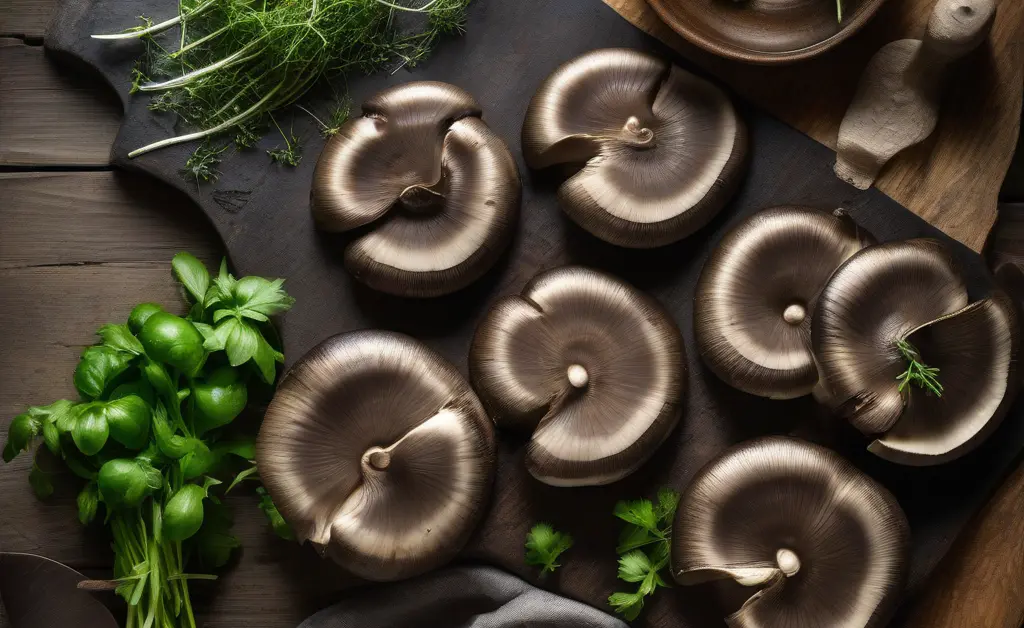
The adaptability of portobello mushroom pizza makes it an excellent candidate for various culinary experiments and dietary adjustments. Whether you’re looking to change the cooking method or explore different flavor profiles, there are numerous ways to innovate on the basic concept. These variations ensure that the dish remains exciting and can cater to diverse tastes and preferences.
Grilled Portobello Mushroom Pizza
For those who enjoy a smoky flavor and a slightly charred texture, grilling offers a fantastic alternative to oven-baking for your portobello mushroom pizza. Prepare the mushroom caps as usual, then lightly brush them with oil and pre-grill them over medium heat for a few minutes on each side until slightly tender. Remove from the grill, add your sauce, cheese, and toppings, then return them to the grill, cooking indirectly or with the lid closed until the cheese is melted and bubbly. The grilling process adds a unique depth of flavor that complements the earthiness of the portobello beautifully.
Portobello Mushroom Pizza Low Carb
The inherent nature of using portobello mushrooms as a base automatically makes this dish a fantastic low-carb option, as it naturally replaces the high-carbohydrate traditional pizza crust. To maintain the low-carb profile of your portobello mushroom pizza, focus on smart topping choices. Opt for low-carb sauces, such as sugar-free marinara or pesto, and load up on non-starchy vegetables like spinach, bell peppers, onions, and olives. Lean proteins like grilled chicken, turkey pepperoni, or vegetarian crumbles also fit well within a low-carb eating plan, ensuring a satisfying and guilt-free meal.
Portobello Mushroom Pizza Keto
For individuals following a ketogenic diet, the portobello mushroom pizza can be easily adapted to meet strict macronutrient requirements. Beyond ensuring the mushroom base replaces traditional carbs, the key to a keto-friendly version lies in selecting high-fat, low-carb toppings. Creamy cheeses, olive oil, and avocado can increase fat content. Avoid sugary sauces and starchy vegetables. Instead, choose ingredients like full-fat mozzarella, pepperoni, bacon, olives, spinach, and high-fat plant-based alternatives. Always verify that all ingredients, including sauces and processed meats, are free from hidden sugars or high-carb additives to ensure your portobello mushroom pizza remains compliant with ketogenic principles.
Portobello Mushroom Pizza Air Fryer
Cooking portobello mushroom pizza in an air fryer offers a quick and efficient method, resulting in perfectly cooked mushrooms and beautifully melted cheese with a slightly crisper edge. The air fryer’s circulating hot air helps cook the mushrooms evenly and can even contribute to preventing sogginess by promoting moisture evaporation. To prepare, assemble your portobello mushroom pizza as usual, then place it carefully in the air fryer basket, ensuring not to overcrowd it. Cook at a moderate temperature for a shorter duration than traditional oven baking, typically until the mushroom is tender and the cheese is golden and bubbly. Cooking times will vary depending on the air fryer model and mushroom size, so keep a close watch to achieve ideal results.
The portobello mushroom pizza stands out as a wonderfully versatile and flavorful dish, offering a compelling alternative to traditional pizza. Whether you’re seeking a low-carb meal, a gluten-free option, or simply a new way to enjoy a pizza night, this earthy and satisfying creation delivers. Its adaptability to various toppings, cooking methods, and dietary preferences makes it a truly inclusive culinary delight. By understanding the simple preparation techniques and embracing the rich flavors of the portobello, anyone can craft a delicious and wholesome pizza experience that is both innovative and deeply satisfying.
The information presented in this article is educational and not meant as professional medical counsel. This content is for general informational purposes only and does not offer medical advice, diagnosis, or treatment. Dietary changes, especially those related to specific health conditions or weight management, should always be discussed with a qualified healthcare professional. Readers are encouraged to consult with their doctor or a registered dietitian before making any significant changes to their diet or lifestyle.
FAQ
How do you cook portobello mushroom pizzas without them getting watery?
To prevent portobello mushroom pizzas from becoming watery, it’s beneficial to pre-cook the mushroom caps. This can be done by gently scraping out the dark gills and then roasting or sautéing them until some of their moisture has evaporated. This initial cooking step helps create a firmer base for your pizza toppings.
What temperature should portobello mushroom pizzas be baked at?
Portobello mushroom pizzas are typically baked at a moderately high temperature, around 400-425°F (200-220°C). This heat level helps to cook the toppings through and achieve a desirable texture on the mushroom cap. Baking for about 15-20 minutes, or until the cheese is melted and bubbly, is generally effective.