
Crafting the Perfect Portobello Mushroom Sauce
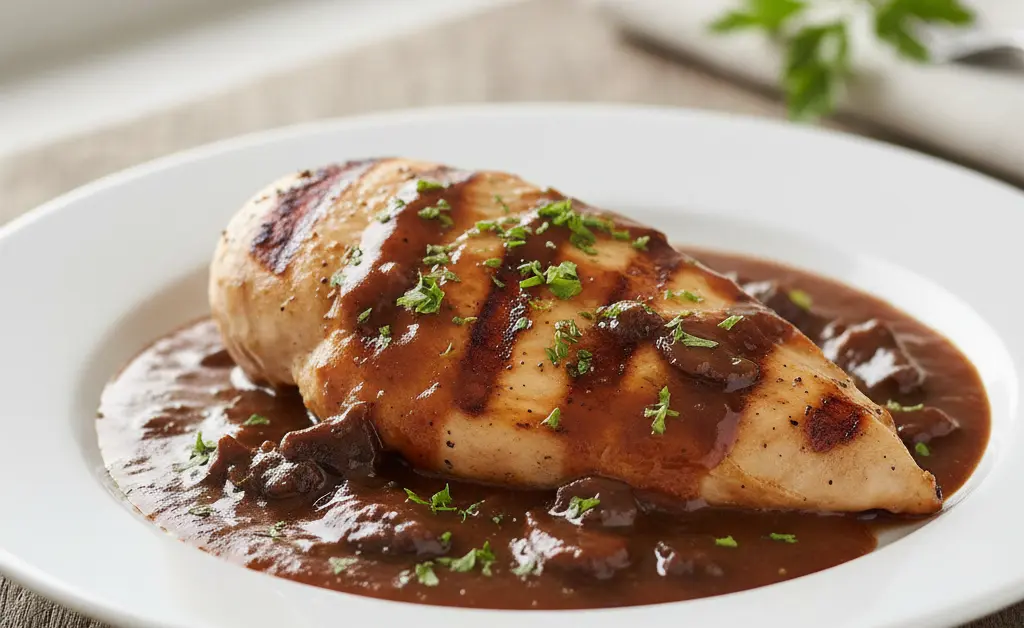
Creating a versatile and deeply flavorful sauce can significantly enhance a wide array of dishes, transforming simple meals into culinary experiences. This guide offers a comprehensive approach to mastering a rich and aromatic portobello mushroom sauce, designed to impart a gourmet touch to your favorite foods without requiring extensive culinary expertise. Understanding the nuances of sautéing, simmering, and seasoning will empower you to craft a sauce that not only complements pasta, steak, or chicken but also stands out with its robust, earthy profile. We will explore simple methods, creamy variations, and essential tips to ensure your homemade sauce consistently achieves a restaurant-quality taste, proving that impressive flavors are accessible to every home cook.
Portobello Mushroom Sauce Recipe
Developing a reliable Portobello mushroom sauce recipe is a fantastic way to elevate home cooking. These robust mushrooms, with their meaty texture and deep umami flavor, form an excellent main mushroom component for a substantial and satisfying sauce. Whether you prefer a lighter, more traditional version or a decadent creamy rendition, the foundational steps of preparing the mushrooms and building a flavorful base remain key. The aim is to extract and concentrate the rich essence of the mushrooms, creating a versatile sauce that can adapt to various culinary applications. For more information on portobello mushrooms, you can visit portobello mushroom.
Simple Portobello Mushroom Sauce
A simple Portobello mushroom sauce prioritizes the natural flavor of the mushrooms. Begin by preparing the mushrooms, cleaning them thoroughly and slicing them evenly. Sautéing them until they release their moisture and begin to brown is crucial for developing depth. Next, building the sauce base involves creating a foundational roux or simply deglazing the pan with a flavorful liquid base like vegetable or beef broth. Aromatics and seasonings such as garlic, shallots, and fresh herbs are then incorporated to enhance the overall profile. The sauce is then gently brought to a simmer, allowing the flavors to meld and the sauce to thicken slightly, resulting in a rich and earthy accompaniment.
Creamy Portobello Mushroom Sauce
For a more indulgent experience, a creamy Portobello mushroom sauce adds a luxurious texture and richness. After the initial sautéing of the mushrooms and the development of the sauce base, a creamy element is introduced. This often involves heavy cream, crème fraîche, or a plant-based cream alternative, stirred in gently at the final stages of simmering. The cream softens the robust mushroom flavors while adding a silken consistency that coats pasta beautifully or complements richer meats. Seasoning adjustments are made to ensure a balanced flavor, often with a touch of acidity from lemon juice or a splash of dry sherry to brighten the profile.
Ingredients for Portobello Mushroom Sauce
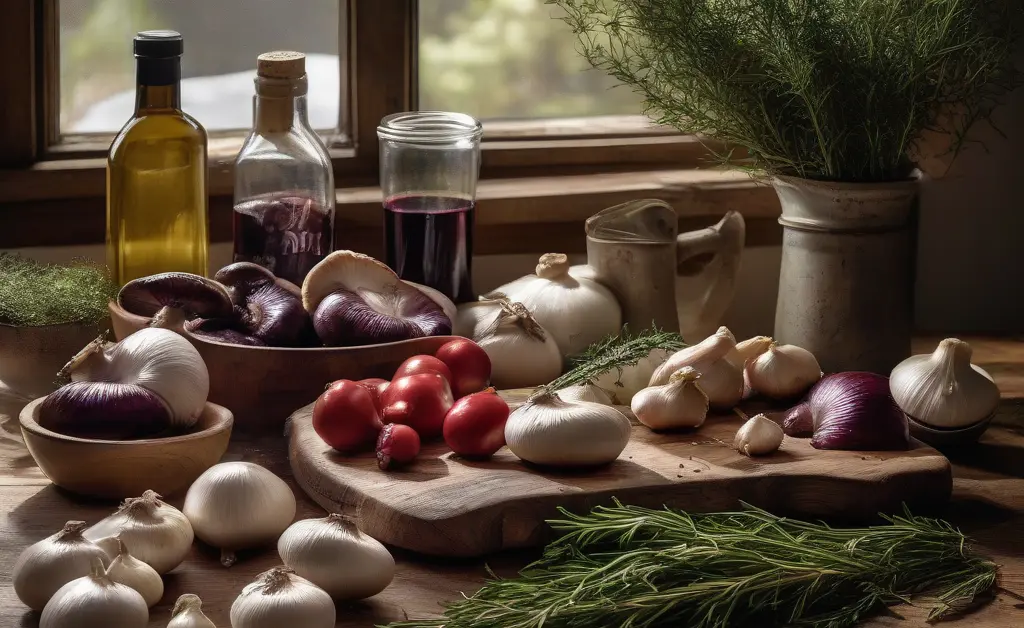
Crafting an exquisite mushroom sauce begins with selecting the right components. The main mushroom component is, of course, Portobello mushrooms, chosen for their large size, firm texture, and intense flavor. Other key ingredients typically include a flavorful liquid base, such as vegetable or beef broth, and a dry wine like sherry or red wine to deglaze and add complexity. For the creamy element, heavy cream or a dairy-free alternative is often used. Aromatics and seasonings are essential for building layers of flavor, including fresh garlic, shallots, and fresh herbs like thyme or rosemary. Olive oil or butter is used for sautéing, along with a thickening agent such as flour or cornstarch if a very robust sauce is desired. A touch of acidity, perhaps from lemon juice or a splash of balsamic vinegar, can help balance the richness.
Instructions for Making Portobello Mushroom Sauce
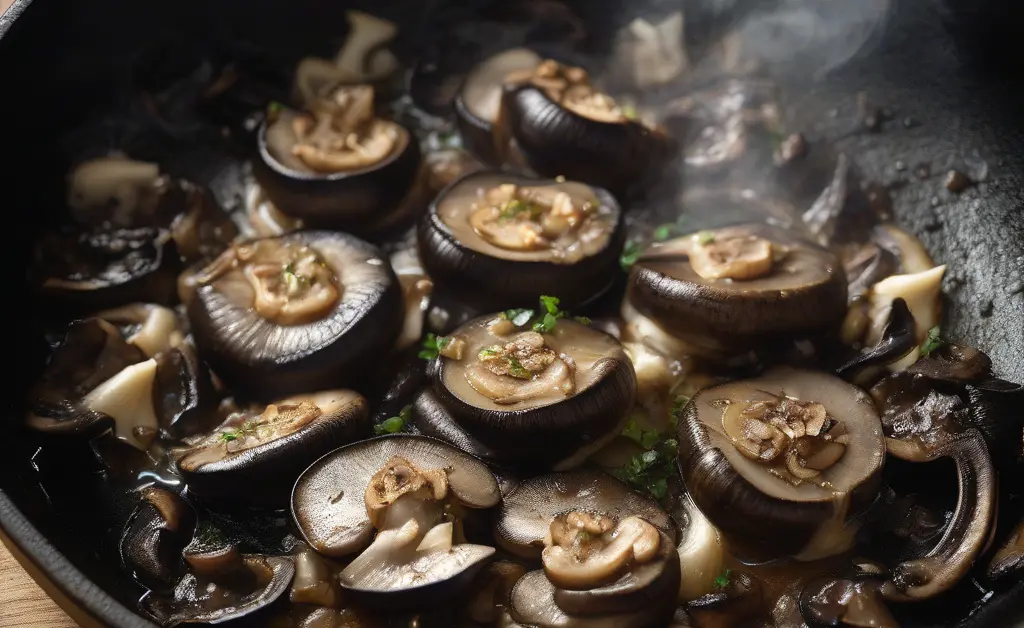
Preparing a flavorful Portobello mushroom sauce involves a few key steps to ensure optimal taste and texture. Start by preparing the mushrooms: gently wipe them clean and slice them to your desired thickness. In a pan, heat a cooking fat and add the sliced mushrooms, allowing them to cook down and release their moisture, then brown nicely to deepen their flavor. Once the mushrooms are tender and caramelized, introduce aromatics like minced garlic and finely chopped shallots, sautéing until fragrant. Next, build the sauce base by deglazing the pan with a liquid base, such as broth or wine, scraping up any browned bits from the bottom. If making a creamy Portobello mushroom sauce, incorporate the creamy element at this stage, stirring until it is well combined. Allow the sauce to come to a gentle simmer, letting it thicken naturally as it reduces, or introduce a slurry to achieve your desired consistency. Taste and adjust the seasonings, adding salt, pepper, and fresh herbs as needed before serving.
Tips for Perfect Portobello Mushroom Sauce
Achieving a truly exceptional Portobello mushroom sauce requires attention to detail and a few expert techniques. When it comes to mushroom selection and preparation, choose firm, unblemished Portobellos. Avoid washing them under running water; instead, gently wipe them with a damp cloth to retain their earthy flavor and prevent water absorption, which can hinder browning. Browning the mushrooms properly is paramount; ensure the pan isn’t overcrowded, allowing them to caramelize and develop deep umami notes. For achieving the right consistency, you can control the reduction time for a thicker sauce or add a modest amount of flour or cornstarch slurry during the simmering phase. Flavor enhancements can come from various sources: a splash of good quality Port wine or balsamic vinegar can add depth, while fresh herbs like thyme, rosemary, or parsley brightens the profile. Don’t forget to taste and adjust seasonings frequently throughout the cooking process, ensuring a perfectly balanced flavor in your Portobello mushroom sauce.
Variations on Portobello Mushroom Sauce

The versatility of Portobello mushroom sauce allows for numerous creative variations, catering to different tastes and dietary preferences. For those looking to add more texture and nutrients, incorporating other vegetables like spinach, roasted red peppers, or caramelized onions can enhance the sauce’s complexity. Herb and spice alternatives are plentiful; consider adding smoked paprika for a smoky undertone, a pinch of nutmeg for warmth in creamy versions, or a blend of Italian herbs for a classic touch. For individuals seeking dairy-free options, plant-based creams such as cashew cream or coconut milk can be used to achieve a rich, smooth consistency without compromising on flavor. Experimenting with different liquid bases, such as a mushroom stock for intensified flavor or a vegetable broth for a lighter profile, also offers new dimensions to this adaptable sauce.
Portobello Mushroom Sauce for Pasta
Portobello mushroom sauce is an ideal companion for a wide range of pasta dishes. The robust and earthy flavors of the sauce cling beautifully to broad, flat pasta shapes like fettuccine or pappardelle, creating a satisfying and comforting meal. For an enhanced experience, consider pasta pairings with fresh, homemade pasta, which absorbs the sauce wonderfully. A generous grating of Parmesan cheese and a sprinkling of fresh parsley can complete the dish, adding both sharpness and freshness.
Portobello Mushroom Sauce for Steak
When paired with steak, Portobello mushroom sauce transforms a simple cut of meat into a gourmet experience. Its deep, savory notes complement the richness of beef perfectly. This sauce can be spooned generously over grilled, pan-seared, or roasted steak, enhancing its flavor with its earthy character. Adding a touch of red wine or a hint of port to the sauce can further deepen the meat and poultry pairings, creating an elegant and memorable dish. If you are concerned about food safety, consult with the NHS.
Portobello Mushroom Sauce for Chicken
Chicken, with its milder flavor, benefits greatly from the robust intensity of Portobello mushroom sauce. Whether served over pan-seared chicken breasts, roasted chicken thighs, or even as part of a chicken casserole, the sauce adds moisture and a rich taste. The earthy mushrooms provide a delicious contrast to the chicken, making it a favorite for weeknight dinners and special occasions alike. Consider incorporating a creamy element to the sauce for an even more luxurious pairing with poultry.
Serving Suggestions for Portobello Mushroom Sauce
The adaptability of Portobello mushroom sauce makes it a fantastic addition to a myriad of dishes beyond just pasta or steak. Consider it as a luxurious topping for mashed potatoes or polenta, where its rich texture and deep flavor can truly shine. For vegetarian accompaniments, it can elevate roasted vegetables such as asparagus or green beans, or even serve as a savory gravy for lentil loaves or substantial vegetable patties. This versatile sauce also works wonderfully as a base for gourmet sandwiches or wraps, adding a hearty and flavorful dimension. Its robust profile makes it an excellent choice for enriching risottos, stews, or even as an unexpected ingredient in homemade pizzas. The possibilities for enjoying this delicious Portobello mushroom sauce are vast, allowing it to become a staple in your culinary repertoire.
Mastering the art of crafting a rich and flavorful Portobello mushroom sauce opens up a world of culinary possibilities. From its humble origins to its final, exquisite form, this versatile sauce has the power to transform everyday meals into memorable dining experiences. Whether you prefer a simple, earthy rendition or a decadent creamy version, the techniques and tips shared will empower you to create a sauce that consistently delivers gourmet taste. Embrace the robust flavors of Portobello mushrooms and elevate your dishes with this essential, adaptable sauce.
not applicable
FAQ
What are the best mushrooms to use for sauce?
Many mushroom varieties lend themselves well to sauces, each offering a unique flavor profile. Cremini mushrooms provide a mild, earthy taste and a tender texture when cooked. Shiitake mushrooms offer a more robust, umami-rich flavor that deepens the sauce considerably.
How do you thicken mushroom sauce?
A common method for thickening mushroom sauce involves creating a roux, which is a mixture of fat and flour cooked together. Another effective technique is to incorporate a slurry of cornstarch or arrowroot powder mixed with a little cold liquid, then whisked into the simmering sauce until it reaches the desired consistency.
Can you make mushroom sauce ahead of time?
Mushroom sauce can certainly be prepared in advance and is often even better the next day as the flavors meld. It stores well in an airtight container in the refrigerator for several days and can be gently reheated on the stovetop or in the microwave.
What can I use instead of port wine in mushroom sauce?
If port wine is unavailable, other rich, fortified wines like sherry or Madeira can substitute and contribute a similar depth of flavor to your mushroom sauce. For a non-alcoholic option, a good quality beef or vegetable broth, perhaps with a splash of balsamic vinegar, can offer a satisfying complexity.