
Portobello vs. White Mushroom: What’s the Difference?
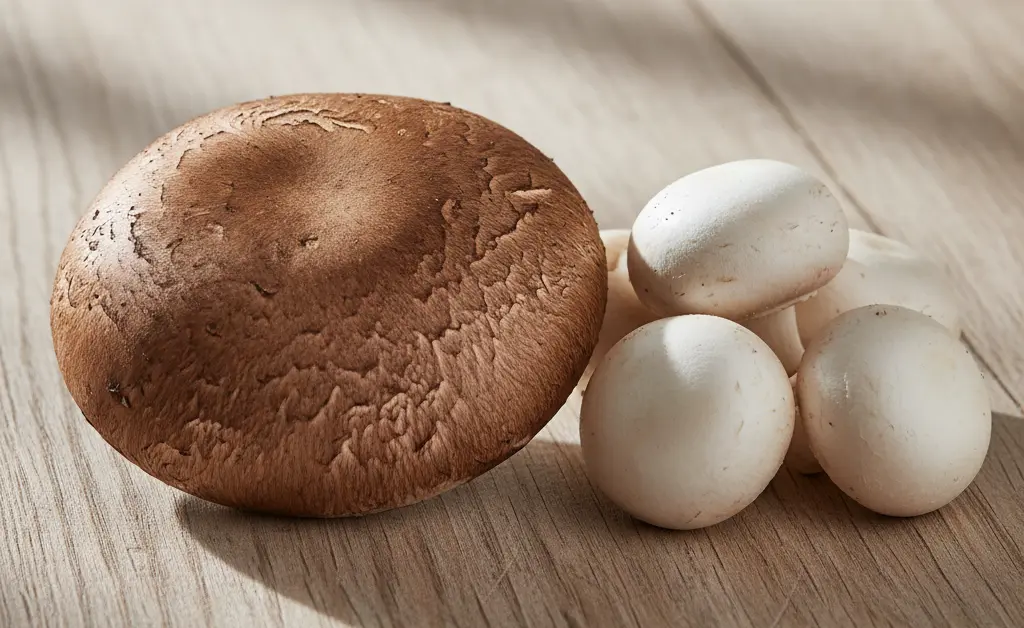
Many home cooks and diners approach portobello and white mushrooms as fundamentally different culinary components, often assuming they originate from entirely separate fungal species. However, while their distinct appearances and culinary applications certainly warrant different preparations, this perspective overlooks their surprising botanical connection. Far from being unrelated, these popular fungi are actually different growth stages of the same species, Agaricus bisporus. Understanding this shared lineage, alongside their divergent characteristics, is key to appreciating their unique contributions to cuisine. This exploration will delve into the specific attributes that set portobello mushroom vs white mushroom apart, helping to clarify their best uses and debunk common misconceptions.
Portobello Mushroom vs White Mushroom: Key Differences
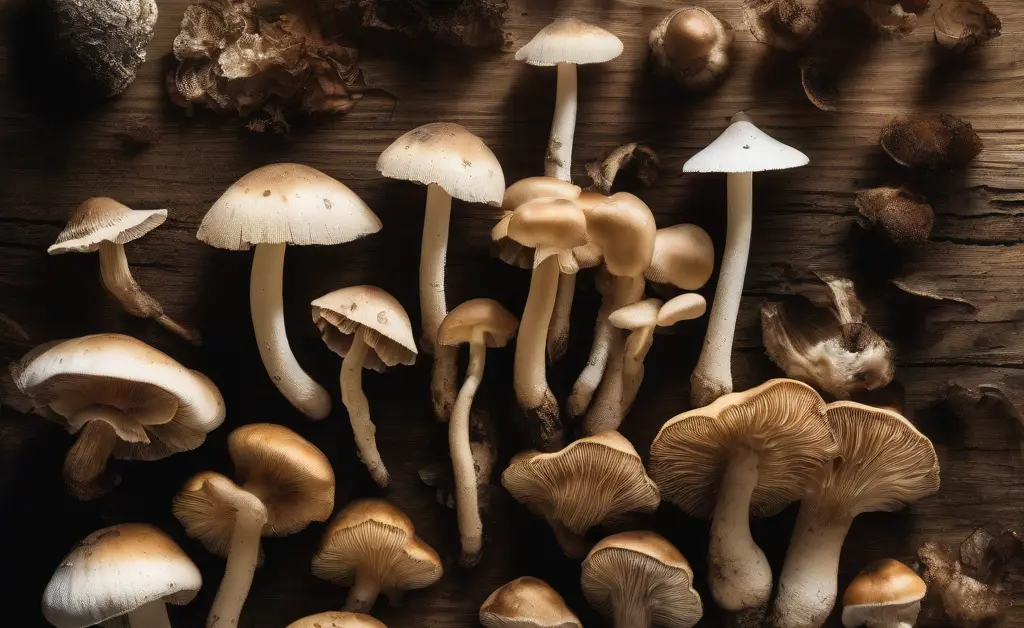
When considering the various types of edible fungi, the distinction between a portobello mushroom vs white mushroom is often a topic of culinary discussion. Despite their markedly different appearances and uses in the kitchen, these two popular fungi share a common origin: they are both members of the Agaricus bisporus species, simply representing different stages of maturity. The journey from a small, firm button mushroom to a broad, hearty portobello involves time, growth, and exposure to light, which profoundly impacts their physical and chemical properties, leading to their unique culinary roles. Learn more about the portobello mushroom vs button mushroom comparison.
Portobello vs Portabella: Is There a Difference?
Often, confusion arises regarding the spelling and nomenclature of these larger mushrooms. “Portobello” and “Portabella” refer to the exact same type of mature Agaricus bisporus. The variation in spelling is largely a matter of marketing and regional preference rather than an indication of a different variety or species. Both terms denote the fully grown, open-capped form of the mushroom, celebrated for its robust texture and flavor.
Appearance: Size, Color, and Shape
The visual contrast between white and portobello mushrooms is perhaps their most obvious differentiator. White mushrooms, also known as button mushrooms, are harvested at an early stage. They are typically small, round, and have a firm, closed cap that is pure white or off-white. Their appearance is generally uniform and unblemished. In contrast, portobello mushrooms are the mature stage of the same fungus. They are significantly larger, with a broad, flat, open cap that can measure several inches across. Their color ranges from a rich brown to a dark tan, and their gills are exposed and visibly dark underneath the cap. For a detailed look, explore the portobello mushroom vs baby bella comparison.
Texture and Mouthfeel
The stage of maturity also dictates the texture of these mushrooms. White mushrooms, being young, have a relatively delicate and tender texture. Their high water content contributes to a softer mouthfeel when cooked, making them blend seamlessly into various dishes without overpowering other ingredients. Portobello mushrooms, having matured, develop a much denser and meatier texture. Their lower water content and more fibrous structure give them a substantial, almost steak-like consistency. This robust texture allows them to hold up well to grilling, roasting, and stuffing, providing a satisfying bite.
Flavor Profile: Mild to Robust
Flavor is another key area where these mushrooms diverge. White mushrooms possess a mild, earthy, and relatively subtle flavor. They are often described as having a clean, fresh taste that readily absorbs the flavors of other ingredients they are cooked with. This versatility makes them a popular choice for a wide range of recipes where a strong mushroom taste is not desired. Portobello mushrooms, on the other hand, develop a deeper, richer, and more intense umami flavor as they mature. Their taste is more pronounced and earthy, with savory notes that stand out prominently in dishes. This robust flavor profile makes them a focal point of many culinary creations. If you are interested in other mushroom varieties, a comparison of portobello mushroom vs shiitake is also available.
Nutritional Comparison: Are There Significant Differences?
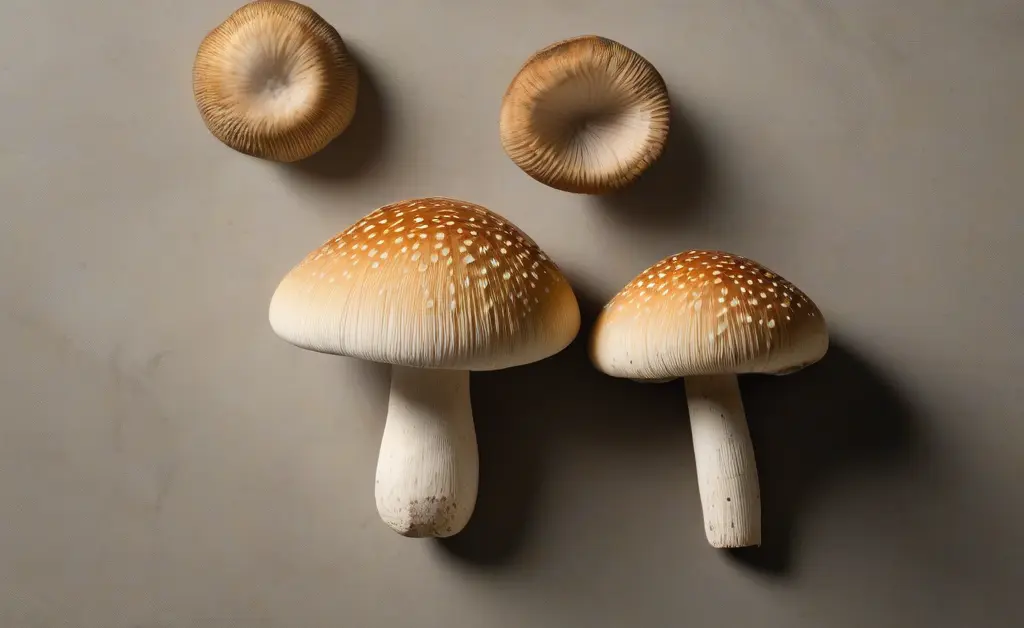
While their culinary attributes vary, the nutritional profile when considering portobello mushroom vs white mushroom remains broadly similar, reflecting their shared species. Both types of mushrooms are celebrated for being low in calories and fat, while providing beneficial nutrients that contribute to a healthy diet. The primary differences in their nutritional content often arise from concentration due to water loss as the mushroom matures, or how they are cultivated. The European Food Safety Authority provides extensive research on food safety and nutrition. EFSA is a valuable resource for this information.
Both white and portobello mushrooms are good sources of dietary fiber and contain some protein. They offer a range of B vitamins, including riboflavin, niacin, and pantothenic acid, which are important for energy metabolism. Additionally, these fungi provide essential minerals such as selenium, copper, and potassium. Some mushrooms, particularly those exposed to UV light, can also be a source of Vitamin D. While specific amounts may vary slightly between the two, both contribute positively to nutrient intake.
Best Uses for White Mushrooms
Given their mild flavor and tender texture, white mushrooms are exceptionally versatile in the kitchen. They are a staple in many cuisines and can be used in a multitude of ways. Their subtle taste makes them ideal for blending into delicate sauces, adding to light soups, or incorporating into omelets and quiches where other flavors are meant to shine. They sauté beautifully in stir-fries, provide a pleasant bite in fresh salads, and are a common addition to casseroles and pizza toppings. Their unassuming nature allows them to complement a wide array of dishes without dominating the palate.
Best Uses for Portobello Mushrooms
Portobello mushrooms, with their meaty texture and rich, umami flavor, are often treated as a centerpiece ingredient. Their large, flat caps make them an excellent choice for grilling or baking whole, often stuffed with various fillings like cheese, herbs, or breadcrumbs. They serve as a popular vegetarian alternative for burgers or steaks due to their substantial bite and savory depth. Their robust flavor holds up well in hearty dishes such as stews, thick sauces, or as a base for rich appetizers. They also add a powerful earthy dimension to pasta dishes and gourmet pizzas.
Substituting Between Mushroom Types
While white and portobello mushrooms are from the same species, substituting one for the other requires careful consideration of the desired outcome in a dish. If a recipe calls for white mushrooms and a portobello is used, the dish will likely have a much more pronounced mushroom flavor and a firmer texture, potentially overpowering more subtle ingredients. Conversely, substituting white mushrooms for portobello in a recipe that relies on the portobello’s ‘meaty’ quality might result in a less satisfying texture and a milder flavor. For best results, consider the texture and flavor profile the recipe intends. When a recipe needs a middle-ground in terms of flavor and size, cremini (baby bella) mushrooms, which are simply slightly more mature white mushrooms, often serve as an excellent compromise between the two extremes. You can learn more about the differences in a portobello mushroom vs cremini comparison.
The journey from a delicate white button mushroom to a robust portobello showcases the remarkable versatility of the Agaricus bisporus species. Though they represent different stages of growth, each offers unique attributes that cater to diverse culinary needs. Understanding these differences, from their appearance and texture to their flavor profiles, empowers home cooks and professional chefs alike to make informed choices, ensuring every dish achieves its intended taste and character. Whether seeking a subtle earthy note or a hearty, umami-rich centerpiece, both portobello and white mushrooms contribute invaluable dimensions to the world of cooking.
The purpose of this content is to educate, not to diagnose or treat. This article provides general information about mushrooms and their potential nutritional aspects. It is not intended as medical advice, nor should it replace consultation with a qualified health professional. Individual dietary needs and responses can vary.
FAQ
Are portobello and white mushrooms the same?
Portobello and white mushrooms are actually the same species, Agaricus bisporus, but are at different stages of maturity. White mushrooms, also known as button mushrooms, are harvested when young and small. Portobello mushrooms are simply mature white mushrooms that have been allowed to grow larger, developing a more robust flavor and firmer texture.
Can I substitute white mushrooms for portobello in recipes?
You can substitute white mushrooms for portobello mushrooms in many recipes, though the texture and flavor will differ. White mushrooms are more delicate and milder, while portobellos offer a meatier bite and deeper, earthier taste. Consider this difference when adjusting cooking times or seasoning for your dish.