
Portobello vs. Cremini: A Definitive Comparison
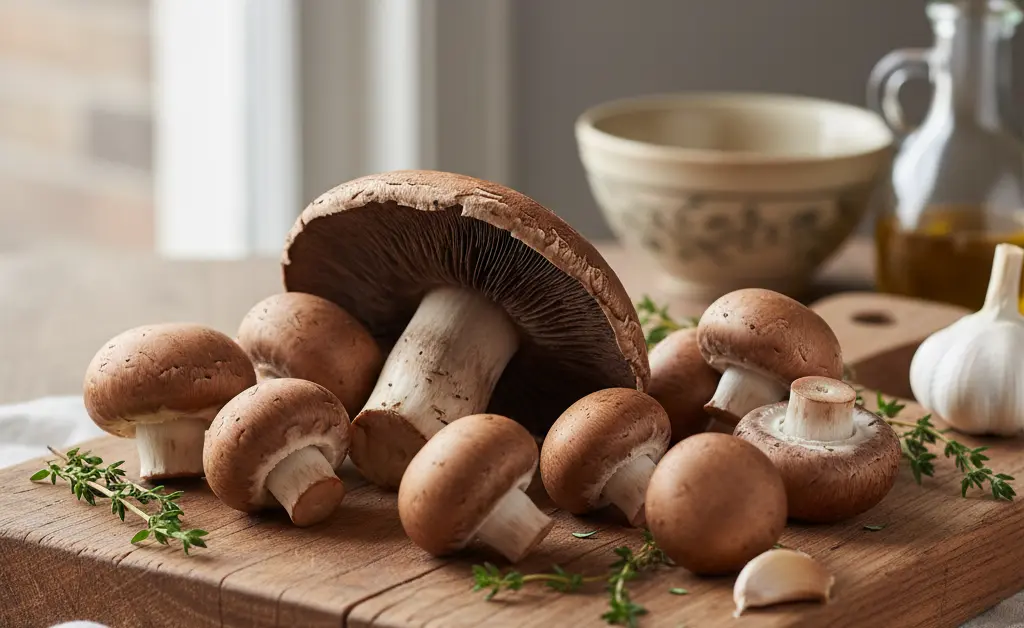
Mushrooms add a distinct earthy flavor and texture to countless dishes worldwide. Among the most popular and often confused varieties are the portobello and cremini. While they share a common origin, their apparent differences in size, texture, and common culinary uses frequently lead to questions regarding their interchangeability. This comprehensive guide aims to demystify the relationship between these two fungi, exploring their unique characteristics and shedding light on the fundamental comparison of portobello mushroom vs cremini. Understanding these distinctions can enhance cooking techniques and flavor profiles, allowing home cooks and chefs alike to make informed choices for their recipes.
Understanding Portobello and Cremini Mushrooms
To fully grasp the nuances between portobello and cremini mushrooms, it is essential to understand their shared lineage. Both are members of the species Agaricus bisporus, the most commonly cultivated mushroom globally. This species is famous for appearing in three distinct stages of maturity, each marketed under a different name: white button mushrooms, cremini mushrooms, and portobello mushrooms. Learn more about the portobello mushroom.
What are Cremini Mushrooms? Often referred to as “baby bella” mushrooms, cremini are simply immature Agaricus bisporus mushrooms harvested at an earlier stage than their larger counterparts. They possess a light to medium brown cap, a firm texture, and a more robust flavor than the milder white button mushroom. Their size makes them incredibly versatile for various cooking methods. A comparison of portobello mushroom vs baby bella highlights their developmental stages.
What are Portobello Mushrooms? These are the fully mature stage of the very same Agaricus bisporus species. Allowed to grow larger, their caps flatten and expand significantly, often reaching several inches in diameter. This extended growth allows them to develop a deeper, more pronounced earthy flavor and a dense, meaty texture, making them a popular choice for dishes where they can act as a substitute for meat.
Portobello Mushroom vs Cremini: Key Differences
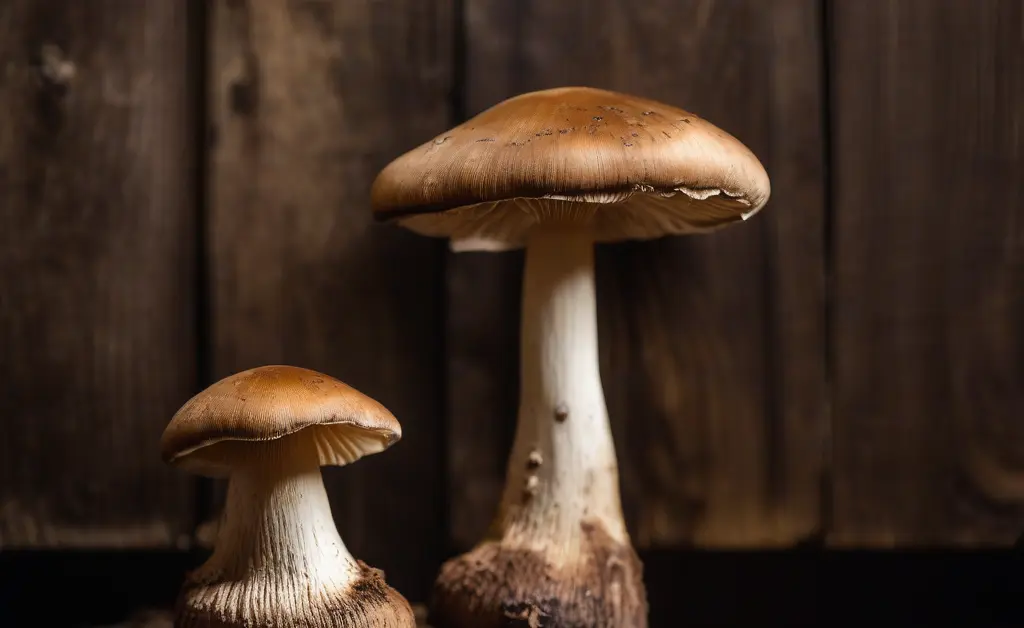
While genetically identical, the differences between portobello mushroom vs cremini are significant, primarily stemming from their stage of maturity at harvest. These distinctions impact their appearance, texture, and flavor profile, guiding their optimal culinary use. Consider the difference when comparing portobello mushroom vs white mushroom.
Texture: From Firm to Meaty
One of the most noticeable differences lies in their texture. Cremini mushrooms, being younger, have a relatively firm and compact texture. When cooked, they retain a pleasant chewiness that integrates well into various dishes. Portobello mushrooms, on the other hand, develop a much meatier and more substantial texture. Their gills are fully exposed and often darkened, and the cap itself is thicker and denser. This robust texture allows them to hold up well to grilling, baking, and stuffing, offering a hearty mouthfeel.
Flavor Profile: Earthy, Mild, and Robust
The flavor profile also varies. Cremini mushrooms offer a mild, earthy taste that is more intense than white button mushrooms but less assertive than a portobello. This balanced flavor makes them adaptable to a wide range of recipes without overpowering other ingredients. The portobello mushroom vs cremini taste comparison reveals that portobellos possess a significantly deeper, richer, and more umami-rich earthy flavor. Their prolonged growth allows for a greater concentration of aromatic compounds, making them a star ingredient when a bold mushroom flavor is desired.
Size and Maturity: The Stages of Growth
The most apparent distinction is size. Cremini mushrooms are typically 1 to 3 inches in diameter, perfect for slicing or using whole in stir-fries, soups, and sauces. Portobello mushrooms, harvested at full maturity, can range from 4 to 6 inches or even larger. This substantial size is what often leads to their use as a “steak” or burger patty, as their broad, flat caps are ideal for stuffing or grilling as a main course.
Culinary Applications
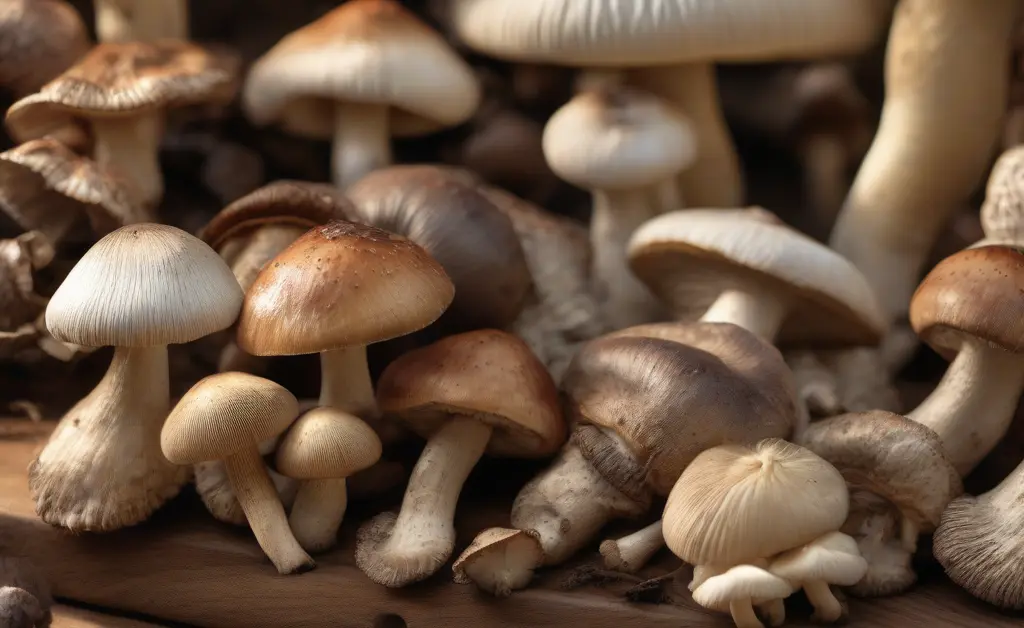
The distinct characteristics of portobello mushroom vs cremini guide their ideal culinary uses. Understanding these applications helps chefs and home cooks select the best mushroom for their desired outcome, whether for flavor, texture, or visual appeal.
Best Uses for Portobello Mushrooms
Given their large size, meaty texture, and robust flavor, portobello mushrooms excel in dishes where they can be the focal point. They are popularly grilled or roasted whole, often marinated to enhance their rich taste, and served as a vegetarian burger patty or a steak alternative. Their broad, concave caps are perfect for stuffing with grains, vegetables, and cheeses, making them an elegant appetizer or main course. They also lend a deep, savory note to hearty stews and sauces where their texture can stand up to longer cooking times.
Best Uses for Cremini Mushrooms
Cremini mushrooms, with their firmer texture and balanced earthy flavor, are incredibly versatile. They are a staple in stir-fries, omelets, and quiches. Their ability to hold their shape makes them excellent for sautéing with garlic and herbs as a side dish or adding to pasta sauces, risottos, and casseroles. They also add depth to soups and stews without overpowering other ingredients. Many classic dishes that call for “mushrooms” can often benefit from the slightly more pronounced flavor of a cremini compared to a white button mushroom.
Substituting One for the Other
While generally interchangeable in many recipes, understanding the impact of substituting one for the other is key. If you substitute portobello for cremini, be prepared for a stronger mushroom flavor and a much meatier texture, and you’ll likely need to chop them into smaller pieces. Conversely, using cremini in a dish that calls for portobello, particularly one where the portobello is a main component (like a grilled “steak”), might result in a less substantial dish with a milder flavor. For dishes where mushrooms are a minor ingredient, such as a sauce or stir-fry, the substitution is often less impactful, though the portobello mushroom vs cremini flavor will still be noticeable. Some recipes might benefit from knowing how portobellos compare to other varieties like shiitake.
Nutritional Comparison
When considering the nutritional value, it’s important to remember that both portobello and cremini mushrooms are the same species, Agaricus bisporus, just at different stages of maturity. Therefore, their fundamental nutritional profiles are quite similar, offering a range of benefits.
Common nutritional benefits
Mushrooms are generally low in calories and fat, while providing a good source of fiber. They contain various B vitamins, such as riboflavin, niacin, and pantothenic acid, which play roles in energy metabolism. Mushrooms are also a source of minerals like selenium, copper, and potassium. Some research suggests they may offer beneficial compounds, including antioxidants and certain polysaccharides. The specific concentration of these nutrients can vary slightly based on maturity, growing conditions, and preparation methods. Therefore, when comparing portobello mushroom vs cremini nutrition, you’re looking at broadly similar advantages.
Are they nutritionally different?
While the overall nutritional composition is largely consistent, there can be subtle differences. For instance, as mushrooms mature from cremini to portobello, some nutrients may become slightly more concentrated or alter in their bioavailability. However, these variations are generally minor and typically do not lead to significant dietary impacts when choosing between the two. Both types offer valuable contributions to a balanced diet, and the choice between them for nutritional reasons is often less significant than for culinary purposes. Both the portobello vs button mushroom nutrition and the cremini vs button mushroom nutrition would show a similar pattern, with minor shifts as the mushroom ages and grows.
Growing and Harvesting

The journey from a tiny spore to a fully grown portobello or cremini mushroom is a fascinating process that highlights their shared origin and the controlled environment required for their cultivation.
How are they grown?
Both cremini and portobello mushrooms are grown indoors in controlled environments, typically in large facilities specializing in mushroom cultivation. They are not grown in soil but rather on a composted substrate, often a mixture of straw, manure, and other organic materials. This substrate is carefully pasteurized to eliminate competing organisms, then inoculated with mushroom spawn (mycelium). The mycelium colonizes the substrate, eventually producing the fruiting bodies we recognize as mushrooms. This precise control over temperature, humidity, and carbon dioxide levels is crucial for optimal growth and yield.
When are they harvested?
The harvesting time is the critical factor that determines whether a mushroom becomes a cremini or a portobello. Cremini mushrooms are harvested when they are still relatively young and small, with their caps partially closed or just beginning to open. This typically occurs several weeks after the initial pinhead formation. If these same mushrooms are left to continue growing, their caps will expand and flatten, their gills will darken, and they will develop into what we know as portobello mushrooms. They are harvested at this fully mature stage to achieve their characteristic large size, dense texture, and robust flavor. The stages of growth from a small button to a cremini and finally to a portobello are sequential points in the lifecycle of the same fungal organism.
In conclusion, the perceived rivalry between portobello and cremini mushrooms is, in essence, a tale of two life stages of the same remarkable fungus. While they share a common genetic blueprint, their differences in maturity at harvest endow them with unique characteristics. Cremini offer versatility and a balanced earthy flavor, ideal for integrating into a myriad of dishes. Portobellos, with their formidable size and meaty texture, command attention as a centerpiece, providing a robust flavor that can stand alone. Understanding these distinctions allows for intentional and delicious culinary choices, ensuring that whether you choose the young or the mature, you are harnessing the full potential of the Agaricus bisporus mushroom.
This material is shared for educational insight, not for clinical decision-making. The information provided is intended to offer a general understanding of mushroom characteristics and their general use in cuisine. It is not a substitute for professional nutritional advice or medical consultation. For specific dietary concerns or health conditions, please consult with a qualified healthcare professional or registered dietitian. You can find more health information at the NHS.
FAQ
What is the difference between cremini and portobello mushrooms?
Cremini and portobello mushrooms are actually the same species, but they are harvested at different stages of maturity. Cremini mushrooms are younger, smaller, and have a firmer texture and milder flavor. Portobellos are fully mature, larger, and have a more complex, meaty taste and softer texture.
Are portobello and cremini mushrooms the same?
Yes, portobello and cremini mushrooms are the same species, botanically known as Agaricus bisporus. The difference lies solely in their age and how they are cultivated and harvested.
What is a portobello mushroom equivalent to?
A portobello mushroom is essentially a fully grown cremini mushroom. If you need a substitute for a portobello in a recipe, another fully grown portobello would be the most direct equivalent.
Are cremini mushrooms baby portobellos?
It is accurate to say that cremini mushrooms are immature portobellos. As cremini mushrooms continue to mature and grow, they develop into the larger, flatter form we recognize as a portobello.