
A Forager’s Guide to Edible Puffball Mushrooms
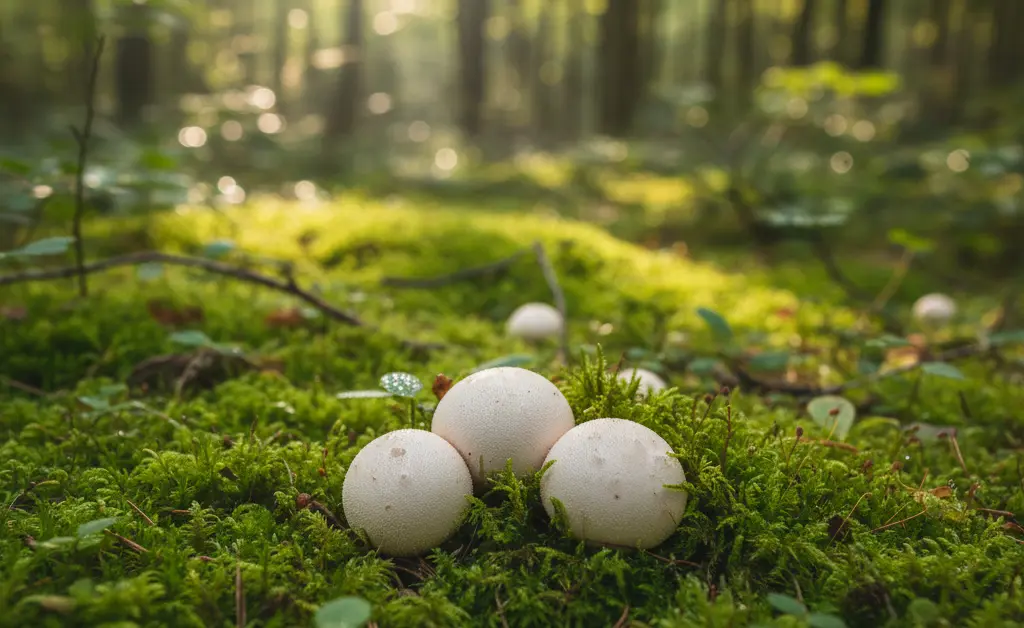
Imagine you’re out for a walk in the woods, or perhaps tending your garden, and you stumble upon a curious, spherical fungus that looks strikingly like a puffball. Your immediate thought might be, “Is this safe to eat?” For many nature enthusiasts and culinary adventurers, identifying wild edibles is both an exciting challenge and a crucial skill. This guide delves into the fascinating world of puffball mushrooms, offering essential insights for safe foraging and delicious preparation. We will explore how to confidently identify these unique fungi, distinguishing between edible varieties and their potentially harmful lookalikes. Understanding which puffball mushroom edible varieties are safe is paramount for enjoying this natural bounty.
Are All Puffballs Edible?
The world of fungi is vast and complex, and while many puffball varieties are indeed edible, it’s a common misconception that all spherical fungi found in nature are safe to consume. The term “puffball” generally refers to a group of fungi characterized by a round or pear-shaped fruiting body that releases spores through an apical pore or by the breaking down of the outer skin. While many true puffballs are considered a culinary delight, particularly when young and firm, crucial distinctions must be made. Incorrect identification can lead to consuming poisonous lookalikes, which may result in severe illness. Therefore, proper identification is not just recommended but absolutely essential before considering any puffball mushroom edible.
Giant puffball mushroom edible
The giant puffball mushroom, scientifically known as Calvatia gigantea, is one of the most sought-after edible fungi. Its impressive size, often resembling a large soccer ball, makes it relatively easy to spot. These puffballs are typically found in meadows, fields, and open woodlands, especially after periods of rain. A key characteristic that confirms a giant puffball mushroom edible status is when its interior is uniformly pure white and firm. If the interior shows any signs of yellowing, browning, or has a purple tint, it is past its prime and should not be eaten. Furthermore, a critical identification step for any giant puffball is to slice it open to ensure it does not contain the internal structures of a developing gill mushroom, which could be a poisonous look-alike. Learn more about puffball mushroom identification.
Puffball mushroom edible raw
While some adventurous foragers might consider consuming certain wild mushrooms raw, it is generally advised not to eat any puffball mushroom edible raw. Cooking wild mushrooms, including puffballs, serves several important purposes. It can help break down certain compounds that might be difficult to digest for some individuals, improve texture, and enhance flavor. More importantly, cooking helps eliminate any potential parasites or bacteria that might be present on the surface or within the mushroom, reducing the risk of digestive upset or other issues. Therefore, even for varieties confirmed as safe, thorough cooking is a recommended practice to ensure safety and palatability.
Identifying Edible Puffball Mushrooms
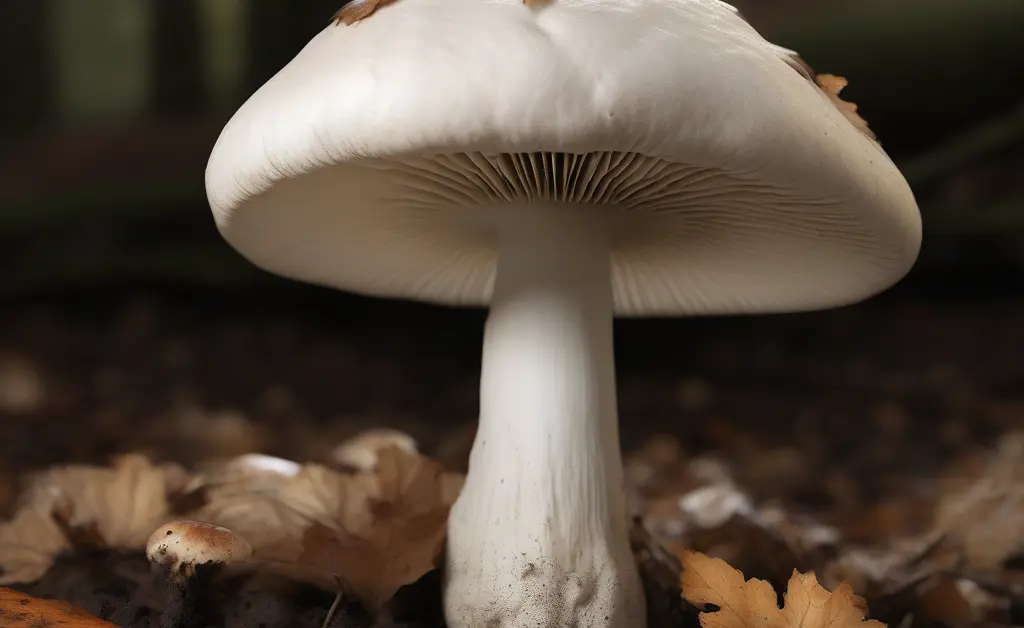
Accurate identification is the cornerstone of safe foraging, especially when it comes to distinguishing a safe puffball mushroom edible from a potentially harmful one. Several characteristics of puffball mushrooms can help with this process. Edible puffballs, such as the giant puffball (Calvatia gigantea) or common puffball (Lycoperdon perlatum), share some key identification features. They are generally round or pear-shaped, lack a distinct cap and stem, and grow directly from the ground or decaying wood. When young, their flesh is uniformly pure white, firm, and homogenous, with no internal gills or darkened spores. Always slice a puffball mushroom to cut in half to check its interior.
A crucial step in identifying an edible puffball is to always slice it open from top to bottom. This reveals the internal structure. If you see any signs of a developing mushroom cap, gills, or a stem structure inside, it is not a true puffball and could be a button stage of a poisonous mushroom, such as an Amanita. These are often referred to as puffball mushroom poisonous look-alikes. Learn how to differentiate between a puffball mushroom vs amanita. Any puffball that is discolored (yellow, brown, or purplish inside) or soft and mushy should also be avoided, as it indicates the mushroom is past its prime or sporulating. Where to find puffballs often varies by species, but many prefer open woodlands, meadows, and grassy areas. When to harvest puffballs is typically after rain when they are young and firm. The importance of correct identification cannot be overstated; if in doubt, always err on the side of caution and discard the mushroom.
How to Cook Puffball Mushrooms
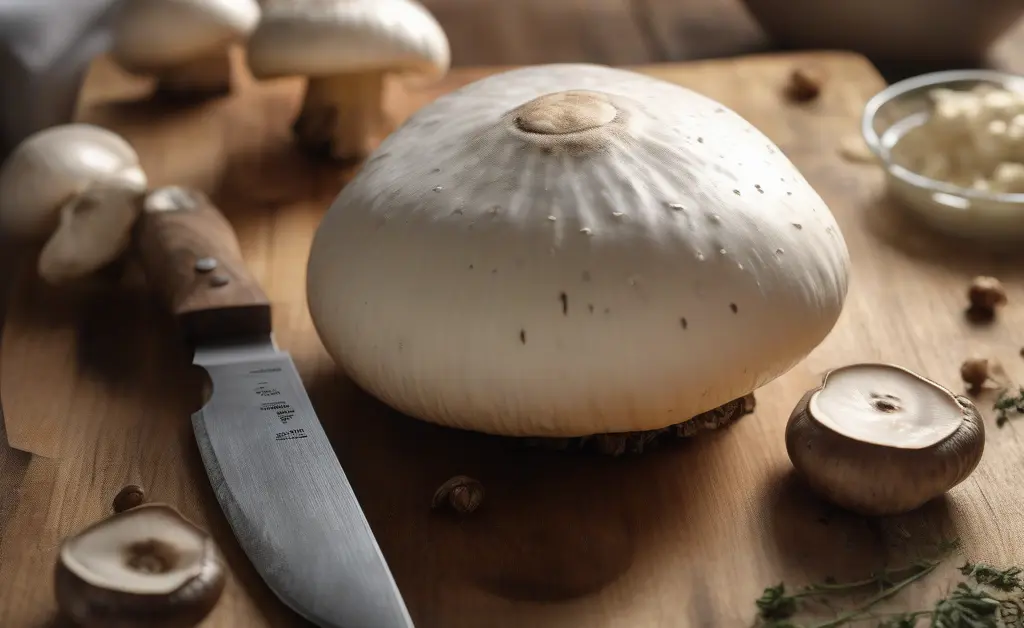
Once you’ve confidently identified a puffball mushroom edible for consumption, the next step is to prepare and cook it to unlock its unique flavor and texture. Puffballs have a mild, earthy taste and a firm, almost tofu-like texture when cooked, making them a versatile ingredient in many dishes. Proper handling from foraging to plate ensures both safety and culinary enjoyment.
Preparation and Cleaning
Before cooking, the puffball mushroom edible specimen needs to be cleaned and prepared. Begin by gently wiping the exterior with a damp cloth to remove any dirt or debris. Avoid rinsing under running water, as puffballs can absorb a lot of moisture and become soggy. If the outer skin is tough or blemished, it can be peeled away, though often the skin of young, firm puffballs is tender enough to be left on. Always slice the puffball open from top to bottom to re-verify that the interior is uniformly pure white and free of any developing gills or discoloration. Any yellowing, browning, or soft spots indicate it’s no longer suitable for eating and should be discarded. Once verified, the pure white flesh can be cut into slices, cubes, or strips depending on your intended recipe.
Simple Cooking Methods
Puffball mushrooms adapt well to various simple cooking methods that highlight their mild flavor and firm texture. Sautéing is a popular choice; slices or cubes can be cooked in butter or olive oil until golden brown, perhaps with a touch of garlic and herbs. They can also be grilled, brushed with oil and seasonings, and cooked until tender with a slightly smoky char. Frying is another common method, where puffball slices are often breaded or battered before being pan-fried to a crisp, golden finish, creating a delicious, substantial dish. Roasting puffball pieces with other vegetables can also be an excellent way to concentrate their flavor and achieve a pleasant texture.
Recipe Ideas
The versatility of puffball mushrooms opens up a world of culinary possibilities. They can serve as a meat substitute due to their firm texture. Consider using puffball slices in stir-fries, adding them to pasta dishes for an earthy depth, or incorporating them into omelets and frittatas. Their mild flavor makes them an excellent base for absorbing other seasonings. For a hearty meal, breaded and fried puffball steaks can be a delightful vegetarian option, resembling a cutlet. Some common puffball mushroom recipes also involve dicing them into soups or stews, where they add substance and a subtle umami note. Experimenting with different spices and cooking techniques will help you discover your favorite ways to enjoy this unique fungus.
Puffball mushroom recipes
Many puffball mushroom recipes highlight the mushroom’s adaptability and mild flavor. Beyond simple sautéing, puffballs can be transformed into diverse and delicious meals. For instance, they make an excellent base for vegetarian “steaks” when sliced thick, breaded, and pan-fried. Their absorbent nature also allows them to take on the flavors of marinades, making them suitable for grilling or baking. You can chop them finely and add them to stuffings for poultry or vegetables, or blend them into creamy soups. For a creative twist, some recipes even suggest using them as a gluten-free pizza crust alternative after par-baking thick slices. The key is to treat them as a blank canvas, allowing other ingredients to shine while the puffball provides a satisfying texture and subtle earthy undertone.
Potential Risks and Considerations
Even with careful identification, consuming any wild mushroom, including a puffball mushroom edible, carries certain potential risks and considerations. It is paramount to approach foraging with caution and a thorough understanding of these factors to ensure safety. Beyond misidentification, other issues can arise that affect health.
One of the most critical risks is what happens if you eat a poisonous puffball mushroom look-alike. In the early button stage, some highly toxic mushrooms, like certain Amanita species, can resemble puffballs. Ingesting these can lead to severe gastrointestinal distress, organ damage, or even be fatal. This underscores the absolute necessity of slicing every puffball open to ensure no hidden gills or stem structures are present. If you are unsure about identification, it’s best to consult reliable health information sources, such as the NHS.
Additionally, individuals may experience Allergies and Sensitivities to edible mushrooms, including puffballs, even if correctly identified and cooked. Symptoms can range from mild digestive upset to more severe allergic reactions. It is always wise to consume a small amount first when trying a new wild mushroom to gauge your body’s reaction. Parasites and Contamination are also possibilities. Wild mushrooms grow in natural environments and can be exposed to various microorganisms, pollutants, or animal waste. Proper cleaning and thorough cooking are essential steps to mitigate these risks. Finally, even correctly identified and prepared puffballs can cause Digestive Issues for some individuals, particularly if consumed in large quantities or if their digestive system is sensitive to the fungal fiber. Always consume wild mushrooms in moderation and ensure they are fresh and properly stored.
While a puffball mushroom edible can be a rewarding culinary find, diligent attention to identification, preparation, and personal sensitivity is always recommended.
While this article discusses health-related topics, it does not provide medical guidance. The information presented here is for general knowledge and informational purposes only, and does not constitute professional medical advice. Always consult with a qualified healthcare professional before making any decisions about your health or treatment. Reliance on any information provided in this article is solely at your own risk.
FAQ
How do you know if a puffball mushroom is edible?
Edible puffball mushrooms are solid white and firm throughout when cut vertically. If there is any indication of a cap, stem, or gills, or if the interior shows any color other than white, it is not an edible puffball.
Can you eat any puffball mushroom?
Not all puffball mushrooms are edible, as some can be toxic or unpalatable. It is crucial to correctly identify puffball mushrooms before considering consumption to avoid potential adverse reactions.
What does an edible puffball mushroom look like?
An edible puffball mushroom typically appears as a round or irregular-shaped sphere with no distinct stem or cap. Its exterior is usually smooth or slightly textured, and the crucial distinguishing feature is a uniformly white interior when sliced.
How to prepare puffball mushrooms for eating?
Before preparation, ensure the puffball mushroom is firm and solid white throughout, confirming it is an edible variety. After removing any dirt, it can be sliced or cubed and then cooked using methods like sautéing, frying, or baking.
Continue reading
You May Also Like
A Forager's Guide to Edible Alaskan Mushrooms
This guide helps you safely identify the most common edible mushrooms Alaska has to offer, from foraging best practices to cooking and storage.
A Forager's Guide to Australian Edible Mushrooms
This guide to edible mushrooms in Australia details key identification features, safe foraging practices, and common local species to look for.
A Forager’s Guide to Edible Mushrooms in California
Our expert guide covers the most common edible mushrooms California has to offer, with detailed identification tips and responsible foraging…