
Finding the Ideal Puffball Mushroom Habitat
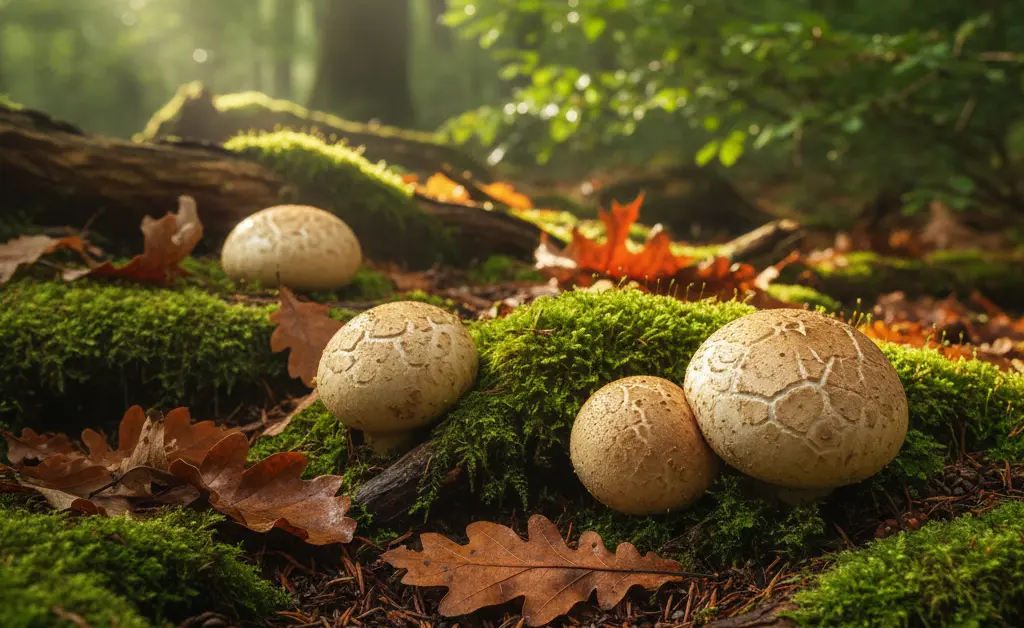
Understanding the specific environmental conditions where puffball mushrooms thrive can significantly enhance foraging success and general ecological knowledge. These unique fungi, prized by many for their culinary attributes, do not grow indiscriminately. Their presence is closely linked to particular environmental factors, ranging from soil composition to moisture levels and surrounding vegetation. By learning about the optimal puffball mushroom habitat, enthusiasts and researchers alike can efficiently pinpoint locations where these specimens are most likely to flourish. This knowledge is crucial for sustainable harvesting and simply appreciating their role within various ecosystems. Exploring these specific conditions provides a practical guide for anyone interested in discovering these fascinating organisms in their natural settings.
Puffball Mushroom Habitat
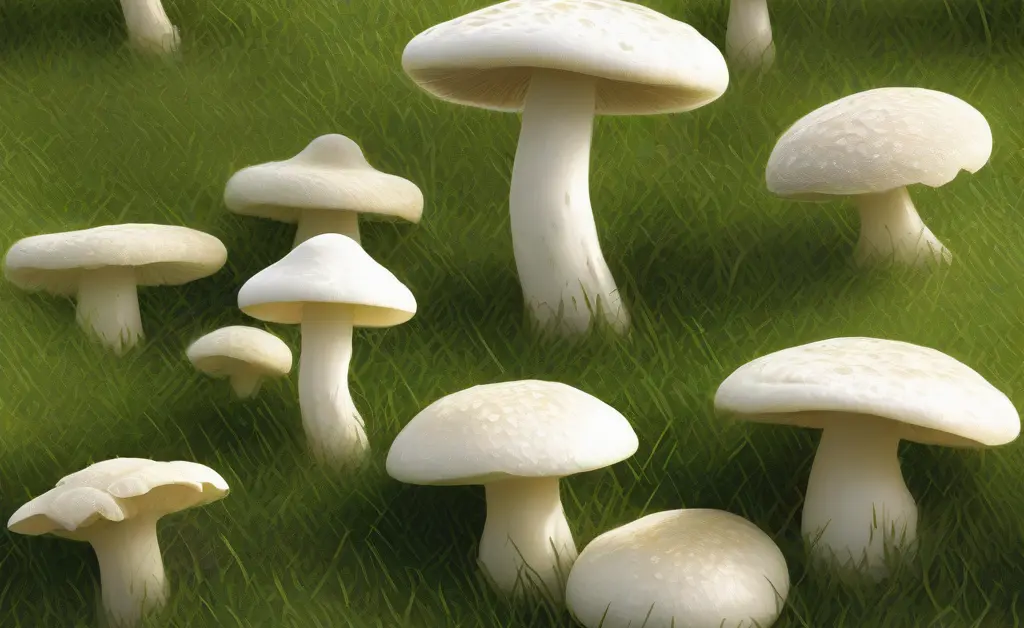
Identifying the ideal puffball mushroom habitat involves understanding a combination of environmental factors that contribute to their growth. Puffballs, including species like the Giant Puffball (Calvatia gigantea), are saprophytic fungi, meaning they obtain nutrients from decaying organic matter. This dependency dictates much about where they choose to establish themselves. Their prevalence is often a good indicator of a healthy, biodiverse ecosystem rich in the necessary organic material and specific climatic conditions. Knowledge of these preferred conditions is key to successfully locating these interesting fungi.
Soil Types and Nutrient Needs
Puffball mushrooms generally favor rich, well-drained soils that are abundant in organic matter. Loamy soils, which offer a balanced mix of sand, silt, and clay, often provide the ideal texture for proper aeration and moisture retention. These fungi do not typically grow in overly sandy or heavy clay soils. They thrive in environments where there is a consistent supply of decaying plant material, such as fallen leaves, wood debris, or compost. This organic content breaks down, releasing the essential nutrients that puffballs absorb to fuel their growth. A slightly acidic to neutral pH range is also commonly associated with their preferred growing conditions.
Sunlight and Moisture Requirements
While puffball mushrooms do not perform photosynthesis, sunlight indirectly influences their habitat by affecting soil temperature and moisture levels. Many puffball species prefer areas with partial shade, such as the edges of woodlands or beneath deciduous trees, where they are protected from direct, intense sunlight that could dry out their substrate. Consistent moisture is crucial for puffball development. They require damp, but not waterlogged, conditions. Prolonged periods of drought or excessive rainfall can negatively impact their growth. Areas with good drainage that retain some moisture, like those near natural water sources or in sheltered depressions, often provide suitable conditions.
Geographic Distribution
Puffball mushrooms exhibit a wide geographic distribution, being found across various continents in temperate and subtropical regions. Their presence is largely determined by the availability of suitable climates and habitats. They are common in North America, Europe, and parts of Asia, frequently appearing in areas with distinct seasons that provide the necessary warmth and moisture during their growing periods. While specific species may have more localized ranges, the general adaptability of puffballs to diverse environments contributes to their widespread occurrence wherever appropriate organic substrates are available.
Seasonal Availability
The primary season for finding puffball mushrooms is typically late summer through fall. During these months, temperatures are usually moderate, and rainfall is often sufficient to provide the consistent moisture required for fungal growth. However, seasonal availability can vary significantly depending on the specific species and local climate. In some warmer regions, puffballs might appear earlier in the summer, while in cooler areas, their season might extend further into late autumn. Unusual weather patterns, such as prolonged wet spells or early frosts, can also influence the timing and abundance of their fruiting bodies. For more details on this, you can explore puffball mushroom season.
Forests and Woodlands
Forests and woodlands are prime locations for discovering a diverse range of puffball mushrooms. The rich, humus-laden soil, constant supply of decaying leaf litter, and fallen branches create an ideal environment. The canopy provides partial shade, helping to maintain consistent soil moisture, which is a critical factor in the puffball mushroom habitat. Many species, including various small puffball mushroom types, can be found growing on the forest floor, often near the base of trees or along decaying logs. Deciduous forests are particularly productive due to the annual leaf fall that replenishes organic matter. Understanding where to find puffball mushrooms in these environments is key.
Grassy Areas and Meadows
Beyond forests, many puffball species, notably the Giant Puffball (Calvatia gigantea), frequently appear in open grassy areas, meadows, and pastures. These locations often have well-drained soil and a thick layer of thatch and decaying roots that provide the necessary organic nutrients. While these areas receive more direct sunlight than forests, the presence of grass helps to retain soil moisture. Farmers’ fields, especially those that have been left fallow, and open parklands can also serve as excellent puffball mushroom habitat, particularly after periods of rain.
Gardens and Lawns
It’s not uncommon for puffball mushrooms to emerge in residential gardens and lawns, surprising homeowners. This often occurs in areas where there’s been recent soil disturbance, new landscaping, or where significant amounts of organic material have been incorporated into the soil, such as mulch, compost, or decaying tree roots. The regular watering of lawns and gardens can also create the consistently moist conditions favorable for their growth. While they might seem out of place in a manicured lawn, their presence usually indicates healthy soil teeming with organic activity.
Decaying Wood and Organic Matter
The fundamental requirement for any puffball mushroom habitat is a plentiful supply of decaying organic matter. Many species are saprophytic, directly breaking down dead plant material to obtain their nutrients. This includes decaying wood, such as fallen logs, stumps, and wood chips, as well as leaf litter, old roots, and even animal waste. The presence of these materials enriches the soil, creating a nutrient-rich substrate essential for puffball development. Some puffballs grow directly on decaying wood, while others will appear on the ground in close proximity to a buried food source. Knowing how to properly harvest puffball mushrooms is important once they are found.
Understanding the specific environmental conditions that foster the growth of puffball mushrooms is invaluable for anyone interested in these fascinating fungi. From the rich, organic soils of forests to the moist, grassy expanses of meadows and even cultivated gardens, their habitat requirements are largely consistent: a reliable source of decaying organic matter, consistent moisture, and often, partial shade. By recognizing these key indicators, enthusiasts can more effectively locate and appreciate puffball mushrooms in their natural settings, deepening their connection to the intricate world of mycology and the diverse ecosystems that sustain them.
While this article discusses health-related topics, it does not provide medical guidance. The information presented here is for general knowledge and informational purposes only, and does not constitute professional advice. Always consult with a qualified healthcare professional or mycologist for any health concerns or before consuming any wild mushrooms to ensure safety and proper identification. For official guidance on food safety, consult the FDA.
FAQ
Where do puffball mushrooms grow?
Puffball mushrooms are found in a variety of environments, often thriving in grassy areas like meadows, pastures, and lawns. They also commonly inhabit woodlands, where they can be seen growing on soil, decaying wood, or even animal dung. The puffball mushroom habitat is quite diverse, reflecting their adaptability to different ecological niches.
What conditions do puffball mushrooms need to grow?
These fungi generally prefer moist, humid conditions and thrive in rich soil or compost. Adequate rainfall and moderate temperatures are typically favorable for their development. They often appear after periods of rain, as moisture is a crucial element for fruiting.
Can you grow puffball mushrooms in your yard?
Yes, cultivating puffball mushrooms in a garden or yard is often achievable by preparing a suitable substrate. Creating a nutrient-rich, moist environment, such as a compost pile or a well-fertilized garden bed, can encourage their growth. Introducing spawn or spores to this prepared area can further aid in establishment.
When is puffball mushroom season?
The season for puffball mushrooms typically spans from late spring through autumn, with peak growth occurring during the warmer, wetter months. Their appearance is heavily influenced by local climate patterns and rainfall, so their exact season can vary by region. Many varieties fruit prolifically after summer rains.
Continue reading
You May Also Like

Where to Buy Fresh and Dried Puffball Mushrooms?
Our guide to semaglutide for weight loss reviews its clinical efficacy, side effects, and cost to help you evaluate if it's the right choice.
Chaga Mushroom Habitat: Where Does This Medicinal Fungus Grow?
Discover the chaga mushroom habitat. Learn its global distribution, host trees, and environmental needs critical for its growth.

How to Fry Puffball Mushrooms to Golden Perfection
This step-by-step guide provides a complete recipe for fried puffball mushroom, covering preparation, batter, and the best frying technique.