
The Subtle, Earthy Flavor of Puffball Mushrooms
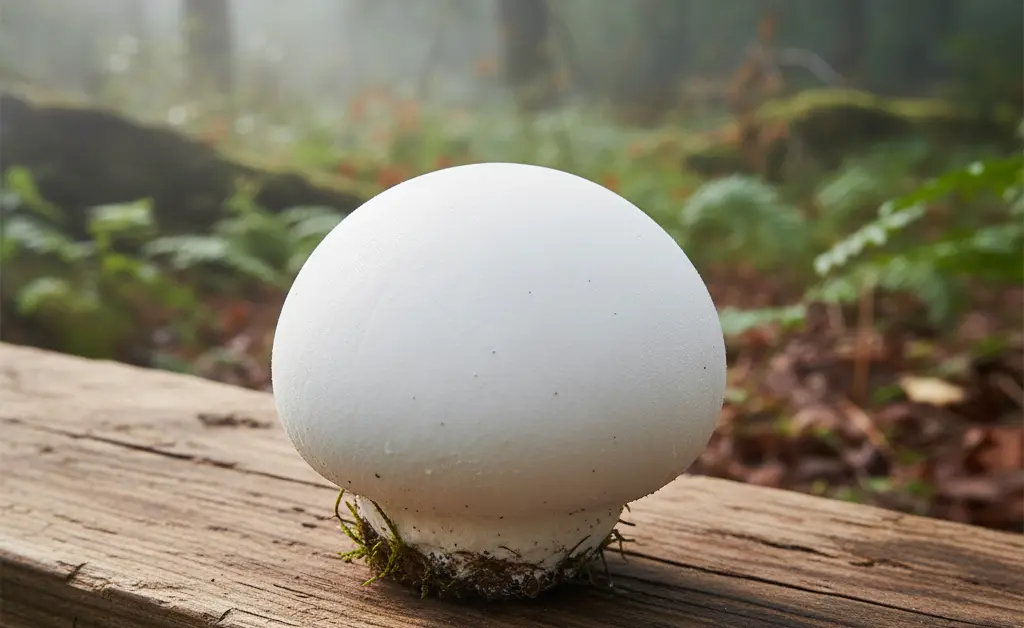
You’ve just stumbled upon a large, white, round mushroom in your yard or during a hike. It looks intriguing, but a common question quickly arises: what is it, and more importantly, can you eat it? Many foragers and home cooks face this dilemma, often hesitating to prepare an unfamiliar fungus due to concerns about its edibility and flavor. This uncertainty can prevent them from exploring a unique culinary ingredient. Understanding the nuances of puffball mushroom taste is crucial for anyone looking to safely and deliciously incorporate these fascinating fungi into their meals. This guide will delve into the distinct characteristics that define their flavor profile, helping you confidently identify and prepare puffballs.
Understanding Puffball Mushroom Taste
Delving into the characteristics of puffball mushroom taste reveals a surprisingly versatile and delicate flavor profile. Unlike some more robust fungi, puffballs are often appreciated for their mildness, which allows them to readily adopt the flavors of accompanying ingredients and seasonings. This makes them a favored choice for chefs and home cooks who enjoy experimenting with different culinary creations.
General Flavor Profile
When fresh and properly prepared, puffball mushrooms generally offer a subtle, earthy, and slightly umami flavor. They are not intensely mushroomy in the way a shiitake or portobello might be, but rather provide a foundational, delicate backdrop. The flavor is often described as clean and fresh, akin to a mild vegetable with a hint of forest floor. This makes them excellent for absorbing marinades or complementing other ingredients without overpowering them.
Maturity of the Mushroom
The stage of maturity is a critical factor influencing the puffball mushroom’s flavor and texture. Young, firm puffballs, which are pure white inside, possess the most desirable taste and texture. They are dense and mild, offering that quintessential delicate earthiness. As the mushroom matures, its interior begins to turn yellow, then olive, and eventually dark brown, indicating the development of spores. At these later stages, the flavor can become less appealing, often acquiring a more bitter or sour note, and the texture softens considerably. For optimal puffball mushroom taste, it is essential to harvest and consume them when they are young and entirely white throughout.
Species Variation
While the general flavor profile of puffball mushrooms tends to be mild, there can be subtle variations between different species. For instance, the giant puffball (Calvatia gigantea) is widely recognized and frequently consumed, known for its consistent mildness. Smaller species, such as the pear-shaped puffball (Lycoperdon pyriforme) or the gem-studded puffball (Lycoperdon perlatum), may have slightly different textures or a faintly more pronounced earthy note, though still within the mild spectrum. However, these differences are usually less significant than the impact of the mushroom’s maturity or preparation methods on the overall flavor experience.
Puffball Mushroom Taste Explained
The distinctive characteristics of puffball mushroom taste come from their cellular structure and composition. Unlike gilled mushrooms, puffballs lack defined caps and stems, growing instead as a solid, fleshy mass. This structure contributes to their unique texture, which is often described as firm yet tender when young. The mildness of their flavor allows them to be incredibly versatile in the kitchen, making them a base ingredient that can take on the identity of a dish rather than defining it.
Avoiding Bitter or Off-Flavors
Ensuring a pleasant puffball mushroom taste hinges on proper identification and selection. The most crucial rule for consumption is that the mushroom must be pure white inside. Any discoloration—yellow, green, or brown—indicates that the mushroom is past its prime, and its flavor will likely be bitter, sour, or otherwise unpleasant. Such older puffballs may also develop a soft, spongy, or watery texture that is undesirable. Furthermore, misidentification can lead to consuming toxic look-alikes. Always confirm that the mushroom is a true puffball by slicing it open to ensure it is uniformly white and lacks any internal gilled structures. A fresh, properly identified puffball will not have bitter or off-flavors. It’s important to know what is a puffball mushroom before consuming it.
Comparing Puffball Mushroom Taste to Other Foods
To help culinary explorers understand what to expect, comparing puffball mushroom taste to other common foods can provide a useful frame of reference. Their subtle nature allows them to blend seamlessly into various dishes, offering a pleasant texture and a canvas for other ingredients.
Comparison to Tofu
Perhaps the most common comparison for puffball mushrooms is tofu. Like firm tofu, puffballs are relatively neutral in flavor, serving as an excellent absorbent medium for marinades, spices, and sauces. They readily take on the essence of the surrounding ingredients, making them highly adaptable. This characteristic allows them to be used in a wide array of recipes, from savory stir-fries to robust stews, where they contribute texture rather than an overpowering mushroom flavor.
Comparison to Eggs
When cooked, the texture of puffball mushrooms can sometimes be likened to that of scrambled or fried eggs, particularly when sliced into planks or cubes and pan-fried. The soft yet slightly resilient texture can mimic the mouthfeel of egg whites, while their mild flavor allows them to be seasoned in ways similar to how one might flavor eggs. This comparison is especially apt when considering their use in breakfast dishes or as a protein-rich addition to omelets or frittatas.
Comparison to Other Mushrooms
Unlike many cultivated or wild mushrooms that possess distinct, often robust, earthy or woody flavors (such as portobello, cremini, or chanterelle), the puffball mushroom taste is notably milder. They lack the intense umami punch of a dried shiitake or the complex nuttiness of a porcini. Instead, puffballs offer a more delicate, almost vegetal earthiness. This makes them a good choice for those who might find other mushrooms too strong, or for dishes where a subtle fungi presence is desired without dominating the overall flavor profile. Understanding the specific puffball mushroom scientific name can also help in differentiating their characteristics.
Factors Influencing Puffball Mushroom Flavor
Several elements contribute to the ultimate puffball mushroom taste experienced on the plate. Beyond maturity and species, environmental conditions and preparation techniques play significant roles in shaping their flavor profile and culinary appeal. The general growing conditions, such as soil composition and humidity, can subtly influence the mushroom’s inherent mildness and earthiness. A puffball grown in rich, healthy soil may offer a slightly more vibrant, fresh taste compared to one from poorer conditions.
Proper handling from the moment of harvest is also essential. Thorough cleaning and trimming remove any dirt, debris, or insect damage, which can detract from the pure flavor. Since puffballs absorb flavors readily, any external contaminants can negatively impact their delicate taste. The preparation method is paramount: cooking methods such as sautéing, frying, or baking can transform the texture and concentrate the subtle flavors. Sautéing in butter or olive oil helps to bring out their inherent mildness, while baking can create a firmer texture. Seasoning and pairings are crucial given their mild nature; herbs, garlic, onions, and various spices can elevate the puffball mushroom taste, turning it into a star ingredient rather than just a filler. Considering their texture and mouthfeel, which can be likened to a firm sponge when cooked, they benefit greatly from these flavorful additions. For more detailed information on mushroom safety and toxicology, resources like the NIH are invaluable.
Potential Misconceptions About Puffball Mushroom Taste
Despite their culinary potential, several misconceptions about puffball mushroom taste can deter people from trying them. One common belief is that all puffballs are entirely bland or flavorless. While their taste is indeed mild, it is far from absent. They offer a delicate earthiness and umami foundation that, when paired with appropriate seasonings, can be incredibly satisfying. This mildness is often seen as a strength, allowing them to complement a vast array of ingredients rather than competing with them.
Another misconception is that all puffball species taste identical. As previously noted, while the overarching theme is mildness, subtle variations in species, growing conditions, and maturity can lead to slight differences in flavor and texture. Furthermore, some might believe that only giant puffballs are worth eating, overlooking smaller, equally delicious varieties that can offer a slightly different culinary experience. Emphasizing the importance of proper preparation, fresh harvesting, and diverse cooking methods can help dispel these myths and unlock the full potential of puffball mushroom taste. Some people even wonder about puffball mushroom smoke, though this is unrelated to their culinary taste.
Puffball mushrooms offer a unique and versatile culinary experience for those willing to explore their subtle charms. Their mild, earthy flavor and adaptable texture make them an excellent addition to a variety of dishes, capable of absorbing and enhancing the tastes of other ingredients. By understanding the impact of maturity, species variation, and careful preparation, you can confidently transform these fascinating fungi into delicious and satisfying meals. By being aware of what is a puffball mushroom, you can ensure you are selecting the correct type for consumption.
This information is provided for educational purposes only. It is not intended to be a substitute for professional advice. Always consult with a qualified expert for guidance on mushroom identification and consumption. We do not endorse the consumption of wild mushrooms without proper identification by an experienced mycologist to ensure safety and prevent potential harm.
FAQ
What is the taste of giant puffball mushrooms?
Giant puffball mushrooms have a mild, slightly sweet, and earthy flavor profile. When young and firm, their texture is often compared to that of soft tofu or fresh mozzarella, making them versatile in various culinary applications. The puffball mushroom taste is generally appealing to many palates, especially when prepared simply.
Can you eat immature puffball mushrooms?
Yes, immature puffball mushrooms are edible and commonly consumed. It is crucial that they are harvested when they are solid white throughout and have a firm texture, indicating they are past the spore-producing stage. Immature puffballs possess a delicate flavor and a pleasing, dense consistency when cooked.
Continue reading
You May Also Like

Where to Buy Fresh and Dried Puffball Mushrooms?
Our guide to semaglutide for weight loss reviews its clinical efficacy, side effects, and cost to help you evaluate if it's the right choice.
The Delicate Flavor Profile of Enoki Mushrooms
With a delicate and crisp texture, the enoki mushroom taste is defined by its mild, subtly sweet notes and a clean, earthy umami finish.
How to Fry Puffball Mushrooms to Golden Perfection
This step-by-step guide provides a complete recipe for fried puffball mushroom, covering preparation, batter, and the best frying technique.