
How Reishi Mushrooms Support Brain Health and Memory

Ancient traditions often hold modern scientific truths. For centuries, medicinal mushrooms have been revered for their restorative properties, and today, science is beginning to validate this ancient wisdom. Among these, the Reishi mushroom, or Ganoderma lucidum, is gaining significant attention from researchers. A growing body of evidence is now exploring the specific reishi mushroom benefits for brain function, from enhancing memory to protecting delicate neural structures. This focus stems from the mushroom’s unique bioactive compounds, such as polysaccharides and triterpenes, which are believed to offer neuroprotective and anti-inflammatory effects. By examining these mechanisms, we can better understand how this natural adaptogen may support long-term cognitive vitality and resilience against daily stressors.
Reishi Mushroom Benefits for Brain Health
What Does Reishi Do For The Brain?
The Reishi mushroom, known scientifically as Ganoderma lucidum, acts on the brain through multiple pathways, primarily due to its rich concentration of bioactive compounds. As an adaptogen, it is thought to help the body manage physiological and psychological stress, which has a direct impact on brain function. The mushroom contains triterpenes and polysaccharides, which are studied for their potential to protect brain cells from damage, reduce inflammation, and support the overall health of the nervous system. By fostering a healthier internal environment, Reishi may help maintain optimal brain performance and resilience. Beyond its neurological impact, research also highlights reishi mushroom benefits for lungs.
Is Reishi Mushroom Good for the Brain?
Based on traditional use and emerging scientific research, Reishi mushroom is considered beneficial for brain health. Its value lies in its multifaceted approach to supporting cognitive wellness. Rather than targeting a single function, its compounds appear to offer a holistic effect. This includes providing antioxidant protection against cellular damage, helping to calm the nervous system, and potentially supporting pathways involved in memory and learning. While research is ongoing, the existing evidence suggests that Reishi can be a valuable component of a lifestyle aimed at preserving long-term brain vitality. Additionally, researchers are also investigating cordyceps mushroom benefits for brain health. Further robust scientific reviews are often found on the Cochrane Library.
Polysaccharides from Ganoderma lucidum Promote Cognitive Function
The polysaccharides found in Ganoderma lucidum are complex long-chain carbohydrates that represent one of the most studied components of the mushroom. These compounds are believed to play a significant role in promoting cognitive function. Research suggests they possess immune-modulating properties that can influence the gut-brain axis, a communication network that links gut health to mental and cognitive well-being. By supporting a healthy inflammatory response and acting as a source of antioxidants, these polysaccharides help create a stable environment for neural function. This supportive action is a key aspect of the overall reishi mushroom benefits for brain health.
Cognitive Function and Memory Enhancement with Reishi Mushroom
Memory Improvement
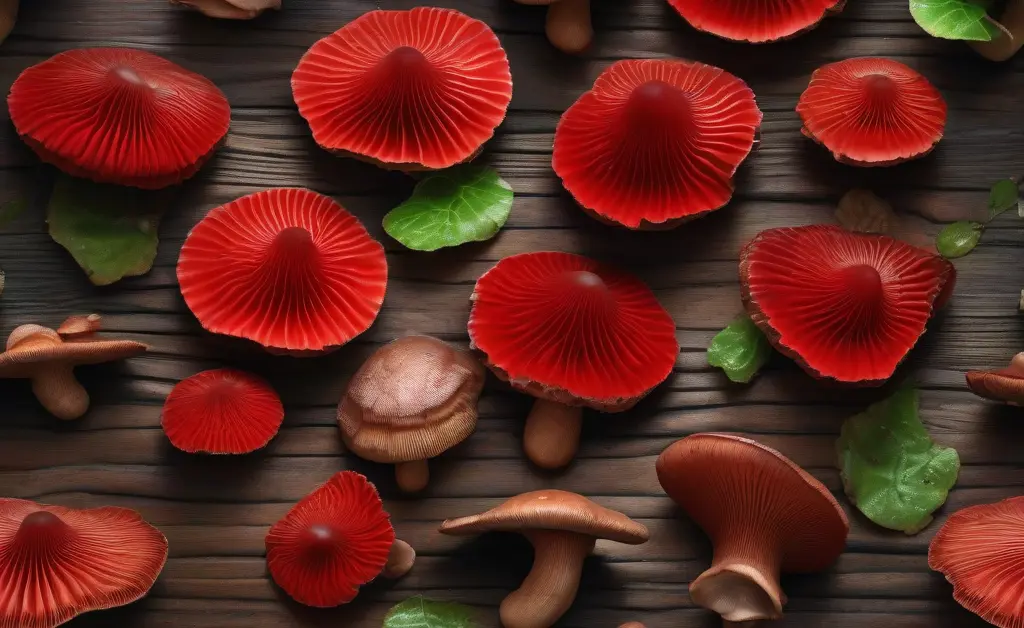
Reishi mushroom is being investigated for its potential to support memory. The neuroprotective qualities of its bioactive compounds may help safeguard the neurons responsible for encoding and retrieving memories. By mitigating factors like oxidative stress and neuroinflammation, which can impair cognitive processes, Reishi may contribute to a healthier environment for memory formation. Some studies explore whether these mushrooms can support the function of the hippocampus, a region of the brain critical for learning and memory support.
Focus and Concentration
Improved focus and mental clarity are often associated with Reishi’s adaptogenic effects. By helping the body adapt to and manage stress, Reishi may reduce the mental “noise” and fatigue that often accompany high-stress periods. This calming effect on the central nervous system can free up cognitive resources, allowing for better concentration and sustained attention on tasks. Users often report a sense of grounded awareness, which can be beneficial for productivity and complex problem-solving without the stimulating effects of caffeine.
Neuroprotective and Antioxidant Effects of Reishi Mushroom
Reducing Oxidative Stress
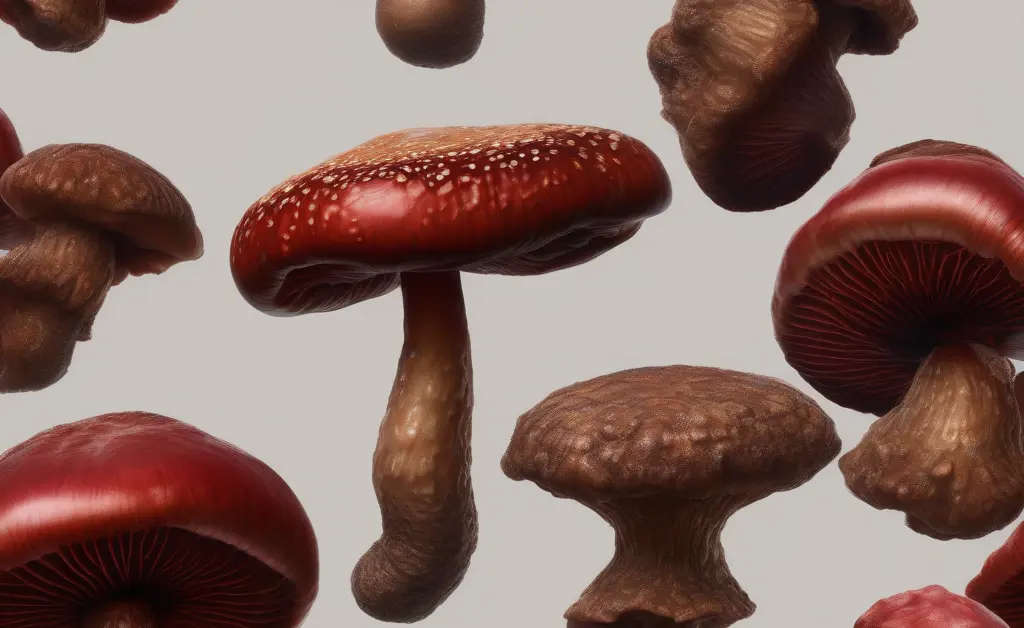
Oxidative stress occurs when there is an imbalance between free radicals and antioxidants in the body, leading to cellular damage. The brain is particularly vulnerable to this process due to its high oxygen consumption. The powerful antioxidant properties of Reishi mushroom help combat this issue directly. Exploring the reishi mushroom benefits for brain health often leads to its ability to neutralize harmful free radicals, thereby protecting delicate brain cells, lipids, and proteins from oxidative damage and supporting long-term neurological health.
Reducing Neuroinflammation
Chronic, low-grade inflammation in the brain, or neuroinflammation, is linked to cognitive decline and various neurological conditions. The triterpenes found in Reishi mushrooms are particularly noted for their potent anti-inflammatory properties. These compounds are studied for their ability to modulate inflammatory pathways in the brain, potentially downregulating the production of pro-inflammatory molecules. This neuroinflammation reduction may help protect neural tissue and maintain a healthy cognitive environment.
Antioxidant Properties
The antioxidant capacity of Reishi is one of its most celebrated attributes for brain health. Beyond just a single compound, the mushroom offers a synergistic blend of antioxidants, including polysaccharides, triterpenes, and phenols. These components work together to form a robust defense system against oxidative damage. They can scavenge different types of free radicals and may also support the body’s own antioxidant enzyme systems, offering a comprehensive strategy for protecting the brain from daily cellular stressors.
Anti-inflammatory Effects
Reishi’s anti-inflammatory effects extend throughout the body, but are especially relevant for the brain. The mushroom’s compounds are believed to interact with specific signaling pathways involved in the inflammatory response. By helping to regulate this response, Reishi may prevent the chronic inflammation that can damage neurons and disrupt communication between brain cells. This mechanism is fundamental to its role as a neuroprotective agent, as it helps maintain the integrity and function of the central nervous system.
Impact of Reishi Mushroom on Brain Aging
Decreasing Plaque Formation
A key area of research into brain aging involves the accumulation of certain proteins, such as beta-amyloid, which can form plaques that disrupt neural function. Some preliminary studies are exploring whether compounds within Reishi mushroom can interfere with the pathways that lead to this brain plaque formation. By potentially supporting the brain’s natural clearance processes and reducing inflammation associated with these deposits, Reishi is being investigated as a supportive agent for maintaining a healthier brain structure during aging.
Effects on Brain Aging Processes
Brain aging is a complex process driven by factors like accumulated oxidative stress, chronic inflammation, and reduced cellular efficiency. Reishi mushroom appears to address several of these aspects simultaneously. Its antioxidant and anti-inflammatory properties provide a direct defense against two of the primary drivers of age-related cognitive decline. Furthermore, its adaptogenic nature helps manage the long-term effects of stress, another factor that can accelerate brain aging. The cumulative reishi mushroom benefits for brain health position it as a potential tool for promoting cognitive longevity. Reishi’s holistic properties also extend to other areas, including emerging research on reishi mushroom benefits for skin.
Support for Brain Cell Regeneration
While the adult brain’s ability to create new neurons is limited, the process, known as neurogenesis, is vital for learning and cognitive flexibility. Some research suggests that certain extracts from Reishi may support factors that promote nerve regeneration and growth, such as Nerve Growth Factor (NGF). By fostering an environment conducive to the survival and function of existing neurons and potentially supporting the body’s own regenerative capacities, Reishi may play a role in maintaining a resilient and adaptable brain.
Reishi Mushroom and Stress Reduction for Brain Health

Anxiety Relief
Traditionally, Reishi has been valued for its calming properties and its ability to “quiet the spirit.” Modern understanding links this to its role as an adaptogen, helping the nervous system regulate its response to stressors. By promoting balance within the body’s stress-response systems, Reishi may foster a sense of calm and well-being. This can lead to natural anxiety relief, not by acting as a sedative, but by helping the body build resilience against the triggers of everyday stress.
Depression Management
While Reishi mushroom is not a treatment for clinical depression, its supportive role in mental wellness is noteworthy. Mood is intricately linked to inflammation and the body’s stress response. By helping to modulate inflammation and balance the adrenal system, Reishi may contribute to a more stable emotional state. Its calming effects can also support better sleep, which is a critical factor in mood regulation and overall mental health. These indirect benefits make it a subject of interest for holistic approaches to depression management support.
Reishi Mushroom and Cortisol Levels
Cortisol, often called the primary stress hormone, is essential in small amounts but can be detrimental to brain health when chronically elevated. High cortisol levels can impair memory, contribute to brain fog, and damage neural structures over time. As an adaptogen, Reishi is believed to help modulate the hypothalamic-pituitary-adrenal (HPA) axis, the body’s central stress response system. This modulation may help normalize cortisol levels, preventing the dramatic spikes and sustained highs that negatively impact cognitive function. This regulation of the stress response is a cornerstone of the reishi mushroom benefits for brain health.
Role of Reishi Mushroom in Supporting Neural Communication
Neurogenesis Support
Neurogenesis, the formation of new neurons, is crucial for brain plasticity and cognitive function throughout life. Emerging research is investigating how natural compounds, including those in Reishi, might support this process. Studies suggest that certain extracts from the mushroom could influence biological factors that encourage the growth and differentiation of neural stem cells. By fostering an environment where neurogenesis can occur, Reishi may contribute to the brain’s ability to repair itself and form new neural pathways for learning and memory.
Enhancement of Synaptic Plasticity
Synaptic plasticity is the brain’s fundamental ability to strengthen or weaken connections between neurons, a process that underlies all learning and memory. A healthy brain environment is essential for robust synaptic plasticity. By providing potent antioxidant and anti-inflammatory support, Reishi helps protect these delicate synaptic connections from damage. Furthermore, by reducing the neurotoxic effects of chronic stress, it may help preserve the brain’s capacity to adapt, learn, and create lasting memories.
In conclusion, Reishi mushroom presents a compelling case for its role in supporting brain health through a variety of interconnected mechanisms. Its power as an adaptogen helps the body manage stress, a primary factor in cognitive decline. Simultaneously, its rich supply of antioxidants and anti-inflammatory compounds works to protect neurons from damage caused by oxidative stress and chronic inflammation. From potentially enhancing memory and focus to supporting the very structure of the brain against the effects of aging, Ganoderma lucidum offers a holistic approach to maintaining cognitive vitality and neurological resilience.
The purpose of this content is to educate, not to diagnose or treat. The information presented is based on traditional use and scientific research and should not be taken as medical advice. Individual results may vary, and the effects of any natural supplement can be complex. Always consult with a qualified healthcare professional before beginning any new supplement regimen, especially if you have pre-existing health conditions or are taking other medications.
How does reishi mushroom reduce neuroinflammation in the brain?
Reishi mushroom contains compounds like triterpenes and polysaccharides that have been studied for their immune-modulating properties. These components are thought to influence inflammatory pathways, helping the body maintain a balanced immune response. By supporting these normal physiological processes, reishi contributes to managing neuroinflammatory responses within healthy limits.
Can reishi mushroom help with anxiety and depression?
As an adaptogen, reishi mushroom helps the body adapt to various forms of stress, which can include emotional and psychological stressors. This adaptogenic quality is relevant to maintaining overall emotional balance and supporting a healthy stress response system. While not a treatment, its contribution to systemic equilibrium may foster a sense of calm.
Does reishi mushroom improve memory and cognition?
While reishi mushroom is highly regarded for its overall health-supporting properties, specific direct evidence demonstrating enhanced memory or cognitive performance is still an area of ongoing research. It is known for its antioxidant and anti-inflammatory characteristics, which contribute to general brain health. This foundational support may indirectly promote optimal neurological function over time.
What compounds in reishi mushroom benefit brain health?
The primary bioactive compounds linked to brain health in reishi mushroom are triterpenes and various polysaccharides, including beta-glucans. Triterpenes are recognized for their antioxidant and neuroprotective qualities, while the polysaccharides play a role in immune system modulation. These constituents collectively support a healthy environment for neurological function.
Are there any risks associated with taking reishi mushroom for the brain?
Reishi mushroom is generally considered safe for most individuals when used appropriately. However, some people might experience mild side effects such as digestive upset or allergic reactions. It is always wise to consult with a healthcare professional, especially if you have existing health conditions or are taking other medications, to ensure its suitability for your personal health needs.
How does reishi mushroom affect brain aging?
The reishi mushroom benefits for brain aging are primarily associated with its antioxidant and anti-inflammatory properties. These actions help protect brain cells from oxidative stress and chronic inflammation, which are both significant factors in the aging process. By supporting cellular integrity and reducing cellular stress, it contributes to the maintenance of healthy brain function throughout life.
Can reishi mushroom support stress management related to brain health?
Reishi mushroom is classified as an adaptogen, a substance that helps the body maintain homeostasis and cope with stress more effectively. Its adaptogenic qualities are thought to support the body’s natural resilience mechanisms, including those that regulate the physiological and psychological responses to stress. This can help the brain manage various stressors, promoting a more balanced state.