
Exploring How Reishi Mushrooms Enhance Lung Health
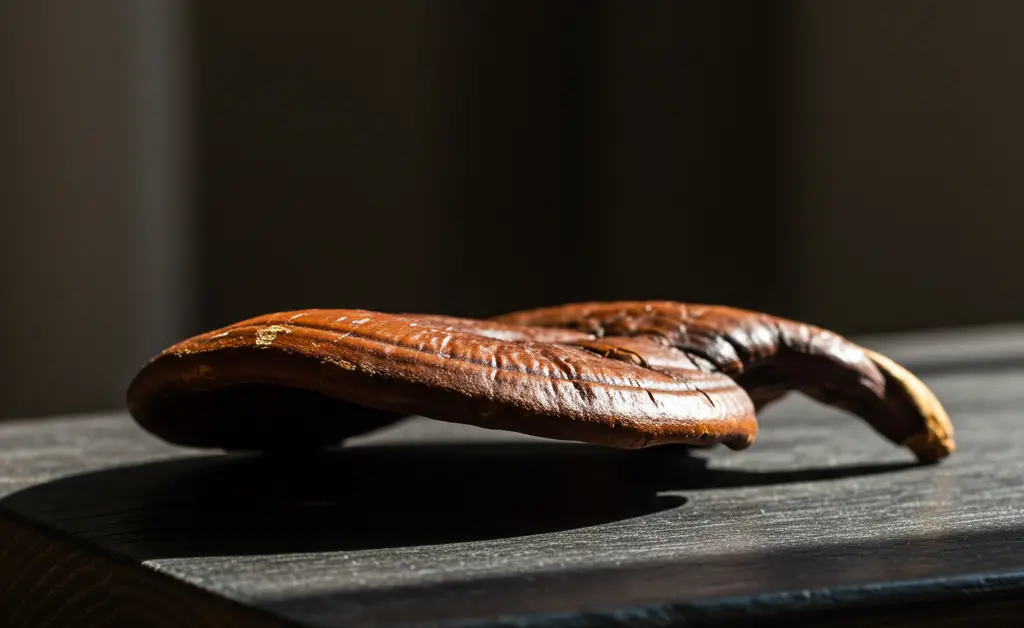
When discussing natural remedies, it’s easy to fall into the belief that they are either ancient folklore or a miracle cure. The reality for medicinal fungi like reishi is often more nuanced, sitting between traditional wisdom and modern scientific inquiry. This is particularly true when examining its historical use for respiratory wellness. While not a replacement for medical treatment, emerging research is beginning to explore the specific reishi mushroom benefits for lungs, validating centuries of traditional application. This exploration delves into how reishi may support airway function, modulate the immune response, and reduce inflammation, offering a balanced perspective on its potential within a holistic approach to respiratory health.
Traditional Uses of Reishi Mushrooms for Lung Health
For centuries, the reishi mushroom has been a cornerstone of traditional medicine systems, particularly in Asia. Revered as the “mushroom of immortality,” it was frequently used to promote overall vitality and longevity. Within this broad application, traditional herbalists specifically valued reishi for its ability to support respiratory wellness. It was often recommended for individuals experiencing persistent coughs, wheezing, and shortness of breath, with the belief that it helped to tonify the body’s vital energy, or Qi, associated with the lungs.
In the framework of Traditional Chinese Medicine, reishi was believed to calm the spirit, transform phlegm, and stop coughing. Its use was not typically for acute infections but rather as a long-term tonic to strengthen the respiratory system and make it more resilient against environmental or internal imbalances. Beyond respiratory support, traditional texts also acknowledge reishi mushroom benefits for menopause symptoms, highlighting its broad adaptogenic qualities. This historical context provides the foundation for modern scientific interest in how reishi may assist with lung function and overall respiratory health.
How Reishi Mushrooms Support Respiratory Health

The potential of reishi mushrooms to support the respiratory system is multifaceted, stemming from the unique combination of bioactive compounds they contain. These compounds work synergistically to influence various bodily functions related to breathing and lung wellness. Rather than acting as a simple remedy for a single symptom, reishi appears to offer a more holistic form of support, addressing underlying factors like inflammation and immune response. The array of potential reishi mushroom benefits for lungs includes helping to maintain clear airways and modulating the body’s reaction to environmental irritants.
Reishi Mushroom and Airway Function
One of the key areas of interest is reishi’s potential influence on airway function. The bronchial passages that carry air to the lungs are lined with smooth muscle. When these muscles constrict, it can lead to narrowed airways and difficulty breathing. Certain compounds in reishi, particularly triterpenes, have been studied for their potential to help relax these muscles. By promoting a state of relaxation in the bronchial passages, reishi may help support open and clear airways, making breathing feel easier and more efficient.
Role in Reducing Mucus Production
Proper mucus production is essential for trapping and removing foreign particles from the respiratory tract. However, excessive mucus can clog airways and create a challenging environment for lung function. Inflammation is a common trigger for overproduction of mucus. Reishi’s well-documented anti-inflammatory effects may play a role in normalizing mucus secretion. By helping to soothe irritation within the respiratory lining, it may assist the body in maintaining a balanced level of mucus, ensuring it serves its protective purpose without becoming obstructive.
Influence on Allergic Responses
Allergic reactions are a significant factor in many respiratory issues. These reactions are driven by an immune system response that releases histamine and other inflammatory mediators, leading to symptoms like sneezing, congestion, and airway constriction. Reishi mushrooms are believed to possess immune-modulating properties. Specifically, some studies suggest that triterpenoids found in reishi may inhibit histamine release. This action could help temper the body’s overactive response to allergens, potentially reducing the severity of respiratory symptoms associated with seasonal or environmental triggers.
Effects on Lung Tissue Repair
The delicate tissues of the lungs, including the tiny air sacs known as alveoli, are constantly exposed to environmental pollutants and potential pathogens. Chronic inflammation and oxidative stress can damage these tissues over time. Reishi’s antioxidant properties help combat oxidative stress by neutralizing harmful free radicals. By reducing the overall inflammatory and oxidative burden on the lungs, reishi may create a more favorable environment for the body’s natural cellular repair and regeneration processes, thereby supporting the long-term integrity of lung tissue.
Mechanisms Behind Reishi Mushroom Benefits for Lungs

The therapeutic potential of reishi mushrooms is not based on a single action but on the complex interplay of its numerous bioactive compounds. These molecules interact with various biological pathways in the body to produce a range of effects. Understanding these mechanisms helps clarify how reishi may contribute to respiratory wellness. The core of these mechanisms lies in its ability to modulate the immune system, reduce inflammation, and protect cells from damage, which together contribute to the observed reishi mushroom benefits for lungs.
Polysaccharides and Beta-Glucans
Polysaccharides, particularly a type called beta-glucans, are among the most studied compounds in reishi mushrooms. These complex carbohydrates are known for their profound immune-supportive activities. They do not simply stimulate the immune system but act as immunomodulators, meaning they help it adapt to the body’s needs. Beta-glucans can interact with immune cells like macrophages and natural killer cells, enhancing their ability to respond to pathogens while also helping to prevent an overactive immune response that could harm healthy tissue.
Triterpenes and Their Role
Triterpenes, also known as triterpenoids, are the compounds responsible for reishi’s characteristic bitter taste. This class of molecules is credited with many of reishi’s most powerful properties, including its significant anti-inflammatory effects. Triterpenes have been shown to interrupt various inflammatory pathways in the body. They are also linked to reishi’s potential antihistamine-like action and its ability to support liver function and cardiovascular health, all of which indirectly contribute to overall wellness and respiratory resilience. Furthermore, some individuals explore reishi mushroom benefits for hair health, adding another dimension to its comprehensive advantages.
Immune System Modulation
Reishi’s reputation as an adaptogen is central to its role in respiratory health. Unlike substances that simply boost or suppress immunity, reishi helps the body maintain a state of balance, or homeostasis. For respiratory health, this is critical. It means that reishi can support a stronger response against invading pathogens while simultaneously helping to calm the excessive immune reactions that characterize allergies and some chronic inflammatory lung conditions. Parents may also seek reishi mushroom benefits for kids to support their immune systems, though medical advice is always essential. This dual action makes it a unique and valuable natural support.
Anti-inflammatory Effects
Chronic inflammation is a root cause of many respiratory ailments, contributing to airway constriction, tissue damage, and excessive mucus. Reishi mushrooms exert potent anti-inflammatory effects through various mechanisms, largely driven by their triterpene content. These compounds can inhibit the production of pro-inflammatory molecules in the body. By helping to quell inflammation in the bronchial tubes and lung tissue, reishi may alleviate irritation and support clearer, more comfortable breathing.
Impact on Oxidative Stress in Lungs
The lungs are highly susceptible to oxidative stress due to their constant exposure to oxygen and environmental pollutants like smoke and chemicals. Oxidative stress occurs when there is an imbalance between damaging free radicals and the antioxidants that neutralize them. This can lead to cellular damage and accelerate aging. Reishi is rich in antioxidants, including polysaccharides and triterpenoids, which help protect lung cells from this damage, thereby supporting their function and longevity.
Antimicrobial Properties
Preliminary research suggests that reishi mushrooms possess a degree of antimicrobial activity. Laboratory studies have explored its effects against various bacteria and viruses. While reishi is not a substitute for antibiotics or antiviral medications, its antimicrobial properties may offer supportive action by helping the immune system manage pathogens that can lead to respiratory infections. This function complements its primary role as an immune modulator, providing another layer of defense for the respiratory system.
Scientific Evidence on Reishi Mushroom Benefits for Lungs
While traditional use provides a strong historical basis, modern science is actively investigating the specific ways reishi mushrooms affect respiratory health. Research includes laboratory studies, animal models, and some human clinical trials. Although much of the evidence is still preliminary, it has begun to shed light on the mechanisms validating reishi’s traditional applications. These studies are crucial for moving from anecdotal reports to a more evidence-based understanding of the potential reishi mushroom benefits for lungs. You can find extensive scientific literature on various health topics through resources like NCBI.
Studies on Respiratory Infections
Several in-vitro (test-tube) studies have examined the effects of reishi extracts on viruses and bacteria known to cause respiratory infections. Some findings suggest that certain compounds in reishi may interfere with the ability of these pathogens to multiply. Animal studies have also indicated that supplementation with reishi may enhance the immune response to infections, potentially leading to faster recovery. However, robust human trials are still needed to confirm these effects and determine their relevance in real-world settings for preventing or treating lung infections.
Research on Chronic Respiratory Conditions
Research into reishi’s role in chronic respiratory conditions like asthma and chronic obstructive pulmonary disease (COPD) is focused on its anti-inflammatory and immune-modulating properties. Some animal studies have shown that reishi extracts can reduce airway inflammation and hyper-responsiveness, which are hallmarks of asthma. A few small human studies have explored reishi as an adjunct therapy, with some participants reporting improvements in symptoms. It is important to note that the existing body of research is limited and does not support using reishi as a standalone treatment for these serious conditions.
Potential Respiratory Conditions Influenced by Reishi Mushrooms

Based on its known mechanisms of action, reishi mushrooms may offer supportive benefits for a range of respiratory issues, primarily those linked to inflammation and immune dysregulation. It is often considered by individuals looking for natural support for conditions such as seasonal allergies that manifest with respiratory symptoms like a runny nose, sneezing, and itchy throat. Its potential to modulate histamine release makes it a subject of interest in this area.
Furthermore, due to its immune-supportive activities, people may use reishi to bolster their defenses during seasons when colds and other common respiratory viruses are prevalent. For those with chronic inflammatory responses in the airways, the anti-inflammatory and antioxidant properties of reishi might help manage underlying irritation. The key takeaway is that reishi is viewed as a balancing tonic that supports the body’s own defense and repair systems, rather than a direct treatment for any specific disease. The possible reishi mushroom benefits for lungs are seen as part of a broader strategy for maintaining respiratory wellness.
Comparing Reishi Mushrooms to Other Natural Respiratory Supports
In the world of herbal medicine, many plants and fungi are utilized for respiratory support. When comparing reishi to others, its unique profile as an adaptogenic immunomodulator stands out. For instance, herbs like mullein or licorice root are primarily known for their soothing, demulcent, and expectorant properties, directly targeting symptoms like coughs and throat irritation. Cordyceps, another medicinal mushroom, is often prized for its ability to enhance oxygen uptake and energy, making it popular with athletes.
Reishi’s role is distinct. While it does possess anti-inflammatory and potential antitussive (cough-suppressing) properties, its main strength lies in its ability to regulate the underlying immune response. Unlike echinacea, which is typically used for short-term immune stimulation at the onset of a cold, reishi is more suited for long-term use to balance and fortify the immune system. This makes it less of a direct symptomatic remedy and more of a foundational tonic for building long-term respiratory resilience and managing conditions rooted in immune imbalance, such as allergies.
In summary, reishi mushrooms offer a multifaceted approach to respiratory health, grounded in centuries of traditional use and increasingly supported by modern scientific inquiry. Their ability to modulate the immune system, exert anti-inflammatory effects, combat oxidative stress, and potentially support clear airways makes them a compelling natural option. While not a cure or a replacement for medical care, reishi can be a valuable component of a holistic strategy aimed at maintaining lung function and building resilience. As research continues to evolve, our understanding of this remarkable fungus and its place in promoting respiratory wellness will undoubtedly deepen.
This article aims to inform, not to replace professional healthcare advice. The information provided about reishi mushrooms is for educational purposes only and should not be interpreted as a recommendation for treatment or a medical claim. Always consult with a qualified healthcare provider before starting any new supplement, especially if you have a pre-existing medical condition or are taking other medications. Self-diagnosing or self-treating health issues can be dangerous. The Food and Drug Administration has not evaluated these statements.
How does reishi mushroom improve lung function?
Reishi mushroom is recognized for its adaptogenic properties, which help the body maintain balance. Its compounds are understood to support the body’s natural defense systems, which can indirectly contribute to overall respiratory wellness. This support is relevant to maintaining healthy lung function over time.
Can reishi mushrooms help with asthma or allergies?
Reishi mushroom has been studied for its potential role in modulating the immune system and influencing inflammatory pathways. These actions are relevant to how the body responds to allergens or environmental triggers. It is important to note that maintaining a balanced immune response is a complex process.
What are the active ingredients in reishi mushrooms that benefit the lungs?
Key active compounds in reishi mushrooms include triterpenes and polysaccharides, particularly beta-glucans. Triterpenes are linked to anti-inflammatory properties, while beta-glucans are known for their immune-modulating effects. These constituents play a role in how the mushroom interacts with biological systems.
Are there any scientific studies supporting reishi mushroom for respiratory health?
Research into reishi mushroom has explored its biological activities, including its influence on immune responses and inflammatory pathways, which are integral to respiratory health. While findings suggest promising avenues for investigation, more extensive human clinical trials are continually being conducted to further understand these complex interactions. This ongoing scientific inquiry contributes to our understanding of the reishi mushroom benefits for lungs.
How should I take reishi mushrooms for lung benefits?
Discussions around the use of functional mushrooms often involve various preparations like extracts, powders, or teas. The specific approach someone takes to incorporate reishi into their wellness routine is a personal choice. It is important to consider individual health contexts when making such decisions.
What traditional uses of reishi mushrooms relate to lung health?
In traditional wellness practices, particularly Traditional Chinese Medicine, reishi mushroom has a long history of use for supporting overall vitality and strengthening the body’s natural defenses. It was traditionally valued for its perceived role in supporting the spirit and enhancing a sense of calm, which was also linked to deep breathing and overall respiratory comfort. These historical uses highlight its esteemed place in ancient health systems.
Are there any known side effects when using reishi mushrooms for lungs?
Reishi mushrooms are generally considered well-tolerated, though some individuals might experience mild digestive upset or skin rashes. As with any natural supplement, individual responses can vary depending on one’s unique physiological makeup. It’s always advisable to be mindful of how your body responds to new additions to your wellness routine.
Can reishi mushrooms be combined with other respiratory health practices?
Many individuals consider functional mushrooms as part of a broader, holistic approach to wellness, which often includes various lifestyle practices. Combining different natural health practices is a common strategy for overall well-being. However, how these elements interact is complex and depends on many individual factors.