
Discover How Reishi Mushroom Supports Healthy Hair Growth and Care
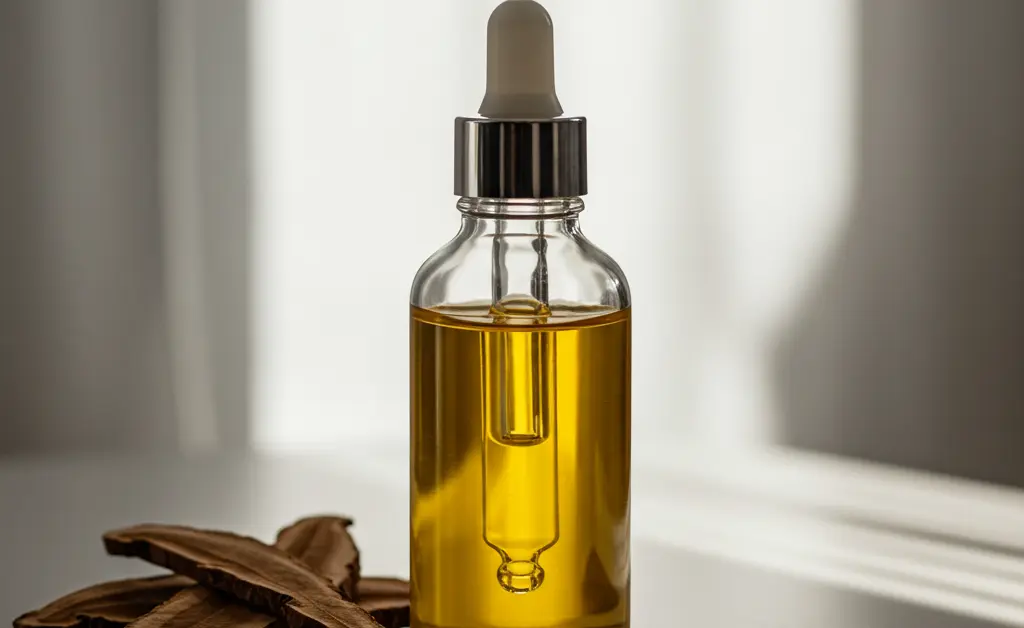
In the expanding world of wellness, many are turning to ancient remedies and adaptogens to supplement their modern health routines. From adding powders to morning smoothies to choosing skincare infused with botanicals, integrating nature’s offerings has become a popular lifestyle choice. Among these revered ingredients is the reishi mushroom, long valued in traditional Eastern medicine for its wide-ranging therapeutic properties. While often recognized for its impact on immunity and stress reduction, a growing body of interest is now focusing on the specific reishi mushroom benefits for hair. This adaptogen’s potential to enhance scalp circulation, reduce inflammation, and deliver vital nutrients to follicles is gaining attention from those seeking a holistic approach to achieving stronger, healthier-looking hair.
Reishi Mushroom Benefits for Hair Growth and Thickness
The potential for reishi mushrooms to support hair growth and thickness stems from their complex nutritional profile and bioactive compounds. By addressing foundational aspects of scalp health, this adaptogen may create an optimal environment for hair to thrive. A healthy scalp is the bedrock of healthy hair, and reishi’s properties are thought to contribute positively to this ecosystem.
How do Reishi mushrooms benefit hair health?
Reishi mushrooms possess a unique combination of properties that may contribute to overall hair health. They are rich in antioxidants, which help protect cells from oxidative stress, and contain compounds with anti-inflammatory qualities. As an adaptogen, reishi is also studied for its ability to help the body manage stress, a factor that can sometimes be linked to hair concerns. The cumulative effect of these actions helps foster a balanced and nourished scalp environment, which is essential for the growth of strong, resilient hair. Understanding the array of reishi mushroom benefits for hair involves looking at how it supports the body’s systems from within and topically.
Improving Scalp Blood Circulation
Healthy hair growth is heavily dependent on adequate blood flow to the scalp. Circulation is the delivery system that transports vital oxygen and nutrients to the hair follicles, the tiny structures responsible for producing hair. Some studies suggest that compounds within reishi mushrooms may support circulatory health. By potentially promoting better blood flow, reishi could help ensure that hair follicles are well-nourished and functional, creating a supportive foundation for the hair growth cycle.
Enhancing Nutrient and Oxygen Delivery to Hair Follicles
Following directly from improved circulation is the enhanced delivery of essential building blocks for hair. Hair follicles require a steady supply of vitamins, minerals, and oxygen to produce strong, healthy hair strands. When circulation is robust, these nutrients can more effectively reach their destination. The role of reishi in this process is indirect but significant; by supporting the body’s circulatory pathways to the scalp, it helps ensure that follicles have the resources they need for optimal function and to sustain the anagen, or growth, phase of the hair cycle.
Reishi Mushroom Benefits for Hair Loss and Hair Fall
Concerns about hair shedding and loss are common, and many seek natural ways to support hair retention. Reishi mushroom is gaining attention in this area due to its potential to address underlying issues that can contribute to premature hair fall, such as inflammation and oxidative stress on the scalp. Creating a calmer, more balanced scalp environment is a key strategy in mitigating excessive shedding.
Reducing Scalp Inflammation
Scalp inflammation is a common culprit behind various hair problems, including hair thinning and loss. It can be triggered by factors like pollution, stress, product buildup, or underlying skin conditions. This inflammation can damage hair follicles and disrupt the normal hair growth cycle, leading to increased shedding. Reishi mushrooms contain bioactive compounds like triterpenes and polysaccharides, which are known for their anti-inflammatory properties. By helping to modulate the inflammatory response in the scalp, the regular use of reishi may contribute to a healthier follicular environment, potentially reducing hair fall associated with inflammation. Exploring the anti-inflammatory aspects is a core part of understanding the reishi mushroom benefits for hair.
How to Use Reishi Mushroom for Hair Care
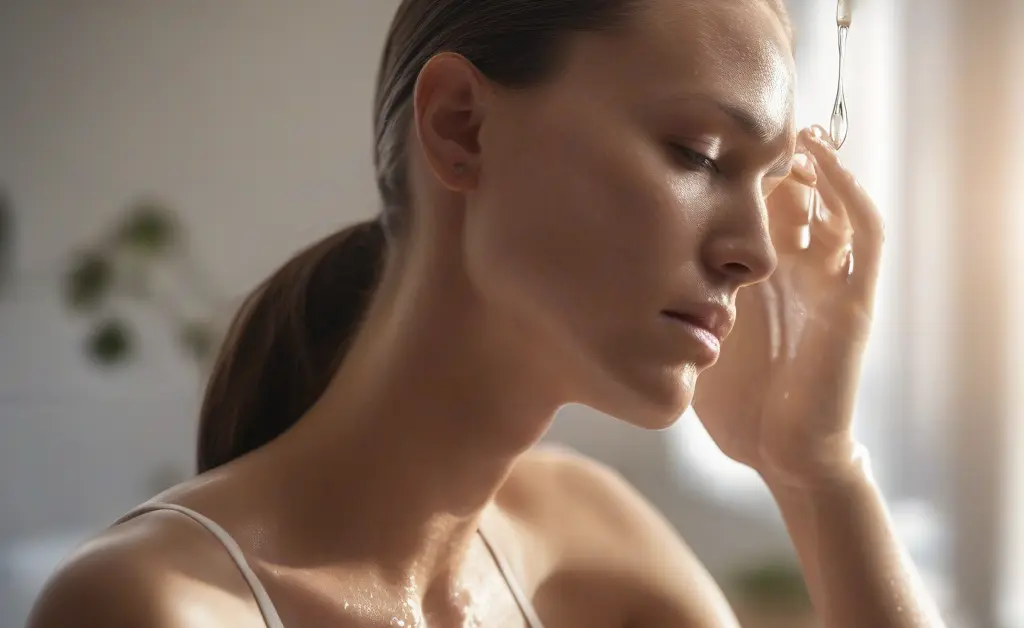
Incorporating reishi mushroom into a hair care regimen can be done in several ways, catering to different preferences and lifestyles. Whether applied directly to the scalp or taken as an internal supplement, the goal is to leverage its unique compounds to support scalp and hair health. The versatility of reishi allows it to be integrated into daily routines with relative ease.
Topical Applications of Reishi Mushroom
Applying reishi mushroom directly to the scalp is a popular method for targeting hair follicles. This can be done using serums, oils, or DIY hair masks that contain reishi extract. Topical application allows the mushroom’s beneficial compounds, such as antioxidants and polysaccharides, to come into direct contact with the skin of the scalp. This method is focused on providing localized support, helping to soothe the scalp, reduce oxidative stress, and nourish the hair roots right at the source.
Reishi Mushrooms in Shampoo: Boost Hair Growth
For those seeking convenience, many hair care brands now include reishi mushroom extract in their shampoo and conditioner formulations. Using a reishi-infused shampoo is an effortless way to introduce the mushroom’s properties into your regular washing routine. These products are designed to cleanse the hair and scalp while delivering the potential benefits of reishi, such as supporting a balanced scalp environment and providing antioxidant protection with every wash.
Oral Supplements for Hair Health
Another approach is to consume reishi mushroom as an oral supplement, available in forms like powders, capsules, or tinctures. This method works systemically, supporting the body’s overall wellness, which in turn can be reflected in the health of your hair. As an adaptogen, reishi taken internally may help the body manage stress, a known factor in hair health. This broader approach often extends to general wellness, including specific reishi mushroom benefits for men. This inside-out approach addresses wellness on a broader scale, and many believe this is an effective way to realize the full spectrum of reishi mushroom benefits for hair and the body as a whole.
Differences Between Reishi Mushroom Extracts for Hair Use
When choosing a reishi product, you may encounter different types of extracts, such as water-based, alcohol-based, or dual extracts. Each extraction method is designed to isolate different types of bioactive compounds. For instance, water extractions are typically rich in polysaccharides, while alcohol extractions are better at drawing out triterpenes. Dual extracts aim to provide a broader spectrum of compounds from the mushroom. While the specific impact of these differences on hair is still being explored, understanding that not all extracts are the same can be helpful when selecting a product.
Precautions and Considerations When Using Reishi Mushroom for Hair
While reishi mushroom is generally considered safe for many people, it is important to approach its use with awareness and caution, as with any new supplement or cosmetic ingredient. Being mindful of product quality and your own body’s reactions is key to a positive experience. Taking simple safety measures can help you enjoy the potential benefits while minimizing risks.
Safety Measures When Using Reishi Mushroom Products
When using reishi topically, it is always wise to perform a patch test first. Apply a small amount of the product to a discreet area of skin, such as the inner arm or behind the ear, and wait to see if any irritation occurs. This helps to rule out potential sensitivities before applying it all over your scalp. For oral supplements, it is important to choose products from reputable manufacturers that perform third-party testing for purity and potency. Discussing the reishi mushroom benefits for hair with a healthcare professional can provide personalized guidance. Specific considerations, such as the use of reishi mushroom and breastfeeding, should always be discussed with a healthcare provider.
Signs of Allergic Reactions to Reishi Mushroom on Scalp
Although uncommon, allergic reactions to topical ingredients can occur. If you apply a reishi-infused product to your scalp, watch for any signs of an adverse reaction. These may include increased redness, itching, swelling, or the development of a rash or bumps on the scalp. If you experience any of these symptoms, you should discontinue use of the product immediately and rinse the area thoroughly with water. Consulting a healthcare provider or dermatologist is recommended if symptoms persist.
Scientific Insights into Reishi Mushroom Benefits for Hair
The interest in reishi mushroom for hair care is supported by a growing understanding of its bioactive components and their mechanisms of action. Scientific research into its antioxidant, immunomodulatory, and other properties provides a framework for how it may positively influence scalp and hair health. Examining these effects helps to move from traditional use to evidence-informed appreciation. Reputable institutions like the NIH often conduct or fund such studies.
Antioxidant Effects of Reishi Mushroom on Hair
The scalp and hair are constantly exposed to oxidative stress from environmental factors like UV radiation and pollution. This stress generates free radicals, unstable molecules that can damage cells, including those in the hair follicles, potentially leading to premature aging of the hair and scalp. Reishi mushrooms are a potent source of antioxidants, such as phenols and flavonoids, which can neutralize these free radicals. By protecting the hair follicles from oxidative damage, reishi’s antioxidant activity helps maintain a healthier scalp and may support the longevity of the hair growth cycle. These protective actions are part of a broader impact that includes other areas, such as potential reishi mushroom benefits for brain health.
Role of Polysaccharides in Hair Care
Polysaccharides, particularly beta-glucans, are among the most studied compounds in reishi mushrooms. These complex carbohydrates are known for their powerful immune-modulating and hydrating properties. When applied topically, they can act as humectants, drawing moisture to the scalp and hair, which helps to prevent dryness and brittleness. Furthermore, their ability to support a balanced immune response may contribute to a calmer, less irritated scalp, creating a more favorable environment for hair to grow.
Impact of Reishi Mushroom on Scalp Microbiome
The scalp, like the gut, has its own unique microbiome—a community of microorganisms that play a crucial role in its health. An imbalance in this microbiome can lead to conditions like dandruff, inflammation, and even hair loss. Emerging research suggests that certain natural compounds can help support a healthy microbial balance. The properties of reishi mushroom may contribute positively to the scalp’s ecosystem, potentially discouraging the overgrowth of undesirable microbes and fostering a balanced environment conducive to healthy hair follicles.
Comparing Reishi Mushroom with Other Natural Hair Care Ingredients
Reishi mushroom holds a unique place in the pantheon of natural hair care ingredients due to its adaptogenic properties. While other botanicals like rosemary oil are known for stimulating circulation or tea tree oil for its antimicrobial effects, reishi offers a more holistic approach by addressing stress, inflammation, and oxidative damage simultaneously. Its value often lies not just in its individual actions but in how it works in concert with the body’s own systems.
Combining Reishi Mushroom with Other Herbs for Hair Benefits
The principles of herbalism often highlight the synergistic effects of combining different plants. Reishi mushroom can be paired with other beneficial herbs to create a more comprehensive hair care formulation. For example, combining it with herbs known to support circulation, like gotu kola or ginseng, could enhance nutrient delivery to the scalp. Similarly, pairing it with nourishing and moisturizing botanicals like aloe vera or hibiscus can create a well-rounded topical treatment. This combination approach allows for a multi-targeted strategy to support overall scalp and hair vitality.
In conclusion, the interest in reishi mushroom as a component of hair care is rooted in its rich history in traditional medicine and supported by modern scientific understanding of its properties. From potentially improving scalp circulation and reducing inflammation to providing powerful antioxidant protection, its multifaceted approach supports the creation of a healthy foundation for hair growth. Whether used topically in shampoos and serums or taken internally as a supplement, reishi offers a holistic way to nourish the hair from the inside out and the outside in. As more people seek natural and integrative solutions, the revered reishi mushroom continues to solidify its place in the world of wellness and beauty.
This article is written for general understanding and not for medical decision-making. The information provided is not intended to be a substitute for professional medical advice, diagnosis, or treatment. Always seek the advice of your physician or another qualified health provider with any questions you may have regarding a medical condition. Do not disregard professional medical advice or delay in seeking it because of something you have read here.
FAQ
What are the main benefits of reishi mushroom for hair?
The **reishi mushroom benefits for hair** are often discussed in relation to its potential to support scalp health and vitality. Its compounds are thought to contribute to a balanced environment on the scalp, which is fundamental for maintaining the appearance of healthy hair. This functional mushroom is recognized for properties that may help maintain the integrity of hair follicles.
How does reishi mushroom reduce scalp inflammation?
Reishi mushroom is known for its triterpenes and polysaccharides, compounds that are relevant to the body’s natural inflammatory responses. These components may help to modulate the body’s internal signals, thereby supporting a calm and less irritated scalp environment. A healthy scalp is crucial for optimal hair appearance.
Can reishi mushroom help with hair growth?
While reishi mushroom doesn’t directly stimulate hair follicles in the same way certain medications might, it plays a role in fostering an environment conducive to healthy hair. By supporting overall scalp health and mitigating factors like oxidative stress, it contributes indirectly to maintaining hair’s natural growth cycle. A well-nourished scalp provides a better foundation for hair.
What is the best way to apply reishi mushroom for hair health?
For supporting hair health, reishi mushroom can be relevant in two primary forms: as an oral supplement or integrated into topical hair care products. When consumed, its compounds are distributed systemically, while topical applications allow for direct interaction with the scalp and hair. Each approach offers a different pathway for its beneficial properties.
Are there any side effects of using reishi mushroom on hair?
When applied topically, reishi mushroom extracts are generally considered mild, though individual sensitivities can vary. It is always important to consider a patch test when introducing any new ingredient to your skin or scalp routine. For oral consumption, potential interactions with medications or pre-existing health conditions should be discussed with a healthcare professional.
How long does it take to see results from reishi mushroom for hair?
The timeframe for observing changes related to reishi mushroom use for hair health is highly individual and is influenced by various personal factors. Consistency in its application or consumption, alongside individual physiological responses, plays a significant role. It is common for benefits from natural approaches to manifest gradually over several weeks or months.
Is reishi mushroom suitable for all hair types?
Reishi mushroom is generally considered compatible with various hair types because its primary actions target scalp health rather than directly altering hair structure. By supporting a balanced and calm scalp environment, it creates a foundation that can benefit different hair textures and conditions. However, individual sensitivities to any ingredient always warrant careful observation.
Can reishi mushroom be combined with other hair care treatments?
Incorporating reishi mushroom into an existing hair care routine is often considered feasible, particularly when using topical products formulated with it or consuming it as a supplement. Its properties, which aim to support scalp vitality, generally complement other treatments focused on hair strength or appearance. When combining various products, it is wise to observe your scalp’s response.