
Exploring How Reishi Mushrooms Can Support Menopause Health
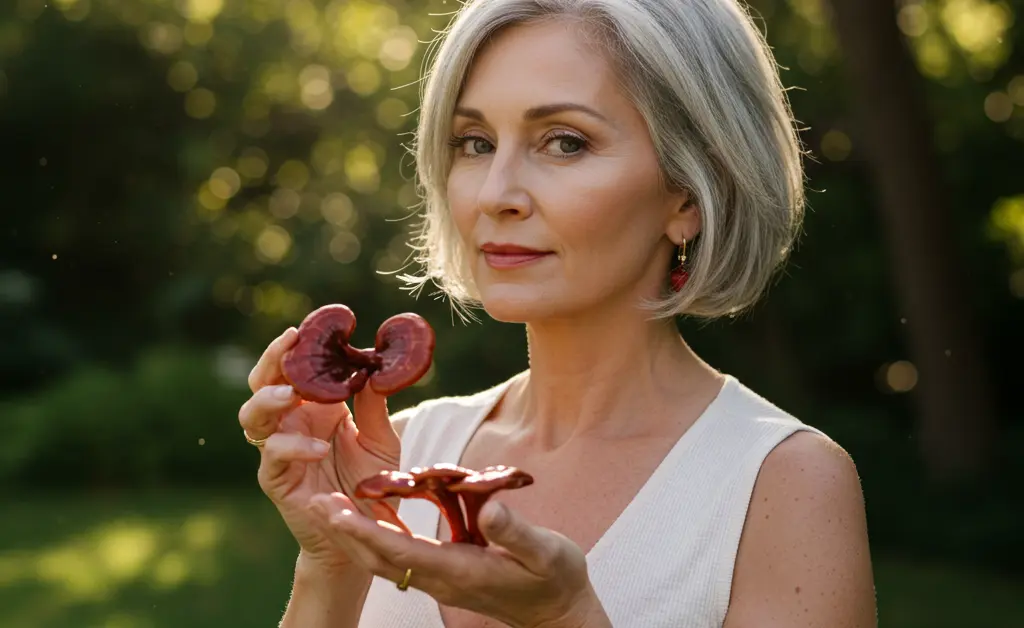
Reishi is a fan-shaped fungus, often referred to as the “mushroom of immortality,” prized in traditional wellness practices for its adaptogenic properties. As an adaptogen, it helps the body manage stress and maintain balance, which are key concerns during the menopausal transition. Women navigating this life stage often experience a wide array of symptoms, from physical discomforts like hot flashes to emotional shifts and sleep disturbances. The holistic properties of this unique mushroom are gaining attention for their potential to provide natural support. This has led many to explore the reishi mushroom benefits for menopause, seeking a gentle way to promote well-being and ease the body’s adjustment. Its influence on the immune system, stress response, and hormonal equilibrium makes it a compelling option for comprehensive menopausal care.
Reishi Mushroom Benefits For Menopause
The menopausal transition can challenge the body’s equilibrium, leading to a host of physical and emotional symptoms. Reishi mushroom, a cornerstone of traditional medicine, is gaining recognition for its potential to offer holistic support during this time. Its adaptogenic qualities mean it may help the body adapt to stressors and find a new state of balance. From calming the nervous system to supporting immune function, reishi addresses several key areas impacted by menopause.
Relationship Between Menopause and Reishi Mushroom
Menopause marks a significant hormonal shift, primarily a decline in estrogen and progesterone. This change affects nearly every system in the body, from temperature regulation to mood and bone density. Reishi mushroom does not replace these hormones but works as an adaptogen, supporting the body’s ability to cope with these changes. It helps modulate the stress response system, known as the HPA axis, which can become overactive during menopause and worsen symptoms like anxiety and sleep disruption.
Reduction of Hot Flushes and Other Symptom Relief
Hot flushes are among the most common and disruptive menopausal symptoms. While direct clinical evidence is still developing, reishi’s potential to provide hot flush relief is linked to its calming and system-balancing properties. By helping to regulate the body’s stress response and supporting overall equilibrium, it may indirectly influence the mechanisms that trigger hot flushes. Furthermore, its antioxidant compounds may help combat the oxidative stress that can be elevated during menopause, contributing to overall symptom management.
Impact on Mood and Sleep
Emotional well-being and sleep quality are often compromised during perimenopause and menopause. Reishi is traditionally revered for its ability to calm the spirit and promote restful sleep. Scientific interest, often documented in sources like PubMed, has focused on its triterpene compounds, which may have a soothing effect on the central nervous system. By fostering a sense of calm and reducing feelings of unease, reishi can create a more conducive state for falling and staying asleep, offering valuable sleep support.
Effects on Bone Health During Menopause
The decline in estrogen during menopause accelerates bone density loss, increasing long-term health concerns. Some studies are exploring how compounds within reishi mushrooms might play a supportive role in bone health. Research suggests that certain extracts could potentially influence the cells responsible for bone remodeling. While not a substitute for established bone health strategies, its inclusion in a holistic wellness plan for menopause may offer complementary benefits.
Influence on Immune System Function in Menopausal Women
Hormonal fluctuations can also impact the effectiveness of the immune system. Reishi is a well-known immune modulator, meaning it helps bring the immune system into balance rather than simply boosting it. For menopausal women, this could mean supporting a more resilient and balanced immune response. The polysaccharides in reishi, particularly beta-glucans, are largely credited with this effect, helping to fortify the body’s natural defenses.
Role in Stress Reduction and Anxiety Management
Menopause can be a period of heightened stress and anxiety. As a powerful adaptogen, reishi helps enhance the body’s resilience to stress. It supports the adrenal glands and helps modulate the output of stress hormones like cortisol. This action can lead to greater emotional stability and a reduction in feelings of anxiety and overwhelm. The comprehensive reishi mushroom benefits for menopause often start with this foundational support for the nervous system, which has a ripple effect on other symptoms.
How Reishi Mushroom Supports Hormonal Balance During Menopause
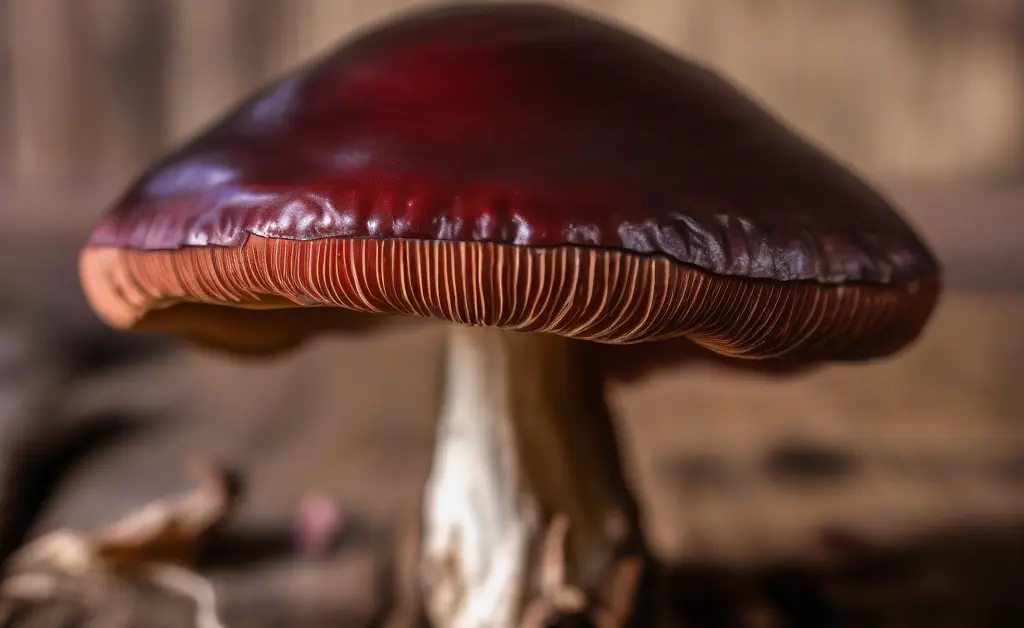
The search for natural menopause remedies often leads to adaptogens that can assist with hormone regulation. Reishi mushroom is of particular interest due to its potential to support the endocrine system without introducing external hormones. It works holistically to encourage the body’s own balancing mechanisms, providing a gentle approach to menopausal symptom management and promoting overall hormonal harmony.
Mechanism of Hormone Regulation by Reishi
Reishi’s role as a hormone regulator is complex and multifaceted. Its compounds, especially triterpenes, are believed to interact with the HPA axis, which governs the production of cortisol. By helping to balance cortisol levels, reishi can alleviate the burden on the endocrine system, allowing for more stable production of other key hormones. While it does not contain phytoestrogens like some other botanicals, its ability to support liver function and reduce systemic inflammation may also contribute to more efficient hormone processing and balance. Many individuals also consider the specific advantages of reishi mushroom for liver health. The full scope of reishi mushroom benefits for menopause is closely tied to this harmonizing effect on the body’s intricate hormonal symphony.
Nutritional Profile of Reishi Mushroom Relevant to Menopause
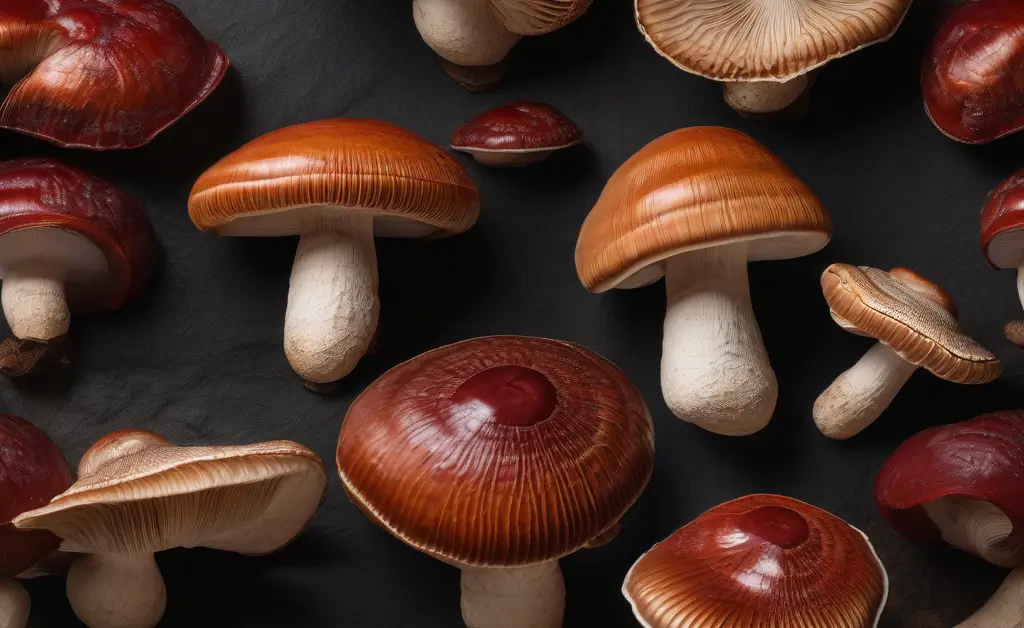
Reishi mushroom contains a wealth of bioactive compounds that contribute to its wellness properties. Its nutritional profile is not based on traditional macronutrients but on unique molecules that interact with the body’s systems. For women in menopause, these components offer a broad spectrum of support that addresses symptoms from multiple angles. Beyond these, some also investigate the potential reishi mushroom benefits for skin health.
The most studied components include:
- Polysaccharides (Beta-glucans): These complex carbohydrates are renowned for their immune-modulating effects, helping to support a balanced immune response during a time of hormonal flux.
- Triterpenes (Ganoderic Acids): This class of compounds gives reishi its characteristic bitter taste and is linked to its calming effects on the nervous system, liver-protective properties, and potential to support hormonal balance.
- Antioxidants: Reishi is rich in antioxidants that help protect cells from damage caused by oxidative stress, which can be heightened by the physiological changes of menopause.
- Peptides and Proteins: Specific proteins found in reishi are also being studied for their unique contributions to its overall health-supporting effects, including immune function.
How to Use Reishi Mushroom During Menopause
Incorporating reishi into a daily wellness routine can be a simple and effective way to access its benefits. The key is finding a form and method that fits seamlessly into your lifestyle, as consistency is often important when working with adaptogens. Different preparations offer varying levels of convenience and can be tailored to individual preferences.
Ways to Incorporate Reishi Mushroom into Daily Routine
Making reishi a part of your day doesn’t have to be complicated. One of the most popular methods is to use a powdered extract, which can be easily stirred into a morning coffee, smoothie, or a cup of warm water to create a simple mushroom tea for menopause. For those who prefer not to taste the mushroom, capsules offer a convenient alternative. Tinctures, which are liquid extracts, can be dropped directly into the mouth or added to any beverage for quick and easy integration.
Different Forms of Reishi Mushroom for Menopause Support
Reishi is available in several forms, each with its own characteristics. Powdered extracts are versatile and widely used in mycotherapy for menopause. Capsules provide a pre-measured, tasteless option. Tinctures are concentrated liquid forms that are absorbed quickly. Finally, dried reishi slices can be used to brew a traditional tea, a process many find grounding and meditative. Exploring the different options can help you find the best way to leverage the reishi mushroom benefits for menopause in your daily life.
Duration and Timing of Use for Optimal Benefits
Adaptogenic mushrooms like reishi are generally thought to work cumulatively, with their benefits becoming more apparent with consistent use over time. Unlike a stimulant, the effects are often subtle and build gradually as the body adapts. There is no universally established rule for how long one should use reishi. Many people choose to incorporate it as a long-term part of their wellness strategy. Listening to your body and consulting with a healthcare professional can help guide your approach.
Potential Side Effects and Precautions of Reishi Mushroom
While reishi is generally considered safe for most people, it’s important to be aware of potential side effects and necessary precautions. As with any supplement, individual reactions can vary, and certain health conditions or medications may warrant caution. Understanding these factors is crucial for using reishi responsibly and safely.
Precautions for Women with Specific Health Conditions
Women with certain pre-existing conditions should exercise caution. Because reishi can influence the immune system, those with autoimmune disorders should speak with their doctor before using it. Similarly, its potential effects on blood pressure and blood clotting mean that individuals with low blood pressure, bleeding disorders, or who are scheduled for surgery should seek professional medical advice. It is also crucial to consult a healthcare provider regarding the use of reishi mushroom during pregnancy. Discussing the potential reishi mushroom benefits for menopause with a knowledgeable practitioner ensures it is an appropriate choice for your specific health profile.
Interactions with Other Supplements or Herbs
Reishi mushroom may interact with certain medications, supplements, or herbs. It is important to be cautious if you are taking anticoagulants, antiplatelet drugs, or medications to lower blood pressure, as reishi may amplify their effects. When considering reishi alongside other natural remedies for menopause, it’s wise to consult with a healthcare provider or a practitioner trained in herbal medicine to avoid potential negative interactions and ensure a safe, coordinated approach to your wellness.
Comparison of Reishi Mushroom with Other Natural Remedies for Menopause
When exploring natural support for menopause, many women encounter a variety of adaptogenic mushrooms and herbs. Reishi holds a unique place due to its profoundly calming and balancing properties. While other fungi, such as Cordyceps, are often sought for boosting energy and athletic performance, reishi is prized for its ability to soothe the nervous system and promote restful sleep.
Unlike botanicals that contain significant amounts of phytoestrogens, which mimic estrogen in the body, reishi works through different pathways. It focuses on supporting the HPA axis and modulating the stress response, providing a foundational approach to menopausal symptom relief. A menopause mushroom blend might combine reishi with other fungi like maitake or lion’s mane to provide a broader spectrum of benefits, from cognitive support to metabolic health. The choice between reishi and other remedies often depends on an individual’s primary symptoms, whether they are more related to stress and sleep or to energy and hormonal deficits.
Ultimately, reishi stands out in mycotherapy for menopause due to its deep-acting, restorative qualities. It offers a way to navigate the menopausal transition by enhancing the body’s own resilience and promoting a state of calm equilibrium, addressing the root causes of many disruptive symptoms.
This content is for informational use and should not be considered medical instruction. The information provided is not intended to be a substitute for professional medical advice, diagnosis, or treatment. Always seek the advice of your physician or another qualified health provider with any questions you may have regarding a medical condition. Never disregard professional medical advice or delay in seeking it because of something you have read in this article.
How does reishi mushroom help with menopause symptoms?
Reishi is recognized as an adaptogen, meaning it may help the body adapt to various stressors. This adaptogenic quality is often linked to supporting overall bodily balance, which can be relevant during the physiological shifts of menopause. Its compounds are explored for their role in contributing to a sense of well-being during this transitional phase.
Can reishi mushroom reduce hot flashes during menopause?
Research has explored various botanicals, including reishi, for their potential influence on menopausal symptoms like hot flashes. The complex biochemical compounds within reishi are thought to interact with bodily systems in ways that might support a more stable internal environment. However, its direct impact on the frequency or intensity of hot flashes is still an area of ongoing scientific investigation.
Is reishi mushroom safe to use for hormone regulation?
Reishi mushroom is not considered a direct hormone regulator in the way pharmaceutical interventions operate. Instead, its adaptogenic properties are thought to support overall systemic balance, which indirectly influences various bodily functions, including those that interact with hormonal pathways. It’s important to consult a healthcare professional to ensure any supplement is appropriate for your individual health profile.
What is the recommended dosage of reishi mushroom for menopause?
Providing specific dosage recommendations falls outside the scope of general educational information. The appropriate intake can vary widely based on the specific product, its concentration, and individual health factors. For personalized guidance, it is always recommended to consult with a qualified health practitioner.
Are there any side effects of taking reishi mushroom during menopause?
While generally well-tolerated by many, some individuals might experience mild digestive upset, dryness of the mouth or throat, or skin rashes when consuming reishi mushroom. As with any supplement, individual responses can differ, and it is prudent to observe how your body reacts. Discussing any new supplement with a healthcare provider is always a wise step, especially if you have pre-existing conditions or are taking other medications.
How long does it take to notice benefits from reishi mushroom during menopause?
The timeframe for experiencing any noticeable effects from reishi mushroom can be highly individual and depends on various personal factors. Consistent use over several weeks or months is often suggested to allow the body to integrate its compounds. It’s important to approach supplementation with patience and realistic expectations, as individual responses are not immediate or universal.
Can reishi mushroom improve sleep quality in menopausal women?
Reishi mushroom is often recognized for its potential to support relaxation and a sense of calm. These qualities are relevant to managing sleep disturbances, which are common experiences for women during menopause. Among the diverse reishi mushroom benefits for menopause, improved sleep quality is one area that researchers and users alike often highlight as a potential positive outcome.
Are there any women who should avoid using reishi mushroom during menopause?
Individuals on anticoagulant medications, those with bleeding disorders, or those awaiting surgery should exercise caution and consult their doctor before using reishi mushroom due to its potential effects on blood clotting. Also, if you have a compromised immune system or are taking immunosuppressants, it’s essential to seek professional medical advice. Always discuss new supplements with a healthcare provider, especially if you have existing health conditions or are undergoing other treatments.