
Understanding the Benefits and Uses of Reishi Mushroom for Anxiety
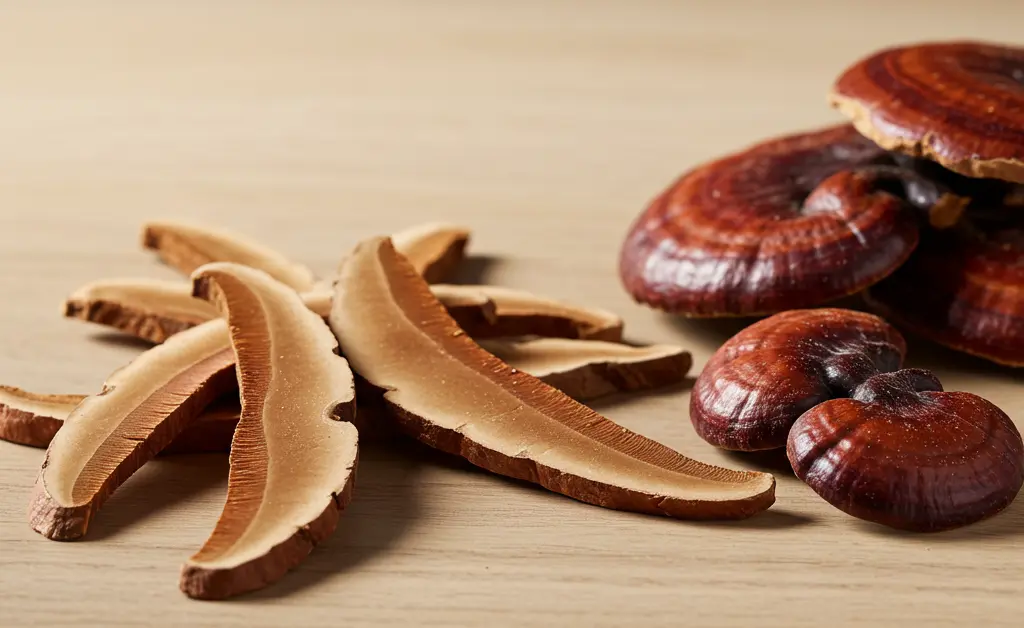
Many individuals seek natural approaches to manage daily stress and promote emotional balance. Could ancient remedies offer modern solutions for mental well-being? This article explores the potential of reishi mushroom for anxiety, a traditional fungus long revered in Eastern medicine for its purported calming properties. We will delve into its active compounds, examine scientific evidence, and discuss its impact on mood and sleep. Understanding how to effectively incorporate this supplement, including various forms, dosage, and potential interactions, is crucial for those considering its use. Our goal is to provide comprehensive, evidence-based insights into this fascinating natural compound.
How Reishi Mushroom May Help with Anxiety
The use of reishi mushroom for anxiety has garnered interest due to its potential to support the body’s natural stress response. As an adaptogenic mushroom, reishi is traditionally believed to help the body adapt to various stressors, contributing to a sense of balance and calm. Its mechanisms are thought to involve complex interactions with the nervous system and immune responses, which collectively may influence mental well-being.
Active Compounds in Reishi Mushroom Related to Anxiety
Reishi mushroom contains a rich array of bioactive compounds, primarily triterpenes and polysaccharides, which are extensively studied for their potential health benefits. Triterpenes, such as ganoderic acids, are thought to contribute to reishi’s adaptogenic and calming effects, potentially by influencing neurotransmitter activity or modulating the body’s stress pathways. Polysaccharides, particularly beta-glucans, are well-known for their immune system support, but they may also play a role in overall physiological balance that indirectly impacts mood and stress levels. Other compounds like peptidoglycans and alkaloids are also present and may contribute to the overall therapeutic profile.
How Reishi Mushroom May Influence Sleep and Anxiety
A significant aspect of managing anxiety often involves improving sleep quality. Reishi mushroom has been traditionally recognized for its potential as a sleep aid, helping to promote relaxation without acting as a sedative. By supporting the body’s ability to achieve a more restful state, reishi may indirectly contribute to reduced feelings of anxiety. A well-rested body and mind are better equipped to handle daily stressors, leading to a more balanced emotional state. This calming influence on the nervous system may help individuals transition more easily into sleep and maintain deeper rest, which is crucial for overall mental well-being and stress reduction.
Traditional Uses of Reishi Mushroom for Mental Well-being
For centuries, traditional Eastern medicine has valued reishi mushroom, also known as Lingzhi, for its profound impact on mental and spiritual health. It was often referred to as the “mushroom of immortality” and was used by monks and spiritual practitioners to enhance meditation and promote inner peace. Its traditional applications included soothing the spirit, calming the mind, and alleviating symptoms of unease and restlessness. This historical context underscores a long-standing belief in reishi’s capacity to support emotional balance and contribute to overall mental well-being, paving the way for modern research into its adaptogenic and calming properties for stress reduction.
Scientific Evidence Supporting Reishi Mushroom for Anxiety
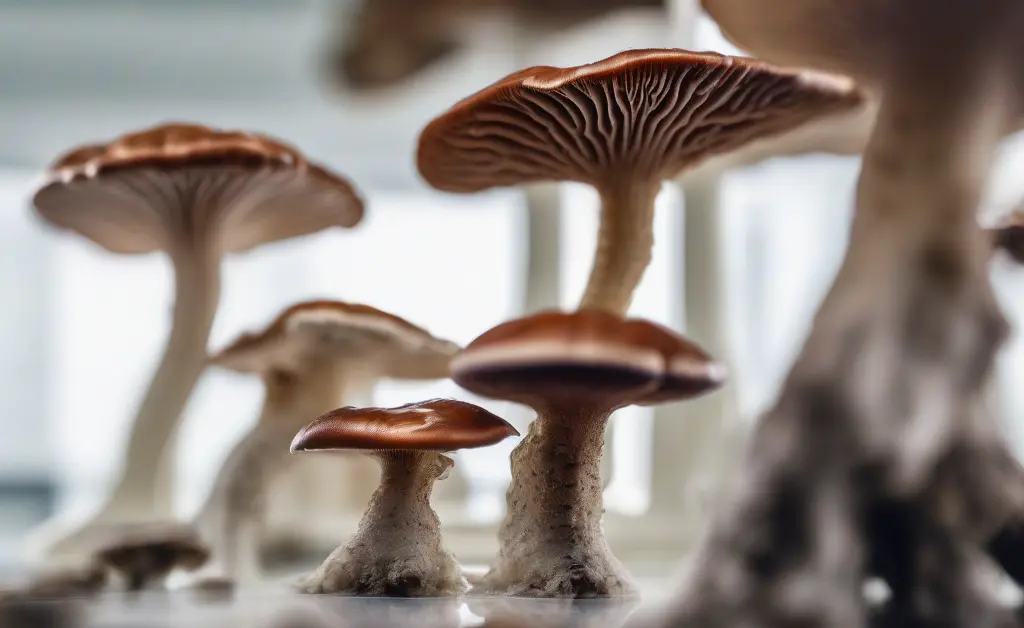
While traditional use offers valuable insight, contemporary scientific research seeks to validate the specific benefits of reishi mushroom for anxiety. A growing number of studies aim to understand the underlying mechanisms through which this adaptogenic mushroom might exert its calming effects and support mental health. These investigations often focus on reishi’s impact on stress responses, mood regulation, and sleep patterns, providing a more evidence-based perspective on its potential utility.
Scientific Studies on Reishi Mushroom and Anxiety Symptoms
Several clinical studies have explored the effects of reishi mushroom on stress and anxiety-related symptoms. While human trials are still emerging, some research suggests that regular use may contribute to an improvement in general well-being, including perceived stress and mood states. These studies often observe reishi’s influence on various physiological markers associated with stress, as well as subjective reports from participants regarding their emotional state. The findings, though sometimes preliminary, indicate a potential role for reishi mushroom in supporting the body’s resilience to stress and promoting a more balanced emotional state, which could be beneficial for those seeking natural anxiety relief. More comprehensive research is often supported by institutions like the National Institutes of Health.
User Experiences and Anecdotal Evidence
Beyond formal scientific studies, a significant body of user experiences and anecdotal evidence points to the perceived benefits of reishi mushroom for anxiety. Many individuals who incorporate reishi into their daily routines report feeling a greater sense of calm, improved sleep quality, and a reduced intensity of stress responses. While such personal accounts are not a substitute for rigorous scientific validation, they often provide valuable direction for further research and reflect a general sentiment of positive impact on mental well-being. These narratives frequently describe reishi as an adaptogen that helps the body cope more effectively with daily pressures, contributing to overall mood enhancement and a more relaxed state.
How to Use Reishi Mushroom for Anxiety

When considering how to incorporate reishi mushroom supplement for anxiety, understanding the various forms available and how to select quality products is essential. As with any natural supplement, consistency and informed choices are key to potentially experiencing its benefits. There are several ways to consume reishi, each with its own characteristics, and selecting the right product involves careful consideration of purity and potency.
Differences Between Reishi Mushroom Forms for Anxiety
Reishi mushroom is available in several forms, each offering distinct advantages. Powders, often made from dried and ground reishi fruiting bodies or mycelium, can be easily added to smoothies, teas, or other foods. Extracts, usually in liquid or capsule form, are typically more concentrated, meaning their bioactive compounds are more readily available. Tinctures, alcohol-based liquid extracts, offer another concentrated option. Capsules provide a convenient and pre-measured dose, ideal for those who prefer not to taste the mushroom. Another popular way to incorporate this mushroom is through reishi mushroom coffee, blending its benefits with a daily ritual. The choice of form often depends on personal preference, lifestyle, and the desired concentration of active ingredients, with extracts often favored for their potency and ease of absorption.
Guidelines for Selecting Quality Reishi Mushroom Products
Selecting a high-quality reishi mushroom product is crucial for safety and efficacy. Look for products that clearly state the source of the mushroom and whether it’s made from fruiting bodies, mycelium, or a combination. Fruiting body extracts are often preferred for their higher concentration of beneficial compounds. Transparency about extraction methods (e.g., hot water extraction, dual extraction) is also important, as different compounds are extracted more effectively through specific processes. Opt for products that are third-party tested for purity, potency, and absence of contaminants like heavy metals or pesticides. Organic certification can further assure quality. Checking for standardization of key compounds like polysaccharides or triterpenes can also be an indicator of a well-formulated product.
How long does reishi take to work for anxiety?
The time it takes for reishi mushroom to potentially exert its effects on anxiety can vary significantly among individuals. Unlike some pharmaceutical interventions that may produce immediate results, natural adaptogens like reishi often work more gradually, supporting the body’s systems over time. Many users report observing subtle changes in their stress response, mood, and sleep patterns after consistent use. It is generally understood that the full adaptogenic benefits, including contributions to stress reduction and mental well-being, may become more apparent with regular intake rather than after just a few uses. Patience and consistency are often highlighted as important factors in evaluating its potential impact.
Duration and Consistency of Use for Anxiety Effects
To experience the potential benefits of reishi mushroom for anxiety, consistent and prolonged use is often recommended. Natural compounds that support adaptogenic processes typically require time to integrate with the body’s systems and help re-establish balance. It is not uncommon for individuals to use reishi consistently over several weeks or even months before noticing a discernible difference in their stress levels, mood stability, or sleep quality. Regular intake allows the body to gradually respond to the mushroom’s bioactive compounds, supporting its natural adaptive mechanisms. Interrupting use frequently may diminish the cumulative effects that contribute to long-term mental well-being and stress reduction.
Potential Benefits of Reishi Mushroom for Anxiety
Beyond its traditional use as a calming agent, ongoing research continues to explore the broader potential benefits of reishi mushroom for anxiety and overall well-being. Its classification as an adaptogen suggests a holistic influence on the body’s ability to cope with various stressors, which can have far-reaching effects on mental and emotional states. The adaptogenic properties of reishi mushroom for anxiety are believed to contribute to a more resilient physiological and psychological state, promoting inner balance.
Impact on Mood and Stress Levels
Reishi mushroom is frequently discussed in the context of mood enhancement and stress reduction. Its adaptogenic properties are thought to help the body manage the physiological impacts of stress more effectively, potentially by modulating the release of stress hormones. By supporting the nervous system, reishi may contribute to a more balanced emotional state, helping individuals feel more composed in challenging situations. This calming influence can lead to a noticeable improvement in overall mood and a reduced perception of daily stressors, fostering a greater sense of peace and mental clarity. It is believed to support the body’s natural resilience, allowing for a more harmonious internal environment.
Safety and Side Effects of Reishi Mushroom for Anxiety

While reishi mushroom is generally considered well-tolerated by many, it is important to be aware of potential safety considerations, especially when integrating it into a routine for anxiety relief. As with any natural supplement, individual responses can vary, and understanding possible interactions or precautions is a key part of informed use. Awareness of potential side effects, though typically mild, helps ensure a safer experience.
Possible Interactions with Other Supplements
When considering reishi mushroom for anxiety, it’s important to be mindful of its potential interactions with other supplements. While reishi is often consumed alongside other herbal remedies or vitamins, some of its active compounds, particularly triterpenes, may influence certain physiological pathways. It is always prudent to consult with a healthcare professional before combining reishi with other supplements, especially those that may have blood-thinning properties or affect blood pressure, to ensure there are no unintended effects or altered efficacy.
Precautions When Using Reishi Mushroom for Anxiety
Although generally considered safe for most people, some precautions should be observed when using reishi mushroom for anxiety. It is advisable to begin with a smaller amount to assess individual tolerance before increasing to the recommended intake. It is important to understand the appropriate reishi mushroom dosage for your specific needs. While rare, some individuals may experience mild side effects such as digestive upset, dry mouth, or skin rash. Concerns about Reishi mushroom liver toxicity have been raised in isolated cases, often associated with specific types of preparations or pre-existing conditions, highlighting the importance of choosing high-quality, pure products and discussing use with a healthcare provider, particularly for those with liver conditions or who are taking medications.
Comparison of Reishi Mushroom with Other Natural Remedies for Anxiety
In the broad landscape of natural anxiety relief, reishi mushroom occupies a unique position. Unlike some herbal remedies that primarily act as sedatives, reishi is valued for its adaptogenic properties, which aim to support the body’s overall resilience to stress rather than simply mask symptoms. Other natural solutions, such as chamomile or valerian root, are often used for their direct calming or sleep-inducing effects. Many individuals also consider the distinct properties of other medicinal mushrooms like reishi mushroom vs lions mane when choosing supplements for cognitive and emotional health. In contrast, reishi’s potential benefits extend to immune system support and general mental well-being, making it a more holistic option for stress reduction and mood enhancement. Its traditional use points to a long history of supporting calm and focus, offering a distinct approach compared to remedies focused solely on immediate relaxation. This broader scope makes reishi an appealing choice for those seeking comprehensive support for their mental and emotional health.
Reishi mushroom presents a compelling natural option for individuals seeking support for anxiety and overall mental well-being. Its traditional use, coupled with emerging scientific evidence, suggests its adaptogenic properties may contribute to stress reduction, improved mood, and better sleep. By influencing the body’s stress response and nervous system, reishi aims to foster a greater sense of calm and balance. When considering its integration into a wellness routine, understanding the various forms, selecting quality products, and recognizing the importance of consistent use are paramount. As with any natural supplement, individual experiences can vary, and careful consideration of safety and potential interactions is always recommended to ensure an informed and beneficial approach.
This content is for informational use and should not be considered medical instruction. It is not intended to provide medical advice, diagnosis, or treatment. Always consult with a qualified healthcare professional before making any decisions about your health, diet, or starting any new supplement regimen. Individual results from natural supplements can vary, and specific health concerns should always be addressed by a healthcare provider.
FAQ
Does reishi mushroom really help reduce anxiety?
Reishi mushroom for anxiety has been studied for its potential adaptogenic properties, which are relevant to helping the body manage stress. Its compounds are thought to interact with various systems that influence relaxation and emotional balance.
How long does it take for reishi mushroom to affect anxiety?
The timeline for experiencing any effects from Reishi mushroom can vary significantly among individuals. Functional mushrooms generally work through cumulative effects, meaning consistent use over weeks or months is often associated with their potential benefits rather than immediate results.
Are there any side effects of taking reishi mushroom for anxiety?
While Reishi mushroom is generally well-tolerated, some individuals may experience mild side effects such as digestive upset, dry mouth, or dry throat. These instances are typically rare and can depend on individual sensitivity.
What is the best way to take reishi mushroom for anxiety?
Reishi mushroom is commonly available in various forms, including powdered extracts and tinctures. Consistent intake as part of a wellness routine is often considered relevant to its potential long-term influence.
Can reishi mushroom be used alongside anxiety medications?
It is crucial to discuss the use of Reishi mushroom with a healthcare professional, especially if you are currently taking any anxiety medications. There is always a possibility of interactions between supplements and prescription drugs, making professional guidance essential.
Is reishi mushroom safe for long-term use for anxiety?
Many studies indicate that Reishi mushroom is generally safe for long-term consumption when used appropriately. However, it’s always advisable to monitor your body’s response and consult with a healthcare provider for personalized guidance regarding extended use.
What forms of reishi mushroom are most effective for anxiety?
Concentrated extracts, such as hot-water or dual extracts, are often preferred as they contain a higher concentration of the beneficial compounds found in Reishi mushroom. These methods are designed to make compounds like triterpenes and polysaccharides more bioavailable.
Are there any groups of people who should avoid reishi mushroom for anxiety?
Certain groups should exercise caution or avoid Reishi mushroom, including pregnant or breastfeeding individuals due to insufficient research. Those on anticoagulant medications or with upcoming surgical procedures should also consult a healthcare provider, as Reishi may impact blood clotting.