
Understanding the Differences and Benefits of Reishi and Lion’s Mane Mushrooms
Mushrooms have long been revered in traditional wellness practices, and two stand out for their distinct health-promoting properties: Reishi and Lion’s Mane. Often lauded for their adaptogenic qualities and potential to support overall well-being, these fungi offer unique profiles that cater to different needs. Understanding their individual characteristics, from their historical uses to their active compounds, is crucial for anyone looking to incorporate them into their health regimen. This comprehensive guide aims to illuminate the nuanced differences and specific benefits of each, providing clarity for those navigating the expanding world of medicinal mushrooms. Delving into areas suchs as cognitive function, immune support, and stress management, we explore what sets these powerful natural agents apart. By comparing reishi mushroom vs lion’s mane, we can discern which might best align with individual wellness goals, empowering informed choices for enhanced vitality.
Reishi Mushroom vs Lion’s Mane: Overview and Key Characteristics
When examining reishi mushroom vs lion’s mane, it’s important to first understand their fundamental characteristics, from how they appear in nature to their traditional roles and the unique compounds they contain. While both are celebrated for their medicinal qualities, their specific attributes can vary significantly.
Physical Appearance and Growth Habits
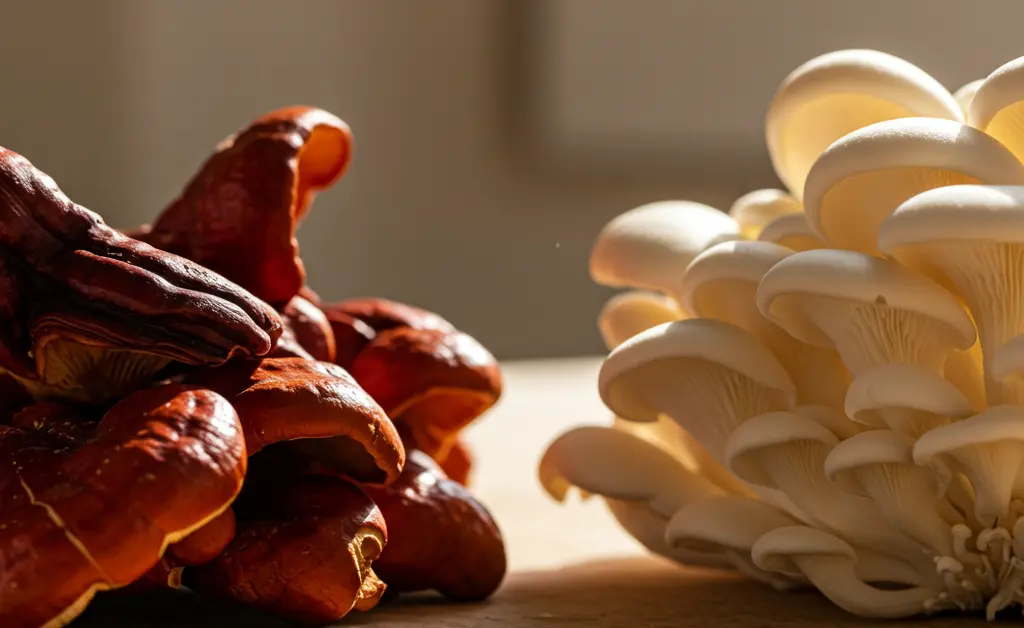
The Reishi mushroom (Ganoderma lucidum or lingzhi) is easily identifiable by its distinctive kidney-shaped, reddish-brown cap with a shiny, lacquered appearance. It typically grows on the base and stumps of deciduous trees, particularly hardwoods like oak and maple, in hot and humid regions of Asia. Its woody texture makes it unsuitable for culinary dishes in its whole form, often being consumed as an extract or tea.
In contrast, the Lion’s Mane mushroom (Hericium erinaceus) possesses a unique, shaggy appearance resembling a cascade of icicles or a white pom-pom. It lacks a traditional cap and stem, instead featuring long, cascading spines. This mushroom commonly grows on dead or dying broadleaf trees in temperate forests across North America, Europe, and Asia. Unlike Reishi, Lion’s Mane has a delicate texture and mild, seafood-like flavor, making it a popular culinary ingredient in addition to its use as a supplement.
Historical and Cultural Significance
Reishi mushroom boasts a profound history, particularly in traditional Chinese medicine, where it has been known as the “Mushroom of Immortality” or “Divine Mushroom” for over two millennia. Its cultural significance is deeply rooted in beliefs surrounding longevity, spiritual potency, and overall well-being. Historically, it was reserved for emperors and the elite, symbolizing health and prosperity. Its adaptogenic properties were prized for balancing the body’s systems and promoting vitality.
Lion’s Mane also holds a place in traditional East Asian medicine, especially in China and Japan. Historically, it was valued for its potential to support digestive health and nerve function. Buddhist monks were said to use Lion’s Mane to enhance focus and concentration during meditation, reflecting its association with cognitive clarity. In culinary traditions, it has been enjoyed for its unique texture and flavor, often prepared as a meat substitute.
Active Compounds in Reishi and Lion’s Mane
The therapeutic benefits of both mushrooms are attributed to their rich profiles of bioactive compounds. Reishi mushroom is particularly known for its triterpenes and polysaccharides. Triterpenes, such as ganoderic acids, are thought to contribute to its adaptogenic, anti-inflammatory, and immune-modulating effects. Polysaccharides, especially beta-glucans, are well-studied for their immune-enhancing properties.
Lion’s Mane contains unique compounds called hericenones, primarily found in the fruiting body, and erinacines, which are predominantly found in its mycelium. These compounds are of particular interest to researchers for their potential to stimulate nerve growth factor (NGF) production, which plays a critical role in brain health and nerve regeneration. Lion’s Mane also contains polysaccharides that contribute to its overall health benefits.
Nutritional Profiles of Reishi Mushroom vs Lion’s Mane
A comparative look at the nutritional profiles of reishi mushroom vs lion’s mane reveals distinct contributions to overall health, although both offer valuable nutrients. Both mushrooms are low in calories and fat, making them healthy additions to a balanced diet. They also provide dietary fiber, which is important for digestive health.
Reishi mushroom, while not typically consumed for its taste or texture, contains a complex array of micronutrients. It provides essential minerals such as potassium, calcium, magnesium, selenium, iron, and zinc. It also contains B vitamins, including niacin and riboflavin. Beyond these basic nutrients, its primary nutritional value stems from its unique bioactive compounds: the triterpenes and polysaccharides, which are recognized for their profound biological activities.
Lion’s Mane, often enjoyed for its culinary versatility, offers a more palatable nutritional package. It is a source of plant-based protein and contains several B vitamins, including thiamine, riboflavin, and niacin, as well as minerals like potassium, zinc, and iron. Its fiber content is also notable. However, similar to Reishi, its most significant nutritional contributions come from its unique secondary metabolites, such as hericenones and erinacines, which are studied for their potential neurological benefits.
In essence, while both offer foundational nutrients, Reishi is predominantly valued for its complex therapeutic compounds, whereas Lion’s Mane combines these unique compounds with a more accessible and enjoyable nutritional profile for general consumption.
Potential Benefits of Reishi Mushroom vs Lion’s Mane

Exploring the potential benefits of reishi mushroom vs lion’s mane highlights their unique therapeutic applications, although there can be some overlap in their general health-promoting properties. Both are recognized for their adaptogenic qualities and their ability to support overall well-being, but they often excel in different areas.
Effects on Cognitive Function
Lion’s Mane mushroom has garnered significant attention for its potential to support cognitive function and brain health. Research suggests that the hericenones and erinacines present in Lion’s Mane may stimulate the production of nerve growth factor (NGF), a protein crucial for the growth, maintenance, and survival of neurons. This has led to studies exploring its potential to improve memory, focus, and overall cognitive performance, as well as its neuroprotective properties and potential role in nerve regeneration.
Reishi mushroom, while not directly linked to NGF production, may offer indirect cognitive support. Its adaptogenic properties help the body manage stress, which can significantly impact cognitive clarity and focus. By promoting a sense of calm and potentially improving sleep quality, Reishi may help create an optimal environment for brain function, indirectly aiding concentration and mental well-being.
Impact on Immune Health
Both Reishi and Lion’s Mane are recognized for their immune-modulating properties. Reishi mushroom is particularly celebrated for its potent effects on the immune system. Its polysaccharides, especially beta-glucans, are well-known for their ability to interact with immune cells, potentially enhancing their activity and helping the body mount an effective defense. As an adaptogen, Reishi may help balance immune responses, supporting both underactive and overactive immune states. To learn more about general health topics and scientific research, resources from the NIH can be highly informative.
Lion’s Mane also contributes to immune health, with studies indicating its potential to support the immune system, especially in the gut. A significant portion of the body’s immune system resides in the gut, and Lion’s Mane’s prebiotics and anti-inflammatory effects may contribute to a healthy gut microbiome, which in turn supports overall immunity.
Influence on Mood and Stress Levels
Reishi mushroom is highly regarded as an adaptogen that may help the body cope with stress. Its compounds may help regulate the body’s stress response, promoting a sense of calm and reducing feelings of anxiety. Many traditional users and modern consumers report that Reishi helps improve sleep quality, which is intrinsically linked to mood stability and stress management. Its potential to balance energy levels without stimulation also contributes to overall emotional well-being.
Lion’s Mane, through its potential neurotrophic effects, may also influence mood. By supporting brain health and neuronal plasticity, it could indirectly contribute to better mood regulation. Some preliminary research has explored its potential role in alleviating symptoms of mild anxiety and depression, possibly through its effects on neural pathways and inflammatory markers.
Antioxidant Properties
Both Reishi and Lion’s Mane contain a variety of compounds with antioxidant properties. Antioxidants are crucial for combating oxidative stress, which is caused by free radicals and can contribute to cellular damage and various health concerns. Reishi’s triterpenes and polysaccharides are known to exhibit significant antioxidant activity, helping to protect cells from oxidative damage.
Similarly, Lion’s Mane contains phenolic compounds and other antioxidants that may help neutralize free radicals. These properties contribute to the overall protective effects of both mushrooms, supporting cellular health and potentially reducing the risk of chronic conditions linked to oxidative stress.
Anti-inflammatory Effects
Chronic inflammation is a root cause of many health issues, and both Reishi and Lion’s Mane are studied for their potential anti-inflammatory effects. Reishi’s triterpenes are particularly noted for their ability to modulate inflammatory pathways in the body. This may contribute to its broad range of health benefits, from immune support to stress reduction.
Lion’s Mane also demonstrates potential anti-inflammatory activity. Its unique compounds, such as hericenones and erinacines, along with its polysaccharides, may help to calm inflammatory responses, particularly in the gut and brain. This anti-inflammatory action is one of the mechanisms through which Lion’s Mane may exert its neuroprotective and cognitive-enhancing effects.
Comparing Reishi Mushroom and Lion’s Mane: Similarities and Differences
Understanding the nuanced comparison of reishi mushroom vs lion’s mane helps clarify their individual strengths and informs decisions on which might be most suitable for specific health goals. While both are powerful adaptogens with a long history in traditional medicine, their primary areas of influence and key active compounds set them apart.
Similarities:
- Adaptogenic Properties: Both mushrooms are classified as adaptogens, meaning they may help the body adapt to various stressors and promote balance within its systems.
- Immune Support: Both contain polysaccharides (beta-glucans) that are recognized for their immune-modulating effects, helping to support a healthy immune response.
- Antioxidant Activity: Both possess compounds that act as antioxidants, helping to combat oxidative stress and protect cells from damage.
- Anti-inflammatory Effects: Both mushrooms are studied for their potential to modulate inflammatory pathways in the body.
- Traditional Use: Both have been revered in traditional East Asian medicine for centuries for their health-promoting qualities.
- Overall Well-being: Both contribute to a general sense of vitality and well-being through their synergistic effects on various bodily systems.
Differences:
- Primary Focus:
- Reishi: Often considered a general tonic for overall well-being, stress management, immune system balancing, and promoting calm and sleep.
- Lion’s Mane: Primarily known for its profound effects on cognitive function, nerve health, and potential nerve regeneration.
- Key Bioactive Compounds:
- Reishi: Rich in triterpenes (e.g., ganoderic acids) and peptidoglycans, alongside polysaccharides.
- Lion’s Mane: Contains unique hericenones (in the fruiting body) and erinacines (in the mycelium), in addition to polysaccharides.
- Appearance and Taste:
- Reishi: Woody, bitter, reddish-brown, shiny cap; typically consumed as an extract or tea, not culinary.
- Lion’s Mane: Shaggy, white, pom-pom-like; has a mild, savory, seafood-like taste and is enjoyed culinarily as well as in supplement form.
- Mechanism of Action:
- Reishi: Modulates immune responses and stress hormones through adaptogenic pathways, promoting relaxation.
- Lion’s Mane: Directly associated with potentially stimulating nerve growth factor (NGF) production, thereby supporting neuronal health.
Safety and Side Effects of Reishi Mushroom vs Lion’s Mane

While Reishi and Lion’s Mane mushrooms are generally considered safe for most individuals, understanding potential precautions and side effects is crucial before incorporating them into a wellness regimen. As with any natural product, individual reactions can vary.
Precautions and Possible Side Effects
Reishi Mushroom:
- Mild Digestive Upset: Some individuals may experience mild digestive discomfort, such as stomach upset, diarrhea, or dry mouth, especially at the beginning of use.
- Allergic Reactions: Though rare, allergic reactions like skin rashes or respiratory issues are possible.
- Blood Thinners: Reishi may have anti-platelet effects, which could theoretically increase the risk of bleeding in individuals taking anticoagulant medications (blood thinners) or those with bleeding disorders.
- Immunosuppressants: Due to its immune-modulating properties, Reishi might interfere with immunosuppressant drugs.
- Blood Pressure/Blood Sugar: Reishi may potentially lower blood pressure and blood sugar levels. Individuals on medications for these conditions should use caution and monitor levels closely.
- Pregnancy and Breastfeeding: There is insufficient scientific evidence on the safety of Reishi during pregnancy and breastfeeding. It is generally advisable to avoid use or consult a healthcare professional.
Lion’s Mane Mushroom:
- Mild Digestive Upset: Similar to Reishi, some users might experience mild stomach discomfort, bloating, or diarrhea.
- Allergic Reactions: Although uncommon, allergic reactions such as skin itching or rash, and respiratory symptoms, are possible, particularly in individuals with mushroom allergies.
- Drug Interactions: While generally considered to have fewer drug interactions than Reishi, individuals taking any medications, especially those affecting blood clotting or blood sugar, should exercise caution and consult a healthcare provider.
- Pregnancy and Breastfeeding: Limited research is available regarding the safety of Lion’s Mane during pregnancy and breastfeeding. It is best to consult a healthcare professional before use.
It is always recommended to start with a lower dose to assess tolerance and to consult with a qualified healthcare professional, especially if you have existing health conditions, are taking medications, or are pregnant or breastfeeding, before adding Reishi or Lion’s Mane to your routine.
Choosing Between Reishi Mushroom and Lion’s Mane Based on Your Needs
The choice between Reishi mushroom and Lion’s Mane largely depends on your individual health goals. If you’re looking for support with stress management, immune system balance, and overall vitality, Reishi might be the more suitable option. If your primary focus is on cognitive enhancement, memory, focus, or nerve health, Lion’s Mane would likely be more beneficial. Both can contribute to general well-being, but their distinct strengths often guide selection.
Forms Available for Consumption
- Extract Powders: These are concentrated forms, often hot water or dual extracts, which can be mixed into beverages like coffee, tea, smoothies, or food. Many also enjoy adding reishi mushroom coffee to their morning routine. This is a common and versatile way to consume both mushrooms.
- Capsules/Tablets: Convenient for consistent dosing, capsules contain dried mushroom powder or concentrated extracts. For those seeking convenient daily intake, a reishi mushroom supplement in capsule form is a popular choice.
- Tinctures: Liquid extracts made using alcohol or glycerin, providing a highly bioavailable form that can be taken directly or added to drinks. A reishi mushroom tincture provides a potent liquid extract for easy absorption.
- Teas: Dried slices or powdered Reishi are often steeped to make a traditional tea. Lion’s Mane can also be used this way, though less common.
- Culinary (Lion’s Mane only): Fresh Lion’s Mane mushroom can be cooked and eaten, offering a delicious and nutritious addition to meals.
How to Choose Quality Supplements
Selecting high-quality supplements is paramount to ensure efficacy and safety. Look for the following indicators:
- Reputable Brands: Choose brands known for transparency, good manufacturing practices (GMP), and quality control.
- Third-Party Testing: Independent lab testing verifies purity, potency, and absence of contaminants like heavy metals, pesticides, and microbial growth.
- Organic Certification: Ensures the mushrooms are grown without synthetic pesticides or fertilizers.
- Fruiting Body vs. Mycelium: For Reishi, fruiting body extracts are generally preferred for their higher concentration of beneficial compounds. For Lion’s Mane, while the fruiting body contains hericenones, the mycelium is rich in erinacines, so some high-quality supplements may specify a blend or focus on one. Understanding what part of the mushroom is used is key.
- Extraction Method: Hot water extraction is common for polysaccharides, while dual extraction (water and alcohol) is often used for Reishi to extract both water-soluble (polysaccharides) and alcohol-soluble (triterpenes) compounds.
- Standardization: Some extracts are standardized to a certain percentage of active compounds, such as polysaccharides or triterpenes, indicating potency.
Considerations for Combining Both Mushrooms
It is possible to combine both Reishi and Lion’s Mane, as their different primary benefits can be complementary. Reishi’s adaptogenic and immune-modulating effects can create a foundation of overall well-being and stress resilience, while Lion’s Mane can then target cognitive and nerve health. This synergistic approach may offer a broader spectrum of benefits, addressing both mental clarity and physical balance.
However, when combining, it is still advisable to start with lower doses of each and observe your body’s response. Consulting with a healthcare professional is recommended, especially if you have underlying health conditions or are taking other medications, to ensure there are no contraindications and to determine appropriate dosages for your specific needs.
Ultimately, both Reishi and Lion’s Mane mushrooms offer compelling benefits for health and well-being, each with its unique strengths. Reishi stands out for its adaptogenic properties, immune system support, and calming influence, making it ideal for stress management and overall vitality. Lion’s Mane shines in the realm of cognitive function and nerve health, with its potential to enhance memory, focus, and neuroprotection. By understanding the distinct profiles of these remarkable fungi, individuals can make informed decisions to align their choices with their specific health objectives, whether seeking a boost in mental clarity or a deeper sense of internal balance. Incorporating either, or both, into a mindful wellness routine can contribute to a holistic approach to health, empowering individuals to support their bodies and minds naturally.
The information presented in this article is educational and not meant as professional medical counsel. This content is intended for informational purposes only and should not be used as a substitute for professional medical advice, diagnosis, or treatment. Always seek the advice of your physician or other qualified health provider with any questions you may have regarding a medical condition or before making any decisions about your health. Never disregard professional medical advice or delay in seeking it because of something you have read in this article.
FAQ
What are the main differences between reishi and lion’s mane mushrooms?
The primary differences in reishi mushroom vs lion’s mane lie in their distinct traditional uses and proposed benefits; reishi is often associated with immune support and relaxation, while lion’s mane is recognized for its potential cognitive effects. Reishi contains triterpenes and polysaccharides linked to its adaptogenic properties, whereas lion’s mane is known for hericenones and erinacines, compounds relevant to nerve growth factor production.
Which mushroom is better for improving brain function?
Lion’s mane is particularly renowned for its potential to support brain function and cognitive health. It contains unique compounds called hericenones and erinacines, which are studied for their role in encouraging the production of nerve growth factor (NGF). This activity is linked to neuronal health and communication within the brain.
Can reishi and lion’s mane mushrooms be taken together?
Many people choose to incorporate both reishi and lion’s mane into their wellness routines, often viewing their potential benefits as complementary. Because their primary areas of traditional focus are distinct—reishi for immune balance and calm, lion’s mane for cognitive support—they are not typically seen as redundant when used concurrently.
What are the traditional uses of reishi and lion’s mane mushrooms?
Historically, reishi has been highly valued in traditional Eastern practices for its purported adaptogenic qualities, often used to promote balance, support a calm mind, and bolster general well-being. Lion’s mane has a rich history in traditional Chinese medicine for nourishing the spleen and gut, and more recently, for its association with mental clarity.
How do the nutritional contents of reishi and lion’s mane compare?
While both reishi and lion’s mane contain beneficial polysaccharides, their unique functional compounds are quite different. Reishi is particularly rich in triterpenes that contribute to its adaptogenic profile, while lion’s mane stands out for its hericenones and erinacines, which are specific to its neurological relevance. Both mushrooms offer a range of naturally occurring vitamins, minerals, and amino acids.