
Sautéed Cremini Mushrooms, Cooked to Perfection
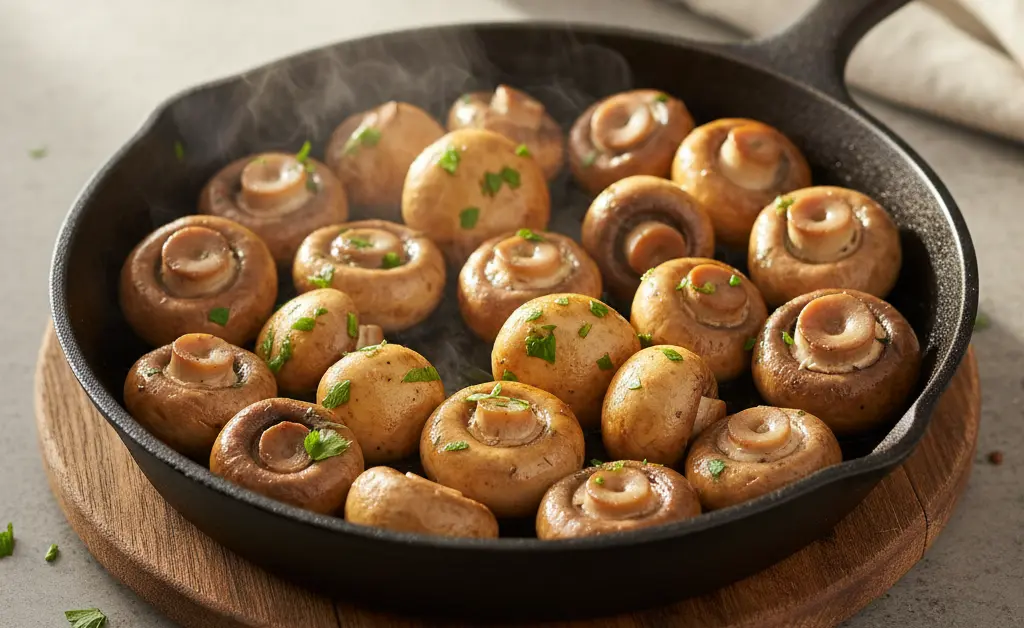
You’ve just pulled out a pan, a steak is searing, or pasta is boiling, and you’re contemplating a side that’s both simple and elegant. There’s a certain magic in transforming humble ingredients into something truly special. This is precisely where perfectly sautéed cremini mushrooms shine. With their earthy flavor and meaty texture, they can elevate almost any dish, from a quick weeknight dinner to a sophisticated entrée. Achieving that ideal golden-brown exterior and tender interior requires specific techniques and a keen eye for detail. This guide will walk you through the essential steps and ingredients to master the art of preparing delicious sautéed cremini mushrooms, ensuring your culinary efforts always yield exceptional results.
How to Sauté Cremini Mushrooms
Mastering the technique of how to cook sautéed cremini mushrooms involves more than just tossing them in a hot pan. It requires an understanding of moisture, heat, and timing to achieve that desirable tender yet slightly crisp texture and concentrated flavor. This section breaks down the essential steps for a successful sauté.
The Sautéing Process
Before beginning, ensure your mushrooms are clean. Avoid rinsing them under running water, as mushrooms absorb moisture like sponges, which can hinder browning. Instead, gently wipe them with a damp cloth or a soft mushroom brush. Slice or quarter them uniformly for even cooking. Heat your chosen fat in a large, heavy-bottomed pan, such as a cast-iron skillet, over medium-high heat until shimmering. Add the mushrooms and resist the urge to stir immediately. Let them sit undisturbed for a few minutes to develop a rich, golden-brown crust. Once adequately seared, you can begin to stir occasionally, allowing all sides to brown. Adding aromatics and seasonings towards the end ensures they don’t burn.
Don’t Overcrowd the Pan
This is one of the most crucial rules for achieving perfectly sautéed cremini mushrooms. When too many mushrooms are added to the pan at once, they release their moisture, which then steams rather than browns them. This results in soft, watery mushrooms instead of the desired deeply flavored, caramelized texture. Give them space to breathe and allow the moisture to evaporate quickly. You can find many other oyster mushroom recipes that also benefit from this technique.
Use the Right Heat
High heat is essential for sautéing mushrooms. If the pan isn’t hot enough, the mushrooms will release their moisture too slowly, leading to steaming. Medium-high heat typically works best to encourage rapid evaporation of moisture and promote browning without burning. Adjust the heat as needed throughout the cooking process, ensuring a consistent sizzle. Different mushrooms, like those used in button mushroom air fryer recipe, also require careful heat management.
Cook in Batches if Necessary
Following the “don’t overcrowd” rule, if you have a large quantity of mushrooms, it’s always better to cook them in batches. This ensures each batch has enough space to sear properly and develop flavor. While it might take a little longer, the quality of your sautéed cremini mushrooms will be significantly superior. Combine all batches at the end for final seasoning and mixing. Consider exploring alternative cooking methods for other mushroom types, such as this puffball mushroom recipes air fryer.
Achieve a Good Sear
The hallmark of well-sautéed mushrooms is a beautiful, deep brown sear. This caramelization contributes immensely to their flavor, bringing out their earthy notes and adding a depth that steamed mushrooms simply lack. To achieve this, ensure your pan is hot, use enough fat, and initially leave the mushrooms undisturbed to allow a crust to form before stirring. The Maillard reaction, responsible for this browning, is key to deliciousness. For a different flavor profile, try making a porcini mushroom risotto.
Ingredients for Sautéed Cremini Mushrooms
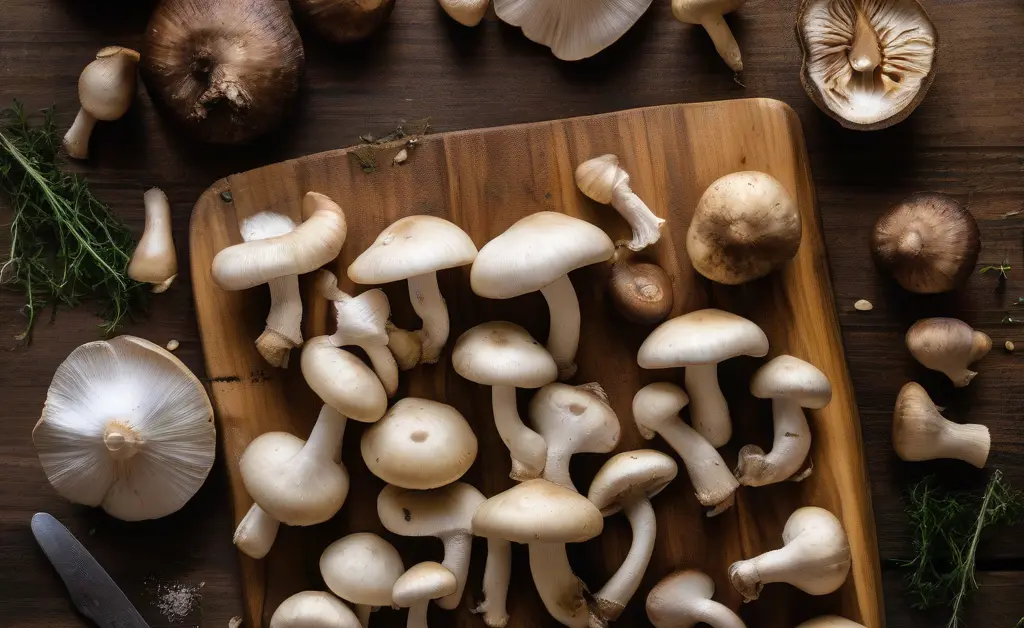
While the technique is vital, the quality and combination of ingredients also play a significant role in creating truly exceptional sautéed cremini mushrooms. Understanding each component helps you build layers of flavor.
Mushrooms
Cremini mushrooms, also known as baby bella mushrooms, are young portobello mushrooms. They offer a firmer texture and a more robust, earthy flavor than white button mushrooms, making them ideal for sautéing. When prepping the mushrooms, as mentioned earlier, avoid washing them. Trim off any very dry stem ends. You can leave smaller creminis whole or halve/quarter larger ones to ensure uniform size for even cooking.
Fat (Butter/Oil)
The choice of fat impacts both the flavor and the cooking process. Olive oil is a popular choice for its mild flavor and relatively high smoke point, suitable for the medium-high heat required. Butter adds a rich, nutty flavor that complements mushrooms beautifully but has a lower smoke point, making it prone to burning. A common approach is to use a combination: start with olive oil to handle the initial high heat, then add a pat of butter towards the end of cooking for flavor and a golden finish to your sautéed cremini mushrooms.
Aromatics (Garlic, Shallots)
Aromatics like garlic and shallots are fantastic companions to mushrooms, enhancing their natural flavors. Finely minced garlic adds a pungent warmth, while thinly sliced shallots offer a delicate, sweet oniony note. It’s best to add these aromatics towards the end of the sautéing process, after the mushrooms have released most of their moisture and started to brown. This prevents them from burning and becoming bitter, allowing their subtle flavors to meld perfectly with the finished dish.
Herbs
Fresh herbs can elevate the simple flavor of sautéed mushrooms. Thyme, rosemary, and parsley are classic choices. Thyme and rosemary, with their woody, fragrant notes, can be added during the last few minutes of cooking to infuse their essence. Fresh parsley, on the other hand, is best stirred in just before serving to retain its bright, fresh taste and vibrant color. Experiment with different herbs to find your favorite combinations.
Seasonings
Beyond salt and black pepper, which are essential for bringing out the mushroom’s flavor, consider other seasonings. A pinch of red pepper flakes can add a subtle kick. A splash of soy sauce or Worcestershire sauce can deepen the umami profile. A squeeze of lemon juice at the very end can brighten the flavors and cut through the richness. Always season to taste, adding layers as you go. For more information on food safety and preparation, consult resources from organizations like the NIH.
Tips for Perfect Sautéed Mushrooms
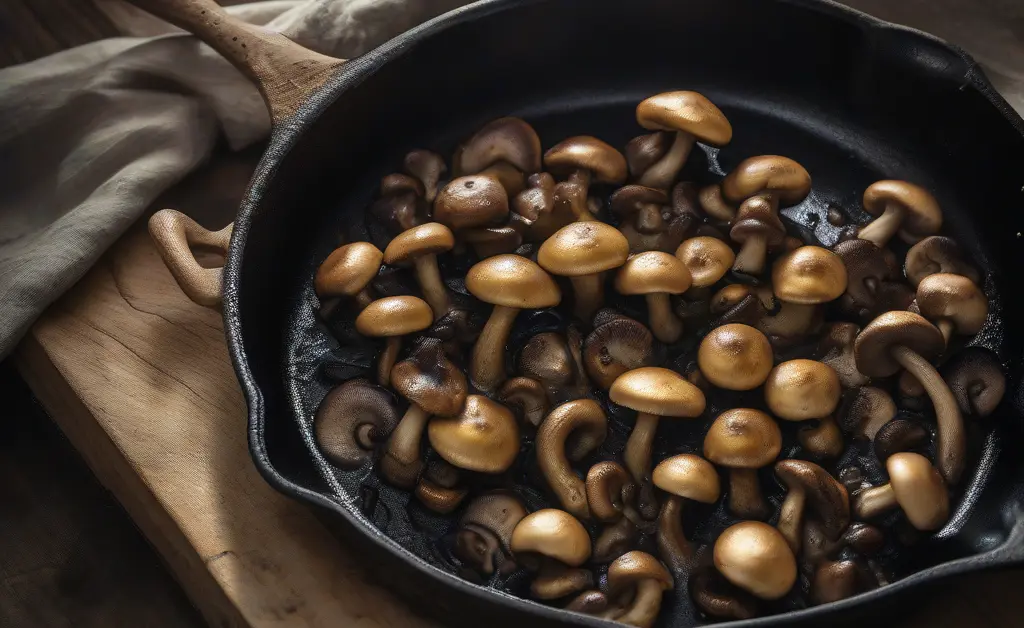
Achieving consistently delicious sautéed cremini mushrooms comes down to a few key insights and practices. These tips will help you refine your technique and make your mushrooms a standout component of any meal.
- **Patience is a Virtue:** Don’t rush the process. Allow the mushrooms to sit undisturbed in the hot pan to develop a good sear before stirring. This initial contact with the hot surface is crucial for flavor development.
- **Taste as You Go:** Seasoning is subjective. Continuously taste your mushrooms as they cook, adjusting salt, pepper, and other seasonings. Remember, mushrooms absorb flavors well, so don’t be afraid to add a little more.
- **Deglaze for Extra Flavor:** If you notice delicious browned bits sticking to the bottom of the pan after the mushrooms have cooked, you can deglaze the pan. A splash of wine, broth, or even water can help release these flavorful fond, which can then be stirred back into the mushrooms for added depth.
- **Serving Suggestions:** Sautéed cremini mushrooms are incredibly versatile. Serve them as a side dish to roasted meats or poultry, especially steak. They are excellent on toast or crostini for an appetizer, or stirred into pasta or grains like risotto or quinoa for a heartier meal. They also make a fantastic topping for pizzas, omelets, or burgers.
- **Don’t Overcook:** While browning is good, overcooking can make mushrooms rubbery. Once they are tender and beautifully browned, they are done. Remove them from the heat promptly.
Mastering the art of sautéed cremini mushrooms elevates them from a simple ingredient to a culinary highlight. By focusing on proper preparation, suitable heat, and attentive cooking techniques, you can consistently achieve mushrooms that are deeply flavorful, beautifully browned, and wonderfully tender. These earthy gems are a testament to how simple ingredients, treated with care, can yield extraordinary results, enhancing a myriad of dishes with their distinctive character.
not applicable
FAQ
What is the best way to sauté mushrooms?
To achieve a good sear, ensure your pan is hot before adding the mushrooms. Avoid overcrowding the pan, as this can cause them to steam rather than brown. Adding them in batches if necessary helps achieve that desirable golden-brown color and rich flavor.
How do you make sautéed mushrooms taste good?
Building layers of flavor is key to delicious sautéed mushrooms. Start by browning them well to develop their natural umami. Incorporating aromatics like garlic and herbs towards the end of cooking, along with a splash of liquid such as wine or broth, enhances their taste significantly.
How long do you sauté cremini mushrooms?
The cooking time for cremini mushrooms depends on the desired texture and moisture level. Generally, they will soften and release their water within 5 to 7 minutes. Continue cooking until they reach your preferred tenderness and achieve a nice browning.
Should you sauté mushrooms in butter or olive oil?
Both butter and olive oil can yield excellent results when sautéing mushrooms. Butter lends a rich, nutty flavor, while olive oil offers a lighter profile. Some cooks prefer to use a combination of both to benefit from the flavor of butter and the higher smoke point of oil.
What kind of oil is best for sautéing mushrooms?
For sautéing mushrooms, oils with a medium to high smoke point are suitable. Olive oil, especially extra virgin olive oil, is a popular choice for its flavor and availability. Other good options include avocado oil or grapeseed oil, which can withstand higher heat without burning.