
Understanding Culinary Mushrooms and Their Uses
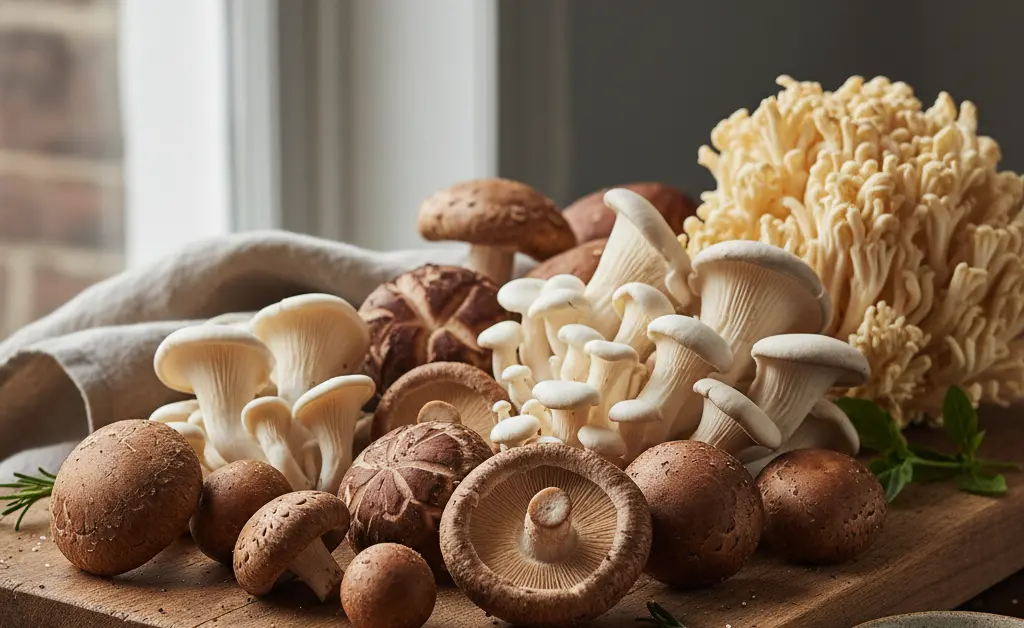
What are culinary mushrooms, and why are they so widely embraced in kitchens around the globe? These diverse fungi are celebrated not only for their distinct textures and rich flavors but also for their versatility in a vast array of dishes. From common button mushrooms found in everyday meals to exotic varieties sought by gourmands, each type offers a unique contribution to the culinary landscape. This guide explores the fascinating characteristics, nutritional benefits, and optimal preparation methods for various edible mushrooms. Understanding their distinct profiles can elevate home cooking and inspire new gastronomic adventures, revealing how these natural treasures enhance flavor and add depth to countless recipes across different cuisines.
What are Culinary Mushrooms?
Culinary mushrooms encompass a vast and fascinating group of fungi that are enjoyed worldwide for their unique flavors, textures, and nutritional properties. These edible mushroom varieties are distinct from their non-edible or toxic counterparts and are cultivated or harvested for food preparation. Understanding what are culinary mushrooms means appreciating their diversity, from the common button mushroom to the highly prized morel. They are a staple in many cuisines, offering an earthy depth, umami richness, and often a satisfying chewiness to a wide range of dishes. These fungi are valued for their ability to absorb flavors and contribute a hearty element to both vegetarian and meat-based meals. It’s fascinating to learn about how edible mushrooms are derived from various sources.
Button/White Mushrooms
Button mushrooms, also known as white mushrooms, are perhaps the most common and widely recognized type of culinary mushroom. They possess a mild and versatile flavor profile, making them incredibly adaptable to various cooking styles and dishes. Their texture is firm when raw, softening upon cooking. They are excellent raw in salads, sautéed in stir-fries, added to soups, or roasted alongside vegetables. Their accessibility and affordability make them a popular choice for everyday cooking.
Cremini/Baby Bella Mushrooms
Cremini mushrooms, often marketed as baby bella mushrooms, are a more mature version of the white button mushroom. They have a slightly darker cap, a firmer texture, and a more pronounced earthy flavor compared to their younger counterparts. This richer taste profile makes them suitable for dishes where a deeper mushroom flavor is desired. They hold up well to cooking, whether sliced into sauces, stuffed and baked, or grilled for a robust side dish.
Portobello Mushrooms
Portobello mushrooms are simply fully grown cremini mushrooms. Their large, flat caps and meaty texture make them an excellent choice for substantial dishes. They boast an earthy and umami-rich flavor that intensifies when cooked. Portobellos are frequently used as a meat substitute, grilled or roasted whole as “steaks” or burger patties. They also excel when stuffed with various fillings and baked, providing a hearty and satisfying meal component.
Shiitake Mushrooms
Originating from East Asia, shiitake mushrooms are renowned for their distinctive savory taste and firm, chewy texture. They impart a deep, umami flavor that is highly prized in Asian cuisine. Shiitakes are commonly used in stir-fries, soups (like miso soup), noodle dishes, and as a flavorful addition to braises. They are often sold fresh or dried; dried shiitakes offer an even more concentrated flavor and are typically rehydrated before use.
Oyster Mushrooms
Oyster mushrooms are characterized by their delicate, fan-shaped caps and a slightly sweet, earthy flavor with hints of anise. They come in various colors, including white, gray, and pink. Their texture is tender yet meaty, making them versatile for many recipes. They are delicious sautéed, fried, roasted, or added to soups and stews, where they absorb flavors beautifully. Oyster mushrooms are particularly good for quick-cooking applications.
Maitake/Hen of the Woods Mushrooms
Maitake mushrooms, also known as hen of the woods, grow in clusters resembling ruffled feathers. They have a rich, earthy flavor and a semi-firm, slightly chewy texture that crisp up wonderfully when cooked. Their distinctive appearance and robust taste make them a favorite among gourmet mushrooms. Maitake can be roasted, sautéed, fried, or added to pasta dishes and stir-fries to impart a complex umami depth.
Enoki Mushrooms
Enoki mushrooms are easily identifiable by their long, thin stems and tiny caps, usually sold in clusters. They have a mild, slightly fruity flavor and a crisp, chewy texture. Enoki are often used in Japanese cuisine, commonly found in hot pots, soups, and salads, where they are typically added at the end of cooking to preserve their delicate structure. They can also be briefly sautéed or incorporated into stir-fries.
Morel Mushrooms
Morel mushrooms are highly sought-after gourmet mushrooms, recognized by their distinctive honeycomb-like caps and earthy, nutty flavor. They are typically foraged in the wild and are available seasonally. Morels have a delicate texture that stands up well to cooking. They are excellent sautéed in butter, added to cream sauces, or incorporated into risottos and pasta dishes. Due to their unique shape, proper cleaning is essential.
Chanterelle Mushrooms
Chanterelle mushrooms are prized for their beautiful golden color, trumpet-like shape, and fruity, peppery aroma often compared to apricots. They possess a delicate yet firm texture and a distinct flavor that makes them a favorite among chefs. Chanterelles are best showcased in simple preparations like sautéing with butter and herbs, or as an elegant addition to omelets, quiches, and creamy sauces.
King Oyster Mushrooms
King oyster mushrooms are large, thick-stemmed mushrooms with small caps. They have a firm, meaty texture and a mild, savory flavor often described as umami-rich with hints of abalone. Their robust structure allows them to be sliced into rounds and pan-fried, grilled, or roasted, making them a fantastic vegetarian alternative to scallops or meat. They absorb marinades well and maintain a satisfying bite.
Flavor Profiles and Culinary Uses
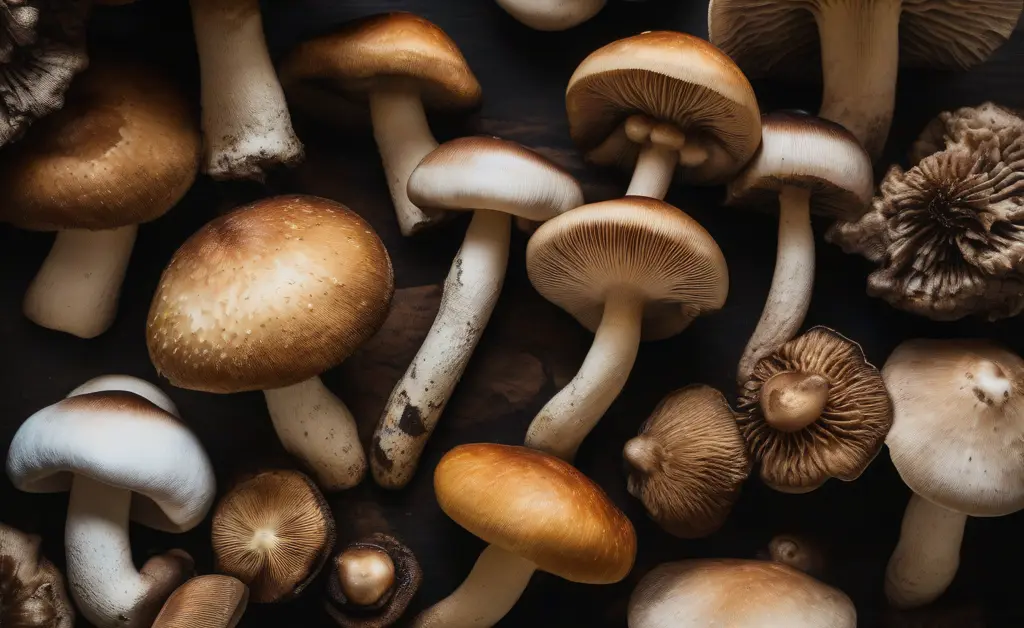
The vast world of edible mushroom types offers an incredible spectrum of flavors and textures, making them a versatile ingredient in countless cuisines. From the subtle, earthy notes of button mushrooms to the profound umami of shiitake and the delicate, peppery hints of chanterelles, each variety brings its own character to a dish. A detailed edible mushrooms diagram can help differentiate these varieties visually. Some, like the portobello, provide a hearty, meaty texture perfect for grilling, while enoki mushrooms contribute a crisp, delicate chewiness to salads and soups. Understanding these distinct flavor profiles is key to maximizing their potential in the kitchen.
When considering what are culinary mushrooms best suited for, their natural taste and texture guide their use. Oyster mushrooms, with their mild flavor and tender texture, excel in quick sautés or light stir-fries. Morels, known for their deep, woodsy flavor, are often paired with rich sauces or as a luxurious addition to spring dishes. King oyster mushrooms, with their dense, almost steak-like consistency, can be sliced and seared to mimic seafood or meat. This diversity allows chefs and home cooks to explore different culinary uses, from adding depth to broths and stews to being the star of a main course.
How to Prepare and Cook Culinary Mushrooms
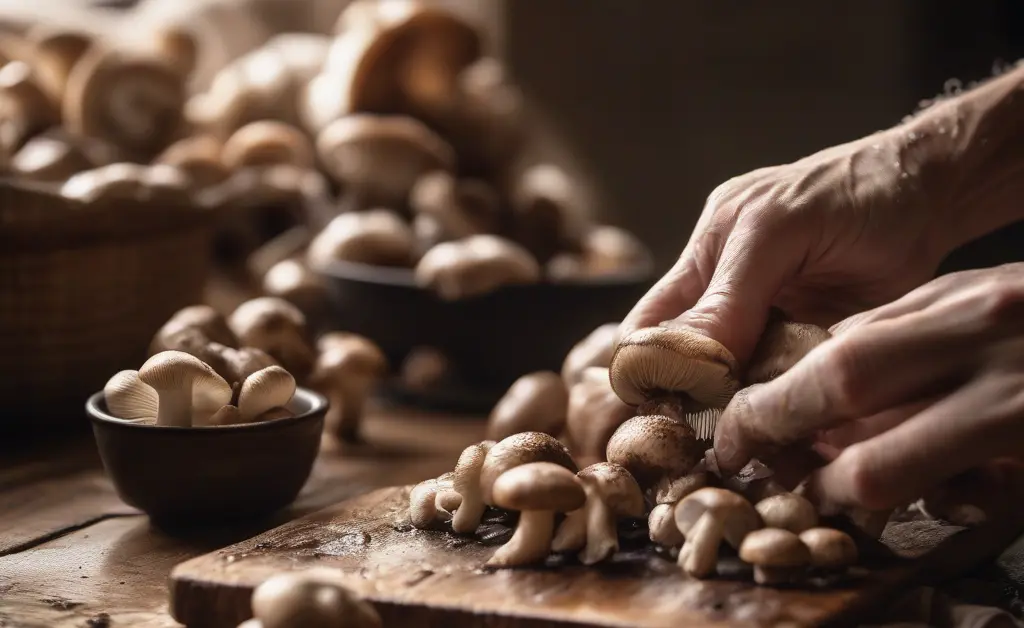
Proper preparation and cooking are essential to bring out the best in what are culinary mushrooms. Before cooking, it’s generally recommended to clean mushrooms gently. Instead of soaking them, which can make them waterlogged, use a soft brush or a damp cloth to wipe away any dirt. For varieties like morels, which can harbor grit in their crevices, a quick rinse under running water followed by thorough drying is acceptable. Trimming the very end of the stems, especially if they are tough or dry, is also a common practice.
There are numerous cooking methods suitable for edible mushroom varieties, each imparting a different texture and depth of flavor. Sautéing is a popular choice, involving cooking mushrooms over medium-high heat with a small amount of fat until they release their moisture and brown beautifully. Roasting mushrooms in the oven with olive oil, herbs, and seasonings can deepen their umami flavor and create a tender-yet-firm texture. Grilling larger varieties like portobellos provides a smoky char and a substantial bite. Some mushrooms, such as enoki or thinly sliced button mushrooms, can even be enjoyed raw in salads, offering a crisp texture and delicate flavor. Always cook mushrooms thoroughly, as proper preparation enhances digestibility and flavor. Scientific studies on mushroom digestibility and nutritional content are often found on platforms like PubMed.
Tips for Storing Culinary Mushrooms
Proper storage is crucial to maintain the freshness and quality of what are culinary mushrooms. Most fresh mushrooms are best stored in their original packaging or in a paper bag in the refrigerator. Paper bags allow for air circulation, which prevents moisture buildup that can lead to spoilage. Avoid storing them in plastic bags, as this traps moisture and can cause them to become slimy quickly. Do not wash mushrooms before storing them; this also introduces excess moisture. Clean them just before you are ready to use them.
Different edible mushroom types may have varying shelf lives. Delicate varieties like enoki or oyster mushrooms might last only a few days, while firmer ones like cremini or shiitake can keep for up to a week when stored correctly. If you notice any signs of spoilage, such as a slimy texture, dark spots, or an off odor, it’s best to discard them. For longer-term storage, some mushrooms can be sliced and frozen or dried. Dried mushrooms, especially shiitake and porcini, can last for months or even years and offer an intensified flavor once rehydrated.
Where to Buy Culinary Mushrooms
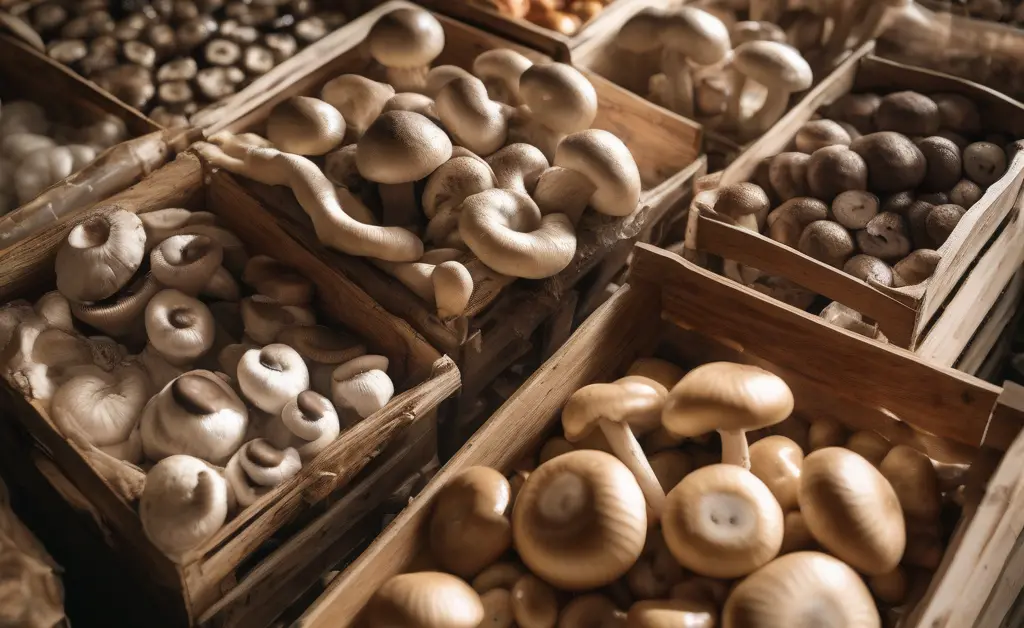
Accessing a wide variety of what are culinary mushrooms is easier than ever, with numerous options available to consumers. Most conventional grocery stores carry common types such as button, cremini, and portobello mushrooms year-round. These are typically found in the produce section, often pre-packaged or available loose for selection.
For a greater selection of gourmet mushrooms, consider visiting specialty grocery stores, farmer’s markets, or Asian markets. These outlets often stock more exotic and seasonal varieties like shiitake, oyster, maitake, enoki, and sometimes even morels or chanterelles when in season. Buying from farmer’s markets often means getting fresher, locally sourced mushrooms. Online retailers also offer a broad range of fresh and dried edible mushroom options, delivering them directly to your door. When purchasing, look for mushrooms that are firm, free of blemishes, and have a fresh, earthy aroma, indicating optimal freshness.
Culinary mushrooms are a staple ingredient in kitchens worldwide, prized for their diverse flavors, textures, and nutritional benefits. From the everyday versatility of button mushrooms to the gourmet appeal of morels and chanterelles, these fungi offer endless possibilities for enhancing dishes. Understanding how to select, prepare, and cook these natural treasures allows home cooks and professional chefs alike to explore new culinary horizons and bring depth and richness to their cooking. Their unique ability to absorb and complement other flavors makes them an invaluable asset in a wide array of recipes, demonstrating why these edible fungi continue to be celebrated across global cuisines.
The content provided in this article is intended for informational learning, not clinical application. It is important to note that information about edible fungi should not be used as a substitute for professional advice from a qualified expert in mycology or healthcare. Always exercise caution and consult with a professional if you have any questions about identification or potential health implications, especially when foraging for wild mushrooms, as some varieties can be harmful if consumed. Individual dietary needs and health conditions may vary, and it is always advisable to speak with a healthcare provider regarding any concerns.
FAQ
What are the most common edible mushrooms?
The most commonly consumed mushrooms include varieties like button mushrooms, cremini, portobello, shiitake, and oyster mushrooms. These mushrooms are appreciated for their diverse textures and savory flavors, making them versatile ingredients in many cuisines. Their widespread availability and culinary appeal contribute to their popularity worldwide.
What are culinary mushrooms?
Culinary mushrooms refer to the varieties of fungi that are cultivated or foraged for their use in cooking and food preparation. They are distinct from medicinal mushrooms, although some overlap exists, and are primarily valued for their taste, texture, and aroma. Many popular and widely available mushrooms fall into this category.
What is the difference between culinary and medicinal mushrooms?
Culinary mushrooms are primarily chosen for their flavor and texture in cooking, enhancing dishes with their unique profiles. Medicinal mushrooms, on the other hand, are traditionally used for their potential health-promoting properties, often extracted or consumed in concentrated forms. While some mushrooms can serve both purposes, their primary classification depends on their intended use.
How do I know if a mushroom is safe to eat?
Identifying edible mushrooms requires expert knowledge, and it is crucial to only consume mushrooms that have been positively identified as safe by a mycologist or experienced forager. Misidentification can lead to severe poisoning, as many wild mushrooms are toxic and can resemble edible varieties. For reliable consumption, it is best to purchase mushrooms from reputable sources like grocery stores or certified growers.