
Understanding Puffball Mushrooms
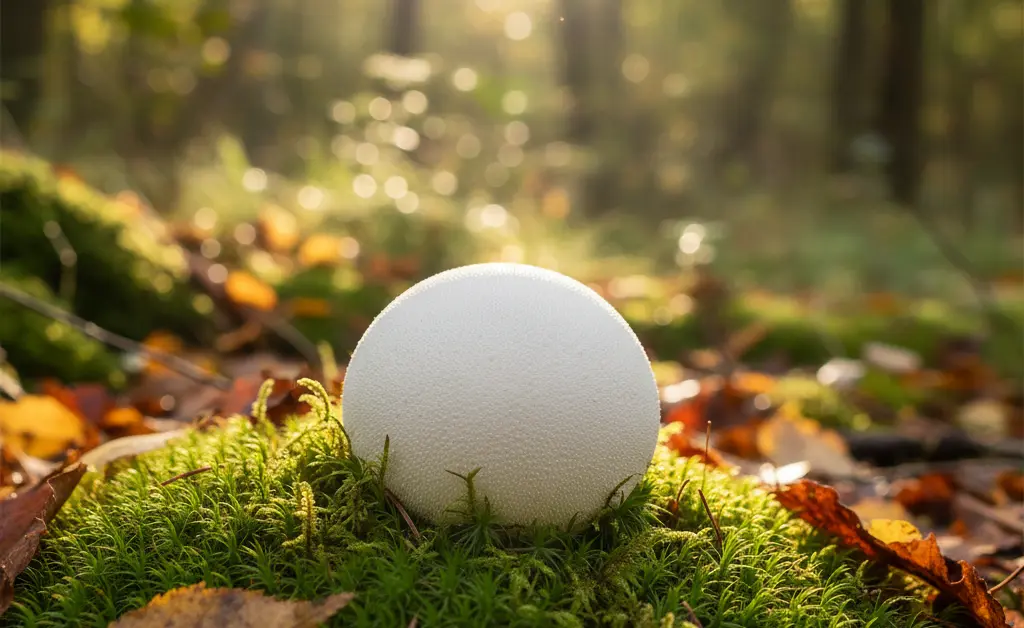
Many people assume that a mushroom always comes with a distinct cap and stem, growing upright from the forest floor. However, nature’s mycological diversity often surprises us, presenting forms that deviate significantly from this familiar image. This common misconception often overlooks a fascinating group of fungi that challenge our typical understanding: the puffball mushrooms. These unique organisms offer a different perspective on fungal morphology, appearing more like spheres or irregular masses than the archetypal umbrella shape. Exploring what is a puffball mushroom reveals a world where identification relies not on gills or stipes, but on internal structure and spore development. This article will delve into their characteristics, edibility, and where these intriguing fungi can be found, providing a comprehensive guide to understanding these unusual forest inhabitants.
What is a Puffball Mushroom?
A puffball mushroom represents a distinct group of fungi that differ significantly from the more commonly recognized gilled mushrooms. Instead of producing spores on external gills, these fungi develop their spores internally within a spherical or pear-shaped fruiting body. When mature, the outer skin often ruptures or develops an opening, allowing the millions of powdery spores to be released, often in a “puff” when disturbed by rain, wind, or touch. This unique spore dispersal mechanism is a defining characteristic of these fascinating organisms. Understanding what is a puffball mushroom helps to appreciate the vast diversity within the fungal kingdom.
Definition and Classification
Puffball mushrooms are generally classified within the phylum Basidiomycota, and are often referred to as gastroid fungi due to their enclosed spore-bearing structures. Unlike agarics (gilled mushrooms), puffballs do not have an open hymenium, which is the fertile surface where spores are produced. Instead, their spores are produced within an internal gleba, which eventually transforms into a powdery mass. They encompass various genera, including Calvatia, Lycoperdon, and Bovista, each with its own specific characteristics. Their classification highlights their evolutionary adaptations for spore protection and dispersal, setting them apart from many other fungal forms.
Characteristics of Puffball Mushrooms
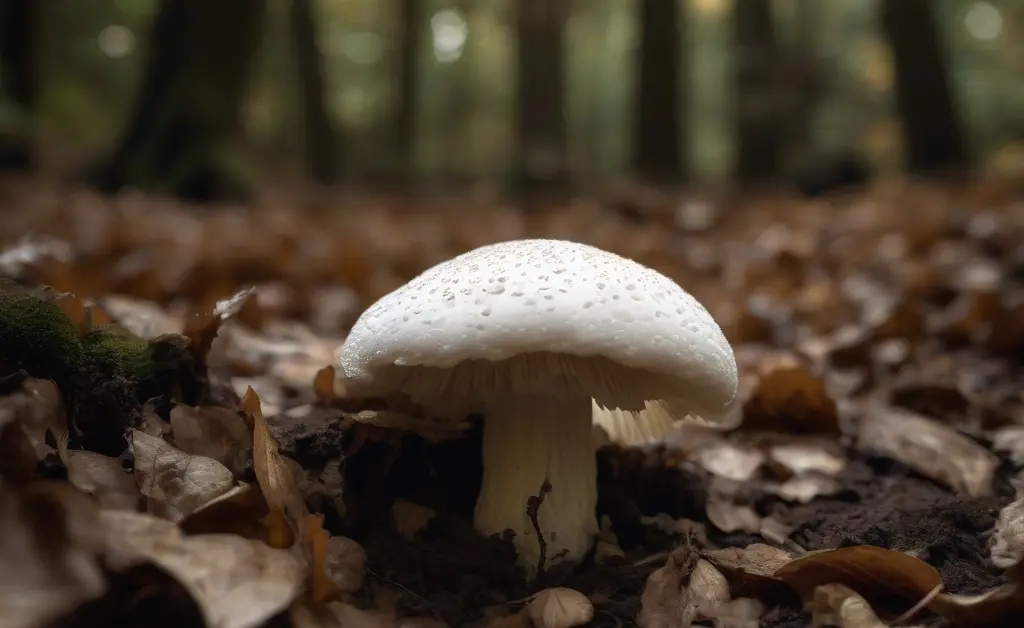
Puffball mushrooms possess several distinguishing characteristics that make them unique in the fungal world. Their appearance can vary greatly, but certain features are consistently present across the different types, aiding in their identification and differentiation from other fungi. These characteristics are key for anyone looking to identify these interesting specimens in their natural habitat.
Distinguishing Features
The most prominent distinguishing feature of puffball mushrooms is their lack of an exposed cap and gills. Instead, they typically present as a closed, often roundish fruiting body. When young, the interior of an edible puffball is uniformly white and firm, resembling marshmallow or tofu. As they mature, this internal flesh, known as the gleba, begins to change color, turning yellowish, then olive, and eventually dark brown or purple, transforming into a powdery mass of spores. The absence of any discernible stem (stipe) or gill structure is a critical identification point.
Shape and Size
Puffball mushrooms exhibit a variety of shapes, from perfectly spherical to pear-shaped, and sometimes slightly irregular or lobed. Their size range is also remarkably diverse. Some species, like the common puffball, may be just a few centimeters in diameter, while the giant puffball (Calvatia gigantea) can grow to impressive dimensions, sometimes exceeding 50 centimeters (or more) in diameter and weighing several kilograms. These larger specimens are often mistaken for soccer balls or large stones due to their substantial size and rounded form.
Texture
The texture of puffball mushrooms changes significantly with age. When young and prime for consumption, the outer skin (peridium) is typically smooth, leathery, or finely granular, and the interior flesh is firm, dense, and uniformly white. This internal texture is often described as resembling a firm marshmallow or dense bread. As the mushroom matures, the inner flesh becomes softer, spongy, and starts to discolor, eventually becoming a yellowish to greenish-brown powder as the spores develop. At this stage, the external skin may also become papery or brittle.
Spore Development
A defining characteristic of puffball mushrooms is their method of spore development and release. Unlike gilled mushrooms that release spores from gills on the underside of a cap, puffballs produce their spores internally within a chamber called the gleba. As the mushroom ages, this gleba transforms into a dry, powdery mass containing millions of microscopic spores. When the outer wall of the puffball ruptures or develops an opening, or when external pressure is applied (like a raindrop hitting it), these spores are ejected into the air, creating a distinctive “puff” of dust-like material. This unique mechanism is crucial for their reproductive cycle.
Key Identification Features
Identifying puffball mushrooms safely involves looking for several key features. Firstly, the specimen should be spherical, pear-shaped, or irregularly rounded, without a distinct cap or stem. Secondly, and most importantly for edibility, when sliced open, the interior flesh must be uniformly pure white and solid. There should be no signs of gills, embryonic caps, or discoloration (yellow, green, or purple). The absence of internal structures resembling developing gills or a cap is crucial, as some poisonous mushrooms, like immature deadly Amanita species, can appear egg-like and superficially resemble puffballs when very young. Always verify the solid, white interior without any other structures.
Edibility and Uses
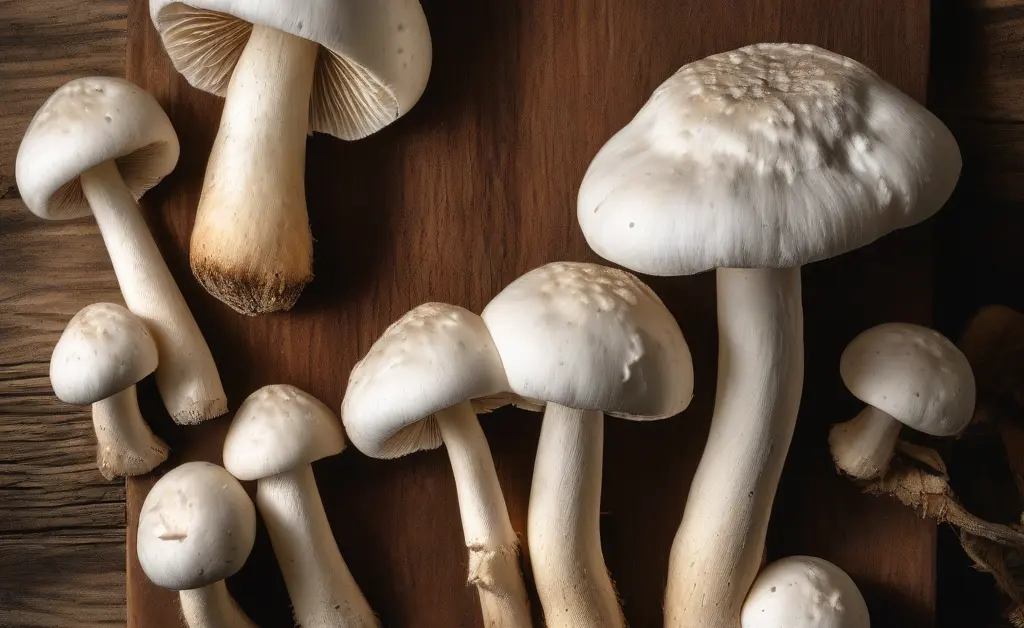
Many varieties of puffball mushrooms are edible and considered a culinary delicacy, particularly when young and fresh. However, careful identification is paramount, as some look-alikes can be toxic or unpalatable. Knowing what is a puffball mushroom that is safe to eat involves understanding specific characteristics at different life stages.
Giant Puffballs
Giant puffballs (Calvatia gigantea) are among the most sought-after edible fungi. Their massive size makes them a substantial culinary ingredient. They are considered safe to eat only when the interior flesh is pure white, firm, and uniform throughout, with no signs of yellowing, greening, or spore development. Once they begin to turn yellow or show any internal differentiation, they are no longer suitable for consumption. They have a mild, earthy flavor and can be sliced like bread, fried, baked, or used as a meat substitute in various dishes.
Common Puffballs
Several smaller species, often referred to as common puffballs (e.g., in the genus Lycoperdon), are also edible. Like their giant counterparts, these must also be pure white and firm inside. They tend to be smaller, ranging from a few centimeters to typically up to about 10-15 centimeters in diameter. These varieties share similar culinary uses and preparation methods, though their smaller size means more individual mushrooms are needed for a meal. Always cut them open to confirm the uniformly white interior, as with all puffball mushrooms intended for consumption.
Other Varieties
There are other types of puffball mushrooms, some of which are not recommended for consumption due to their small size, unpleasant taste, or tough texture. Some smaller puffballs, while not toxic, might not offer a desirable culinary experience. Additionally, species like earthballs (genus Scleroderma), which superficially resemble puffballs, have a tough, dark interior and are generally considered toxic or inedible. The general rule for all puffballs is that if the interior is not uniformly pure white and firm, it should not be consumed. This strict criterion helps distinguish edible puffballs from their less desirable or potentially harmful relatives.
Where to Find Puffball Mushrooms
Puffball mushrooms can be found in a variety of habitats, depending on the species. Many common and giant puffballs prefer grassy areas, meadows, lawns, and open woodlands, often appearing after periods of rain. They can grow solitarily or in groups. Smaller species may also be found in deeper forests, often on decaying wood or forest litter. The growing season typically spans from late spring through autumn, with peak appearances often in late summer and early fall. When foraging, it’s essential to identify the specific environment where they thrive to increase the chances of a successful and safe harvest. Understanding puffball mushroom types can help in predicting their habitats.
Puffball mushroom facts
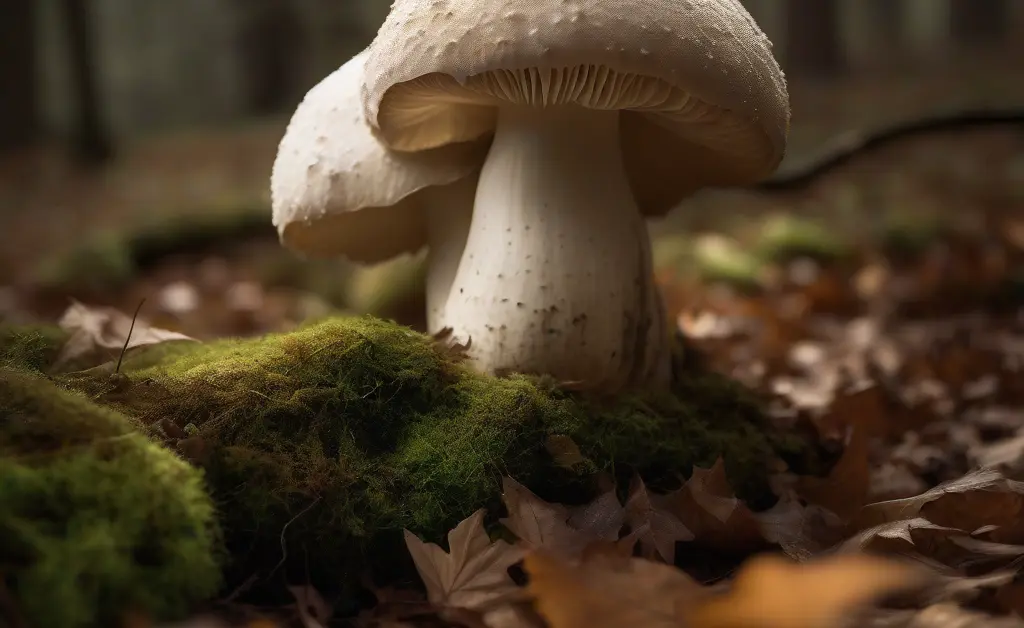
Beyond their edibility and distinctive appearance, puffball mushrooms hold several intriguing facts that highlight their unique place in the natural world. These facts shed light on their ecological roles and how they interact with their environment. Understanding what is a puffball mushroom involves appreciating these fascinating aspects.
- Puffballs are part of a larger group of fungi known as Gasteromycetes, or “stomach fungi,” a term that refers to their enclosed spore-bearing structures.
- The “puff” action of mature puffballs can release trillions of spores. A single giant puffball may release several trillion spores, vastly increasing its chances of reproduction.
- Historically, the powdery spores of some puffball species were used as a styptic to stop bleeding, particularly by Native American tribes.
- Young puffballs, particularly the giant puffball, are sometimes used as a natural alternative to tofu or meat in vegetarian cooking due to their firm texture and ability to absorb flavors.
- Some smaller puffball species, when mature, have a distinct opening at the top, resembling a small volcano, through which spores are released.
- Puffball mushrooms play an ecological role as decomposers, helping to break down organic matter in their environments.
Puffball mushrooms are truly one of nature’s more unusual and engaging fungi. Their unique morphology, from their spherical appearance to their distinctive spore dispersal method, sets them apart from the typical image of a mushroom. While many varieties offer a delightful culinary experience, particularly when young and pristine, careful and confident identification is always paramount. Their diverse shapes, sizes, and habitats, along with their fascinating life cycle, make them a rewarding subject for mycologists and foragers alike. Whether admired for their ecological role or enjoyed on a plate, understanding what makes a puffball mushroom unique contributes to a richer appreciation of the natural world.
This material is shared for educational insight, not for clinical decision-making. Information about fungi, including their edibility and potential uses, should not be interpreted as medical advice or a recommendation for treatment. Always consult with qualified experts and exercise extreme caution when identifying and consuming wild mushrooms. Misidentification can lead to serious health risks, and personal health decisions should always be made in consultation with a healthcare professional.
FAQ
What do puffball mushrooms look like?
Puffball mushrooms are distinct for their generally spherical or pear-shaped fruiting bodies that lack traditional gills or stems. Their surface can be smooth, slightly textured, or even spiny, and they typically grow close to the ground.
What is a puffball mushroom?
A puffball mushroom is a type of fungus that releases its spores from a sac-like or rounded structure, rather than from gills or pores found on a cap and stem. When mature, these mushrooms create a powdery mass of spores that is expelled when the fruiting body is disturbed.
Continue reading
You May Also Like
Understanding the Puffball Mushroom Life Cycle
The puffball mushroom life cycle involves several distinct developmental stages, from spore germination to the mature body's ultimate release of…
Understanding Puffball Mushroom Nutrition
Get a definitive breakdown of puffball mushroom nutrition, detailing the complete caloric, protein, and vitamin profile of this edible fungus.

Where to Buy Fresh and Dried Puffball Mushrooms?
Our guide to semaglutide for weight loss reviews its clinical efficacy, side effects, and cost to help you evaluate if it's the right choice.